
Fasting is becoming increasingly popular as a method for weight loss, health improvement, and lifestyle optimization. But which fasting method is best for you? We guide you through 10 different approaches so you can find the one that fits your daily routine.
16:8 Method – The Most Popular Fasting Approach

This method involves fasting for 16 hours and eating within an 8-hour window.
During the eating window, you can consume whatever you like, but during the fasting period, you should stick to liquids like water, tea, or black coffee.
Benefits: Simple, flexible, and easy to incorporate into daily life.
5:2 Diet – Fasting Twice a Week

With this method, you eat normally for five days a week and reduce your calorie intake to about 500–600 calories on the remaining two days.
The fasting days do not have to be consecutive, making this method easier to follow.
Benefits: Less restrictive than daily fasting, while still providing health benefits.
Alternate-Day Fasting – Fast Every Other Day

This method involves fasting every other day.
On fasting days, you can either consume a very limited number of calories or eat nothing at all. On eating days, you eat normally but without overeating.
Benefits: Can lead to significant weight loss and metabolic improvements.
Caloric Restriction – Not True Fasting, but Effective

Caloric restriction is not technically fasting but rather a diet where you reduce your daily calorie intake by 15–40% compared to what your body requires.
This is a long-term approach that can lead to weight loss and improved metabolic health.
Benefits: Sustainable and beneficial for overall health.
Periodic Fasting (24-Hour Fast) – A Full Day Without Food
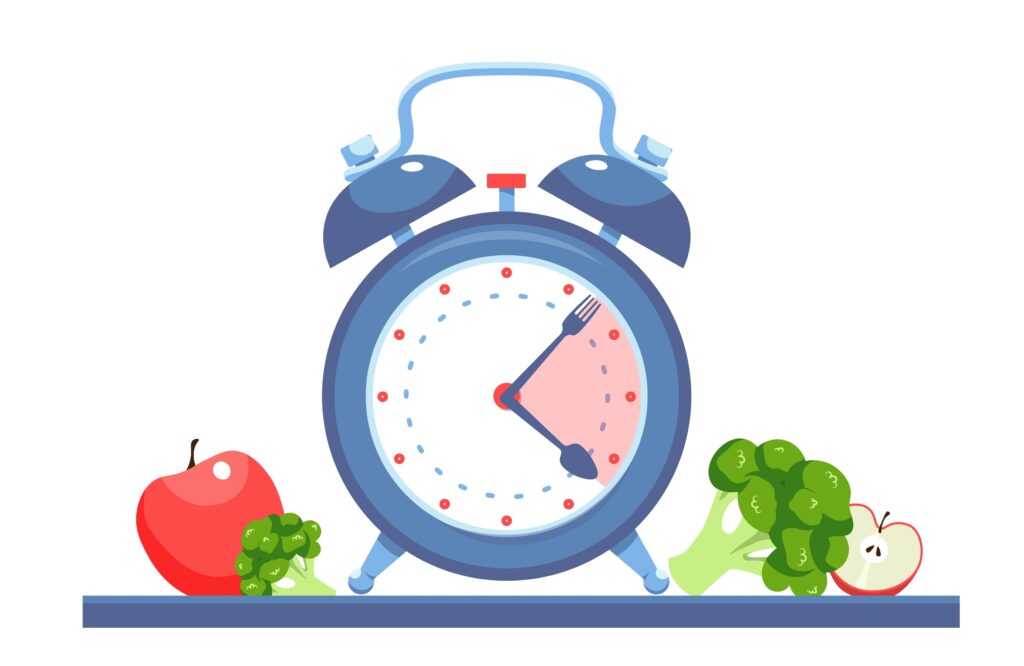
This method requires fasting for 24 hours at a time, once or twice a week.
For example, you could stop eating after dinner and not eat again until dinner the next day. During the fasting period, you can only drink liquids.
Benefits: Can improve insulin sensitivity and promote fat loss.
Fasting-Mimicking Diet – A Modified Approach

These diets focus on consuming very few calories for a short period, typically five days a month.
For the rest of the month, you eat normally, making this method less restrictive than other fasting forms.
Benefits: Offers many fasting benefits without full deprivation.
Spontaneous Fasting – Eat Only When You’re Hungry

This method involves skipping meals when you’re not hungry.
There is no fixed schedule, making it an easy and flexible way to incorporate fasting into your lifestyle.
Benefits: Works well for those who prefer a relaxed approach to eating
Warrior Diet – Eat Like an Ancient Warrior

Warrior Diet går ud på at spise en lille mængde rå frugt og grøntsager i løbet af dagen, og derefter indtage et stort måltid om aftenen.
Denne metode er inspireret af krigerlivsstilen i oldtiden.
Circadian Rhythm Fasting – Aligning with Your Body’s Clock

This method follows the body’s natural circadian rhythm, meaning you eat during daylight hours and fast when it’s dark.
For example, you might eat between 7 AM and 7 PM and fast for the rest of the day.
Benefits: Supports natural metabolism and improves sleep quality.
Religious Fasting – A Spiritual and Health Practice

Many religions include fasting as part of their beliefs.
For example, Ramadan in Islam involves fasting from sunrise to sunset, while Christianity and Judaism also have fasting traditions.
Benefits: Often has both spiritual and health-related advantages.
This article is based on information from the Danish Cancer Society.
This article is made and published by Ida-Marie Palm Varbæk, who may have used AI in the preparation.