
Recognizing the Final Stages of Life: 8 Common Signs

Date:

Share this article:

Del denne artikel:

Understanding the body’s signals in the final stages of life can help make this difficult time more manageable. Here are clear signs and advice on how to provide comfort and support during this challenging period.

1. Reduced Appetite

"Food Eat" af Brooke Lark/ CC0 1.0

As the body requires less energy, the need for food and drink diminishes. The person may eat and drink less, and in the final weeks, they might stop altogether.

2. Increased Need for Sleep

"Sleeping Bed" af elizabeth lies/ CC0 1.0

Energy levels decrease, and longer periods of sleep become common. Speak calmly to them, as hearing is often the last sense to fade.

3. Changes in Bathroom Habits
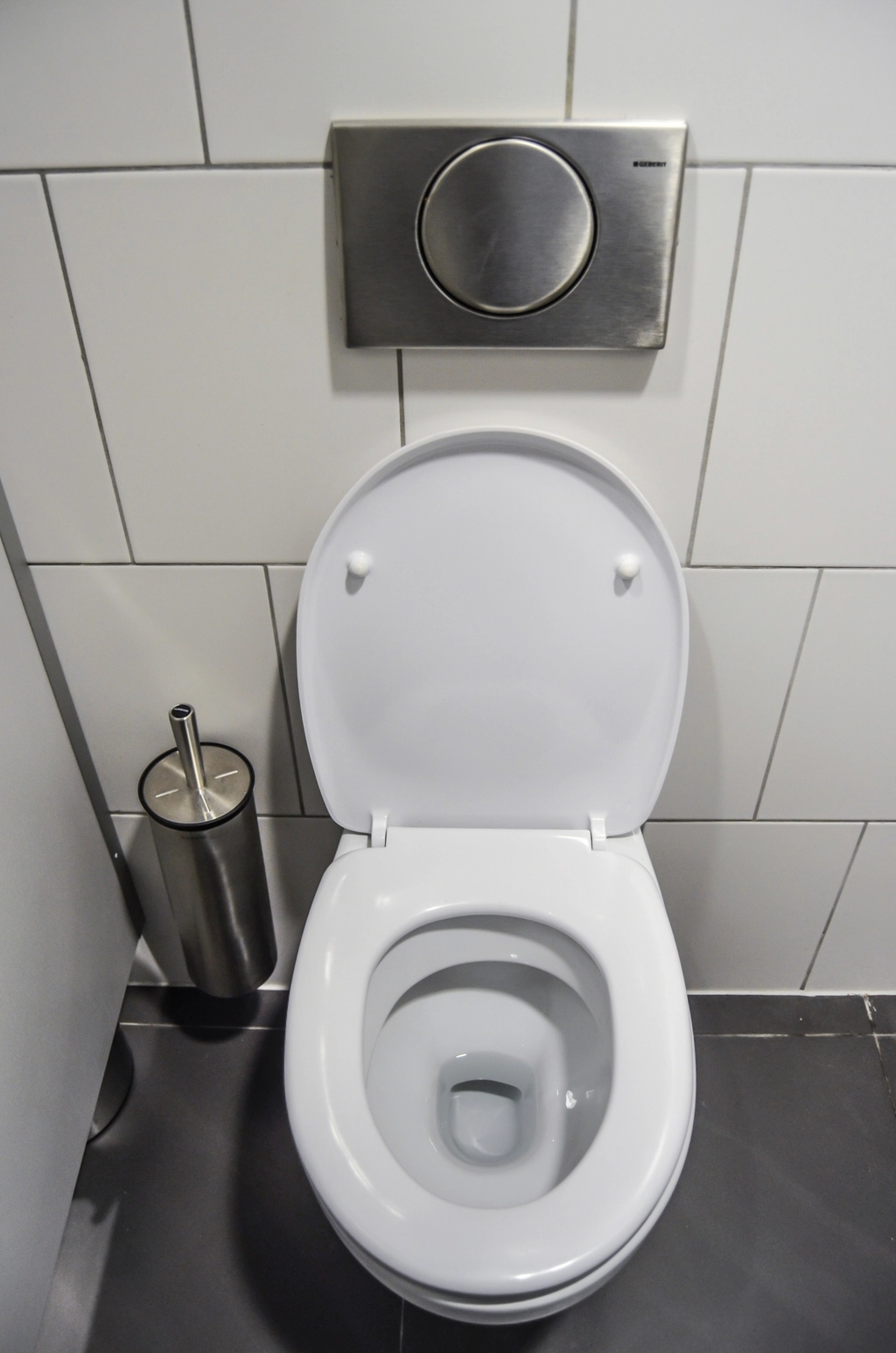
"Free open toilet seat bathroom"/ CC0 1.0

Reduced intake of food and fluids leads to altered bathroom habits. Loss of bladder control may occur, and professional assistance could be required.

Also read: She Was Dead for 11 Minutes – What She Saw Next Will Haunt You

4. Muscle Weakness

"Wheelchair Person" af Direct Media/ CC0 1.0

Muscles lose strength, making simple tasks like standing up or holding objects difficult.

5. Changes in Vital Signs

Foto: Shutterstock

Blood pressure drops, the pulse weakens, and breathing may become irregular.

6. Lower Body Temperature

Foto: Shutterstock.com

Reduced blood circulation causes cold hands and feet. The skin may appear pale or bluish with darker patches.

7. Altered Breathing

Foto: Shutterstock.com

Breathing may become irregular or produce a rattling sound. Changing the person’s position can sometimes provide relief.

Also read: HIV Drugs Might Fight Alzheimer’s Too

8. Confusion and Hallucinations

Foto: Shutterstock.com

The person may experience confusion or hallucinations. Responding calmly and reassuringly can help create a sense of security.

Providing Support During Life’s Final Stage

Foto: Shutterstock

Recognizing these signs allows you to offer care and comfort. Professional support from hospice or healthcare staff can be invaluable during this time.

Also read: You’ve Been Boiling Potatoes Wrong Your Whole Life — Here’s the Trick

This article is made and published by Club Welltica, who may have used AI in the preparation.

Other articles

What is a normal resting heart rate? Here’s what the numbers mean

The 60 to 100 bpm range covers most adults, yet large studies suggest a tighter window may serve your heart better.

Many women still have significant pain months after a C-section, and most are not warned

A global evidence review of nearly 28,000 women finds the aftermath of a cesarean can drag on for years, disrupting sleep, mood and daily life.

What your blood pressure does while you sleep may matter more than your daytime reading

An overnight pattern called non-dipping raises the risk of heart disease, stroke and kidney damage, and scientists are closing in on why.

A daily probiotic may lower the risk of death for babies born too early

In 4,695 very preterm babies, a daily three-strain probiotic was linked to a sharply lower risk of death and a dangerous bowel disease.

What is a normal resting heart rate? Here’s what the numbers mean

The 60 to 100 bpm range covers most adults, yet large studies suggest a tighter window may serve your heart better.

Many women still have significant pain months after a C-section, and most are not warned

A global evidence review of nearly 28,000 women finds the aftermath of a cesarean can drag on for years, disrupting sleep, mood and daily life.

What your blood pressure does while you sleep may matter more than your daytime reading

An overnight pattern called non-dipping raises the risk of heart disease, stroke and kidney damage, and scientists are closing in on why.