
Women, on average, go longer than men before their heart attacks are detected. There’s a significant reason for this.
Women Are Diagnosed Later Than Men

Women are often diagnosed with heart attacks later than men. This delay can be attributed to both biological factors and differences in symptoms.
Common Symptoms of a Heart Attack

Most people know that a heart attack often causes severe chest pain, sometimes radiating down the left arm. This is a well-known warning sign of heart problems.
Women’s Symptoms Can Be Different

For women, symptoms can be more subtle. Some experience pain in the neck, jaw, or between the shoulder blades, while others report cold sweats, weakness in the arms, or digestive issues.
Symptoms Are Often Misunderstood by Doctors

Since women’s symptoms are less recognized, doctors may misinterpret them, leading to delayed diagnoses. This increases the risk of missing a heart attack altogether.
Expert Opinion from a Leading Cardiologist

“What causes delays in diagnosing women with coronary artery disease is that their symptoms may differ from the typical signs,” says Henrik Steen Hansen, a cardiologist at Odense University Hospital.
Estrogen Protects Women Until Menopause

Research suggests that the female hormone estrogen provides some protection against heart attacks. After menopause, estrogen levels drop, and women face the same risk as men.
Research Has Focused Mostly on Men
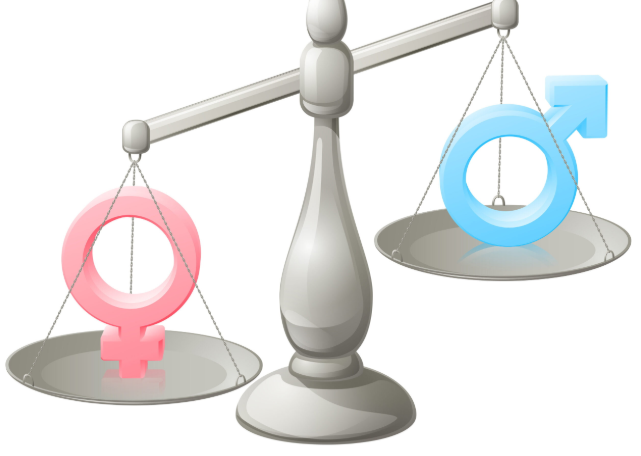
Nearly 70% of all heart disease research has historically focused on men, leading to a knowledge gap regarding women’s heart health.
The Need for Greater Awareness

Women need to be aware that their heart attack symptoms may differ from men’s. Quick action is crucial.
Healthcare System Needs to Pay More Attention

Experts stress the importance of educating healthcare professionals to recognize heart attack symptoms in women.
Acting Fast Can Save Lives

Women should call 911 immediately if they experience symptoms that could indicate a heart attack. The same, of course, applies to men.
90% Survival Rate

The survival rate for a heart attack is about 90% within the first year, and it is the same for both men and women.
Treatment for Heart Attacks

Treatment includes blood thinners, cholesterol-lowering medication, quitting smoking, and emergency angioplasty to open a blocked artery.
Risk Factors for Heart Attacks
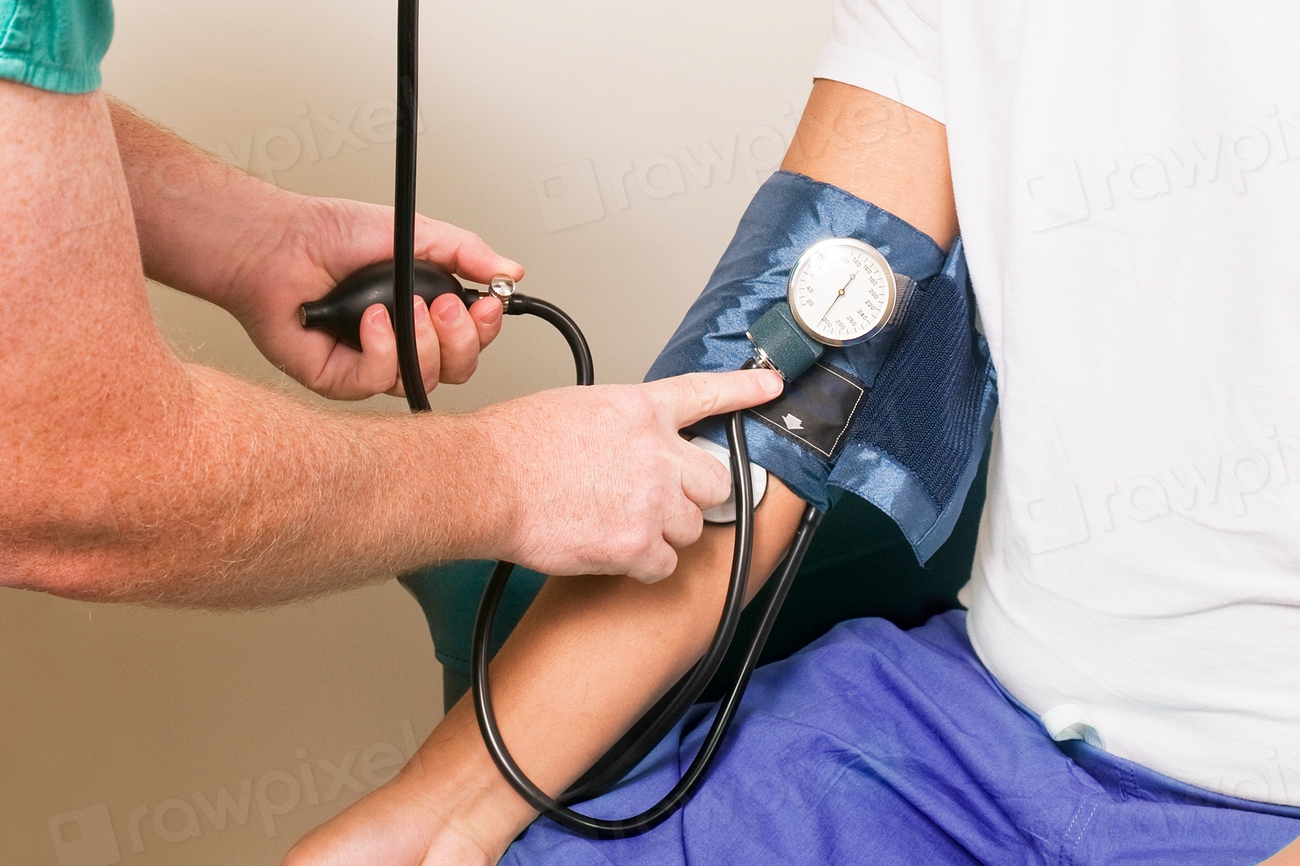
The main risk factors include genetics, smoking, high blood pressure, and high cholesterol.
Prioritizing Women’s Heart Health

Raising awareness about women’s heart disease can save lives. It requires further research, education, and early intervention.
This article is made and published by Club Welltica, who may have used AI in the preparation.