
Feeling like you constantly need to pee can be frustrating and concerning. But what’s causing it?
Here are some of the most common reasons.
Weak pelvic floor muscles
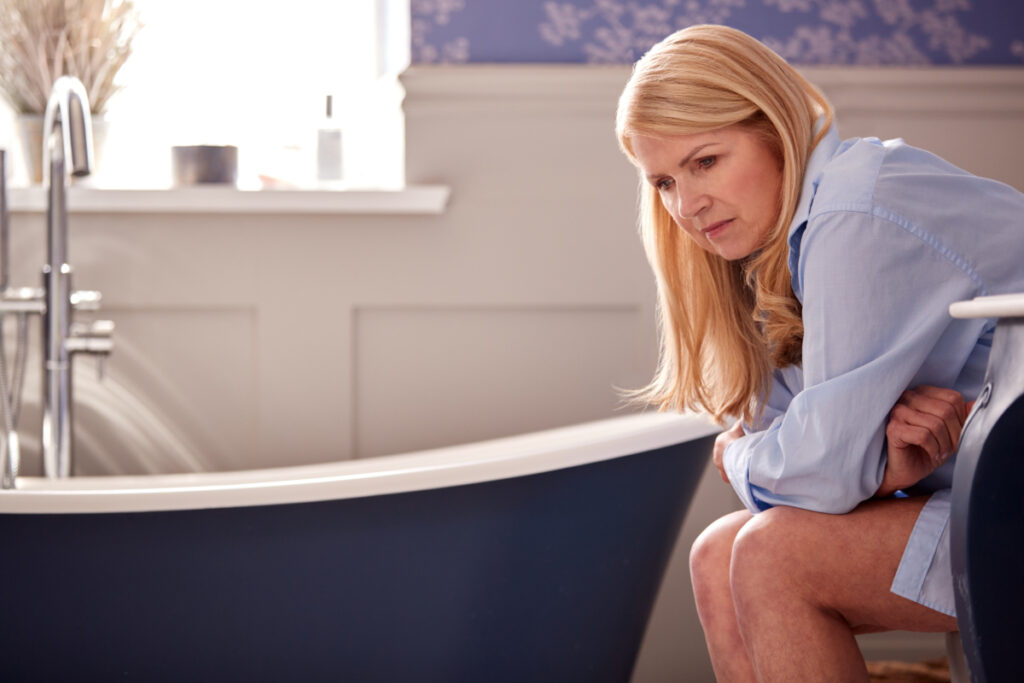
If your pelvic floor muscles are weak, you may struggle with frequent urination.
Aging, childbirth, or injuries can weaken these muscles, but targeted exercises can help strengthen them and improve bladder control.
Menopause
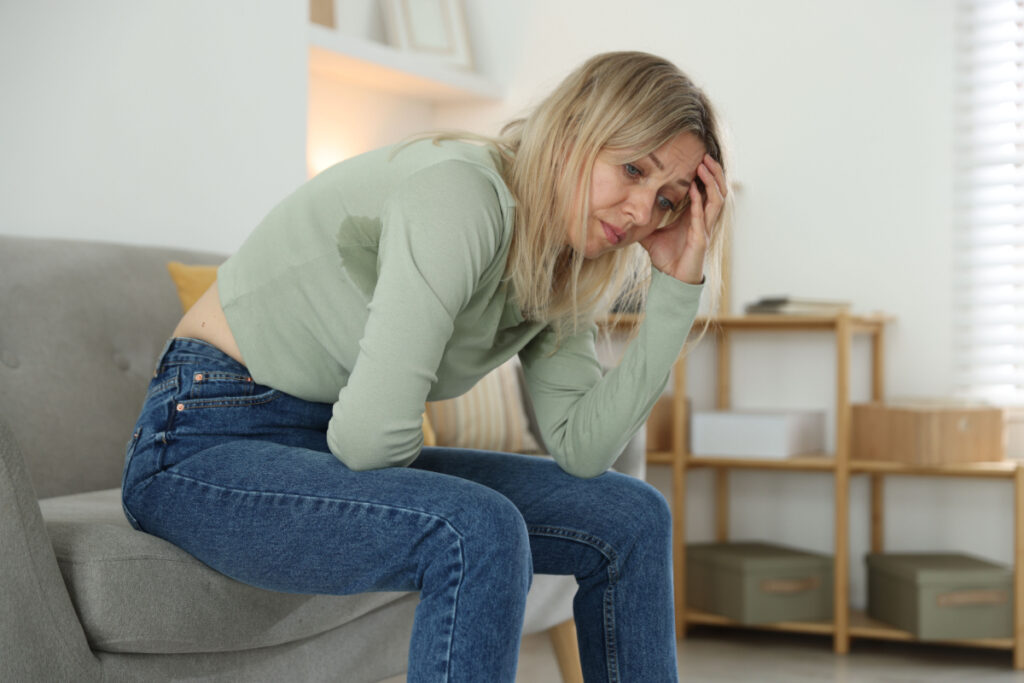
Hormonal changes during menopause can have a significant impact on bladder function.
Lower estrogen levels may cause increased urgency, dryness in the urinary tract, and a higher risk of incontinence.
Urinary tract infections
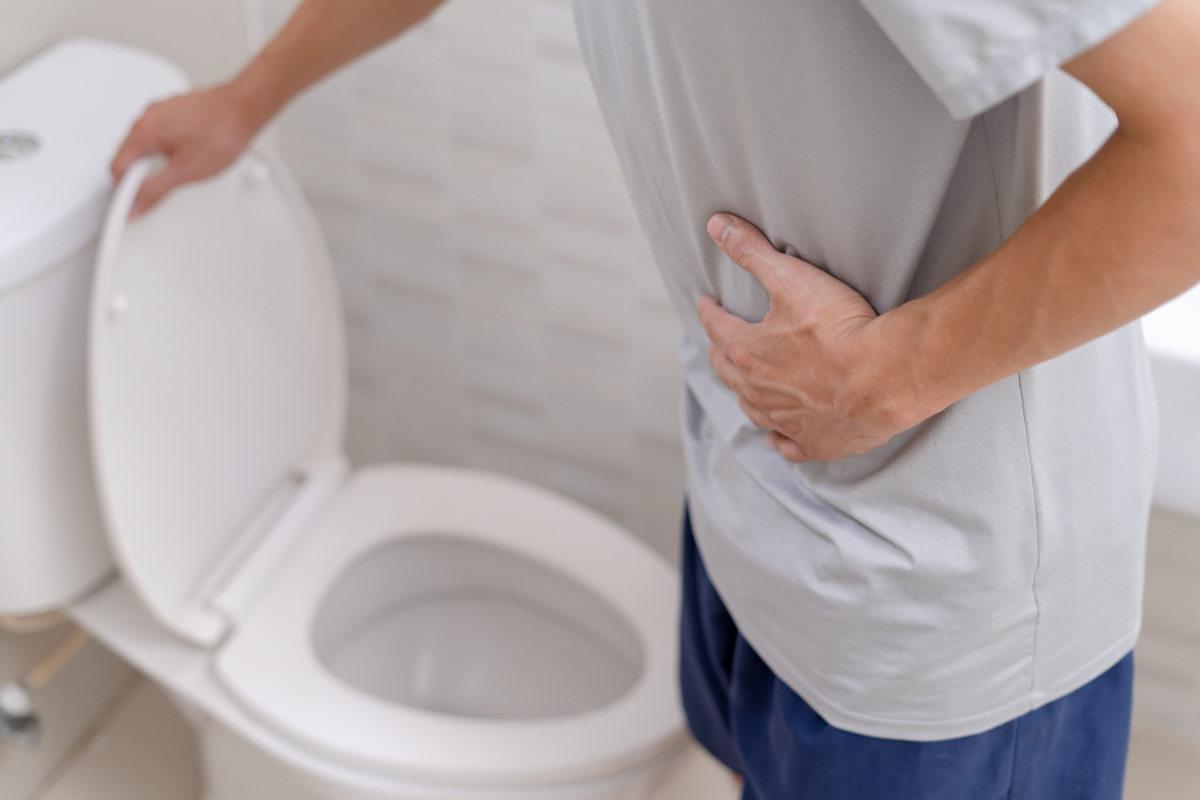
A UTI can make you feel like you constantly need to pee, often accompanied by burning, pain, and foul-smelling urine.
If you experience fever or blood in your urine, seek medical attention immediately.
Aging

As you get older, your bladder’s capacity decreases, and muscles weaken, leading to more frequent trips to the bathroom – especially at night.
While this is a natural part of aging, there are ways to manage the symptoms.
Gynecological conditions

Issues such as endometriosis or fibroids can put pressure on the bladder and affect urination.
If you also experience pain, irregular bleeding, or discomfort during sex, consult a doctor.
Diabetes
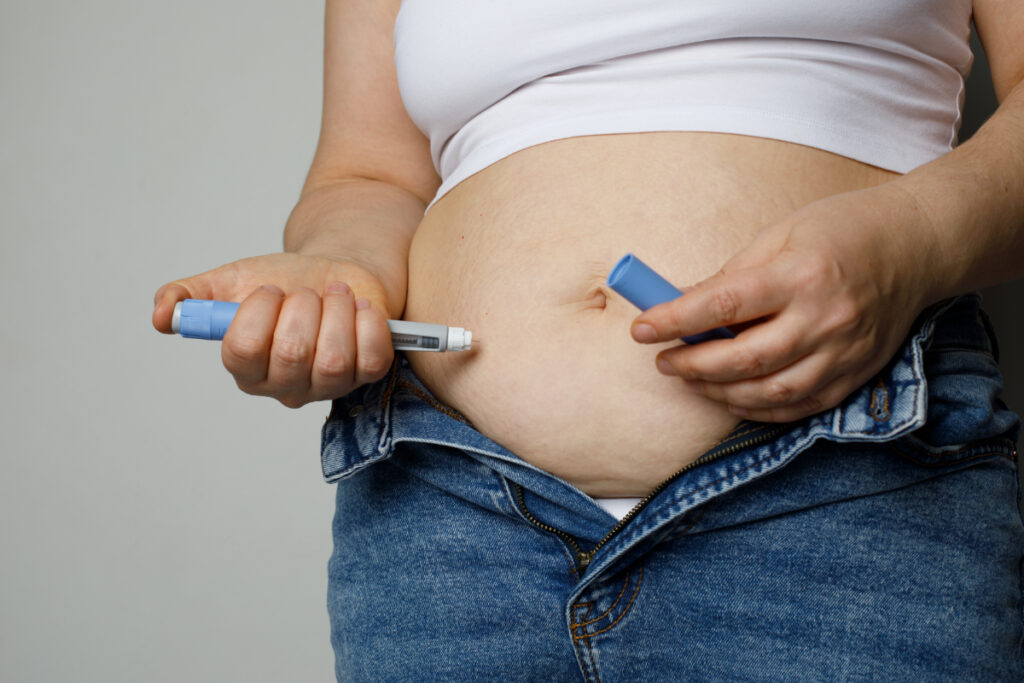
A sudden increase in urination, combined with excessive thirst, could be a warning sign of diabetes.
High blood sugar levels force the body to flush out excess glucose through urine.
Enlarged prostate
Men over 50 often experience frequent urination due to an enlarged prostate pressing on the urethra.
This can cause a weak urine stream and the feeling of incomplete bladder emptying.
Too much caffeine or alcohol

Both caffeine and alcohol have diuretic effects, irritating the bladder and increasing urination frequency.
Cutting back on these substances may help if you struggle with frequent trips to the bathroom.
Anxiety and stress
Psychological factors like stress and anxiety can trigger an increased urge to pee.
Relaxation techniques and stress management strategies may help alleviate the problem.
Overactive bladder
An overactive bladder causes sudden, strong urges to urinate, even when your bladder isn’t full.
Lifestyle changes, bladder training, and medication can often help control the condition.
This article is based on information from Daily Record.
This article is made and published by Ida-Marie Palm Varbæk, who may have used AI in the preparation.