
Strength training isn’t just for bodybuilders – it’s a crucial part of maintaining overall health.
Resistance training, whether through weights, bodyweight exercises, or resistance bands, has numerous benefits for both the body and mind.
Boosts heart health

Lifting weights improves circulation and lowers blood pressure.
Research suggests that even less than an hour of resistance training per week can significantly reduce the risk of heart disease, heart attacks, and strokes.
Increases metabolism
Muscle tissue burns more calories than fat, even at rest.
By incorporating resistance training into your routine, you boost your metabolism, making it easier to maintain or lose weight.
Strengthens bones and joints

Weightlifting stimulates bone growth and reduces the risk of osteoporosis. Stronger muscles also help support joints, lowering the risk of injury and arthritis-related pain.
Improves balance and flexibility

Contrary to the myth that strength training makes you stiff, studies show it actually enhances flexibility and balance.
This is especially important for reducing falls and injuries as you age.
Reduces anxiety and depression

Strength training has been linked to lower rates of anxiety and depression.
It helps regulate stress hormones and increases the production of endorphins, which improve mood and overall well-being.
Enhances brain function

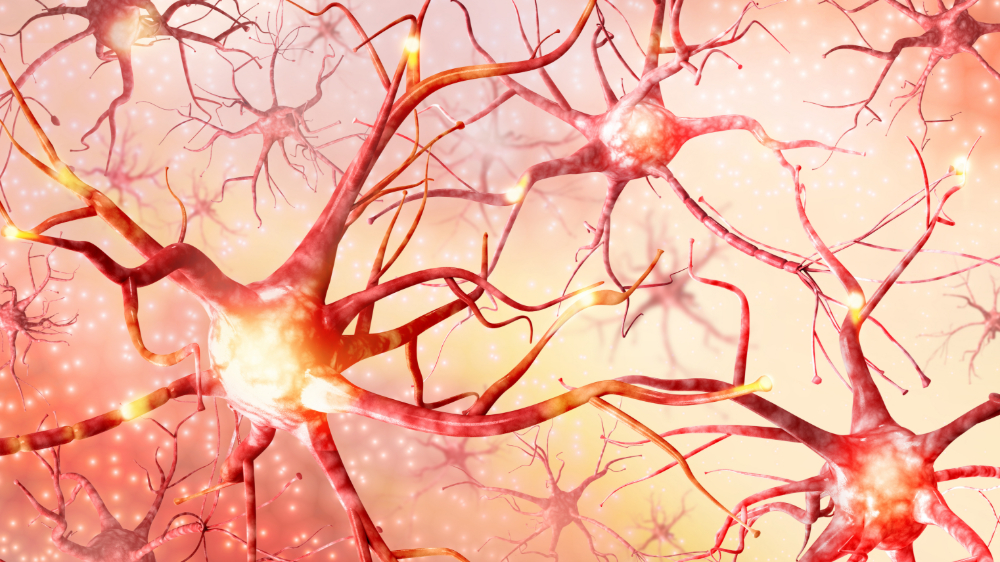
Lifting weights helps protect against cognitive decline by strengthening connections in the brain.
Studies show that resistance training may reduce the risk of neurodegenerative diseases like Alzheimer’s.
Helps regulate blood sugar
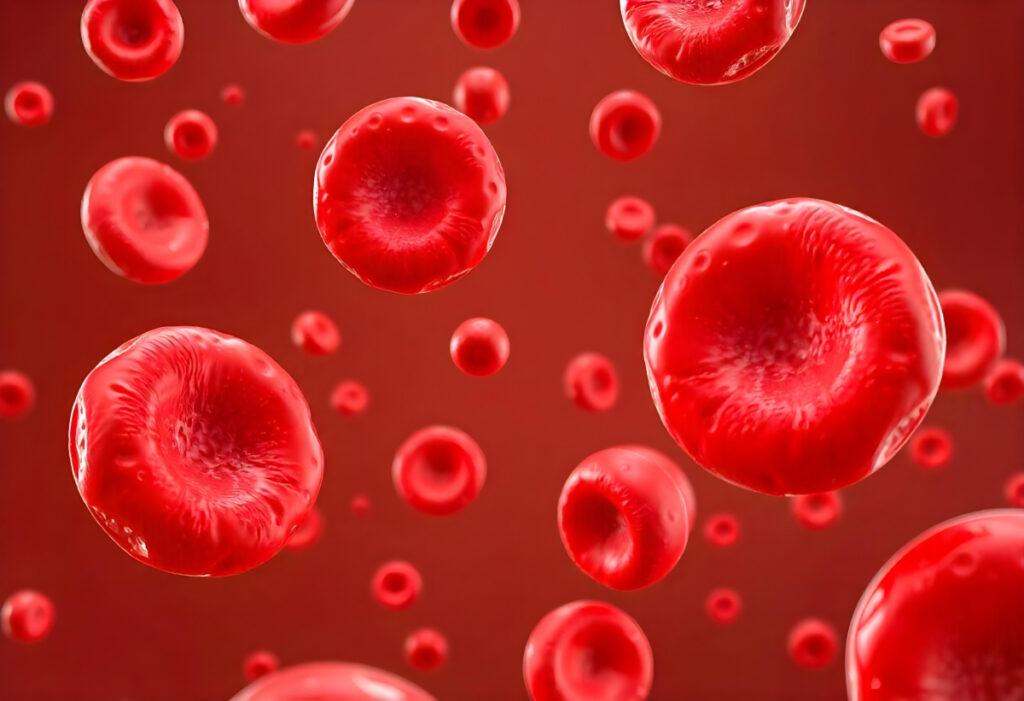
Strength training increases insulin sensitivity, allowing your body to use glucose more effectively. This can help prevent or manage type 2 diabetes.
Builds functional strength for daily life

From carrying groceries to climbing stairs, resistance training strengthens muscles used in everyday activities. This helps maintain independence, especially as you age.
Fights muscle loss with age

Muscle mass naturally declines over time, but resistance training slows this process. It combats sarcopenia, a condition that leads to frailty and reduced mobility in older adults.
Makes workouts more efficient

You don’t need hours in the gym to see results.
Resistance training can be done in short, effective sessions using bodyweight exercises, resistance bands, or free weights – all from the comfort of your home.
This article is based on information from National Geographic.
This article is made and published by Ida-Marie Palm Varbæk, who may have used AI in the preparation.