
There are many myths surrounding acne, but what is actually true, and what is pure fiction?
Here’s a breakdown of some common claims about acne, what science says, and whether they are fact or myth.
Pimples and acne are the same
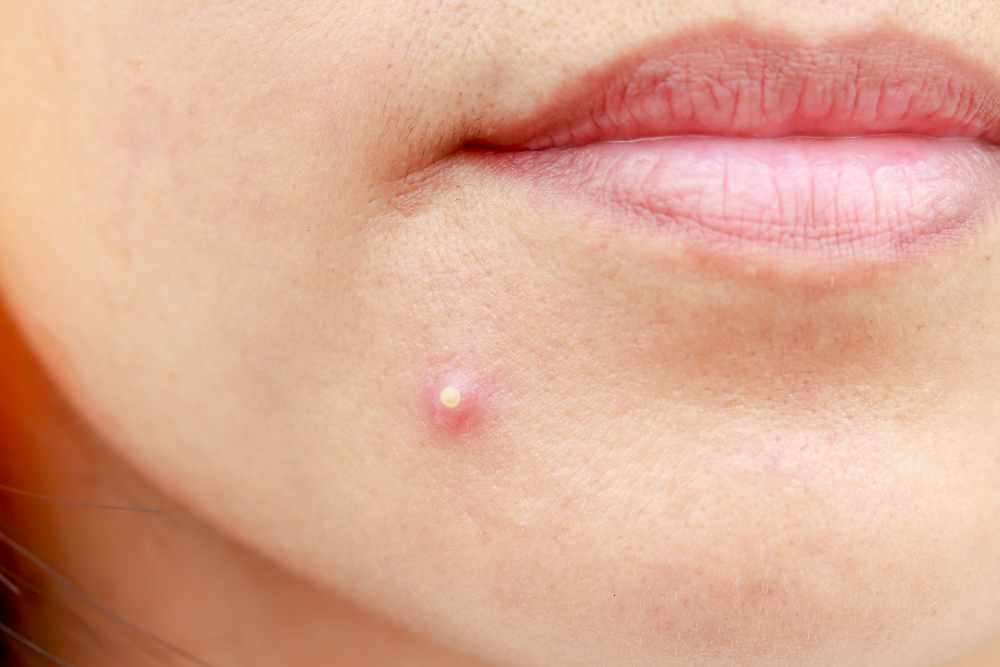
FACT! Pimples and acne are essentially the same thing. “Pimples” is the everyday term, while “acne” is the medical name (acne vulgaris).
Acne only affects teenagers
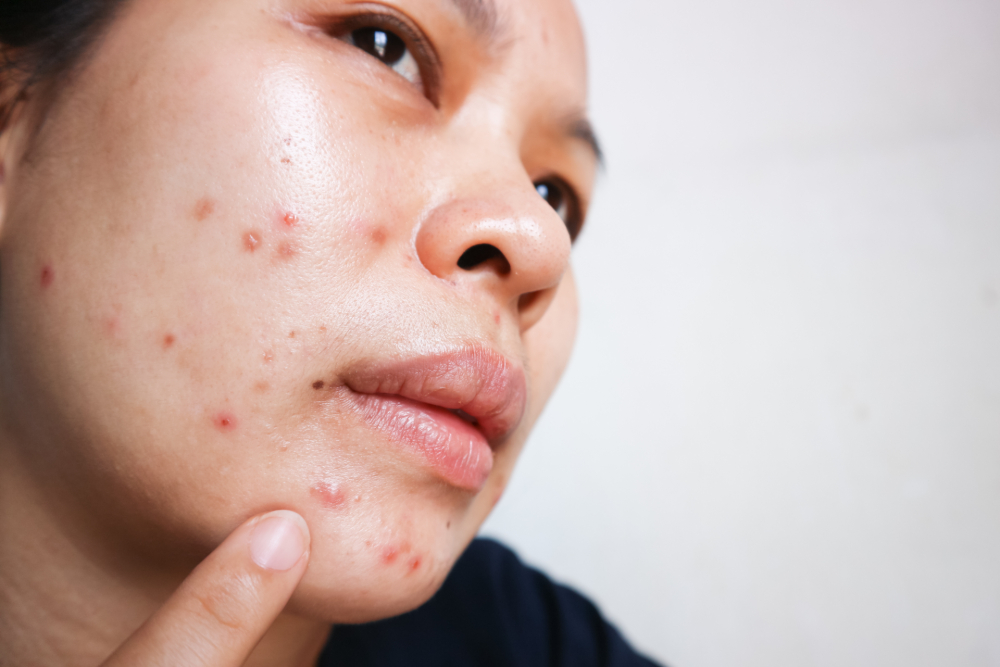
MYTH! While acne is most common during puberty, it can persist well into adulthood. Some people struggle with acne even in their 30s.
Acne is caused by poor hygiene
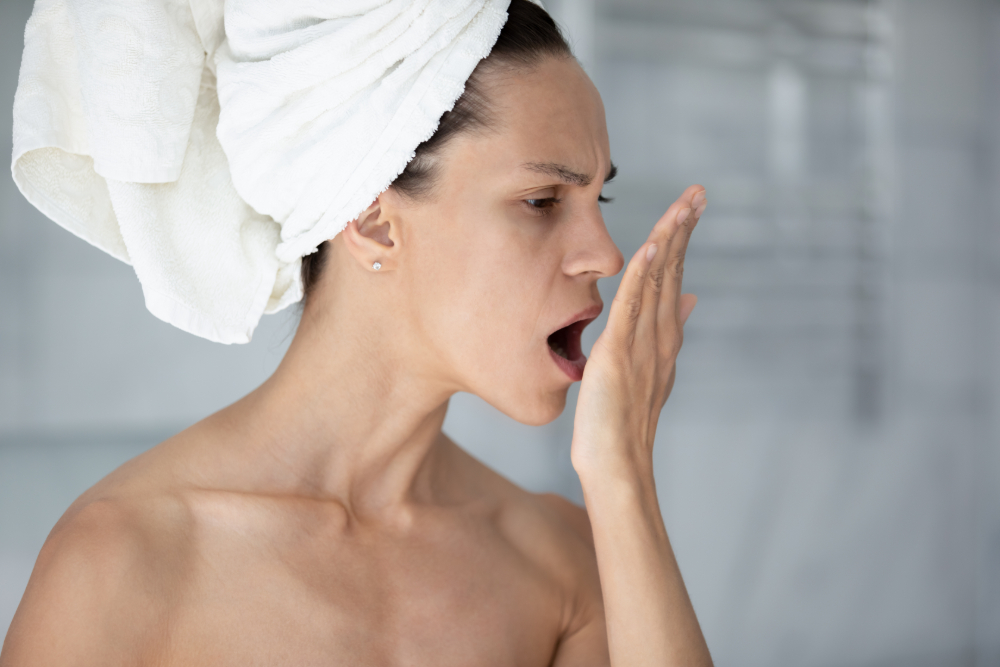
MYTH! Acne has nothing to do with how clean your skin is. It’s caused by excess oil production, which clogs pores and leads to inflammation.
Drinking milk causes acne
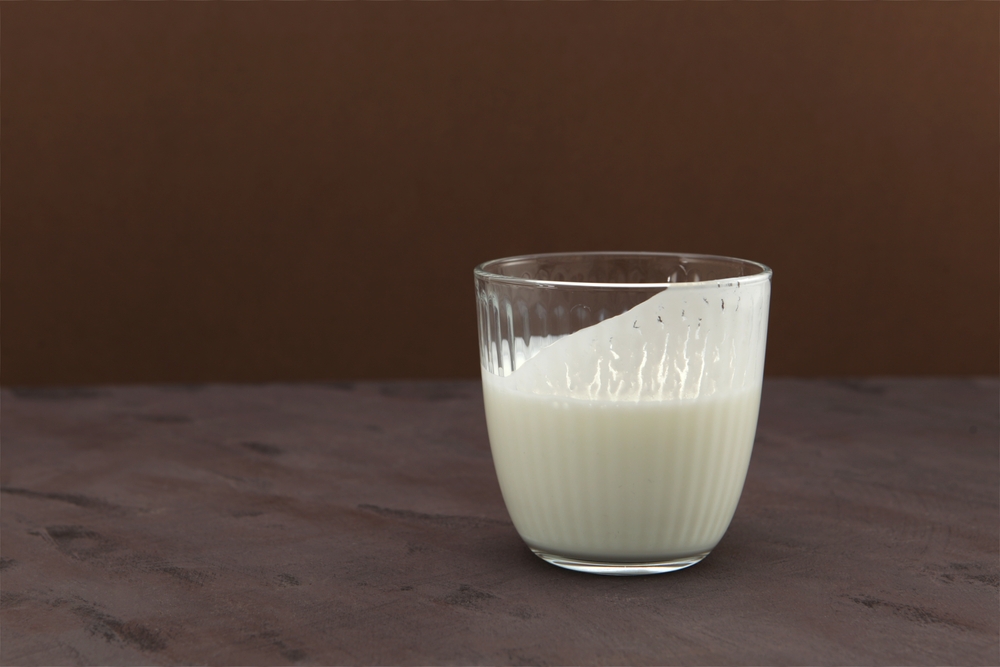
MYTH! There is no scientific proof that milk or any specific food directly causes acne. However, maintaining a healthy diet can contribute to better skin health.
Picking at acne makes it worse
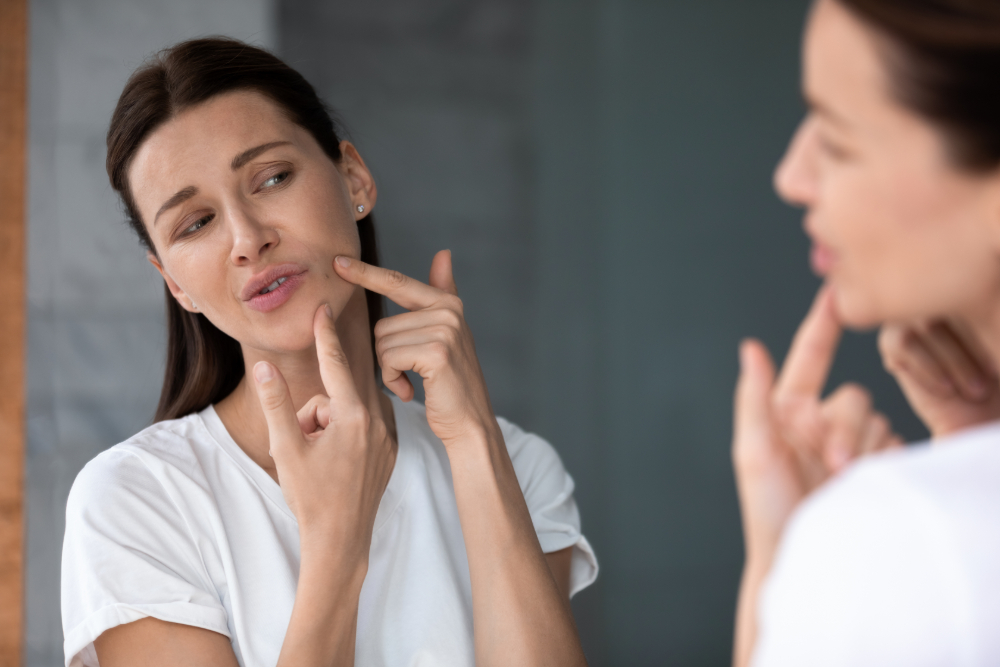
FACT! Squeezing and picking at pimples can aggravate inflammation and lead to scarring.
It’s better to use proper treatments recommended by a pharmacist or doctor.
Acne cannot be treated

MYTH! Acne is treatable! There are both over-the-counter and prescription treatments available, depending on the severity of the condition.
Consult a doctor for the best solution.
Scrubbing your skin helps with acne
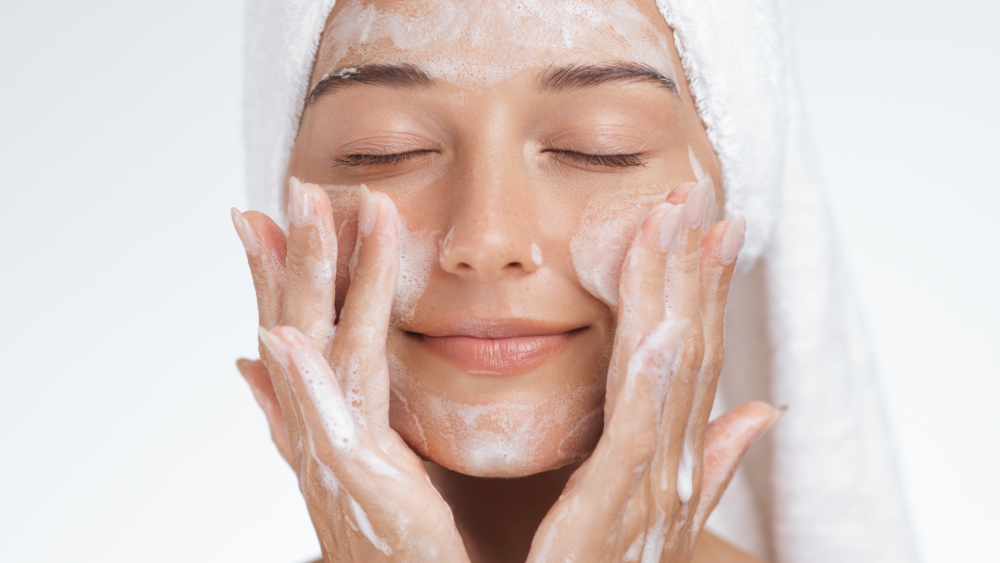
FACT! Harsh scrubbing can actually make acne worse by irritating the skin. Instead, wash your face gently with a mild cleanser that has a pH of around 6.5.
Oily creams make acne worse
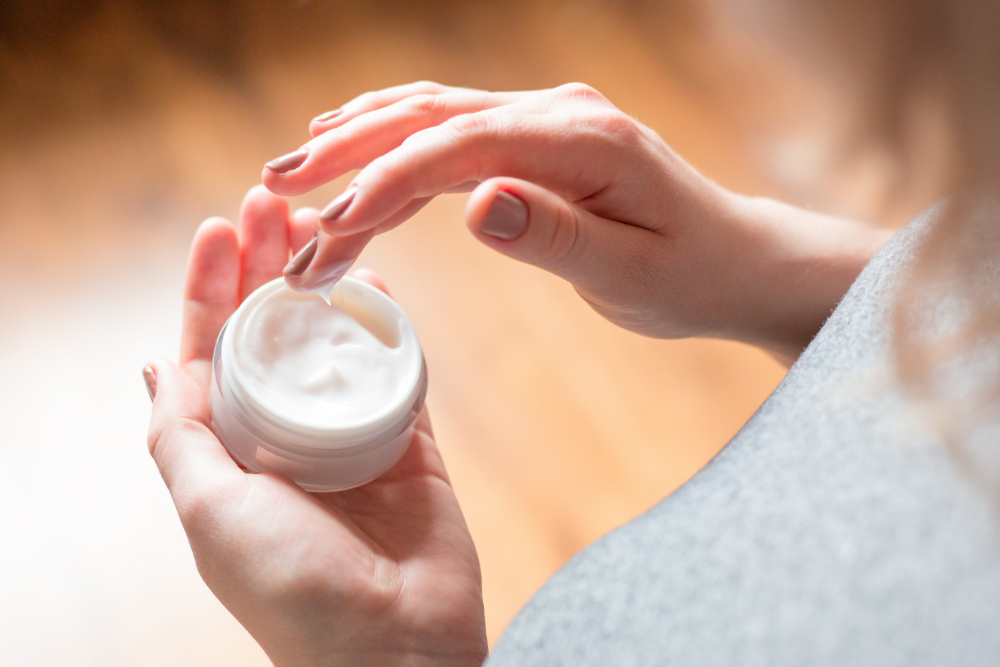
FACT! Heavy, oil-based creams can clog pores and worsen acne. It’s best to use water-based skincare products and non-comedogenic makeup.
Acne is contagious
MYTH! Acne is not contagious. It is caused by excess oil production in the skin’s sebaceous glands, not by a bacteria or virus that spreads from person to person.
Acne is hereditary

FACT! If your parents had acne, you are more likely to develop it too. Genetics play a significant role in determining how prone you are to acne.
This article is based on information from Netdoktor.dk.
This article is made and published by Ida-Marie Palm Varbæk, who may have used AI in the preparation.