
We love adding garlic to our food, but can this pungent ingredient actually prevent illnesses and clear up acne?
Here’s a breakdown of some of the most common garlic myths – and whether there’s any truth to them.
Garlic prevents colds
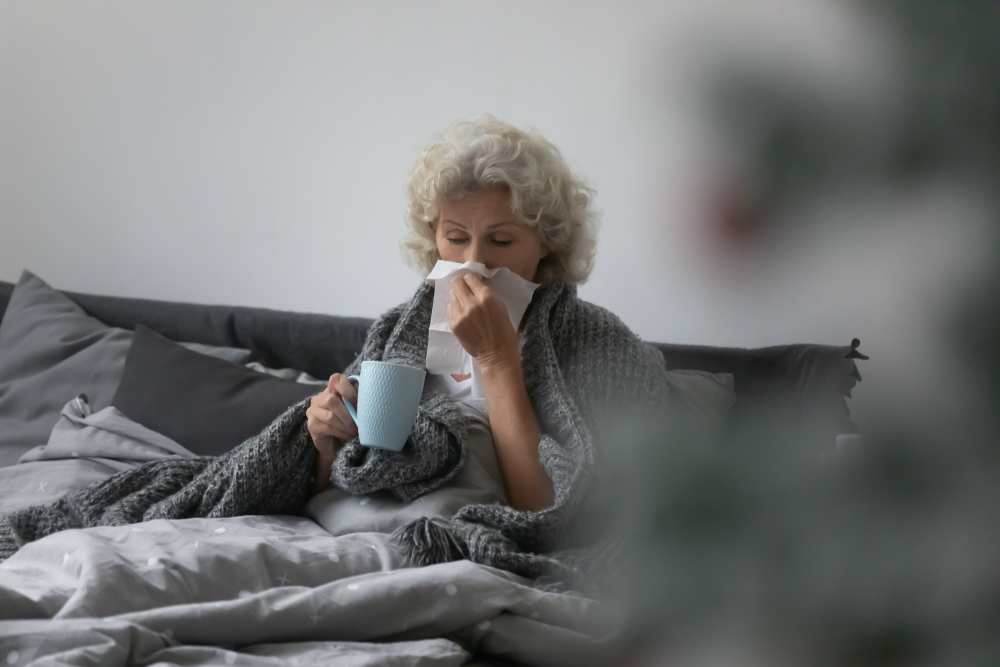
This claim is not scientifically proven.
While garlic contains compounds that may support the immune system against bacteria, there is no clear evidence that it can fight off viruses, which are the most common cause of colds.
Garlic helps with heart disease

No, there is no scientific proof that garlic can widen blood vessels or lower blood pressure significantly.
The Heart Association does not recommend garlic as a treatment for heart conditions.
Garlic is stronger when crushed
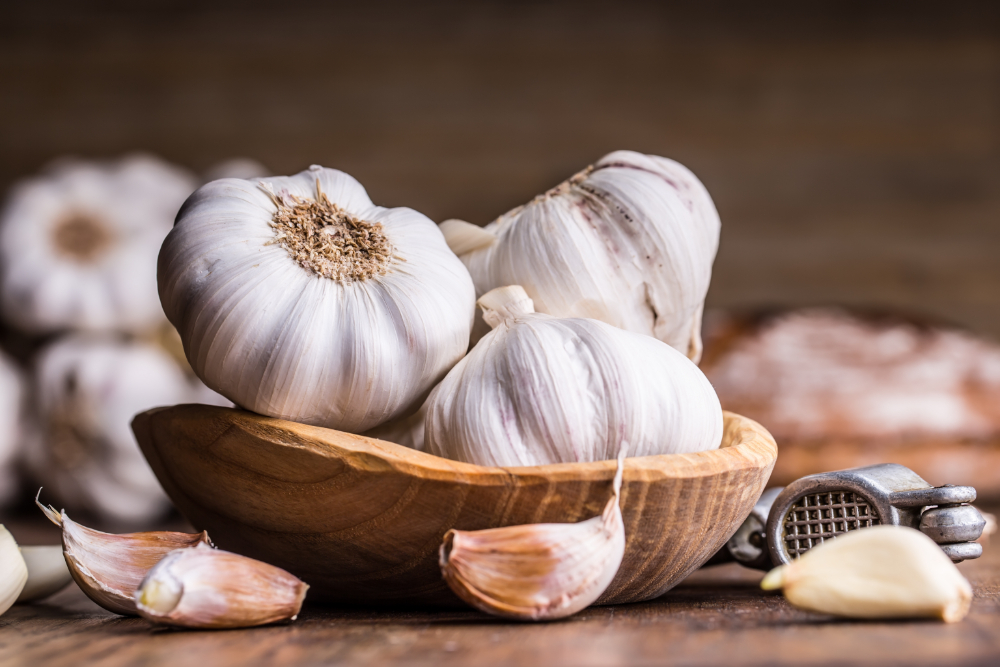
Yes, this is true. Crushing garlic releases more juices and sulfur compounds, enhancing its flavor compared to chopping it.
Garlic in breast milk upsets babies’ stomachs

No scientific evidence supports this claim. While garlic’s flavor can pass into breast milk, there’s no proof that it causes digestive issues for babies.
Garlic repels mosquitoes
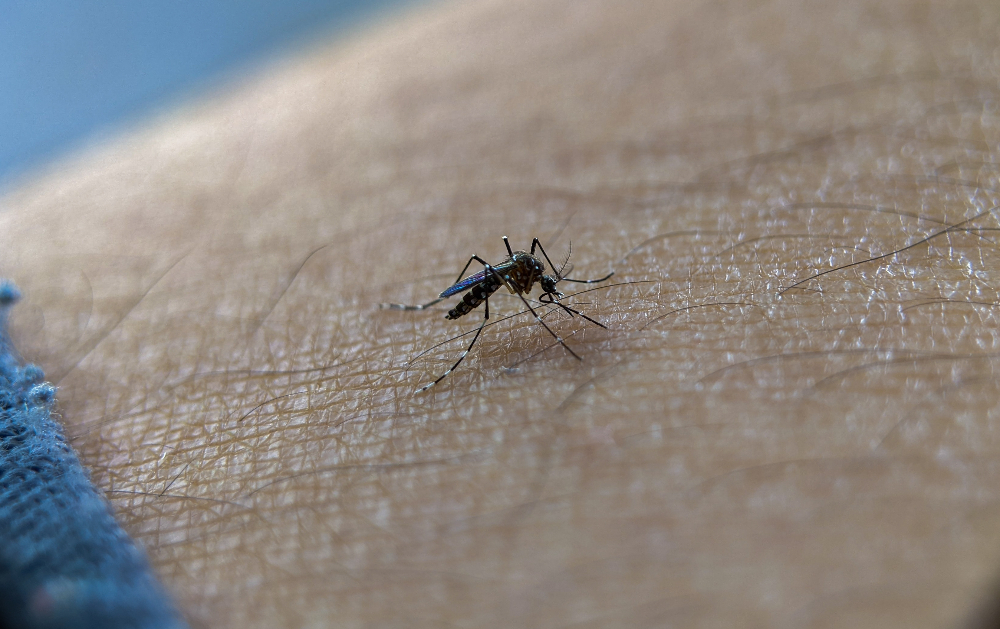
No, mosquitoes might avoid strong smells, but there is no solid research proving that garlic works as an effective mosquito repellent.
Garlic juice clears acne
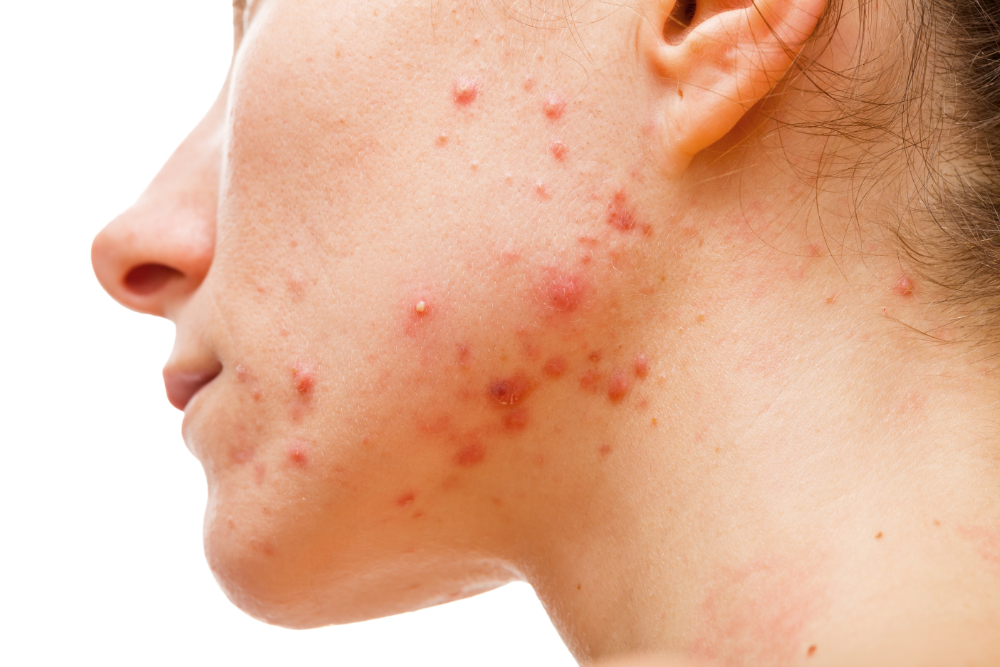
No, there is no scientific study confirming that garlic can treat acne. In fact, applying garlic directly to the skin may cause irritation rather than help with breakouts.
Garlic boosts the immune system

Maybe. Garlic contains sulfur-based compounds that might support the immune system, but research has yet to confirm any definitive effect.
Garlic protects against cancer

There is no direct evidence that garlic can prevent cancer. Some studies suggest that certain garlic compounds may have beneficial effects on cells, but more research is needed.
Garlic causes bad breath
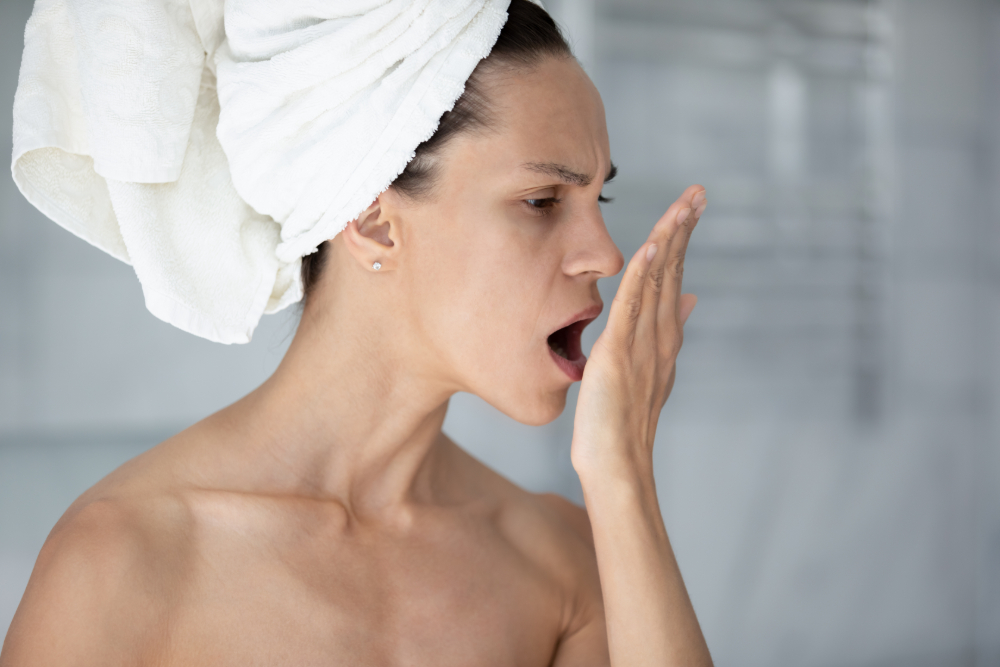
Yes, garlic contains sulfur compounds that can lead to bad breath. These compounds are absorbed into the bloodstream and can even be released through the skin.
Garlic has antibacterial properties
Partially true. Garlic contains allicin, which has antibacterial properties, but not at levels that would make it a replacement for medical treatments.
This article is based on information from Samvirke.dk.
This article is made and published by Ida-Marie Palm Varbæk, who may have used AI in the preparation.