
Many people experience vision deterioration as they age, which is often linked to genetic factors and natural bodily changes.
However, maintaining a diet rich in specific nutrients can help preserve eye health.
Grapes
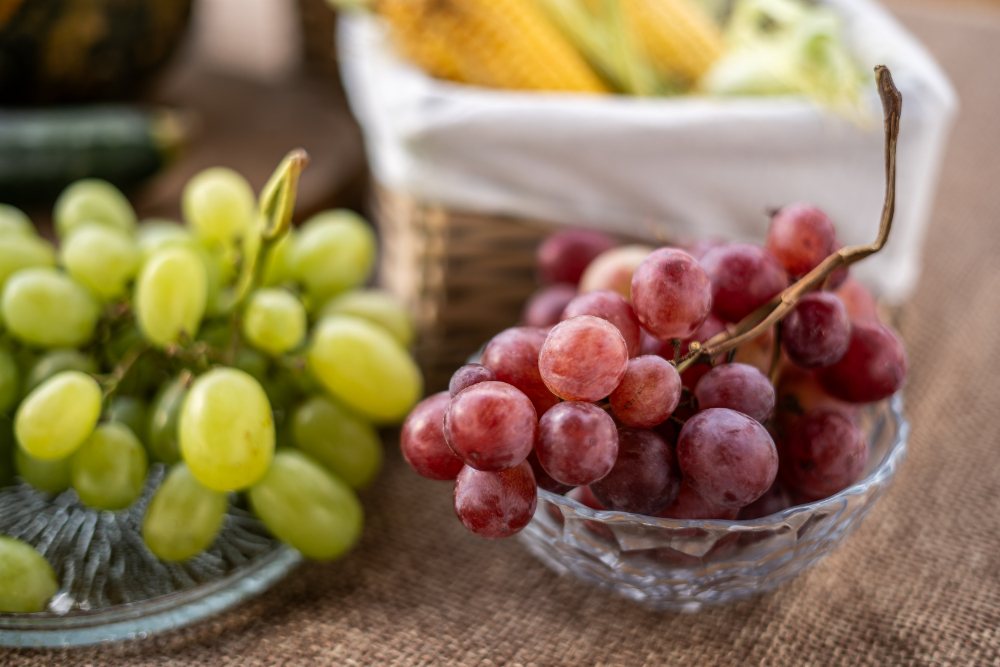
A study found that consuming a cup of grapes daily for 16 weeks significantly improved macular pigment optical density (MPOD), a key factor in eye health.
Grapes are packed with antioxidants that help combat oxidative stress, reducing the risk of vision decline.
Carrots
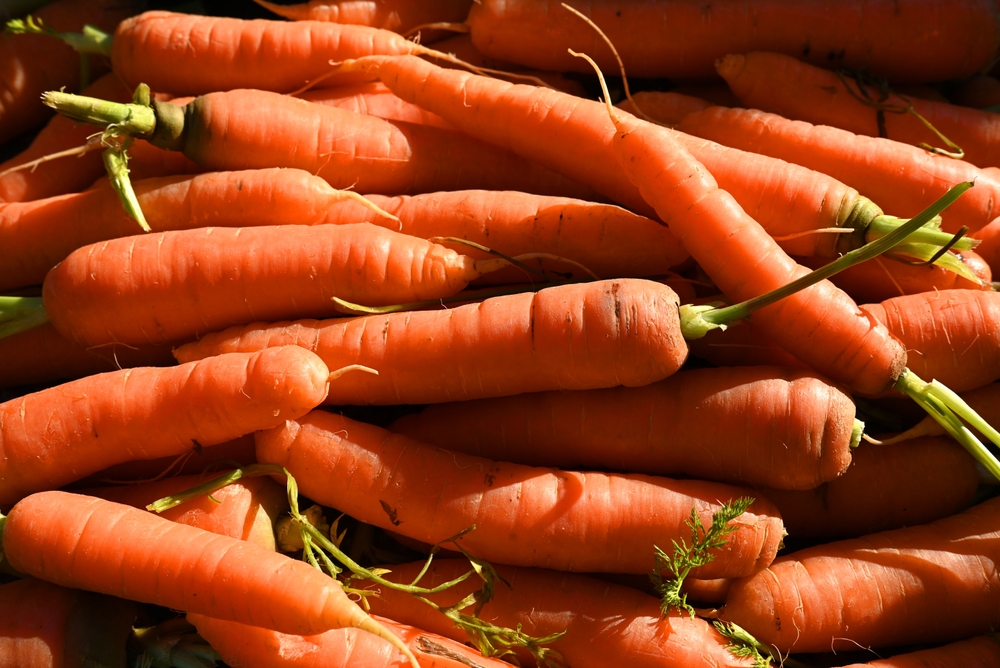
Carrots are rich in beta-carotene, which the body converts into vitamin A. This vitamin is essential for maintaining good vision and preventing night blindness.
Sweet potatoes
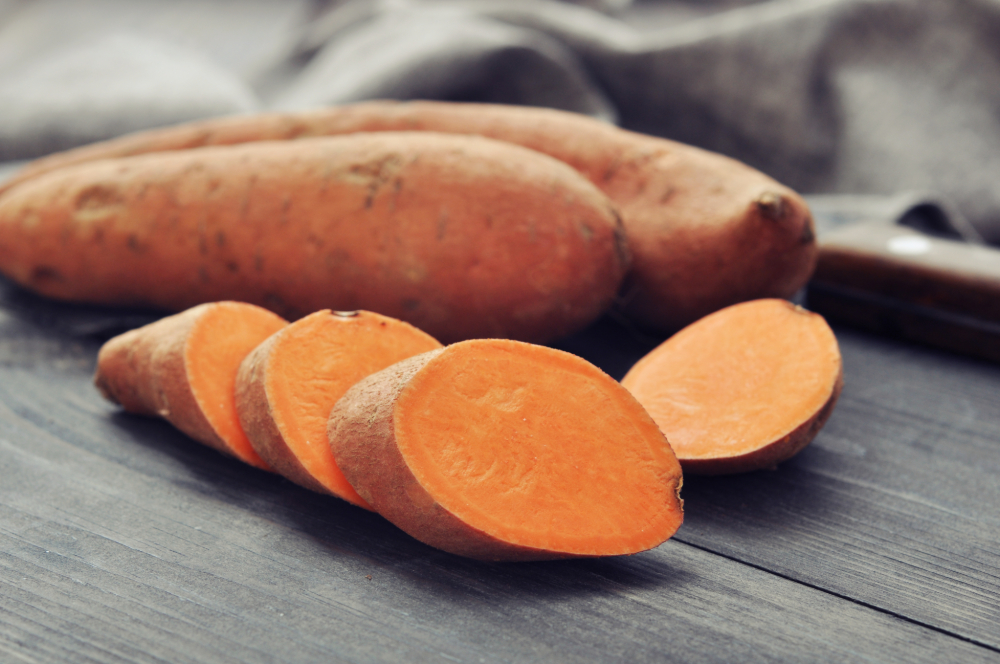
Like carrots, sweet potatoes are high in beta-carotene and provide a natural source of vitamin A, helping to protect the cornea and overall eye function.
Citrus fruits
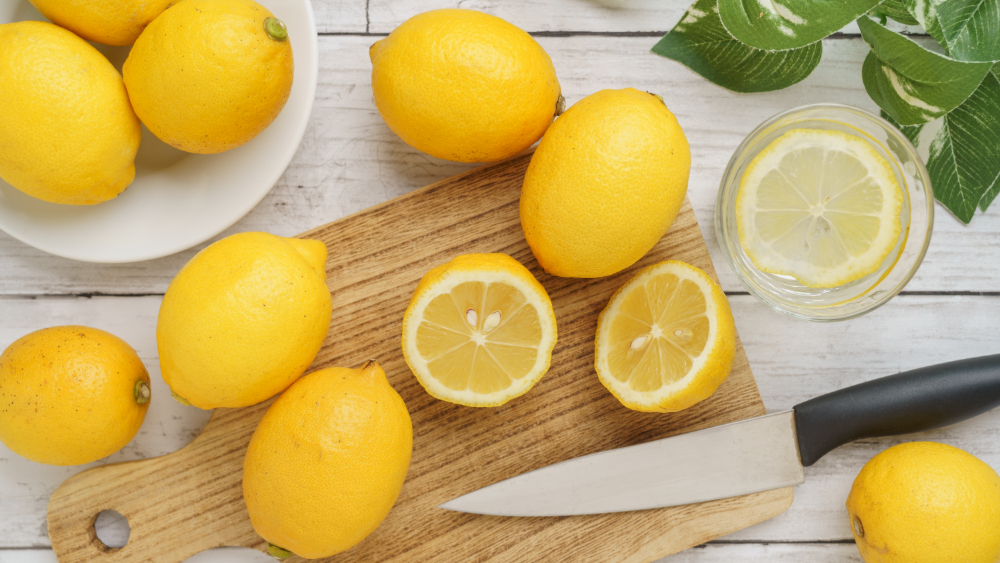
Oranges, grapefruits, and lemons contain high levels of vitamin C, an antioxidant that supports blood vessels in the eyes and reduces the risk of cataracts.
Bell peppers

Bell peppers are one of the best sources of vitamin C and also contain beta-carotene. Their nutrient combination supports healthy vision and helps prevent eye diseases.
Tomatoes
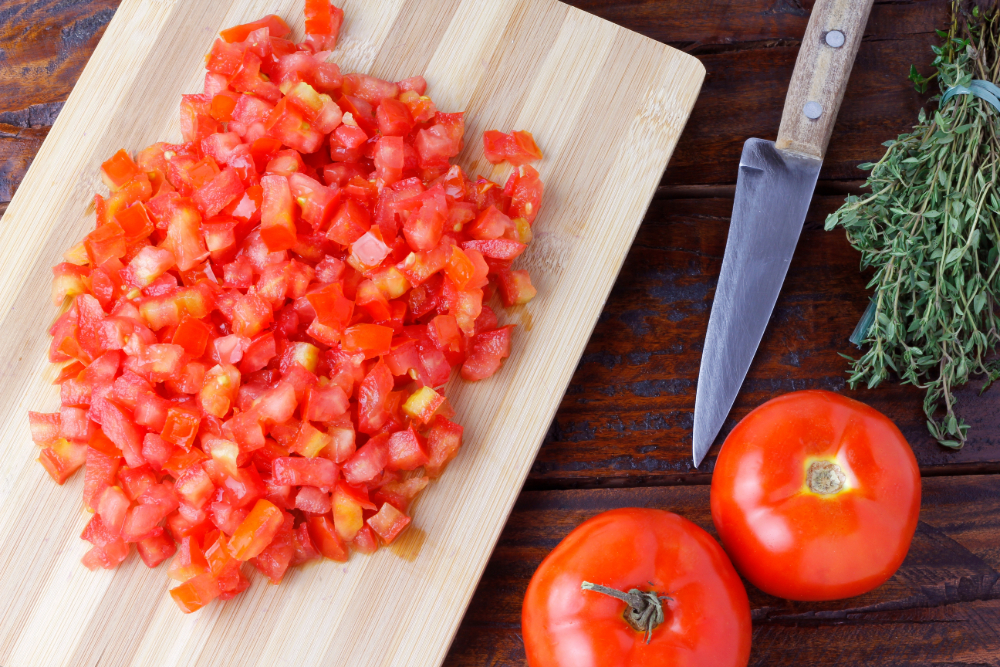
Tomatoes are loaded with lycopene, an antioxidant that helps protect the eyes from light-induced damage and oxidative stress.
They also provide vitamin C, which strengthens eye tissues.
Strawberries
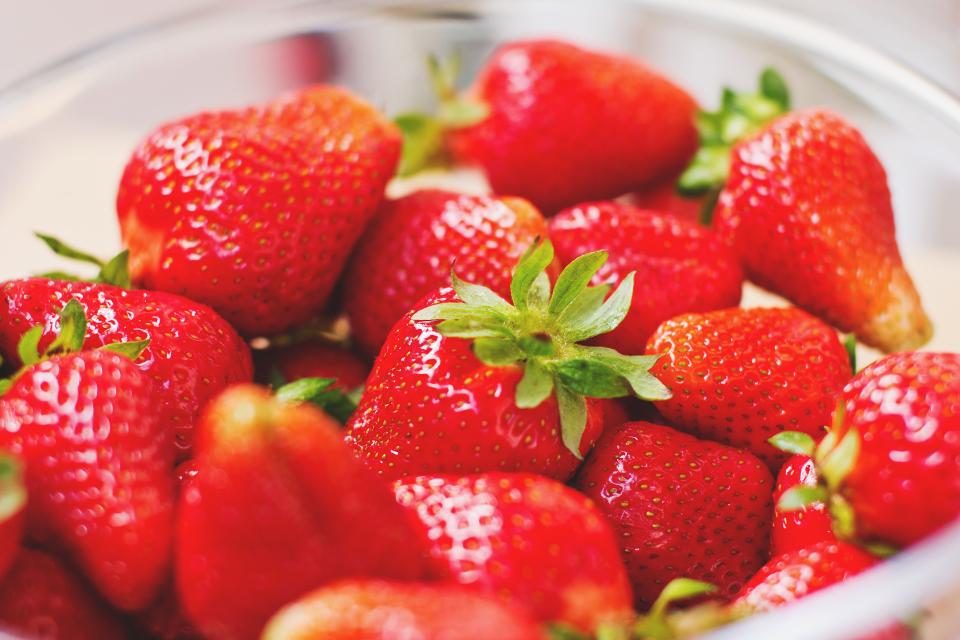
Strawberries are another great source of vitamin C, which helps reduce inflammation and prevent age-related macular degeneration (AMD).
Almonds
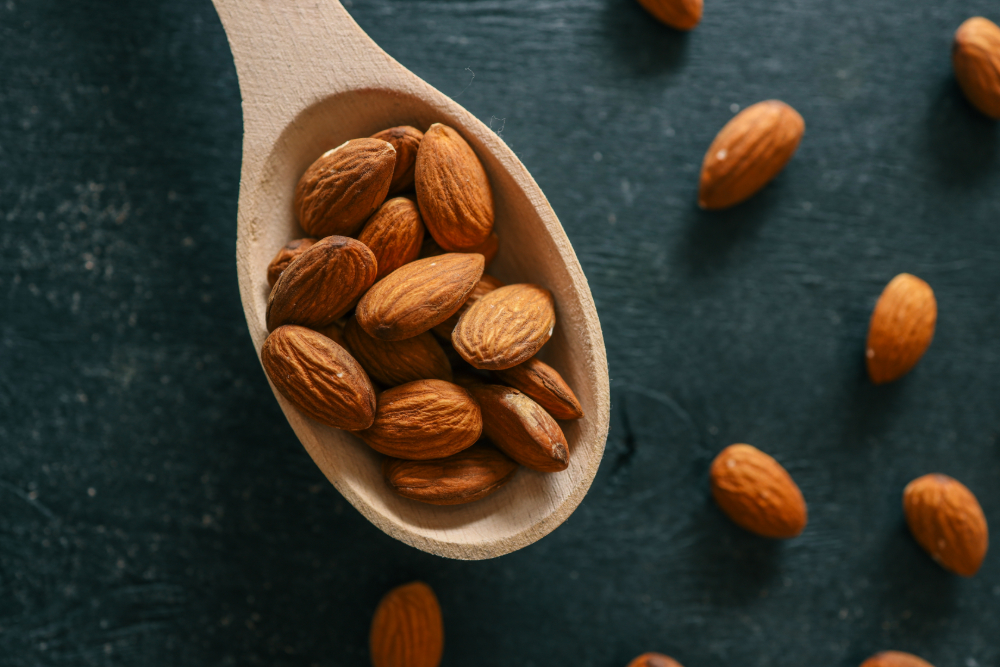
Almonds are rich in vitamin E, a powerful antioxidant that can slow down age-related vision problems and protect cells from damage.
Avocados
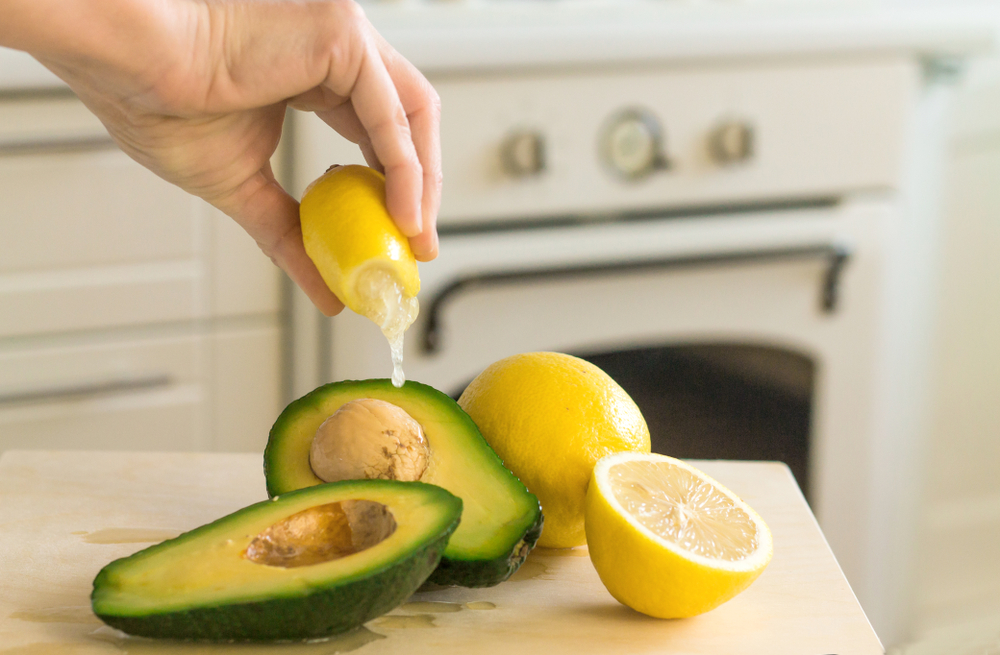
Avocados contain lutein and zeaxanthin, two antioxidants that are known to reduce the risk of cataracts and macular degeneration by filtering harmful blue light.
Sunflower seeds
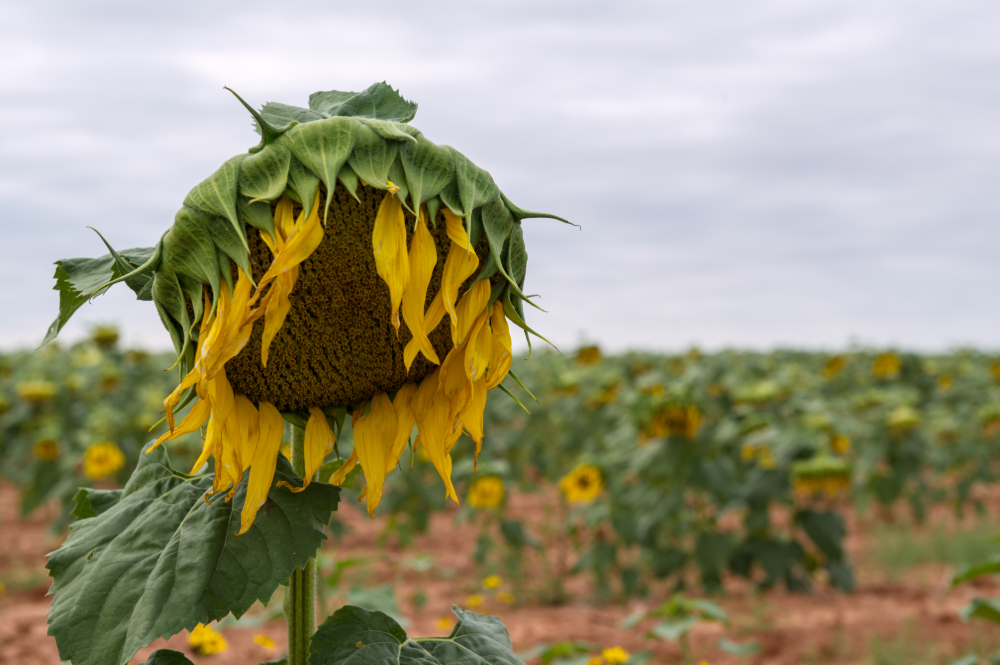
Sunflower seeds are packed with vitamin E, which plays a crucial role in protecting eye cells from damage caused by free radicals.
Fatty fish
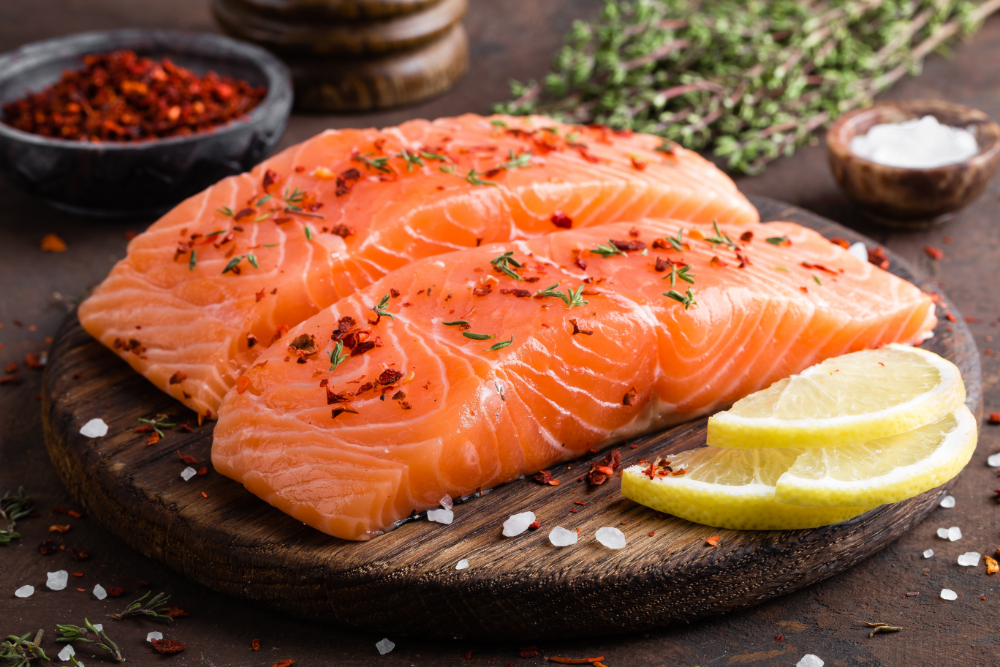
Salmon, mackerel, and sardines are excellent sources of omega-3 fatty acids, which help maintain the health of the retina and reduce dry eye syndrome.
Leafy greens
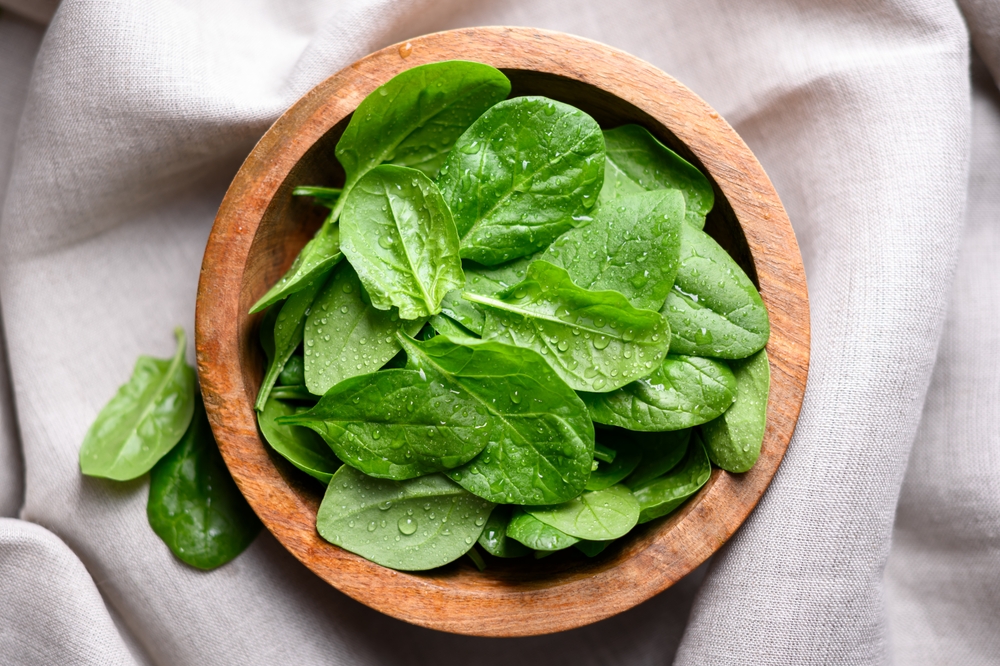
Spinach and kale chard are loaded with lutein and zeaxanthin, which help shield the eyes from harmful light exposure and slow down vision loss.
This article is based on information from Pensionist.
This article is made and published by Ida-Marie Palm Varbæk, who may have used AI in the preparation.