
A Walk a Day Keeps the Doctor Away – Here’s Why

Date:

Share this article:

Del denne artikel:

Walking is one of the simplest and most effective ways to improve your overall health.

Unlike high-intensity workouts, walking is a low-impact exercise that’s easy to incorporate into your routine and requires no special equipment.

Here are some of the many benefits of walking that might inspire you to get moving today.

Strengthen your muscles

Photo: Shutterstock.com

Walking engages and strengthens your leg and glute muscles, helping to build endurance over time.

If you add hills or stairs to your walk, you can increase muscle growth and improve your overall strength.

Control your appetite

Photo: Shutterstock.com

Unlike intense workouts that can leave you ravenous, walking keeps blood sugar levels stable, helping you manage cravings and avoid overeating.

Burn calories and lose weight
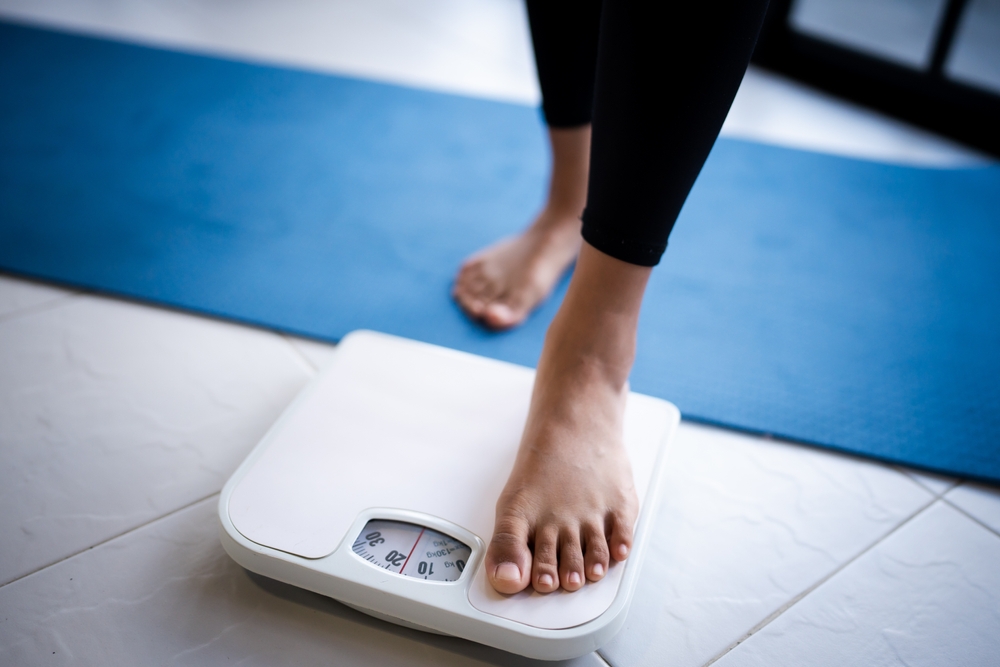
Photo: Shutterstock.com

A brisk walk helps with weight loss by burning calories.

Walking 10,000 steps a day burns roughly 300 calories, though factors like weight and pace can influence this number.

Improve sleep quality

Male Sleeping
Foto: Pexels

Daily walks can enhance sleep, with research showing that people who walk more tend to sleep better, particularly women.

A low-impact exercise

Photo: Shutterstock.com

Unlike running or high-intensity workouts, walking is gentle on the body, making it a sustainable exercise option that can be done daily without the need for recovery days.

Reduce food cravings

Photo: Shutterstock.com

A short 15-minute walk can significantly reduce cravings for sugary snacks, helping to curb unhealthy eating habits.

Boost creativity

Photo: Shutterstock.com

Walking can stimulate creative thinking. Studies from Stanford University suggest that people are more creative while walking than when sitting still.

A social activity

Photo: Shutterstock.com

Walking is an easy way to stay active while socializing with friends, family, or colleagues, making it a great alternative to traditional social gatherings.

Improve fitness with intervals
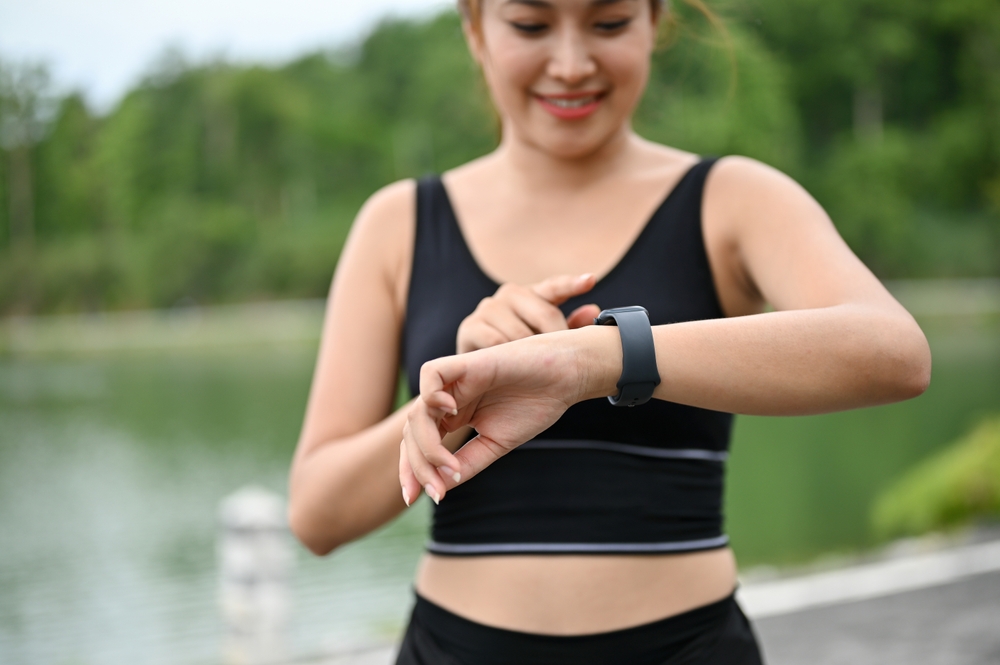
Woman with fitness watch
Photo: Shutterstock.com

Adding short bursts of fast walking or uphill climbs can boost cardiovascular fitness, making walking an effective workout.

Improve your mood

Photo: Shutterstock.com

Walking in nature has been shown to reduce stress, anxiety, and negative thoughts, leading to a more positive outlook on life.

This article is based on information from iForm.

This article is made and published by Ida-Marie Palm Varbæk, who may have used AI in the preparation.

Other articles

Popular menopause treatment linked to more frequent and longer migraines, new study finds

A major review involving nearly 24,000 women suggests that hormone therapy may be linked to more frequent and longer-lasting migraines. But researchers found no significant increase in pain severity, and experts say women should not rush to stop their treatment.

What pregnant women eat may affect their baby’s health, and one food stood out in a new study

A Harvard-led study involving more than 1,300 mothers has uncovered a surprising connection between pregnancy diets and two common conditions in babies. Researchers found that women who ate more seafood and followed a Mediterranean-style diet were less likely to have infants who developed both colic and eczema.

Ozempic-style drugs linked to 24% lower psychiatric hospitalization risk in major study

A major study involving more than 70,000 Americans has uncovered a surprising connection between popular diabetes drugs and mental health. Patients taking GLP-1 medications were less likely to require emergency psychiatric care, but researchers warn that the findings do not prove the drugs treat schizophrenia.

Menopause before 40 may carry a hidden heart risk

Women who experience menopause before the age of 40 may face a greater risk of heart disease, according to new research involving more than 4,700 women. Scientists have also identified a possible explanation involving insulin levels, even when blood sugar appears normal.

Popular menopause treatment linked to more frequent and longer migraines, new study finds

A major review involving nearly 24,000 women suggests that hormone therapy may be linked to more frequent and longer-lasting migraines. But researchers found no significant increase in pain severity, and experts say women should not rush to stop their treatment.

What pregnant women eat may affect their baby’s health, and one food stood out in a new study

A Harvard-led study involving more than 1,300 mothers has uncovered a surprising connection between pregnancy diets and two common conditions in babies. Researchers found that women who ate more seafood and followed a Mediterranean-style diet were less likely to have infants who developed both colic and eczema.

Ozempic-style drugs linked to 24% lower psychiatric hospitalization risk in major study

A major study involving more than 70,000 Americans has uncovered a surprising connection between popular diabetes drugs and mental health. Patients taking GLP-1 medications were less likely to require emergency psychiatric care, but researchers warn that the findings do not prove the drugs treat schizophrenia.