
Some foods provide essential nutrients along with their calorie content, others are packed with sugar and unhealthy fats but offer little to no nutritional value.
These are known as empty calories, and consuming too many of them can lead to weight gain, inflammation, and chronic diseases.
Here are some common sources of empty calories you should watch out for.
Soda and sugary drinks

Soft drinks, fruit punches, and energy drinks are loaded with added sugars and have zero essential nutrients.
Regular consumption can lead to weight gain and an increased risk of diabetes.
Candy and sweets

From chocolate bars to gummy bears, most candies contain high amounts of refined sugar and artificial ingredients while lacking fiber, protein, or vitamins.
Fast food burgers and fries

While they might be convenient, these meals are often packed with unhealthy fats, sodium, and preservatives, providing more calories than nutrients.
Potato chips and snack foods
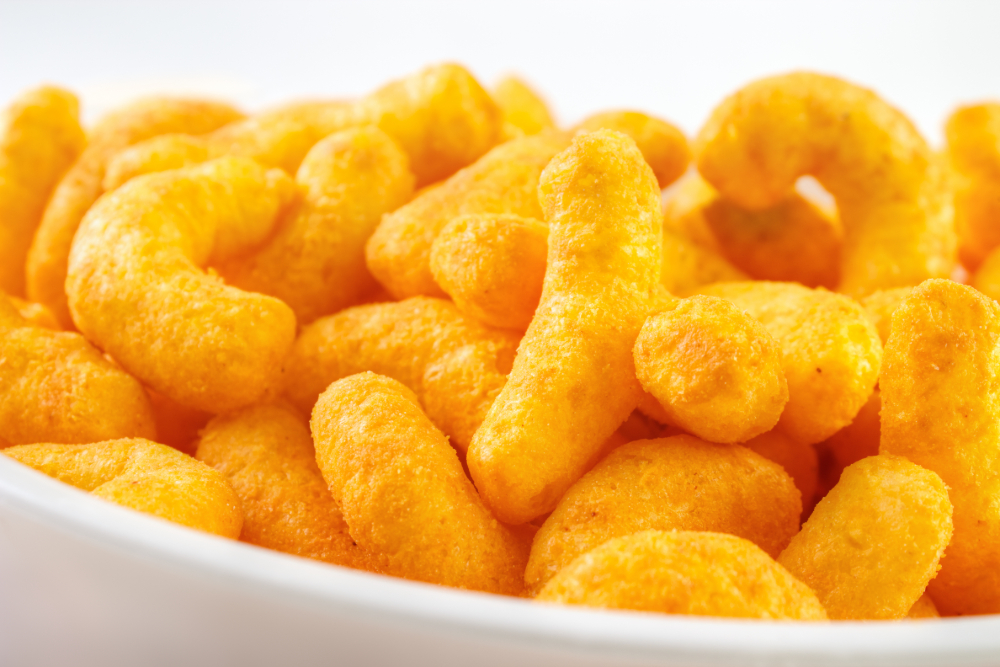
Chips, cheese puffs, and other processed snacks are high in trans fats and sodium, making them a major source of empty calories with little to no nutritional benefit.
Baked goods and pastries
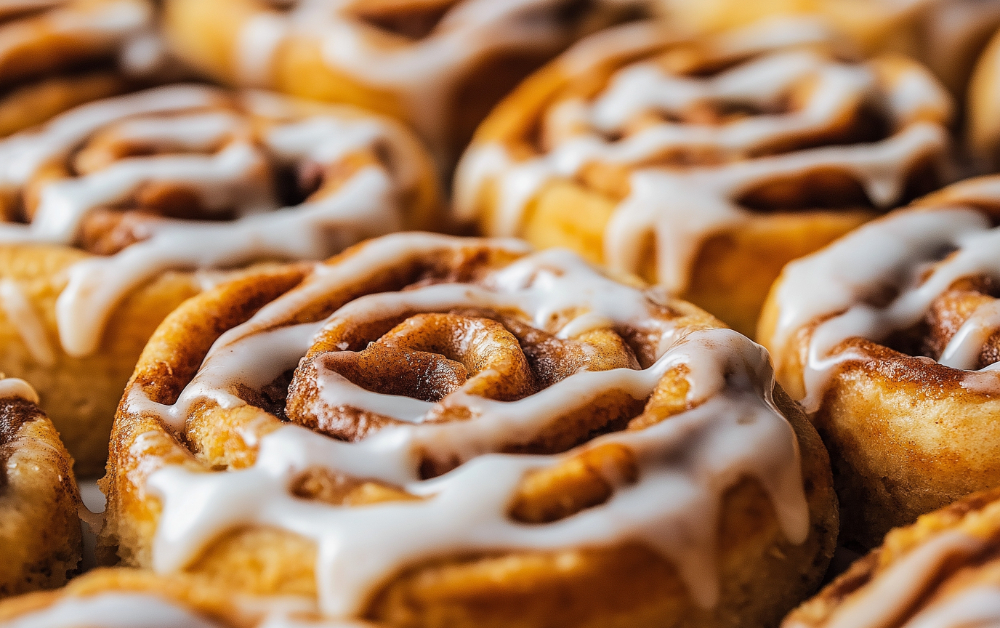
Doughnuts, cakes, and cookies are full of refined sugars and unhealthy fats. They provide a quick energy spike but leave you feeling hungry soon after.
White bread and refined grains

Unlike whole grains, white bread and pasta have been stripped of fiber and essential nutrients, making them a less nutritious choice.
Ice cream and frozen desserts

Though delicious, ice cream is loaded with sugar and unhealthy fats. While it contains some calcium, the high calorie count outweighs its minimal benefits.
Processed meats

Bacon, sausages, and hot dogs are high in saturated fats and sodium, contributing to heart disease and high blood pressure.
Sweetened cereals
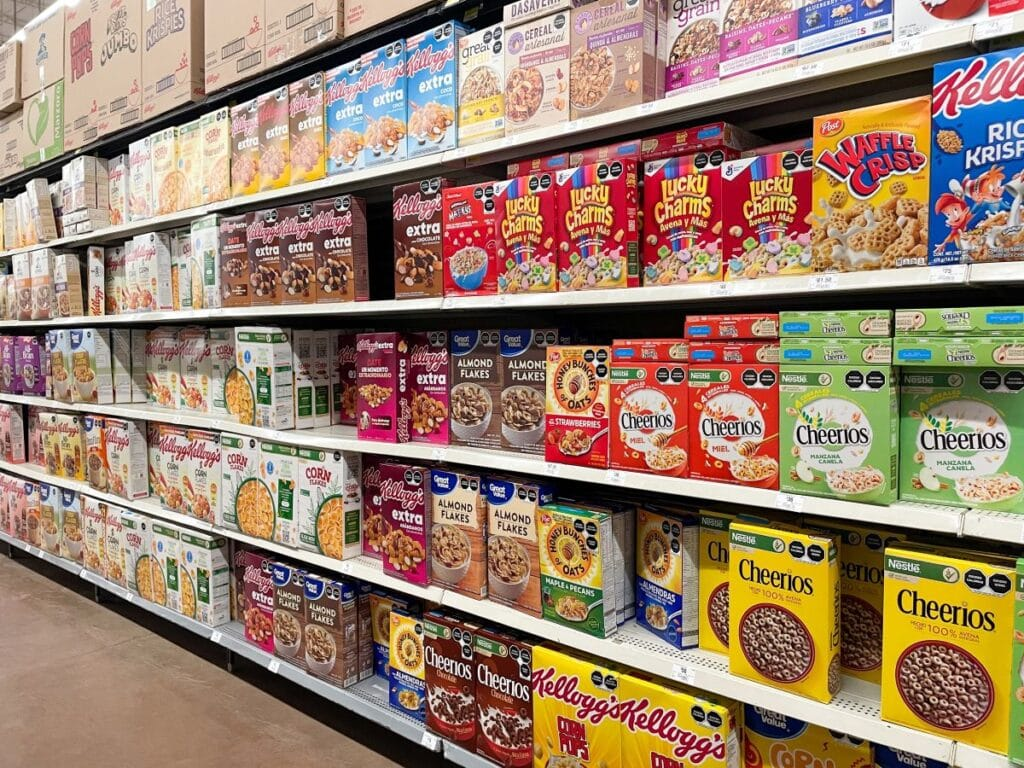
Many breakfast cereals marketed as “healthy” are actually filled with sugar, artificial flavors, and little fiber, leading to energy crashes.
Alcohol

Alcoholic beverages provide a lot of calories without essential nutrients. Excessive drinking can contribute to weight gain and various health issues.
This article is based on information from WebMD.
This article is made and published by Ida-Marie Palm Varbæk, who may have used AI in the preparation.