
Gluten-free diets have gained immense popularity, with many believing that avoiding gluten leads to better health.
While some individuals must eliminate gluten for medical reasons, others adopt the diet without necessity.
But what really happens when you stop consuming gluten?
You might lose important nutrients

Whole wheat products contain essential nutrients like fiber, iron, and B vitamins.
By cutting gluten, you may also cut out these vital nutrients unless you find alternative sources.
Your gut health could suffer

Gluten-free products often lack fiber, which is crucial for digestion and gut health. A diet low in fiber may lead to constipation and other digestive issues.
You might not lose weight

Many assume a gluten-free diet helps with weight loss, but gluten-free alternatives often contain more sugar, fat, and calories than their regular counterparts.
Gluten-free products can be less healthy
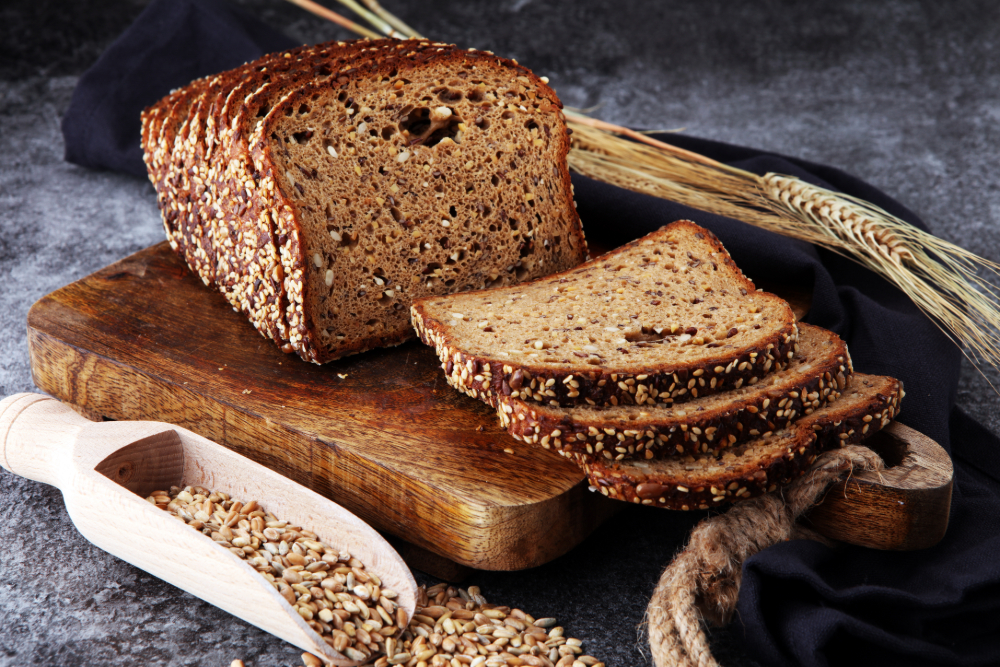
Studies have shown that gluten-free breads and processed foods are often lower in protein and higher in unhealthy additives like tapioca starch and maltodextrin.
Your energy levels may drop

Gluten-containing whole grains provide sustained energy due to their fiber and protein content.
Cutting them out may lead to fatigue, especially if you’re not replacing them with nutrient-dense alternatives.
You may experience more food cravings

Without fiber and protein from whole grains, you may feel hungrier more often, leading to increased cravings and potential overeating.
Your heart health could be affected

Whole grains, including those containing gluten, are linked to better heart health.
A gluten-free diet lacking whole grain substitutes may increase the risk of heart disease.
A gluten-free diet is not necessarily anti-inflammatory

Despite popular belief, research shows that avoiding gluten does not significantly reduce inflammation unless you have celiac disease or gluten sensitivity.
Mislabeling can lead to confusion

Many gluten-free products are marketed as “healthier,” even when they contain high amounts of sugar, salt, and unhealthy fats.
Consumers often assume gluten-free equals better nutrition, which isn’t always the case.
You should consult a doctor before going gluten-free

If you suspect gluten is causing health issues, it’s essential to get tested before eliminating it.
Self-diagnosing and cutting gluten prematurely may lead to nutrient deficiencies without solving the actual problem.
This article is based on information from National Geographic.
This article is made and published by Ida-Marie Palm Varbæk, who may have used AI in the preparation.