
Feeling tired or sad from time to time is normal. But how do you know when it’s more than just a bad day?
Here are some key symptoms of depression that you should be aware of.
Persistent sadness

One of the main signs of depression is a deep and ongoing feeling of sadness. This is not just occasional unhappiness but a constant sense of despair that lasts for weeks.
Loss of interest in usual activities

If things that used to bring you joy no longer seem appealing, it might be a sign of depression.
A lack of motivation or pleasure in hobbies, social activities, or even daily routines is a red flag.
Extreme fatigue or low energy

People with depression often feel exhausted, even after resting. This overwhelming fatigue can make even simple tasks feel like a burden.
Low self-esteem and self-doubt

Depression often brings persistent negative thoughts. You might feel worthless or overly critical of yourself, even when there’s no real reason to.
Feelings of guilt and self-blame

Many people with depression experience excessive guilt over past actions or events. They might constantly blame themselves for things beyond their control.
Thoughts of death or suicide

One of the most serious symptoms of depression is suicidal thoughts. If you or someone you know is experiencing this, seeking help immediately is crucial.
Difficulty concentrating

Depression can affect cognitive functions, making it hard to focus, remember things, or make decisions. This can impact work, studies, and daily life.
Restlessness or feeling slowed down

Some people with depression feel an inner sense of restlessness, making it hard to sit still.
Others experience the opposite, feeling physically slowed down and unable to move with normal energy.
Sleep disturbances
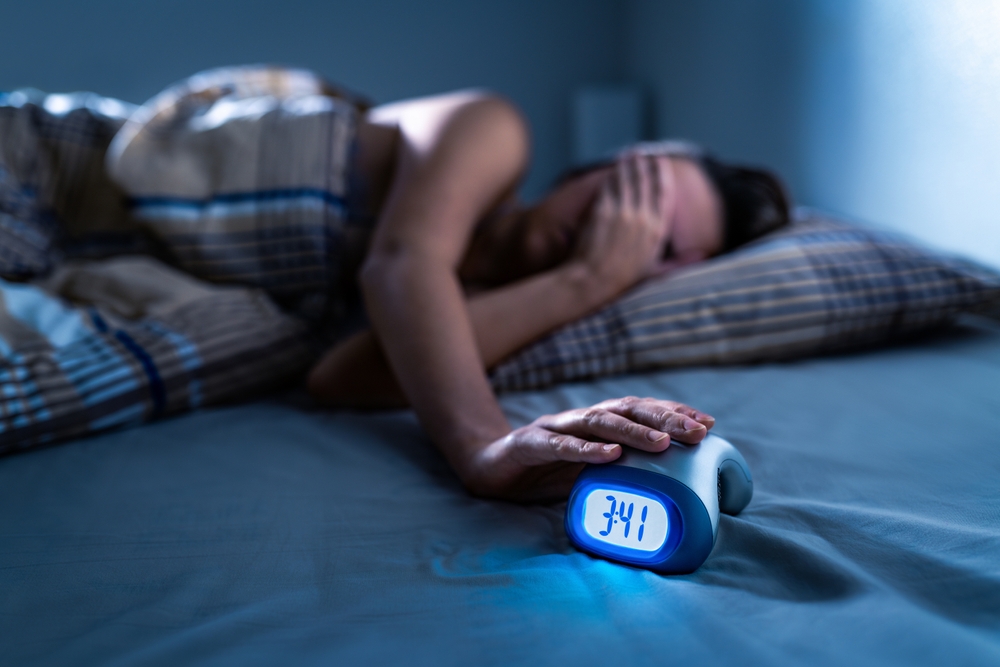
Depression often disrupts sleep patterns. Some people suffer from insomnia, while others sleep excessively but still feel tired.
Significant changes in appetite or weight

Depression can cause drastic changes in appetite, leading to weight gain or loss. Some people lose interest in eating, while others turn to food for comfort.
If you or someone you know is struggling with depressive thoughts, seek professional help.
This article is based on information from iForm and WHO.
This article is made and published by Ida-Marie Palm Varbæk, who may have used AI in the preparation.