
They say breakfast is the most important meal of the day – and when it comes to weight loss, that might be true.
What you eat in the morning can impact your energy levels, metabolism, and appetite for the rest of the day.
But if you make the wrong choices or skip breakfast altogether, it could be working against your goals.
Skipping breakfast

A study found that people who skip breakfast tend to consume fewer calories throughout the day, which can lead to increased hunger and a slower metabolism later on.
If you end up overeating later – especially at night – it could hinder your weight loss progress.
Too much sugar in your coffee

If your morning coffee is loaded with syrups, whipped cream, and sugary toppings, it could be sabotaging your weight loss goals.
A single sweetened latte can contain around 24 grams of sugar – almost half of the recommended daily limit for added sugar.
Breakfast low in fiber
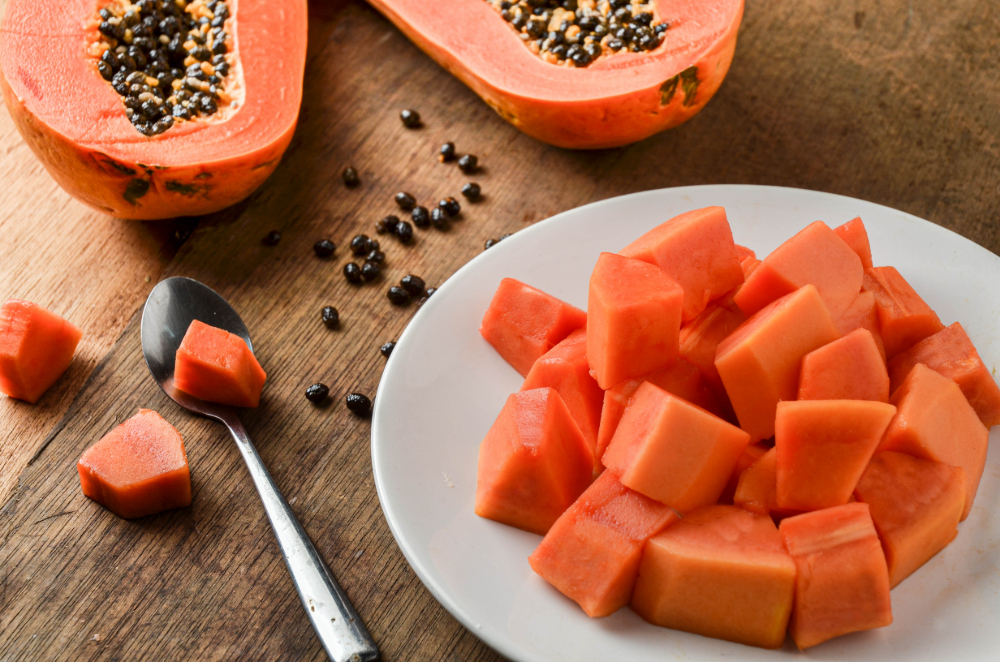
If you find yourself getting hungry soon after breakfast, you might not be getting enough fiber.
Fiber aids digestion and keeps you full longer, which can help with weight management. Opt for whole grains, oatmeal, or fruit instead of sugary cereals.
Not enough protein
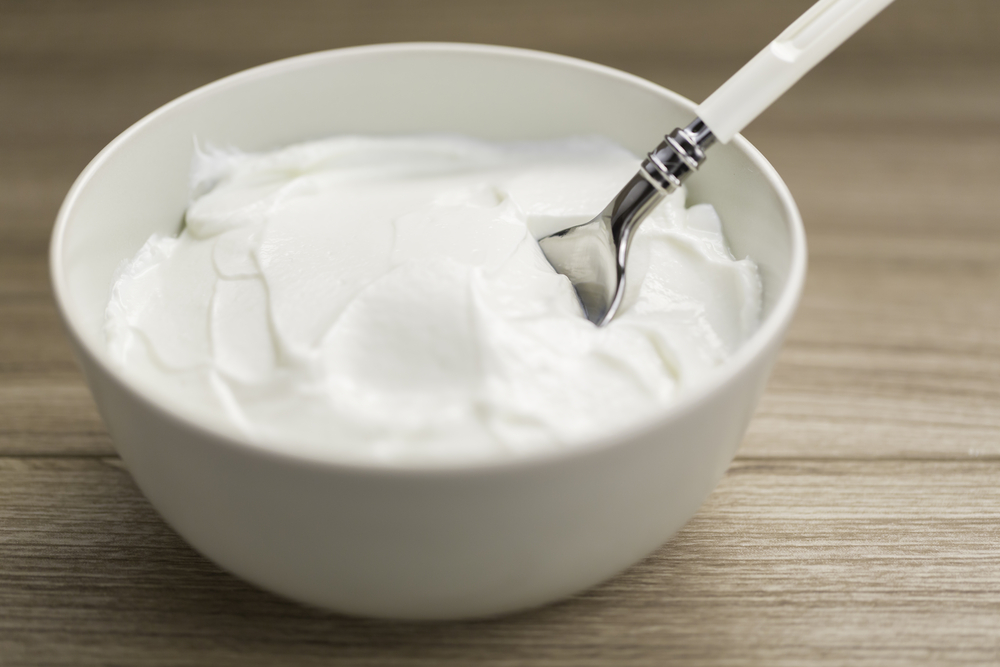
Protein is key for satiety as it helps regulate appetite. If your breakfast lacks protein, you may feel hungry again too soon.
Good sources of protein in the morning include eggs, Greek yogurt, oatmeal, and nuts.
Sticking to the same protein sources
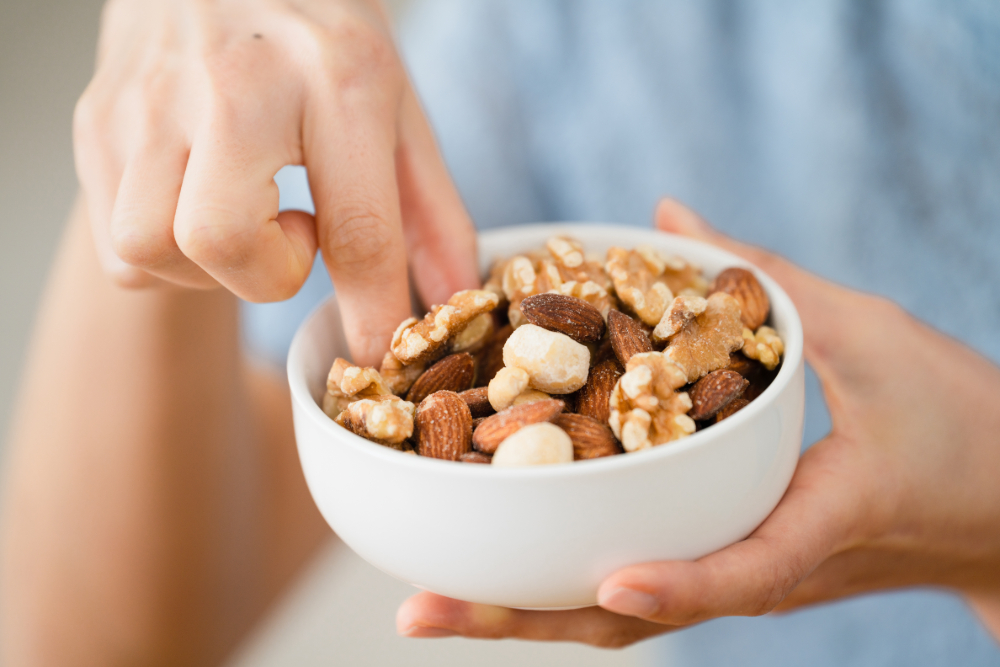
Many people rely on eggs or yogurt for their morning protein, but there are plenty of other options.
Cottage cheese, nuts, legumes, or even chicken on a slice of whole-grain toast can be great protein sources for breakfast.
Choosing nutrient-poor snacks

Pastries, chips, and cookies might be tempting, but they are often high in sugar and fat while lacking essential nutrients.
These foods won’t keep you full for long since they lack protein and fiber, leading to overeating later in the day.
Avoiding healthy fats
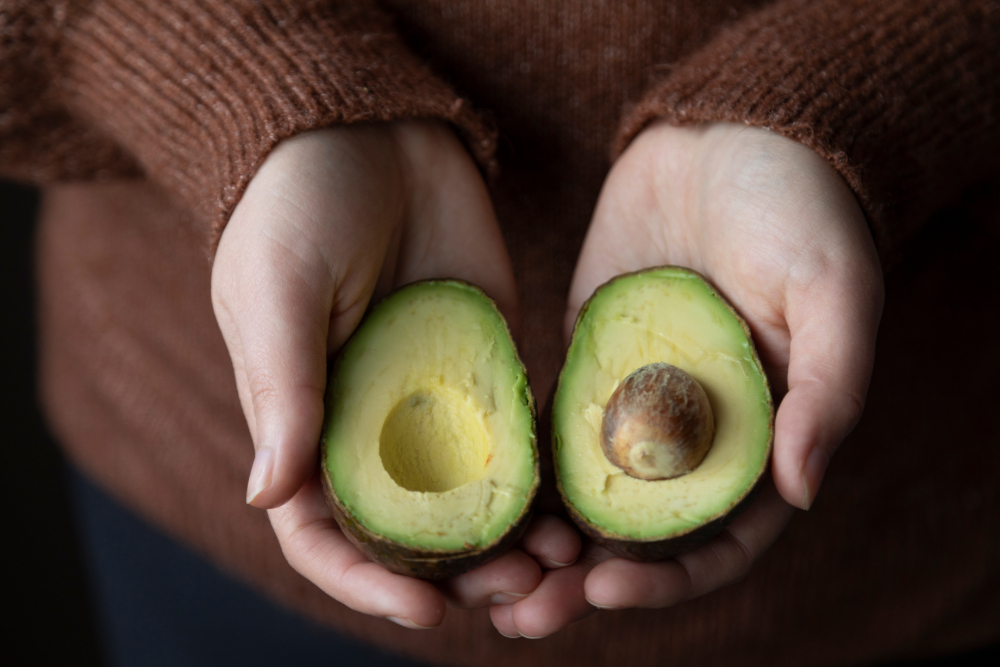
Healthy fats can help keep you fuller for longer by slowing digestion. They also aid in vitamin absorption.
Good sources of healthy fats for breakfast include avocado, nuts, seeds, and olive oil.
Eating too little
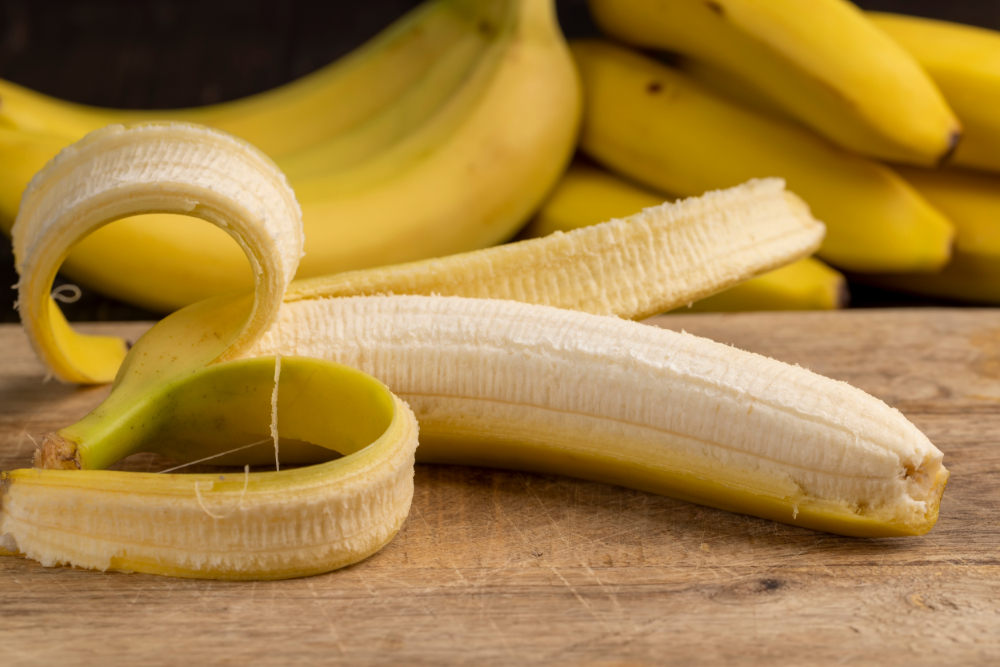
If your breakfast is too small, it can lead to hunger later in the day, making it harder to control calorie intake.
A single banana might not be enough – consider pairing fruit with Greek yogurt, nuts, or oatmeal for a more satisfying meal.
Eating too late
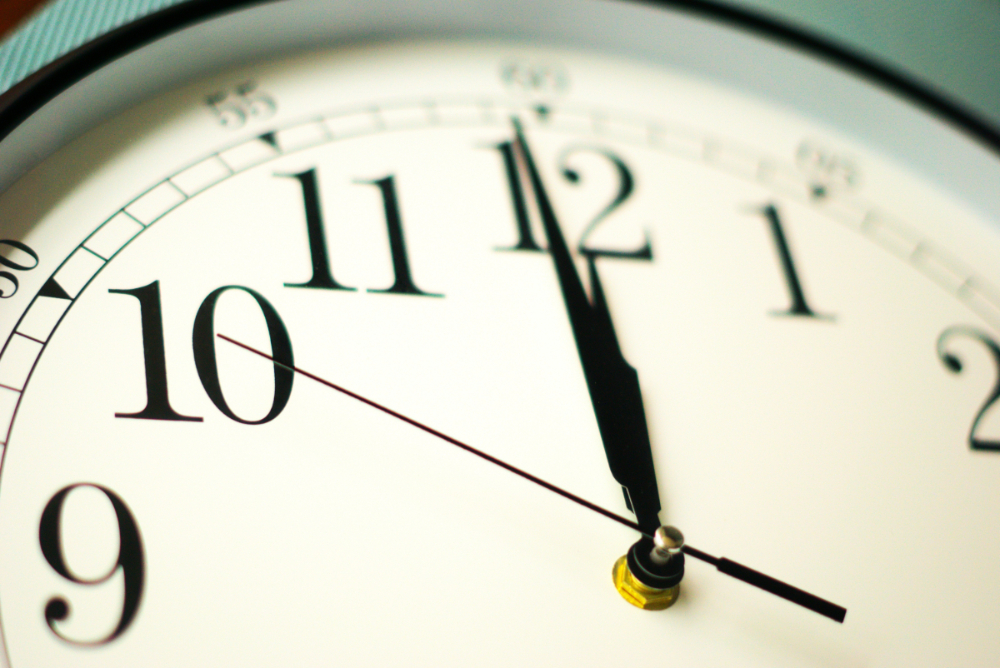
Waiting too long to eat breakfast can lead to overeating later in the day.
Studies show that people who eat earlier tend to lose more weight, even if they consume the same number of calories.
Forgetting to hydrate

Staying hydrated is essential, and drinking water can also support weight management.
Research suggests that drinking water before a meal can increase satiety and reduce calorie intake.
Plus, it helps distinguish between thirst and hunger, preventing unnecessary snacking.
This article is based on information from Health.com.
This article is made and published by Ida-Marie Palm Varbæk, who may have used AI in the preparation.