
Traveler’s diarrhea can quickly turn a dream vacation into a nightmare. It is a common issue among travelers, especially in tropical and subtropical regions.
Here’s how you can prevent and manage traveler’s diarrhea to enjoy your trip without unpleasant interruptions.
What is traveler’s diarrhea?
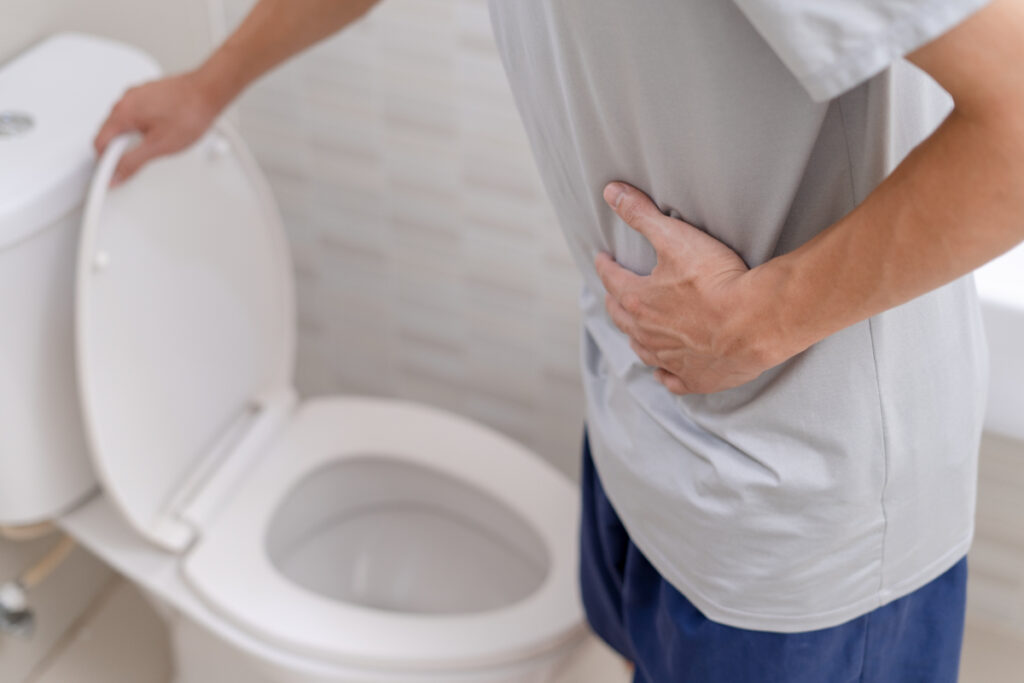
Traveler’s diarrhea is an infection that causes sudden and frequent loose stools – at least three times in 24 hours.
It can also be accompanied by stomach pain, nausea, vomiting, and fever.
How high is the risk?
The risk of getting traveler’s diarrhea depends on your destination.
It is highest in Africa, Asia, and Central and South America, while it is lowest in Western Europe, North America, and Australia.
How does traveler’s diarrhea spread?
The infection is primarily transmitted through contaminated food and water but can also spread through hands that have come into contact with bacteria – for example, after using the restroom.
Which foods should you avoid?

Avoid raw fruits and vegetables unless you have peeled them yourself.
Say no to fruit salads, raw shellfish, undercooked meat, and buffet food that has been sitting out for a long time.
What is safe to eat and drink?
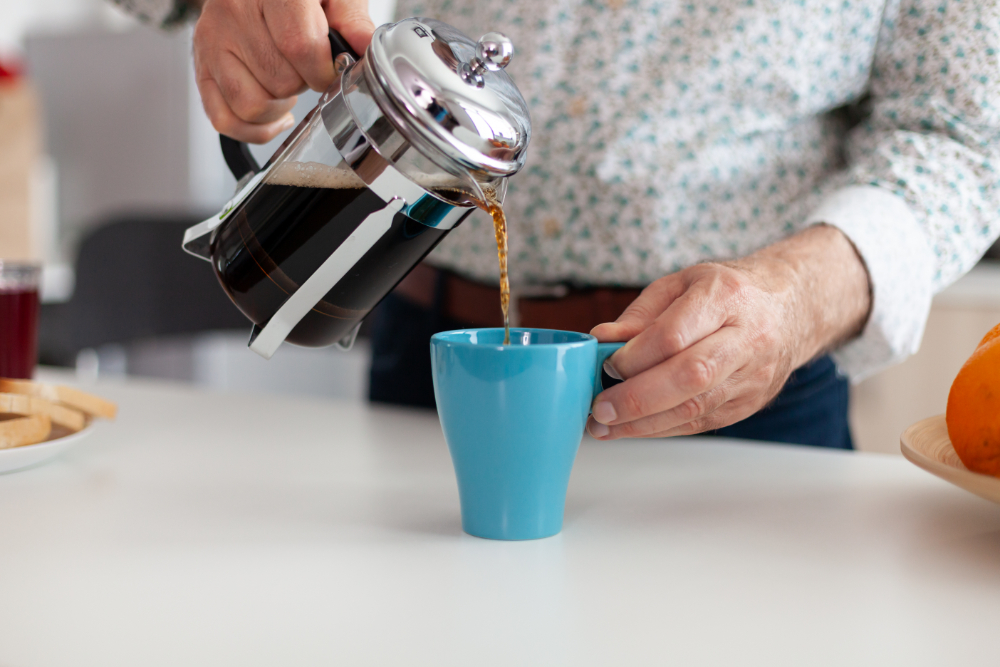
Drink only bottled or boiled water. Coffee, tea, and thoroughly cooked foods are generally safe.
Fruits with thick peels, such as bananas or oranges, are also good options if you peel them yourself.
WHO’s golden rule for food safety
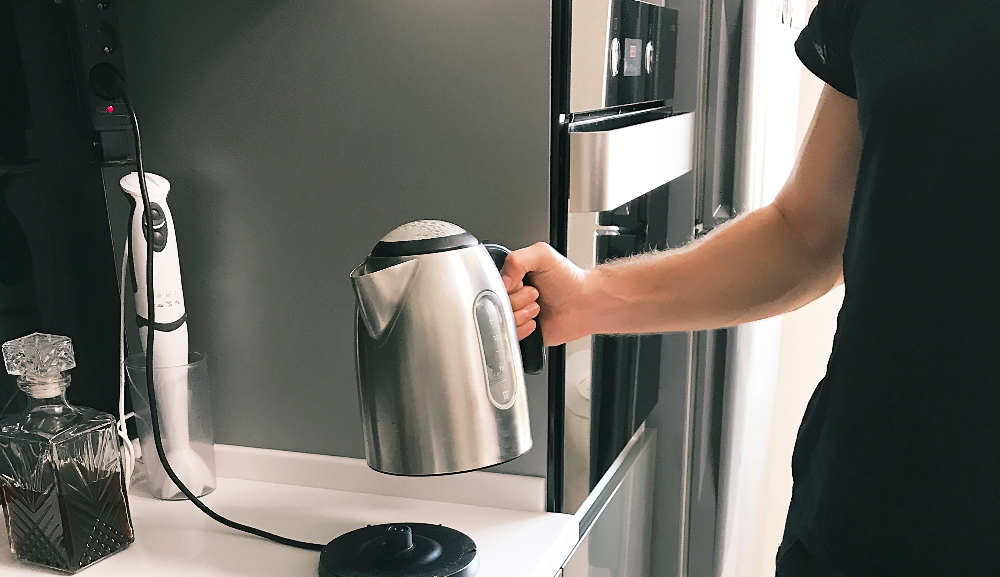
Follow this simple rule: “Peal it, boil it or leave it”. This guideline significantly reduces the risk of infection.
Can probiotics or antibiotics prevent traveler’s diarrhea?
There is no solid evidence that probiotics prevent traveler’s diarrhea. Antibiotics can be effective but may have side effects that outweigh the benefits.
They are typically recommended only for people with weakened immune systems.
What should you do if you get diarrhea?

Drink plenty of fluids with sugar and salt to prevent dehydration.
A homemade mix of boiled water, sugar, salt, and orange juice can be a good substitute for commercial electrolyte solutions.
Can anti-diarrheal medication help?
Yes, over-the-counter medications like loperamide can reduce symptoms and shorten the illness by a day.
However, they should be avoided if you have bloody diarrhea or a high fever.
When should you see a doctor?
Seek medical attention if you have a high fever lasting several days, blood in your stool, diarrhea lasting more than a week, or severe dehydration – especially in children and older adults.
This article is based on information from Netdoktor.
This article is made and published by Ida-Marie Palm Varbæk, who may have used AI in the preparation.