
Garlic isn’t just a kitchen staple – it might also be a powerful natural remedy for high blood pressure.
Here are some science-backed insights about garlic’s potential to lower your blood pressure, without the side effects of conventional medication.
Garlic can significantly reduce blood pressure
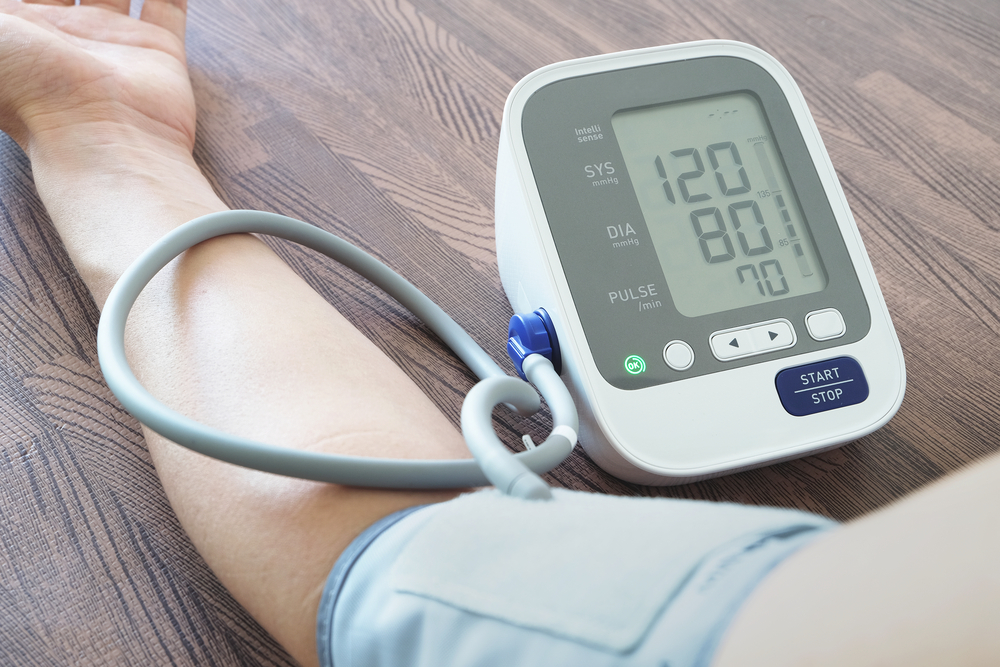
Multiple studies have shown that garlic can lower both systolic and diastolic blood pressure by up to 11.2 mmHg and 6.7 mmHg, respectively.
That’s comparable to some prescription medications – only with far fewer side effects.
Allicin is the powerhouse compound
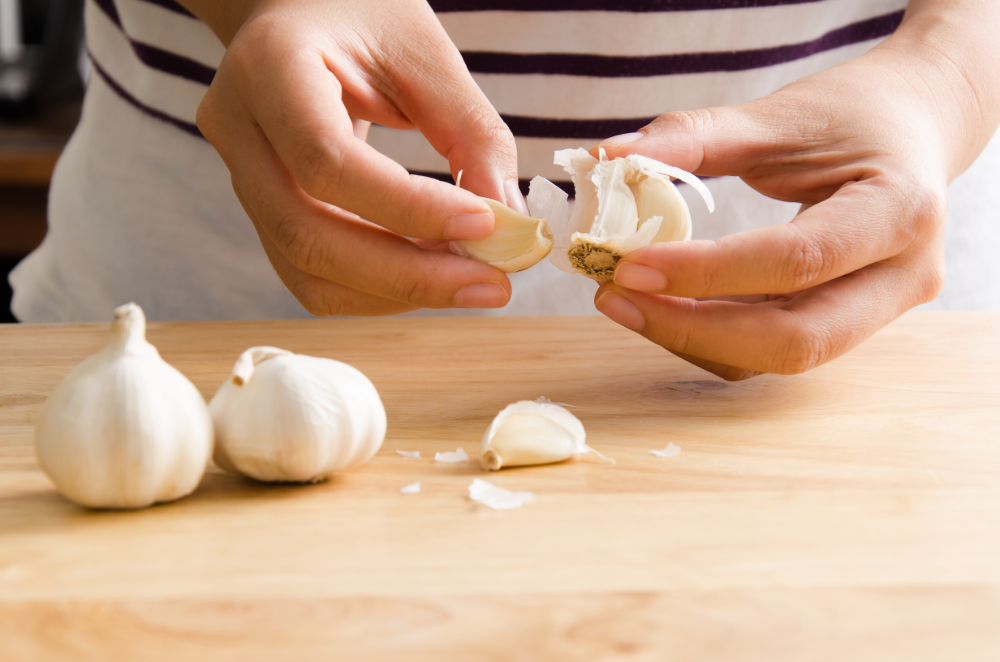
Allicin, the main active component in garlic, is believed to be the key behind its blood pressure-lowering effect.
It blocks the formation of angiotensin II, a hormone that constricts blood vessels and raises blood pressure.
Garlic helps relax blood vessels
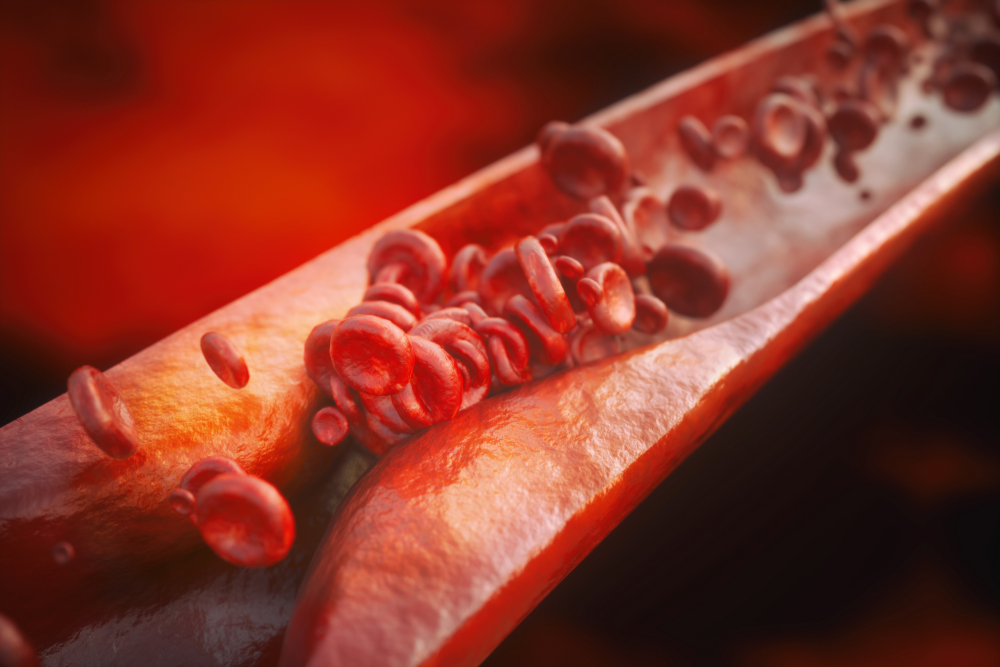
In addition to reducing angiotensin II, garlic boosts the body’s levels of nitric oxide and hydrogen sulfide.
These compounds help widen blood vessels, improve blood flow, and ultimately lower pressure in the arteries.
It works best in people with high blood pressure
Garlic appears to have the most noticeable effect in people who already suffer from high blood pressure.
Those with normal blood pressure don’t experience as significant changes, making garlic particularly promising for hypertensive individuals.
Side effects are rare and usually mild

Most people tolerate garlic well. The most common side effects include bad breath or body odor.
Occasional issues like stomach discomfort, gas, or fatigue can occur, but these are usually mild and less frequent with supplements.
Aged garlic extract may be the most effective form

While raw garlic and garlic oil also show benefits, aged garlic extract stands out in many studies as the most potent and well-tolerated form.
It’s also less likely to cause digestive upset or odor.
Dosage matters
Effective doses in studies (1, 2 and 3) vary between 188 mg and 2,400 mg per day, taken over 2 to 24 weeks.
The form of garlic – raw, powdered, aged extract, or oil – also influences the dose. A healthcare provider can help determine the right amount for you.
Raw garlic works – but isn’t for everyone
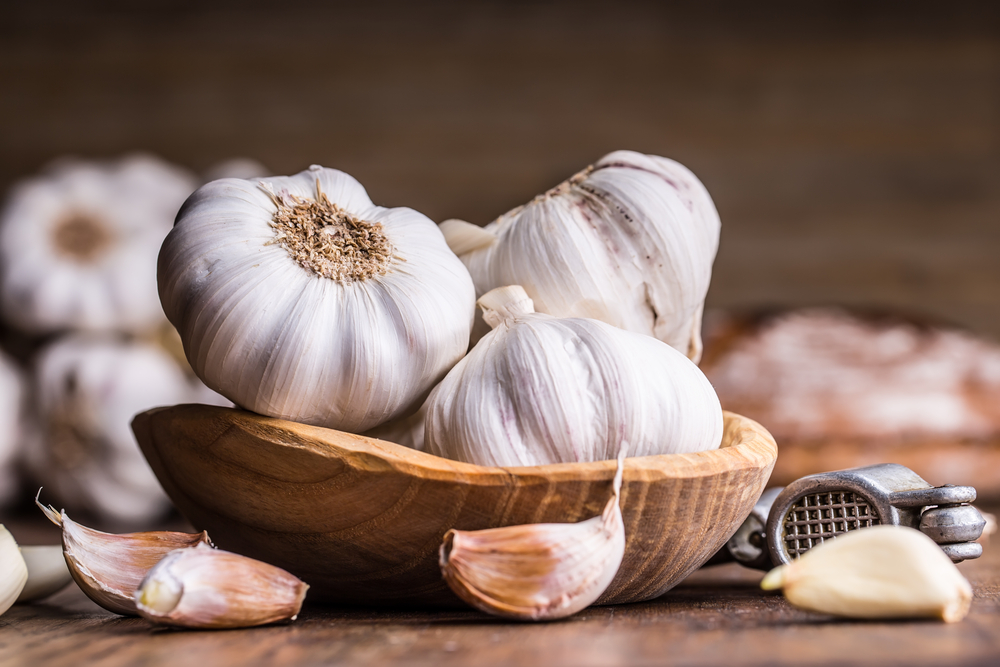
Raw garlic is effective but can cause stronger side effects, like digestive issues or strong odor.
It may also thin the blood, so people on blood thinners should be cautious and consult a doctor before consuming large amounts.
Garlic isn’t the only natural remedy
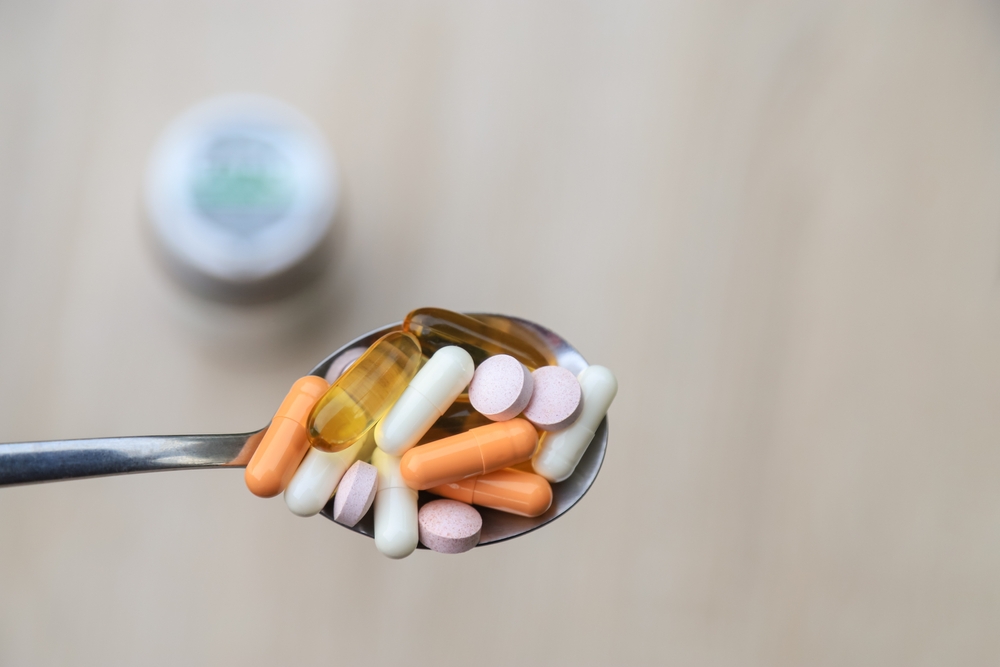
Other natural supplements with potential blood pressure-lowering effects include coenzyme Q10, omega-3s, vitamin C, ginseng, and probiotics.
Still, it’s important to consult your doctor before combining multiple supplements.
It’s a helpful aid – not a standalone cure

Garlic should not replace prescribed medications, but it can be a valuable addition to a healthy lifestyle and treatment plan.
It works best when combined with balanced nutrition, exercise, and medical guidance.
This article is based on information from Healthline.com.
This article is made and published by Ida-Marie Palm Varbæk, who may have used AI in the preparation.