
Seeing bits of undigested food in the toilet can be alarming. But most of the time, it’s completely normal.
It’s normal to see some undigested food in your stool

Your body can’t fully break down every type of food – especially those rich in fiber.
This means that small bits of food, like corn or nuts, may show up in your stool. In most cases, it’s nothing to worry about.
Fiber moves through your body
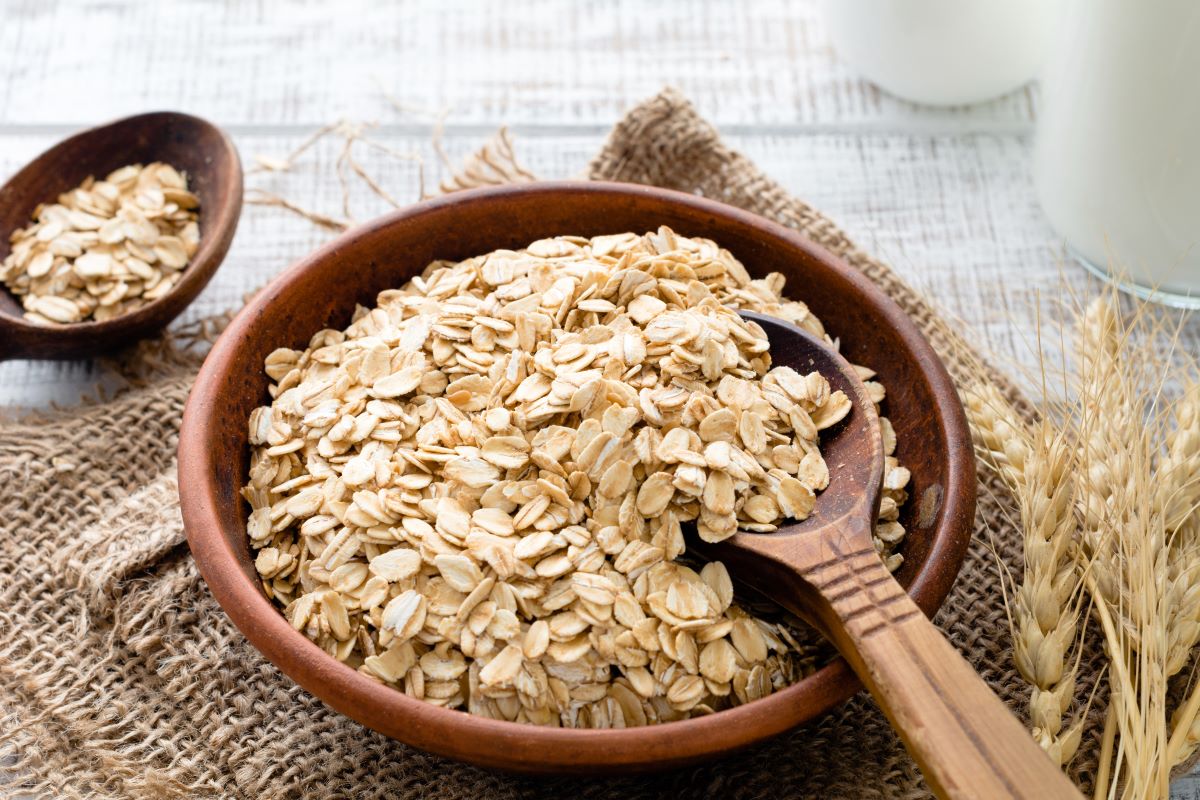
Fiber isn’t digested by the body but plays an important role in digestion.
It adds bulk to stool and helps it pass more easily. Seeing fibrous material in your stool just means it’s doing its job.
Corn may look whole
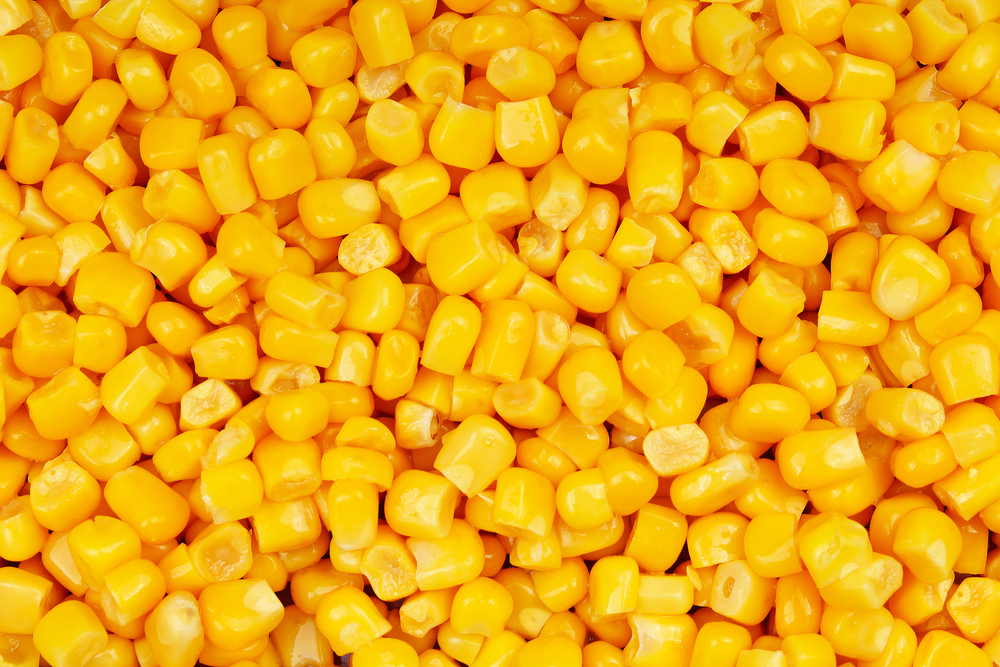
You might have noticed corn kernels looking intact in your stool.
In reality, your body digests the inner parts. It’s only the outer skin, made of cellulose, that remains unchanged.
These foods often appear undigested
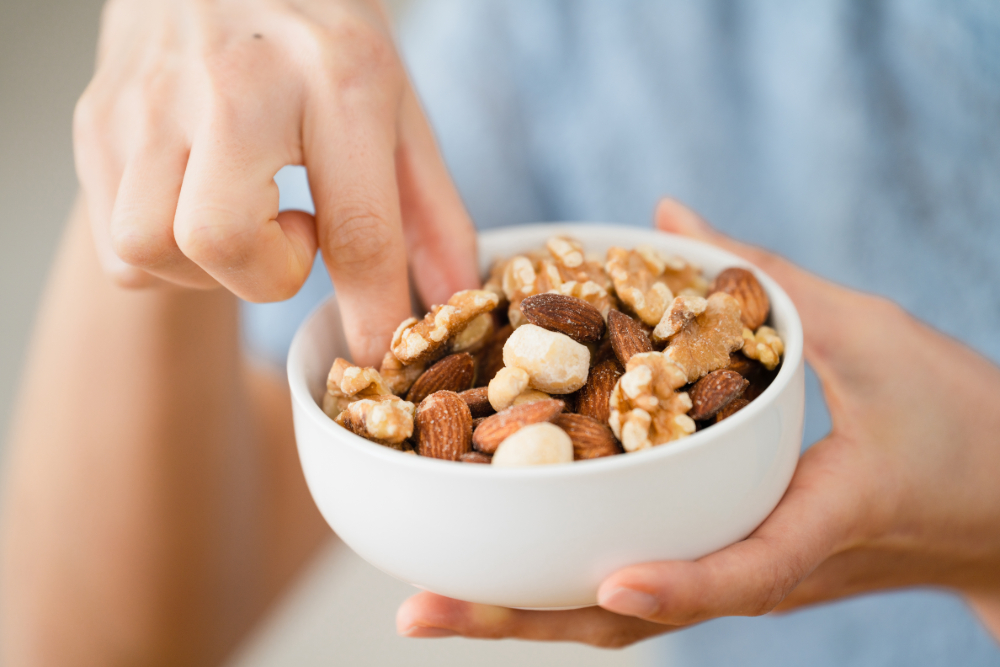
Common foods that show up undigested include nuts, seeds, vegetable peels, corn, and fibrous greens like spinach or broccoli.
This doesn’t automatically mean something is wrong with your digestion.
Watch for additional symptoms

Undigested food on its own is usually harmless.
But if you also experience symptoms like diarrhea, unexplained weight loss, fatigue, or cramps, it might be a sign of a digestive disorder.
Malabsorption could be the underlying issue
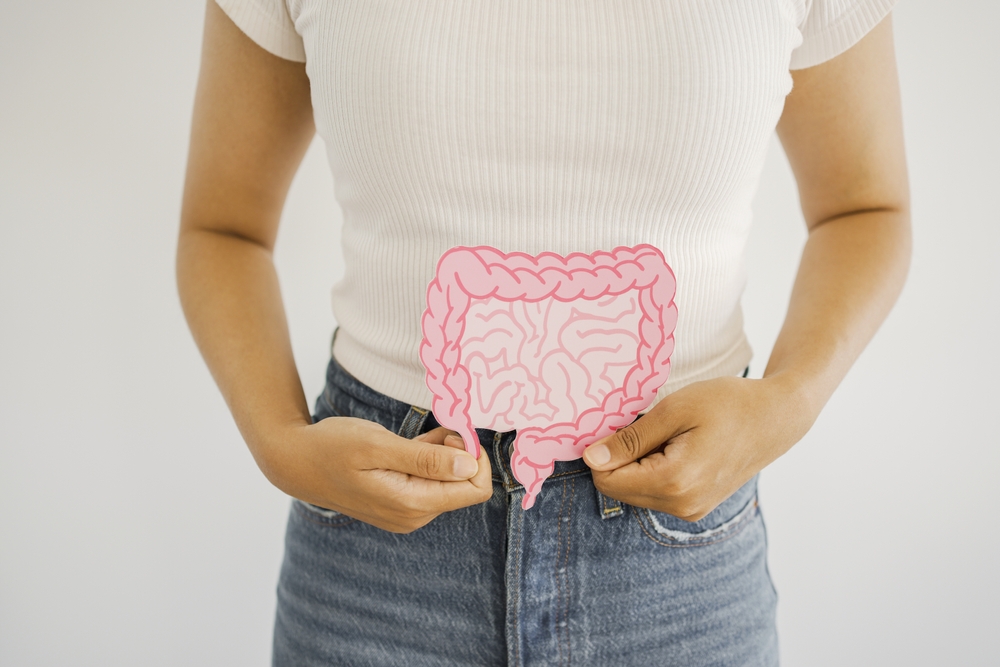
Malabsorption means your body isn’t absorbing nutrients properly.
It can result from various conditions like celiac disease, small intestinal bacterial overgrowth (SIBO), inflammatory bowel disease (IBD), or pancreatic problems.
Malabsorption can lead to serious side effects

If your body isn’t absorbing essential vitamins and minerals, it can result in fatigue, headaches, weight loss, irritability, heart palpitations, and even behavioral changes.
Vitamin B12 and iron deficiencies are especially common.
Your pancreas plays a key role in digestion
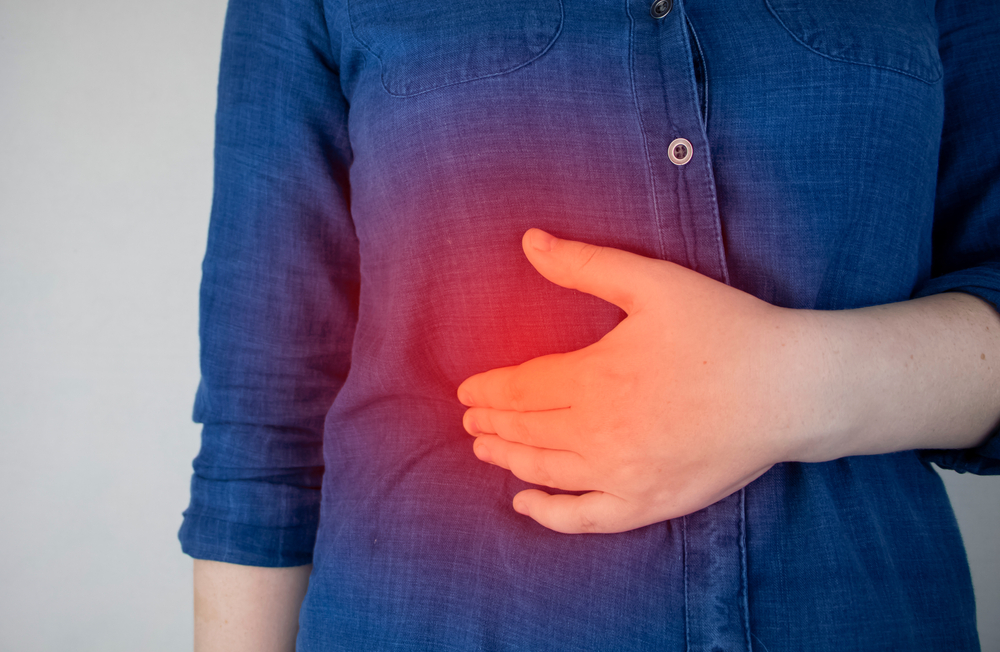
The pancreas produces enzymes that help break down food.
Conditions like cystic fibrosis or pancreatic cancer can disrupt this process, leading to undigested food and greasy stools.
Celiac disease can damage your intestines
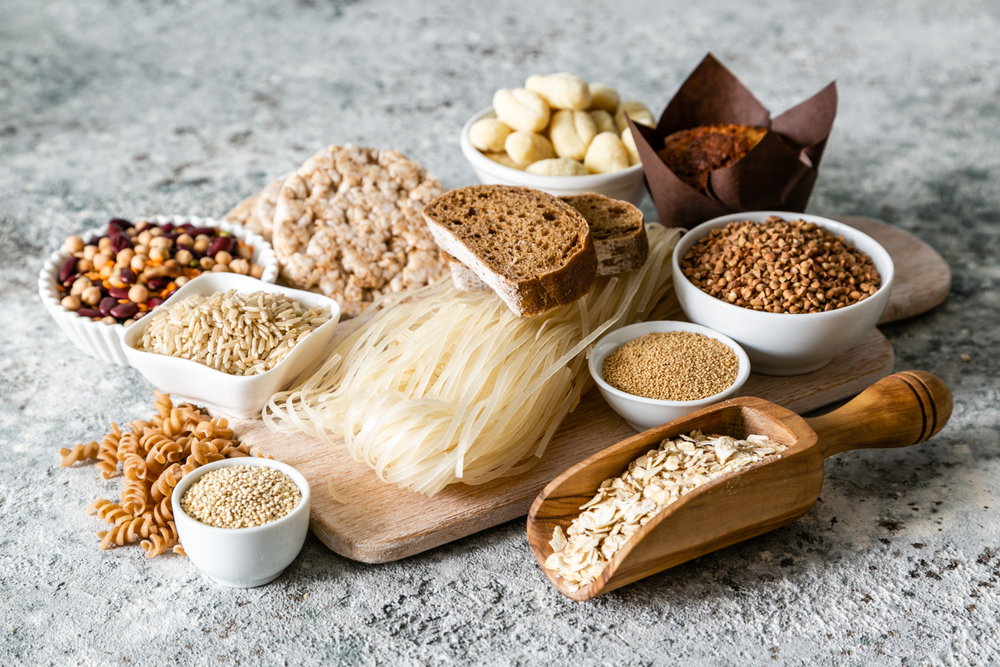
In celiac disease, the immune system reacts to gluten and damages the lining of the small intestine over time.
This hinders nutrient absorption and can cause food to pass through undigested.
When to contact your doctor

If you notice undigested food along with blood in your stool, pale-colored stool, persistent diarrhea, fever, fatigue, or loss of bowel control, it’s time to consult a doctor.
People with existing conditions like cystic fibrosis should be particularly vigilant.
This article is based on information from WebMD.
This article is made and published by Ida-Marie Palm Varbæk, who may have used AI in the preparation.