
Even minor changes to your daily movement habits can have a big impact on your heart.
A study reveals how small swaps can lower your BMI, improve cholesterol, improve blood sugar, and support overall cardiovascular health.
Swap 5 minutes of sitting with movement

Just five minutes of moderate-to-vigorous physical activity – like brisk walking or cycling – instead of sitting can make a real difference in your heart health, according to researchers.
Aim for 30 minutes of active substitution daily

Replacing 30 minutes of sitting with moderate-to-vigorous activity daily could reduce your BMI by up to 0.63 points – the most significant drop among all tested behavior swaps.
Stand instead of sit

Getting up and standing rather than sitting leads to improvements in body weight, blood sugar, and cholesterol – even if it’s not as beneficial as exercise.
Choose sleep over sitting

Surprisingly, sleeping is better for your heart than sitting awake for long hours. Sleep deprivation is linked to poor metabolism and unhealthy habits.
Light movement beats staying still

Light activity, like walking around your home or taking the stairs, is healthier than remaining seated – even if it’s not as powerful as more intense exercise.
Move your large muscles after meals

A short walk after lunch or dinner activates your leg muscles and helps manage blood sugar and insulin levels after eating.
Use your water bottle as a movement reminder

Keep a large water bottle nearby and sip throughout the day – it’ll naturally encourage you to get up and move when you need to use the restroom.
Prioritize at least seven hours of sleep

If you regularly get fewer than six hours of sleep, improving your sleep should come before adding more exercise.
Lack of rest leads to unhealthy eating and lower activity levels.
Let tech help you remember to move
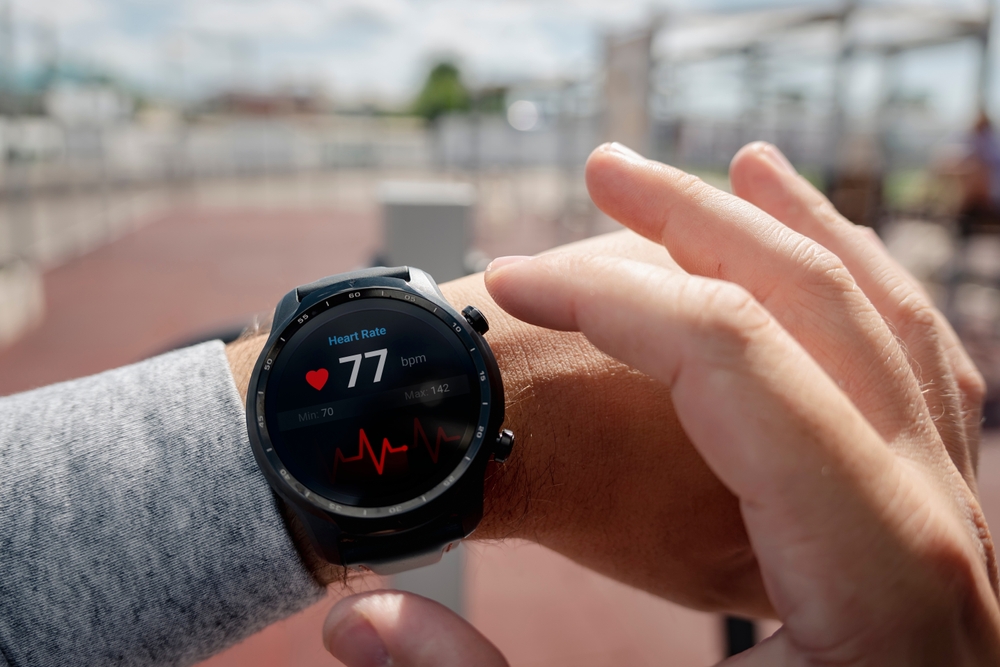
Smartwatches and fitness bands can nudge you to stand up once an hour – a simple habit linked to better long-term heart health.
Every step counts
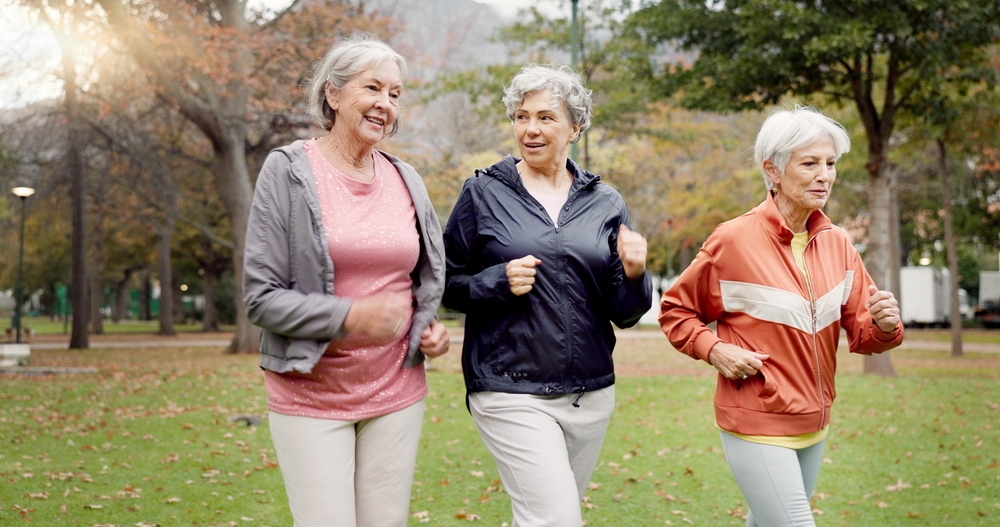
You don’t need a structured workout. Short bursts of movement – like walking to the mailbox, dancing in the living room or climbing stairs – add up and benefit your heart.
This article is based on information from Harvard Heart Publishing.
This article is made and published by Ida-Marie Palm Varbæk, who may have used AI in the preparation.