
Some jobs come with hidden dangers that can seriously harm your health over time.
Whether it’s exposure to toxic substances, extreme stress, or physical strain, these careers are as demanding as they are risky.
Here’s a breakdown of the 10 unhealthiest professions in the world according to Lalande Disability Lawyers.
1. Radiologists

Even with strict safety protocols in place, radiologists are regularly exposed to radiation, which increases their long-term risk of developing cancer.
Long hours spent interpreting scans also result in screen-induced eye strain, headaches, and musculoskeletal issues like neck and back pain.
Poor posture and repetitive stress injuries, such as carpal tunnel syndrome, are common in this highly sedentary profession.
2. Miners

Mining remains one of the most hazardous industries in the world.
Miners face constant exposure to toxic dust, leading to chronic respiratory diseases like black lung and silicosis.
Loud machinery puts their hearing at risk, and the physical strain of confined underground work increases the chance of serious injuries and long-term musculoskeletal disorders.
3. Truck drivers
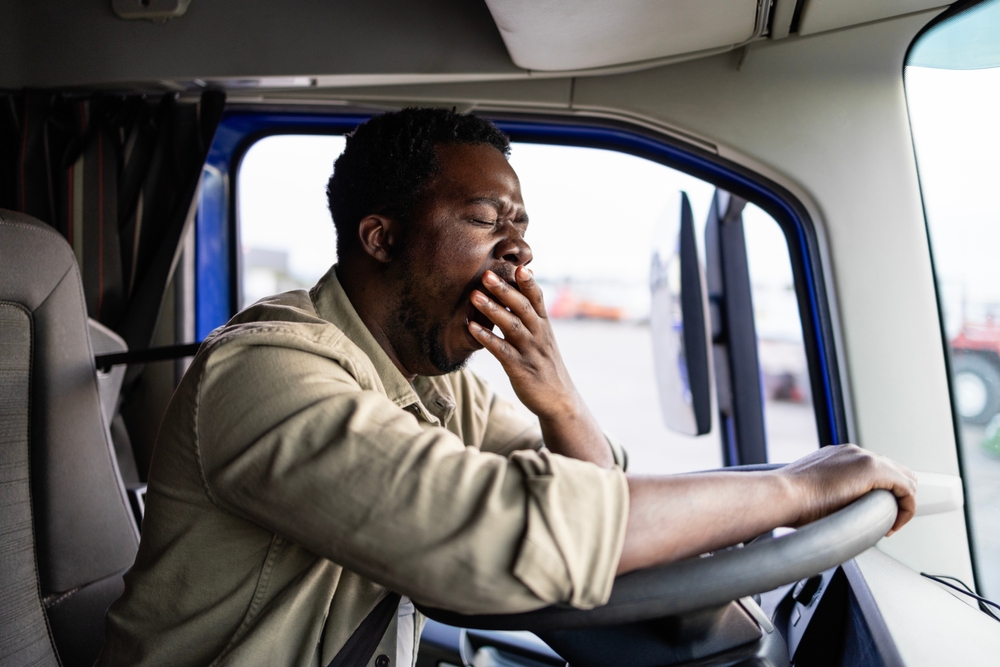
Truck driving involves long, sedentary hours with minimal physical activity, leading to obesity, circulation problems, and cardiovascular disease.
Irregular schedules and poor sleep increase the risk of accidents and mental health struggles.
Isolation, stress, and a diet often consisting of fast food add to the physical and emotional toll.
4. Construction workers

Falls, heavy machinery, and exposure to hazardous materials make construction work one of the most injury-prone professions.
Workers are at risk for spinal injuries, paralysis, and chronic diseases linked to long-term inhalation of dust and fumes.
Extreme weather conditions and physical exhaustion further compound the dangers.
5. First responders

Police officers, firefighters, and paramedics are frequently exposed to trauma, violence, and high-stress emergencies.
These experiences can lead to PTSD, anxiety, and burnout. Shift work and disrupted sleep patterns weaken physical health and heighten emotional vulnerability.
The constant threat to personal safety adds a layer of chronic stress that can be psychologically devastating.
6. Dentists

Dentists work closely with patients and are exposed to dangerous chemicals like mercury and formaldehyde.
They also spend hours bent over in awkward positions, which can lead to eye strain, neck and back issues, and a sedentary lifestyle that increases the risk of obesity and metabolic disorders.
7. Flight attendants

The job of a flight attendant is physically and mentally exhausting. Jet lag, irregular sleep schedules, and frequent time zone changes contribute to chronic fatigue and sleep disorders.
Long hours on their feet lead to joint pain and varicose veins, while constant exposure to cabin air increases the risk of respiratory infections.
Stress from handling emergencies and difficult passengers can also result in anxiety and burnout.
8. Oil rig workers

Working on oil rigs means long shifts in dangerous environments. Employees face exposure to toxic fumes, extreme physical exertion, and isolation.
Fatigue, combined with hazardous materials like oil and diesel, raises the risk of serious health conditions, including heart disease and respiratory issues.
9. Garbage collectors

Garbage collectors endure repetitive heavy lifting, leading to joint and muscle injuries, particularly in the back and knees.
Exposure to sharp objects, chemicals, and infectious waste increases the risk of cuts, illness, and respiratory problems.
The unpleasant working conditions and high risk of injury also take a toll on mental well-being.
10. Industrial welders

Welders face a wide array of hazards, from intense heat and UV radiation to toxic metal fumes that can cause lung diseases and cancer.
“Welding flash” can result in painful eye injuries, and the loud environment threatens their hearing.
The physical demands of the job often lead to musculoskeletal problems and injuries from working in confined or elevated spaces.
This article is based on information from Disability.ca.
This article is made and published by Ida-Marie Palm Varbæk, who may have used AI in the preparation.