
A sprinkle of spice can do wonders for your meals – but did you know that some of your favourite kitchen staples could actually reduce the effectiveness of your prescription drugs?
Researchers have now issued warnings about three popular spices that could put your health at risk when taken in high doses.
Cinnamon
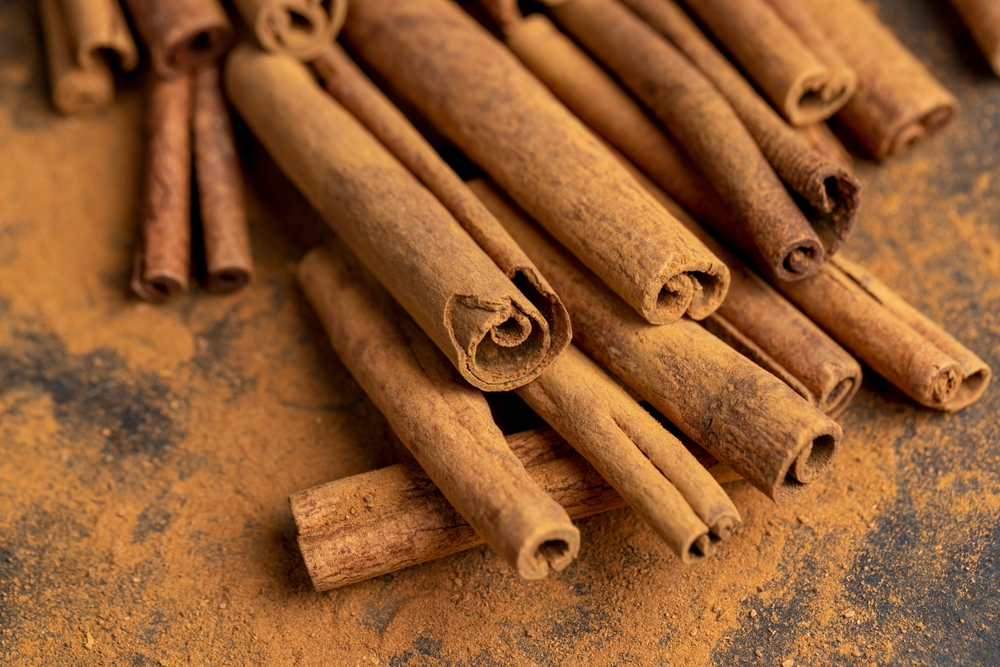
Research from the University of Mississippi shows that cinnamaldehyde, a compound found in cinnamon, can activate receptors in the body that speed up how drugs are broken down.
This may lead to lower levels of medication in the body – particularly dangerous for those with conditions like high blood pressure or diabetes.
Cassia cinnamon increases risk of bleeding
Cassia cinnamon, commonly sold as ground cinnamon in supermarkets, contains high levels of coumarin – a natural blood thinner.
For individuals on medications like warfarin, combining the two may increase the risk of bleeding.
Cinnamon from Sri Lanka carries lower risk
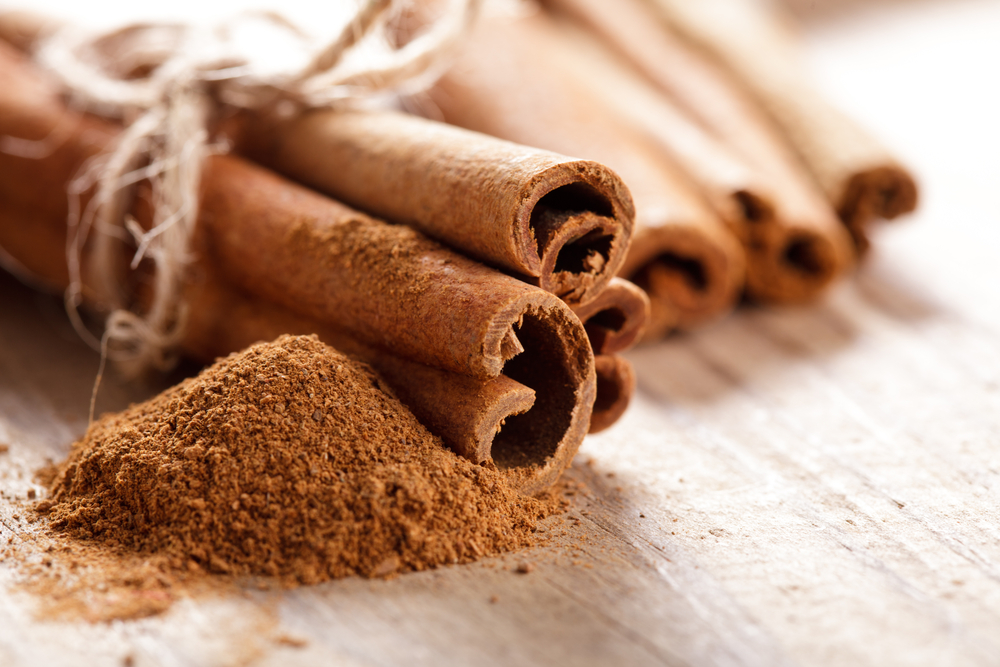
Ceylon cinnamon, also known as “true” cinnamon, contains significantly less coumarin.
That makes it a safer choice for those who are concerned about drug interactions – especially those on blood thinners.
Cinnamon may interfere with many drug types
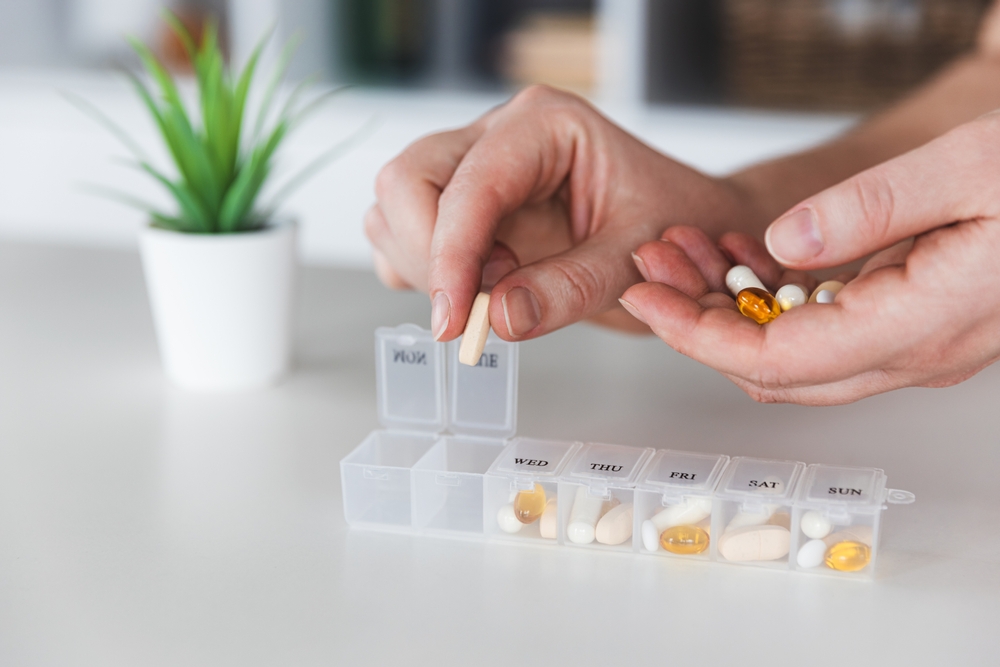
Beyond blood thinners, cinnamon could interact with a wide range of medications – including painkillers, antidepressants, cancer treatments and diabetes medications.
This happens due to cinnamon’s effect on liver enzymes that break down these drugs.
Cooking with cinnamon is generally safe

Experts stress that these risks are mostly associated with high doses from supplements – not the small amounts typically used in cooking.
So a sprinkle of cinnamon on your breakfast oats is unlikely to pose a serious risk.
Turmeric can affect drug metabolism
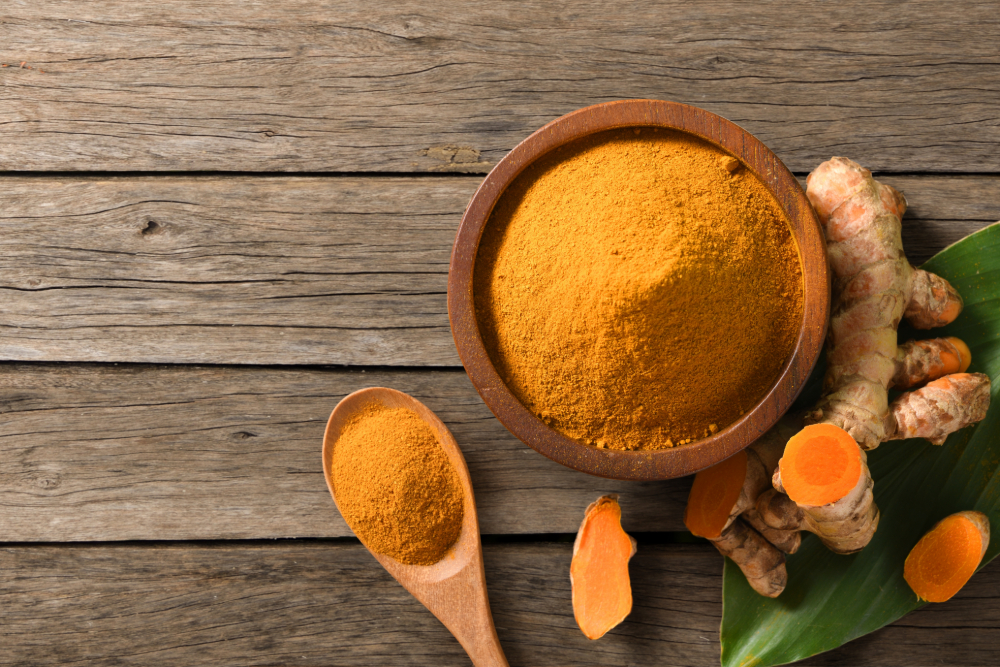
The active compound in turmeric, curcumin, may interfere with liver enzymes responsible for drug metabolism.
This could impact how certain medications – such as antidepressants, antibiotics and blood pressure drugs – work in the body.
Turmeric has natural blood-thinning properties
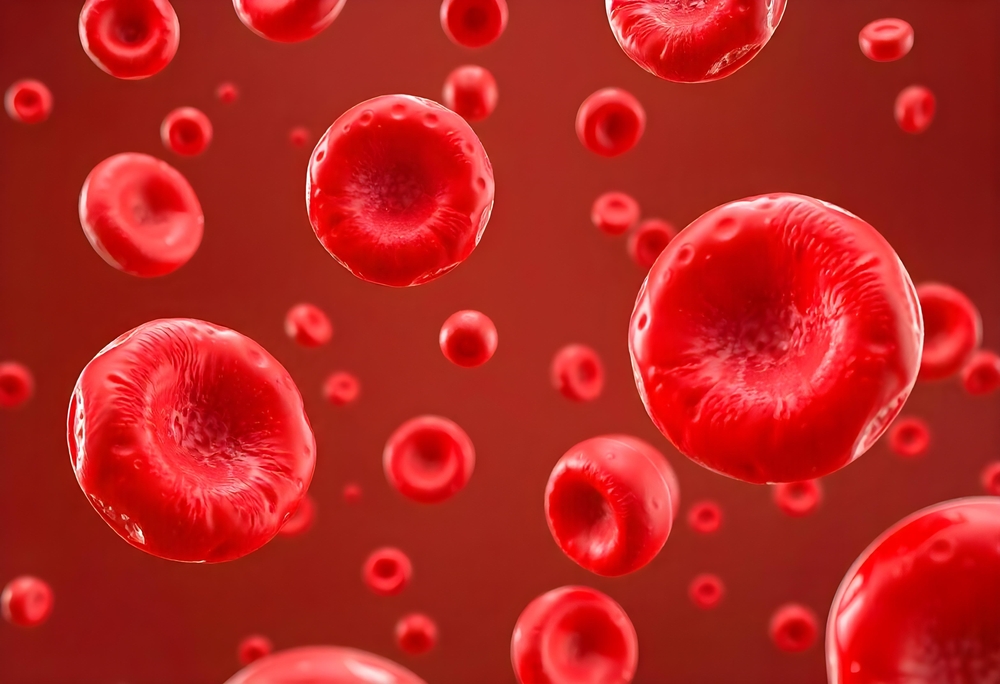
Like cinnamon, turmeric has a natural anticoagulant effect.
If you’re taking blood-thinning medications like aspirin or warfarin, adding turmeric supplements to your routine could raise the risk of internal bleeding.
Turmeric may lower blood sugar and blood pressure

Animal studies suggest turmeric might reduce blood sugar and blood pressure.
For those on medications to control these levels, turmeric could amplify the effects, potentially leading to hypoglycaemia or dangerously low blood pressure.
Ginger can increase bleeding risk
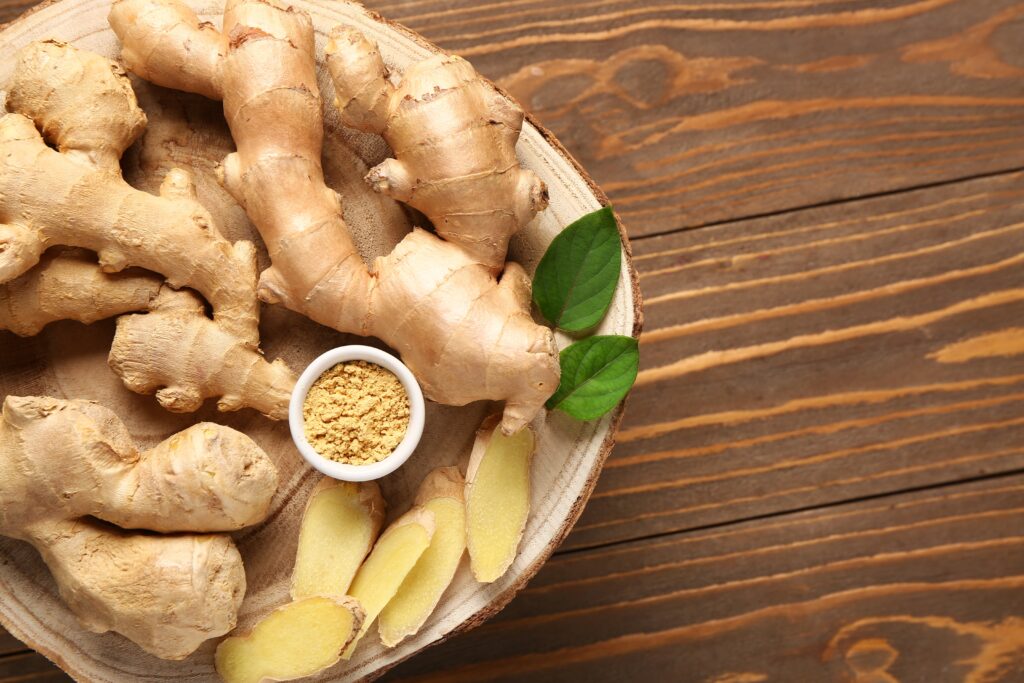
Ginger contains gingerol, a compound with mild blood-thinning effects.
When combined with anticoagulants, ginger could raise the risk of excessive bleeding – especially in supplement form or concentrated doses.
Ginger and diabetes meds
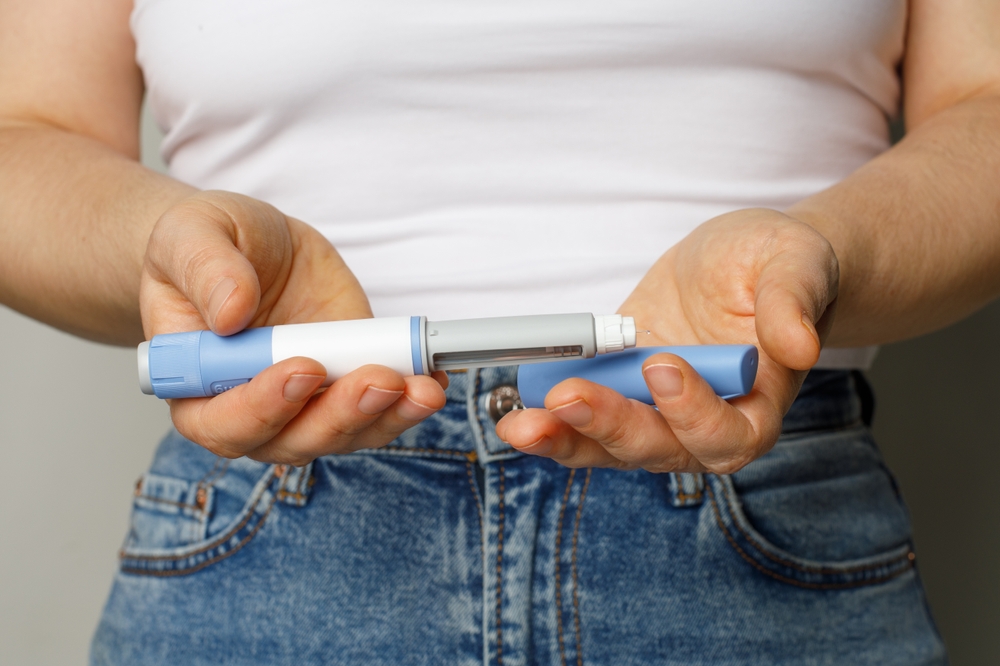
Some studies indicate that ginger may help lower blood sugar, but more research is needed.
For those taking medication for diabetes, there’s a potential that ginger could intensify the drug’s effects and cause blood sugar to dip too low.
This article is based on information from The Sun.
This article is made and published by Ida-Marie Palm Varbæk, who may have used AI in the preparation.