
If you’re trying to build muscle, lifting weights isn’t enough. The protein on your plate plays just as crucial a role.
Your body breaks down muscle

When you don’t consume enough protein, your body starts breaking down muscle tissue to access essential amino acids needed for vital functions.
This can result in decreased muscle mass and strength over time.
Animal proteins are more effective for muscle building
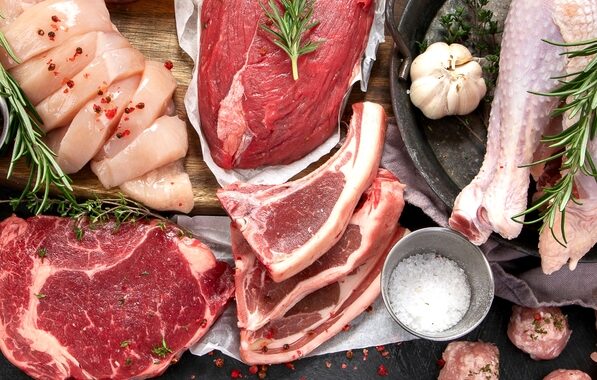
Sources like meat, eggs, dairy, and fish provide all essential amino acids in the right proportions and are easier for the body to absorb – making them especially effective for muscle growth.
Plant protein works too
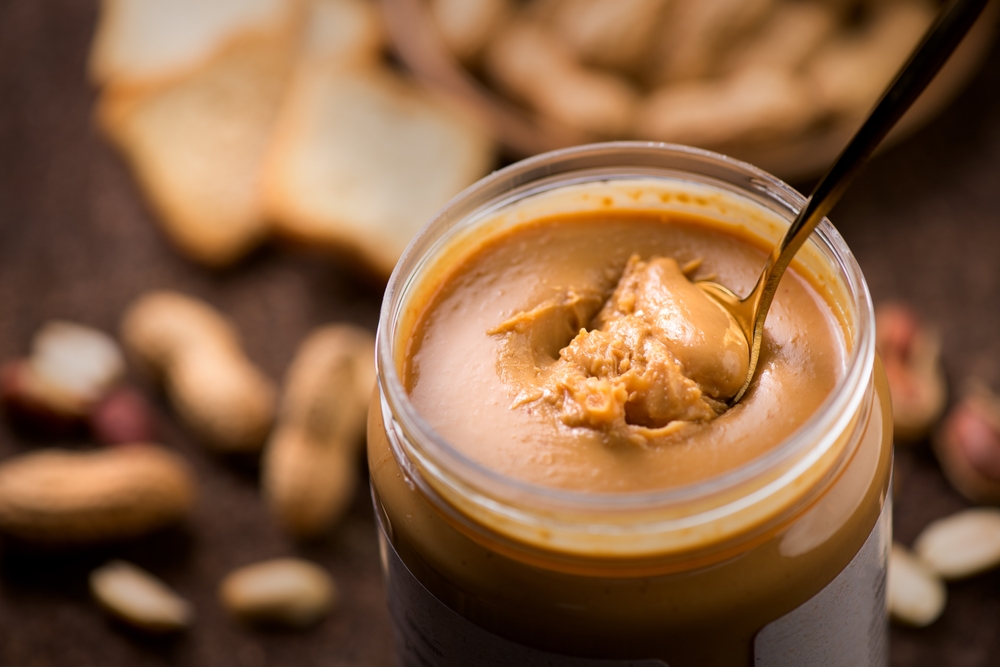
For those on plant-based diets, combining foods such as rice and beans or whole grain bread with peanut butter can provide the full range of amino acids your muscles need.
Protein needs vary from person to person

Your optimal protein intake depends on several factors, including age, gender, activity level, and overall health.
For a tailored recommendation, consult a dietitian or healthcare provider.
The official recommendation isn’t enough

The current recommendation of 0.8 grams of protein per kilogram of body weight is designed only to prevent deficiency.
If your goal is to build muscle, you’ll need significantly more.
This is how much protein you should consume
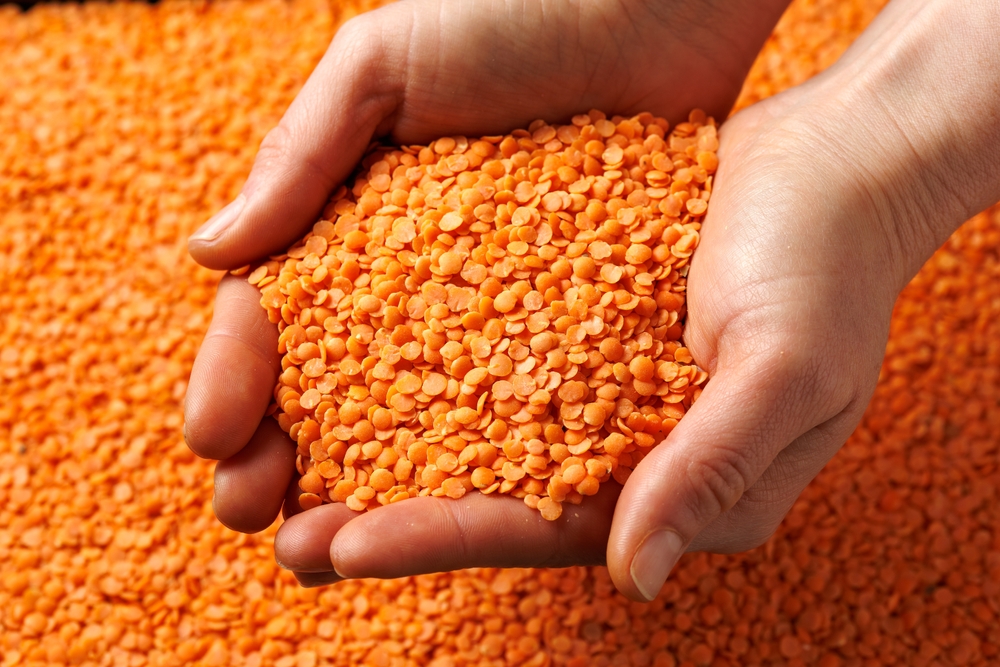
According to multiple studies, the sweet spot for muscle growth lies between 1.2 and 1.6 grams of protein per kilogram of body weight per day – paired with consistent resistance training.
The magic number
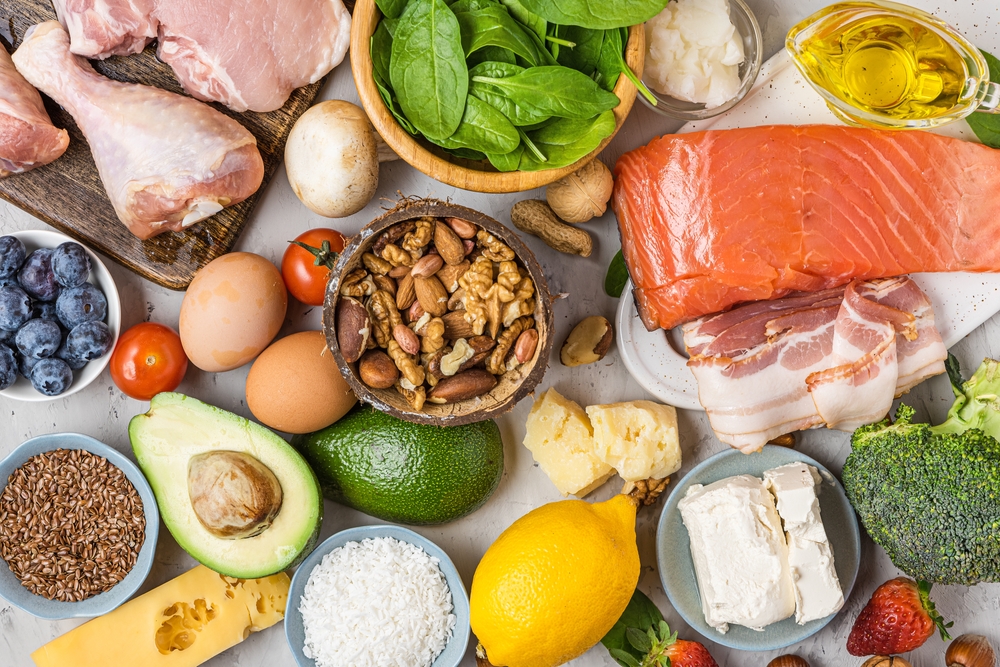
A 2022 systematic review found that 1.6 g/kg of protein per day results in modest but measurable gains in lean body mass, particularly in younger individuals who already engage in strength training.
More isn’t always better

Research shows that muscle-building benefits diminish beyond 1.6 g/kg. In other words, eating more protein than this won’t necessarily translate to more muscle.
Healthy adults can tolerate this amount
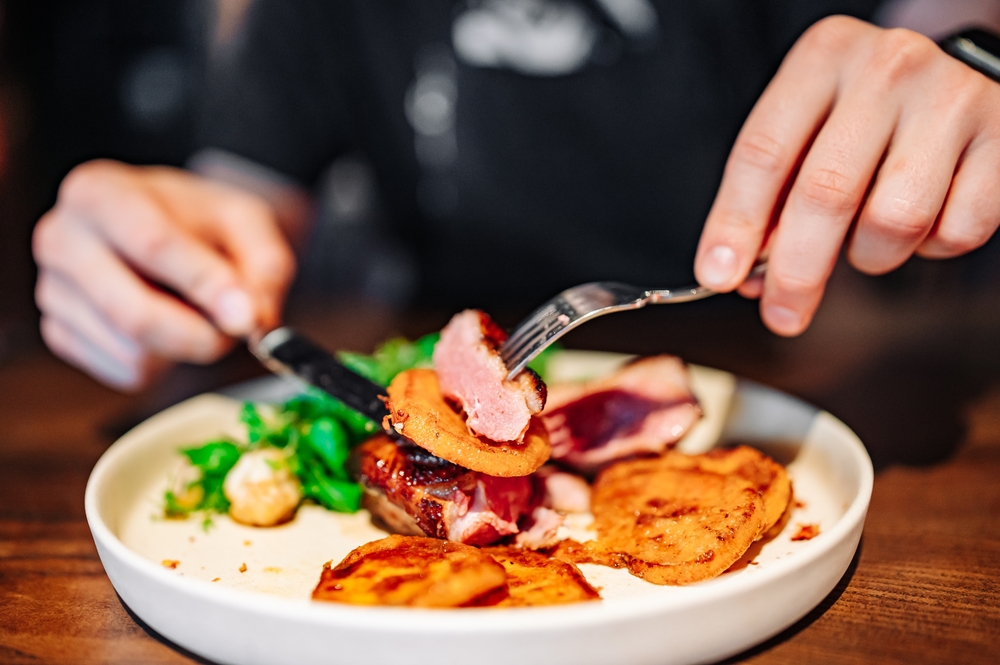
Most people can safely consume up to 2 grams of protein per kilogram of body weight per day – especially if they’re physically active and eating a balanced diet.
It’s possible to overdo it
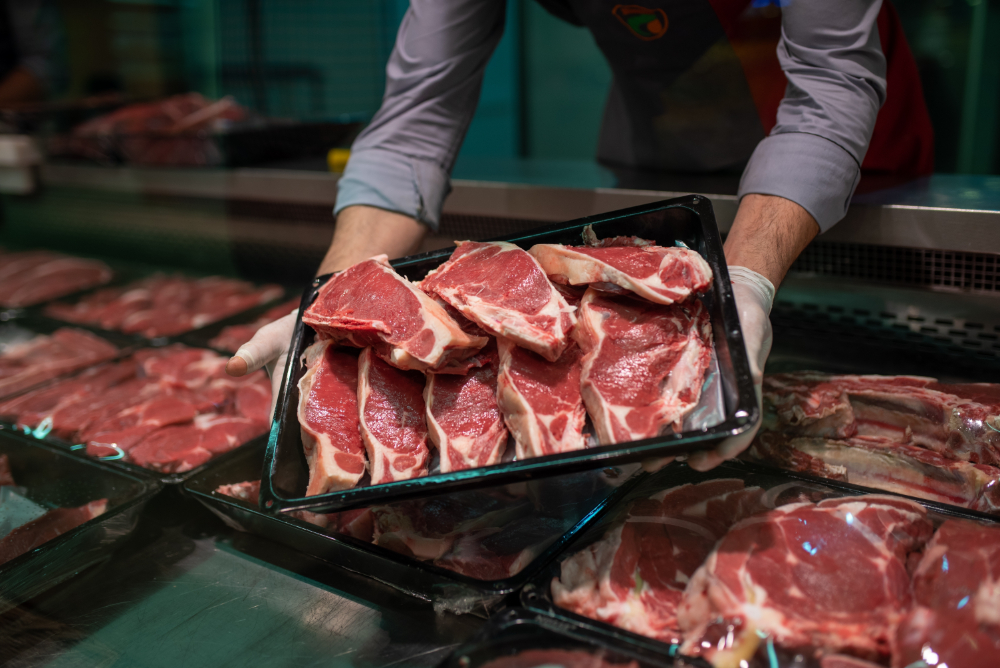
Consuming over 2 g/kg of protein long-term may cause issues like nausea, dehydration, fatigue, and in severe cases, damage to the kidneys or liver.
Article is based on information from Medical News Today.
This article is made and published by Ida-Marie Palm Varbæk, who may have used AI in the preparation.