
Healthy eating doesn’t have to drain your wallet. Here are some affordable and nutrient-packed foods that are easy to prepare, delicious, and kind to your grocery budget.
Lentils
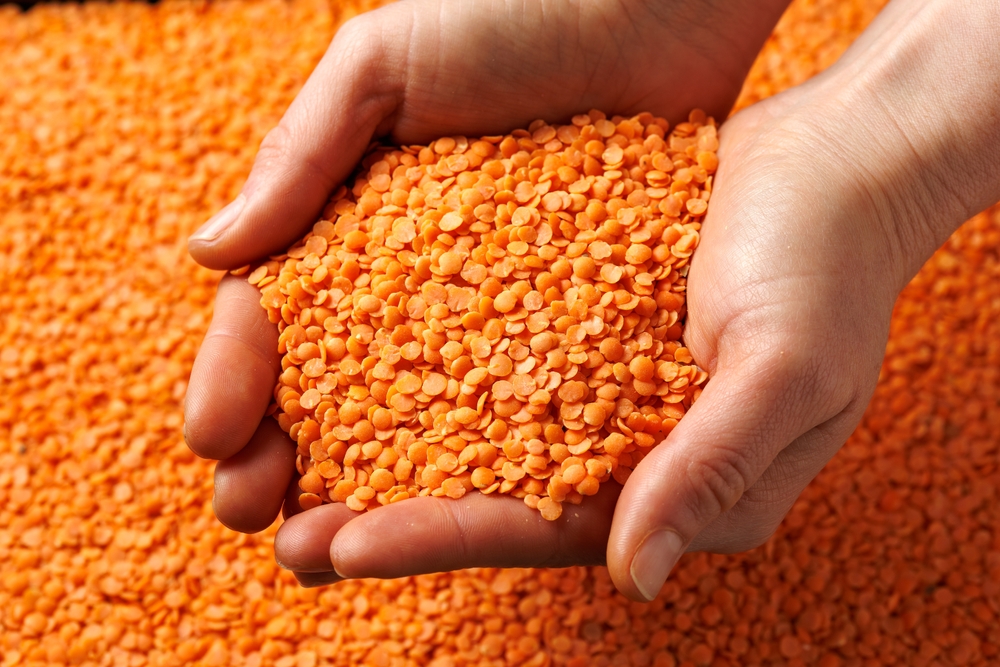
These tiny legumes are packed with nutrition. With 9 grams of protein per serving, they’re an excellent plant-based substitute for meat.
Lentils are also rich in folate, iron, potassium, and fiber, which helps you stay full longer. Use them in soups, salads, stews, or served over rice.
Chickpeas
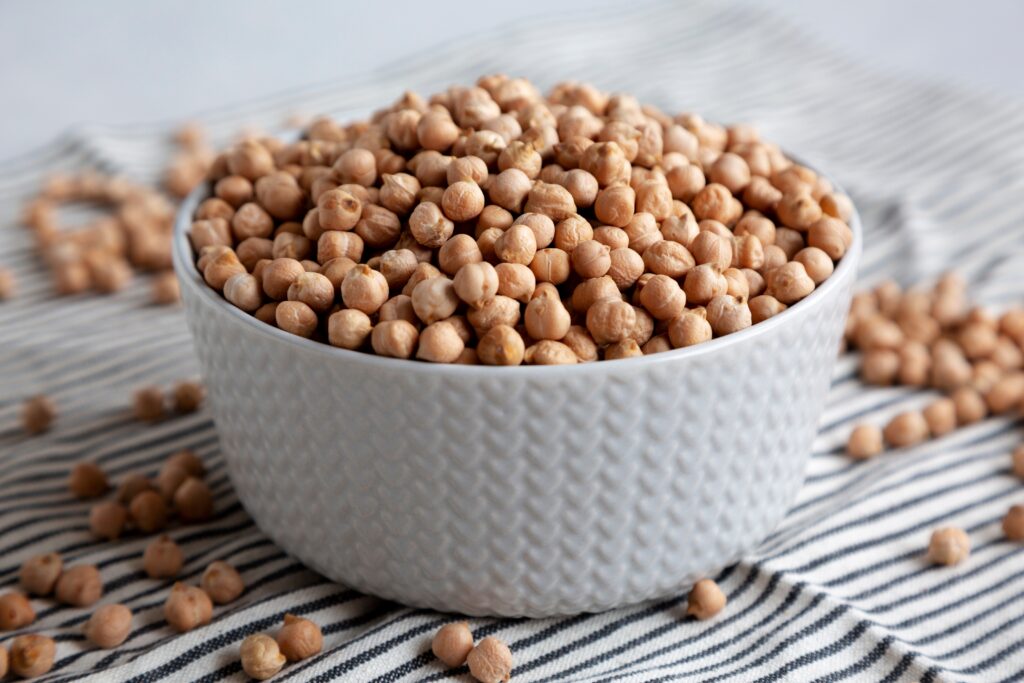
Chickpeas deliver more than 7 grams of protein per half-cup, plus fiber and iron.
They’re incredibly versatile: toss them into a salad, cook them into a spicy curry, or blend them into smooth, creamy hummus for a healthy snack or sandwich spread.
Oats
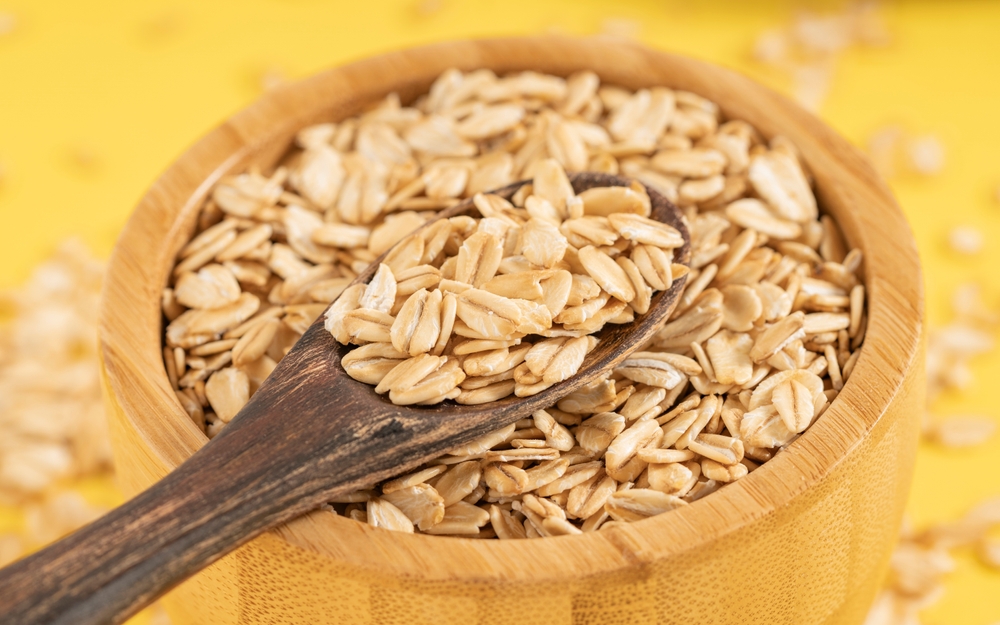
Oats are a breakfast staple that goes far beyond the morning bowl. Their high fiber content supports digestion, lowers cholesterol, and helps control hunger.
Use them in oatmeal, add them to casseroles, or incorporate them into baked goods like cobblers and muffins.
Potatoes
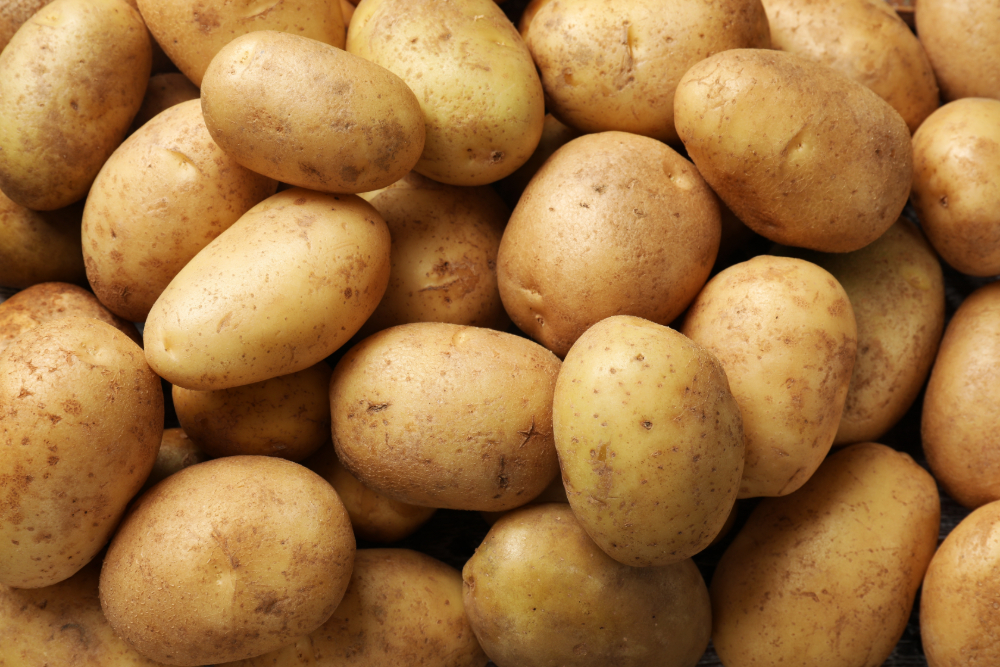
Often overlooked, the humble potato offers vitamin C, fiber, and potassium. They can help support heart health and even lower blood pressure.
Bake them, roast them with olive oil, or top with veggies or lean protein for a filling and healthy meal.
Sweet potatoes
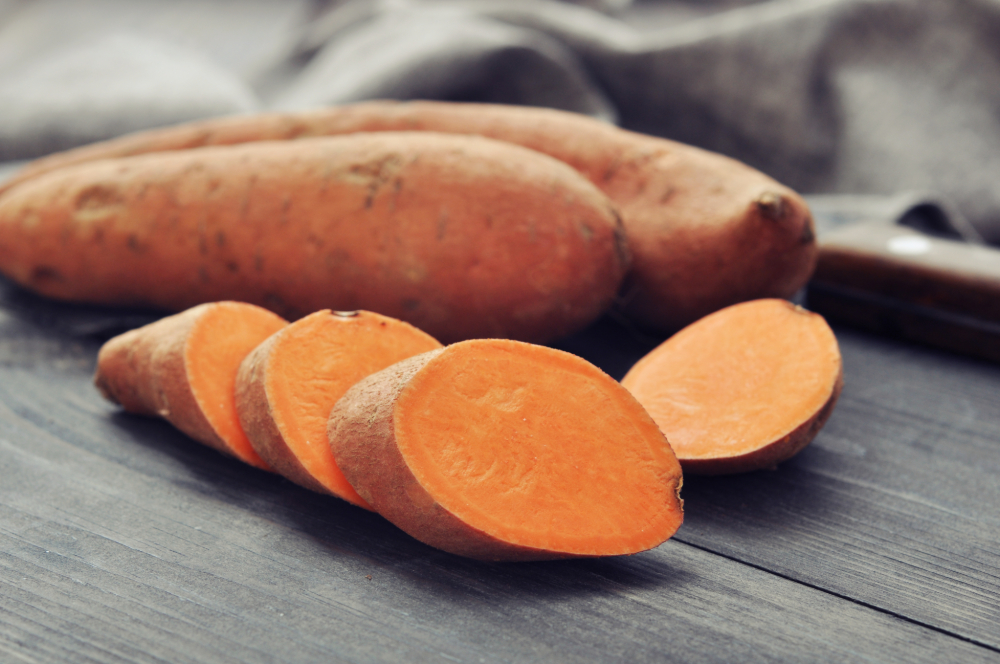
Sweet potatoes are nutrient-dense, providing high amounts of vitamin A and C, plus more fiber than white potatoes.
They’re naturally sweet and can be baked, roasted, or even shredded into batters for nutritious baked goods like muffins or pancakes.
Sardines
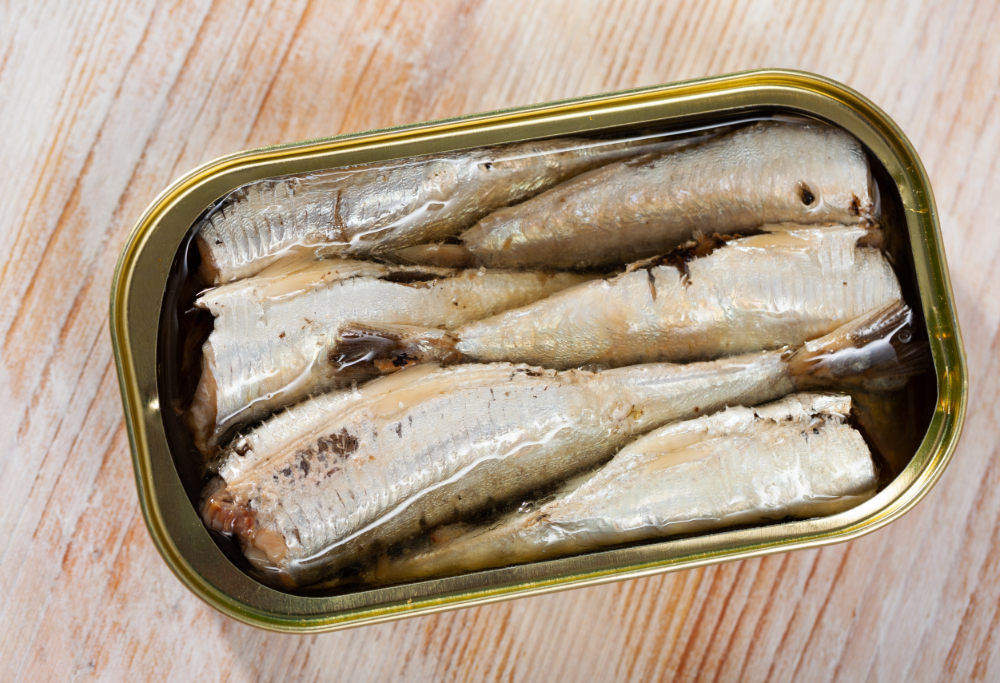
Sardines are a compact source of protein, calcium, vitamin D, and omega-3 fatty acids, which promote heart and brain health.
Look for sardines packed in water to keep the calories low, and enjoy them on whole-grain bread or mashed into spreads with lemon and herbs.
Beans
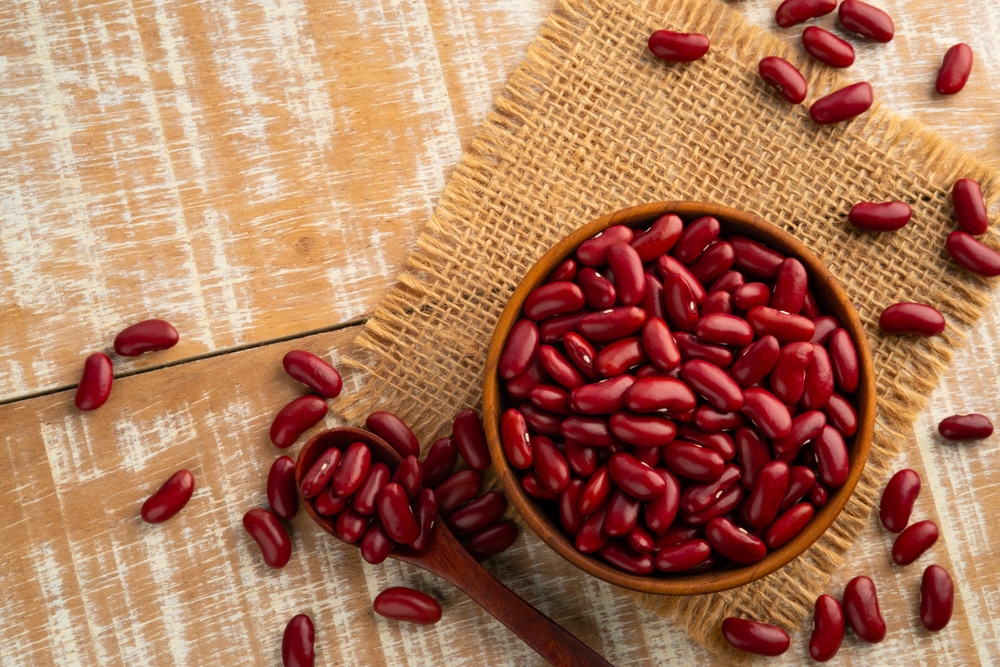
Beans are a budget-friendly source of protein, fiber, folate, and potassium.
They’re easy to prepare from dry or canned form and can be used in soups, stews, salads, or as a meat substitute in many dishes.
Rinsing canned beans helps reduce added sodium.
Popcorn

This whole grain is more than just a movie-night snack. Popcorn is naturally low in calories and high in fiber, helping to curb your appetite.
Skip the butter and load up on flavor with herbs, spices, or a sprinkle of nutritional yeast for a cheesy, savory crunch.
Whole-grain pasta

Pasta in its whole-grain form is a smart choice thanks to its fiber content and slower impact on blood sugar.
It’s low in fat and sodium, and when combined with veggies and a light sauce, it becomes a satisfying, nutritious meal.
Bananas
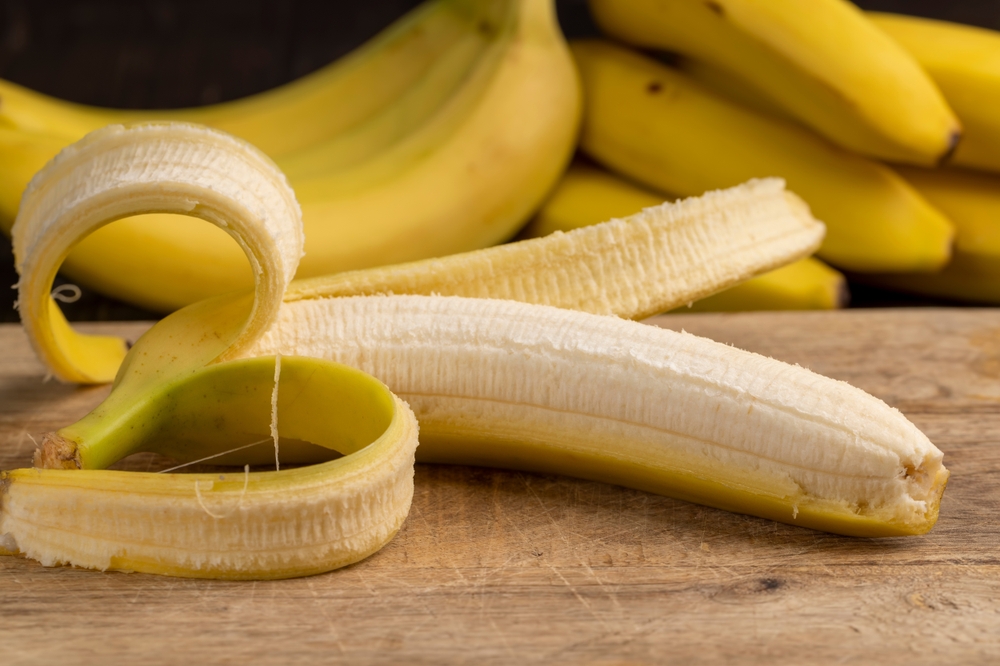
Bananas offer natural sweetness along with fiber, vitamin B6, vitamin C, and potassium, which supports heart health and blood pressure regulation.
They’re easy to digest, making them ideal when you’re recovering from illness, or just a quick, portable snack.
This article is based on information from WebMD.
This article is made and published by Ida-Marie Palm Varbæk, who may have used AI in the preparation.