
A quick nap during the day might feel like the perfect energy boost and make your day better.
But new research shows your daytime sleep could say much more about your overall health than you think.
Shorter nighttime sleep leads to more naps

Many adults struggle to get the recommended 7–9 hours of sleep each night, especially as they age. To make up for it, they often rely on daytime naps.
Napping may signal hidden health issues
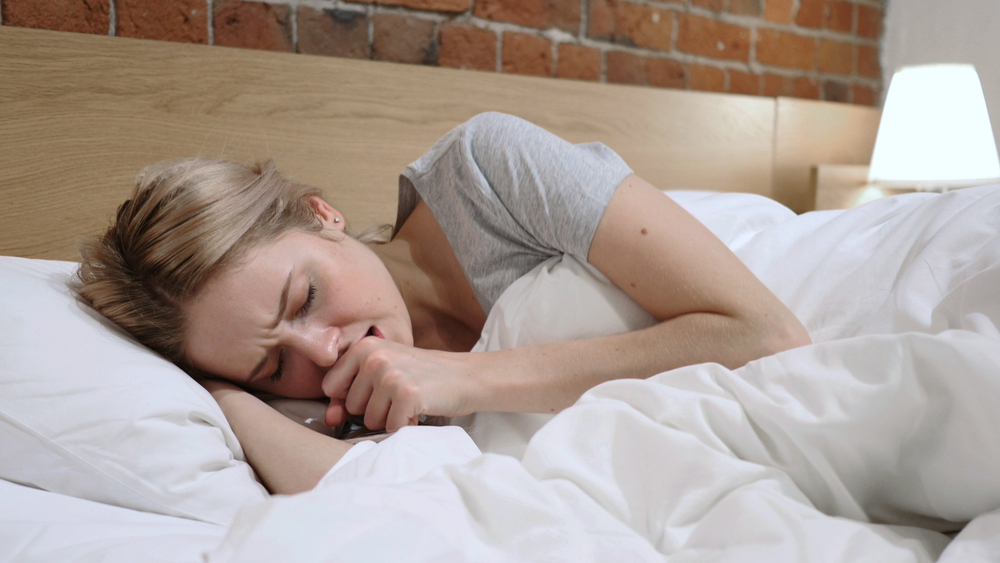
New findings suggest that napping isn’t always beneficial but could be an indicator of underlying medical conditions.
Also read: These Tiny Arm Mistakes Could Ruin Your Blood Rressure Reading
Longer naps linked to higher death risk
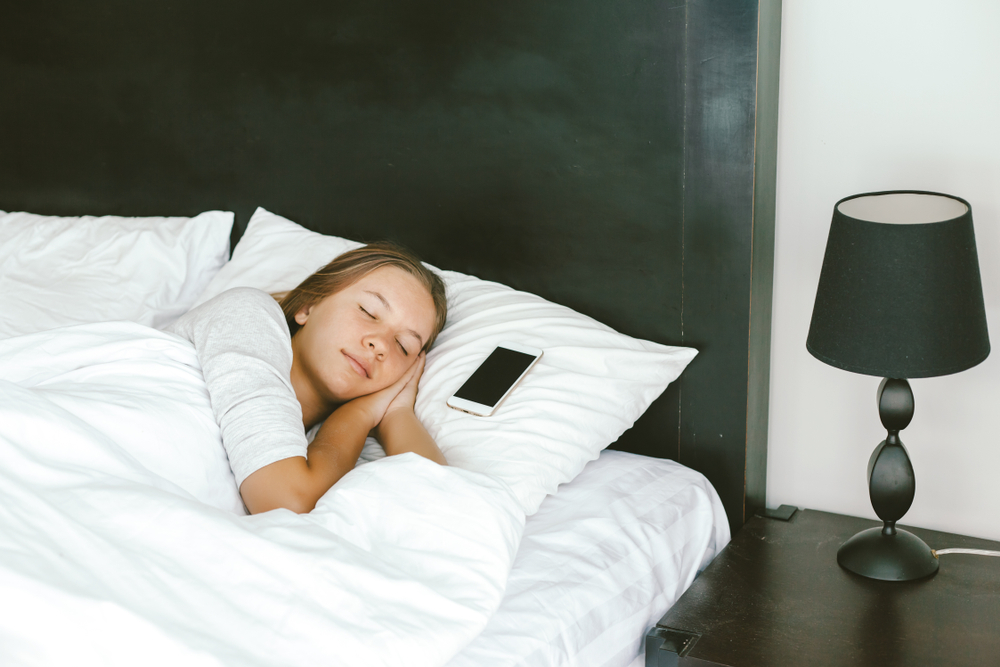
The study found that people who took longer and more frequent naps during the week had a higher risk of dying from any cause.
Timing of your nap matters
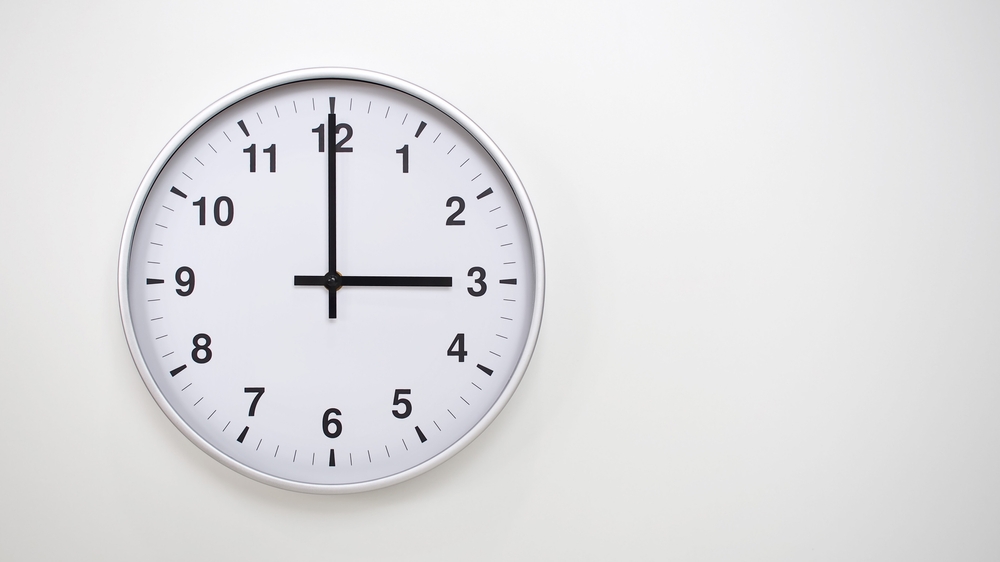
Participants who napped between 11 am and 3 pm were more likely to face a higher mortality risk than those who didn’t nap during that period.
Variability in nap length is a red flag
It wasn’t just nap duration. Big day-to-day differences in how long people napped also correlated with an increased risk of death.
Naps likely reflect health problems

Experts emphasize that naps themselves probably don’t cause health issues but instead point to poor nighttime sleep or chronic conditions.
Also read: Weight Loss Without Side Effects? New Research Shows Better Results Than Wegovy
Poor nighttime sleep can drive daytime naps

If you’re not sleeping well at night, you might feel compelled to nap during the day — which can indicate undiagnosed sleep disorders.
Longer naps tied to higher BMI and blood pressure
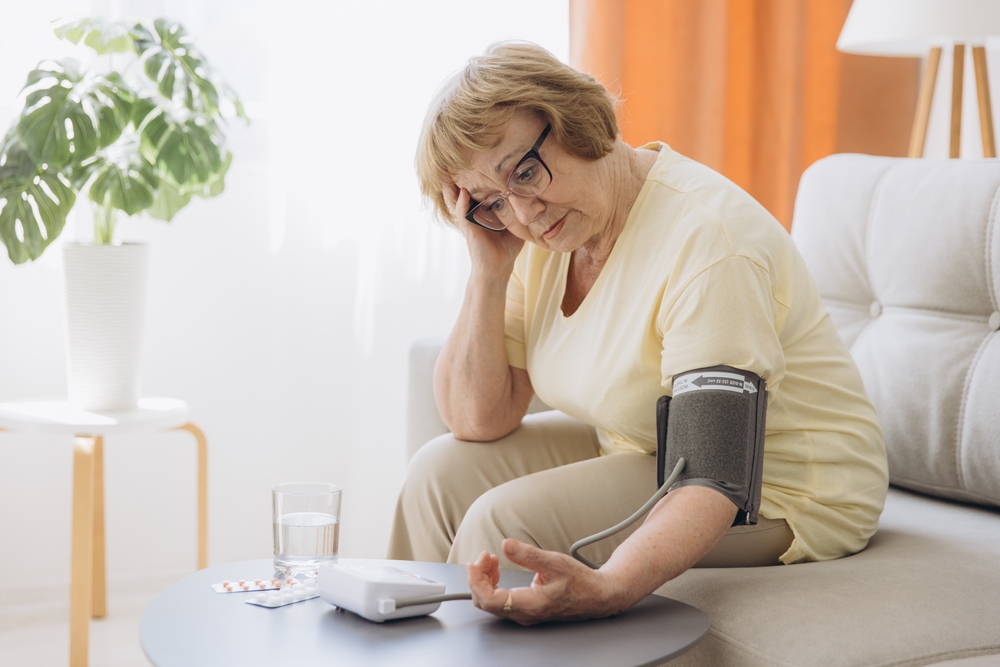
Past research shows that longer daytime naps are linked to higher body weight, larger waistlines and increased blood pressure.
Experts recommend better sleep hygiene
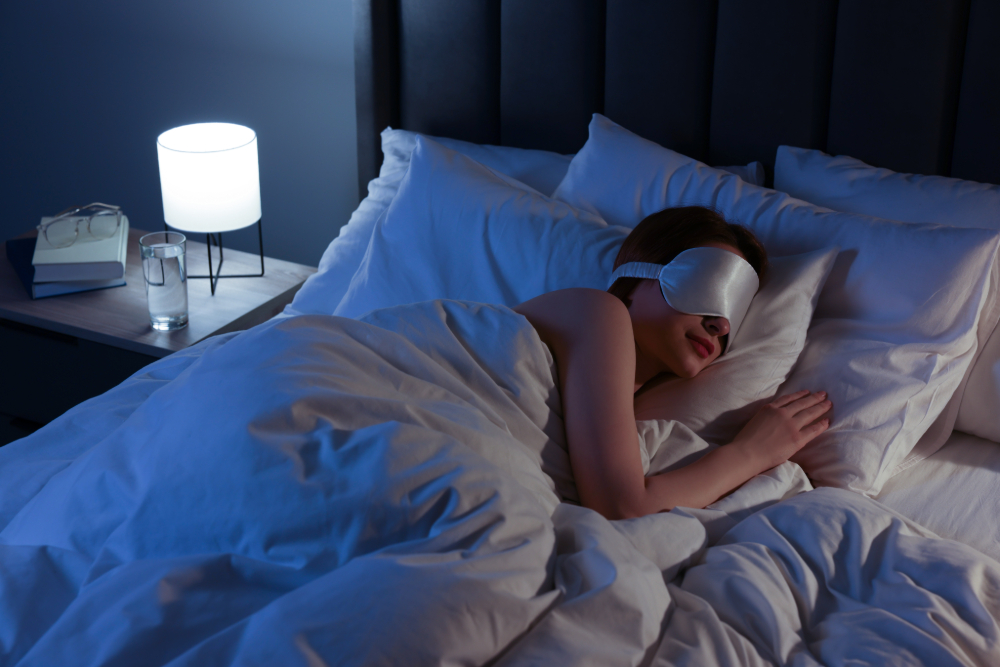
To avoid excessive daytime naps, sleep specialists suggest sticking to a regular sleep schedule, limiting screens before bed and exercising regularly.
Naps can be a clinical warning sign
Dr. Emer MacSweeney highlights that changes in nap habits can serve as early warning signs of declining health or disrupted sleep in older adults.
Also read: These Everyday Foods Could Be The Key To Lowering Your Cholesterol Naturally
This article is based on information from Medical News Today.
Also read: Struggling With Shaking Hands? This Is What Doctors Recommend
This article is made and published by Ida-Marie Palm Varbæk, who may have used AI in the preparation.