
We often think of brushing and flossing as only about fresh breath and a nice smile, but did you know your teeth could hold the key to keeping your brain healthy too?
Here’s what you need to know about the surprising link between your mouth and your mind.
Teeth are essential for good digestion
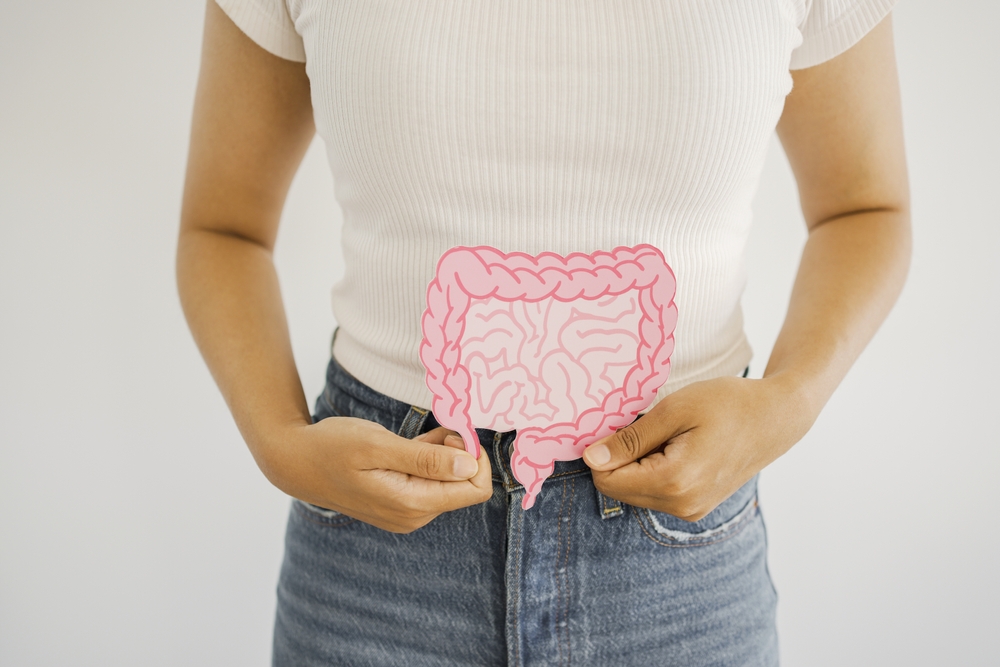
Without strong teeth, you can’t chew food properly, which makes it harder for your body to digest and absorb nutrients, weakening your overall health.
A beautiful smile improves social interactions

Healthy, attractive teeth make it easier to speak clearly and express yourself confidently, boosting your self-esteem and your social life.
Also read: This Is the Exact Time You Should Eat Dinner, According to Science
Chew more to eat less

Chewing thoroughly helps mix food with saliva, eases the burden on your stomach, and gives your brain time to register fullness so you don’t overeat.
Missing teeth raise dementia risk
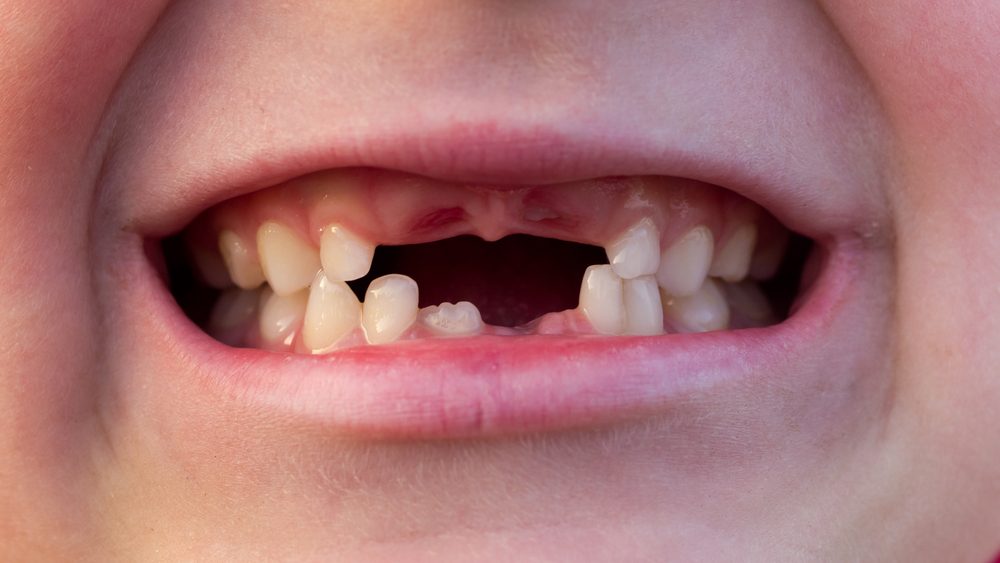
Having fewer teeth can reduce blood flow to the brain, increasing the risk of cognitive decline and dementia over time.
Every bite boosts blood flow to the brain

Each chew acts like a natural pump, pushing blood through the gums and sending oxygen and nutrients to your brain to keep it active and healthy.
Gum disease is the hidden threat
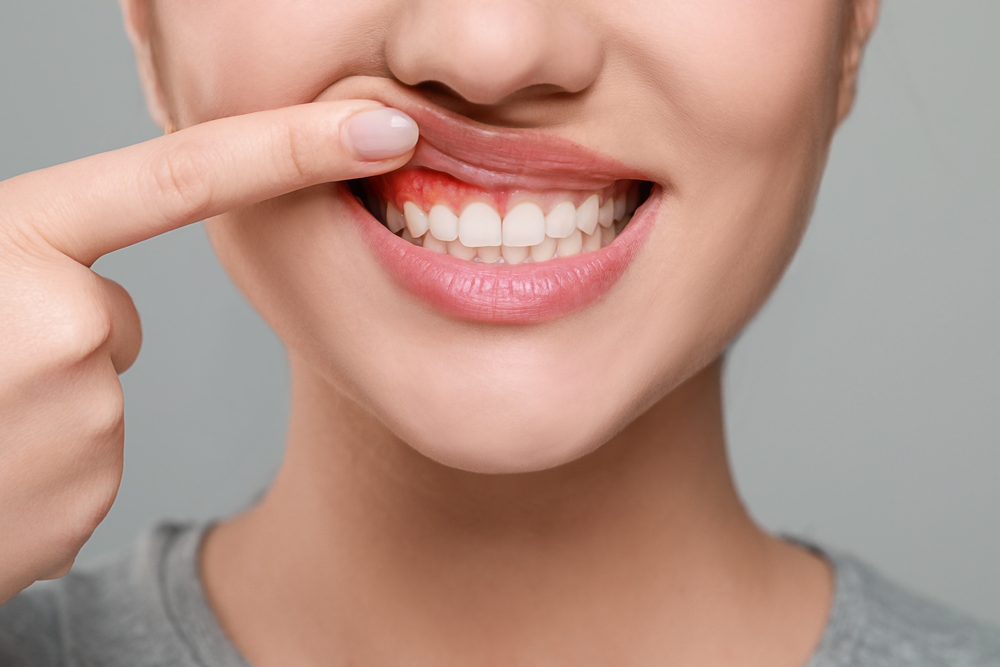
Gum disease is the main reason adults lose teeth, and tooth loss can directly impact how much stimulation your brain gets.
Also read: The World’s Oldest Practicing Doctor at 102 Reveals His Secrets to a Healthy Life
Japan’s “8020” campaign shows it works

Japan encourages people to keep at least 20 of their own teeth at age 80. This has proven to help older adults maintain better brain health and quality of life.
Modern diets are too soft

Because we eat more processed, softer foods, we chew less than previous generations, missing out on important brain stimulation.
Chewing gum is a brain-friendly habit
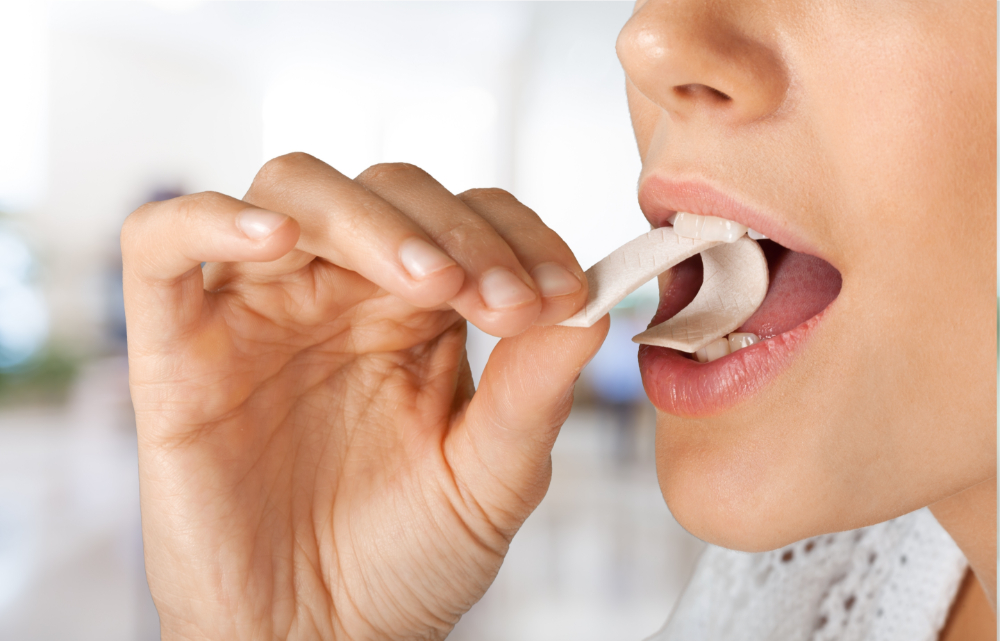
Sugar-free gum with xylitol not only protects against cavities but also boosts blood flow in the gums and brain, helping clear waste and strengthen teeth.
Dentists and neurologists team up

Japanese research shows that combining dental care with neurology can help slow down or even prevent cognitive diseases.
Also read: You Won’t Believe These Simple Tricks to Stop Motion Sickness for Good
It’s a powerful partnership for a sharper mind.
Artiklen er baseret på informationer fra Tw.news.yahoo.com.
Also read: Your Luggage Could Be Crawling with Bed Bugs — Here’s How to Stop It
This article is made and published by Ida-Marie Palm Varbæk, who may have used AI in the preparation.