
We often hear that the sun is dangerous — but in small doses, its rays can actually be good for both body and mind.
But how long can you actually stay in the sun before it becomes harmful?
Sunbathing gives you vitamin D
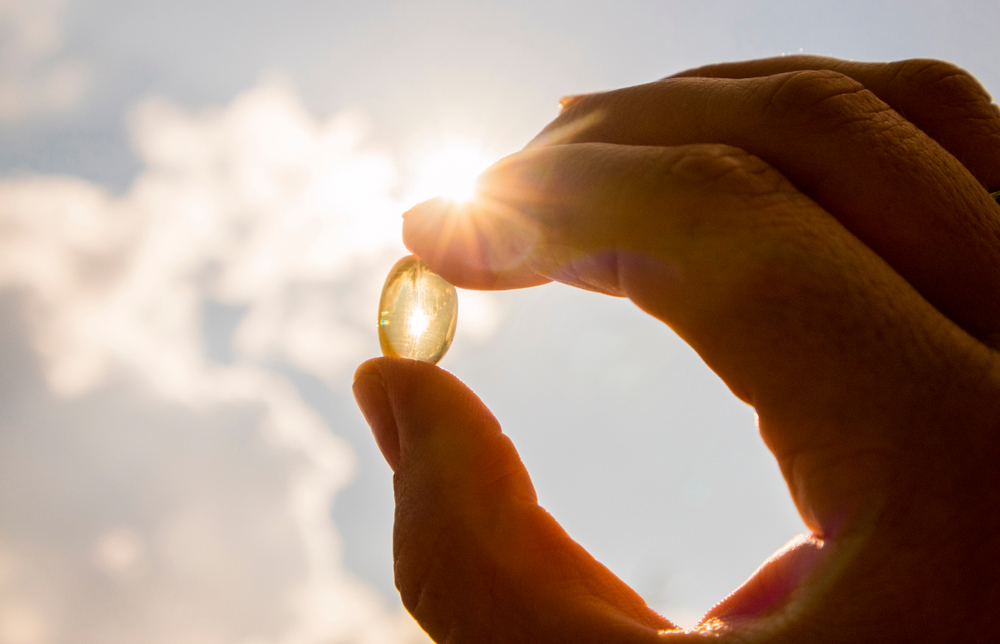
When you lie in the sun, UV rays help your body convert cholesterol into vitamin D, which is vital for everything from bones to the immune system.
The sun can lift your mood

Sunlight triggers your brain to produce serotonin, a hormone that can reduce symptoms of depression and make you feel calmer and happier.
Also read: Scientists Reveal the Exact Time You Should Spend Peeing
You sleep better after a sunny day

Daylight helps regulate your circadian rhythm, making it easier to feel naturally tired when the sun goes down.
Stronger bones thanks to the sun
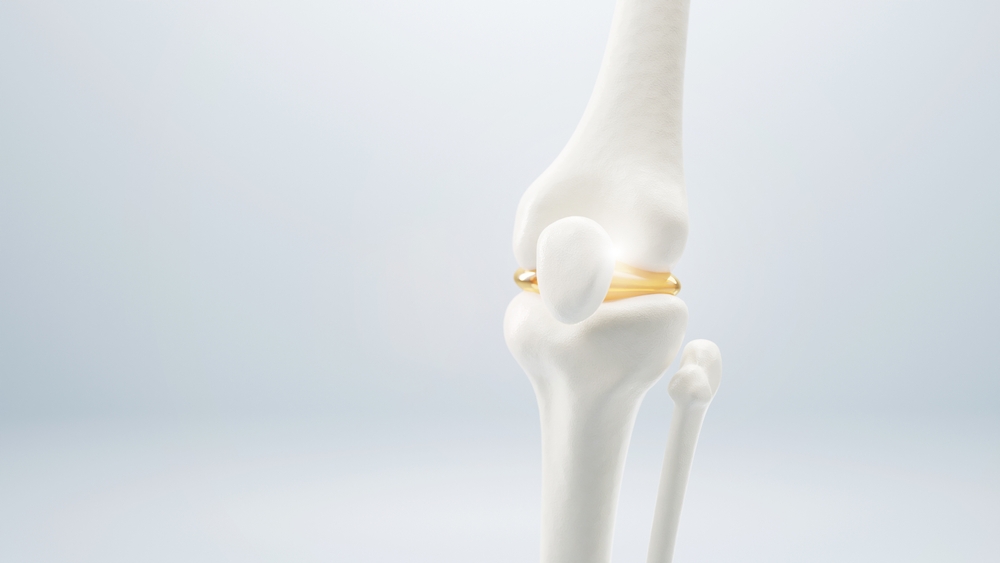
Vitamin D from the sun enables your body to absorb calcium efficiently, which can prevent osteoporosis and joint problems.
Your immune system gets a boost

Regular, careful sun exposure can help your body fight off diseases like the flu, heart disease, and certain types of cancer.
Too much sun does have risks
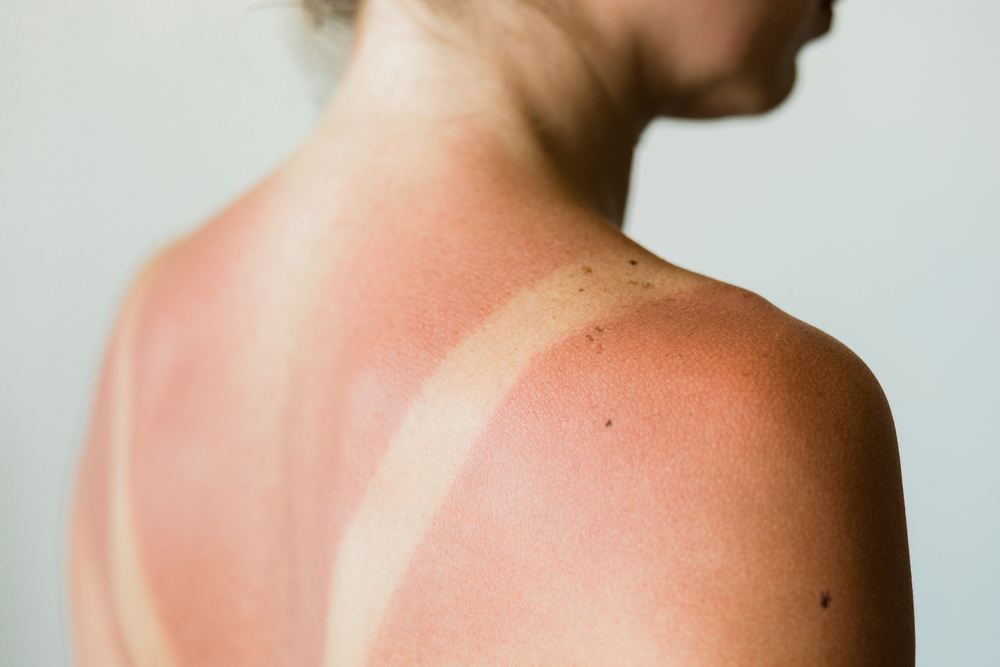
Too much time in the sun can cause sunburn, heat rash, and in the worst cases, increase the risk of skin cancer like melanoma.
Also read: 7 Everyday Home Remedies That Help Bring Down Your Blood Pressure
Take extra care if you're pregnant

If you’re pregnant, too much time in the sun can raise your body temperature and cause dehydration, which may affect the fetus — but vitamin D is still crucial.
Smart tips for safe sunbathing
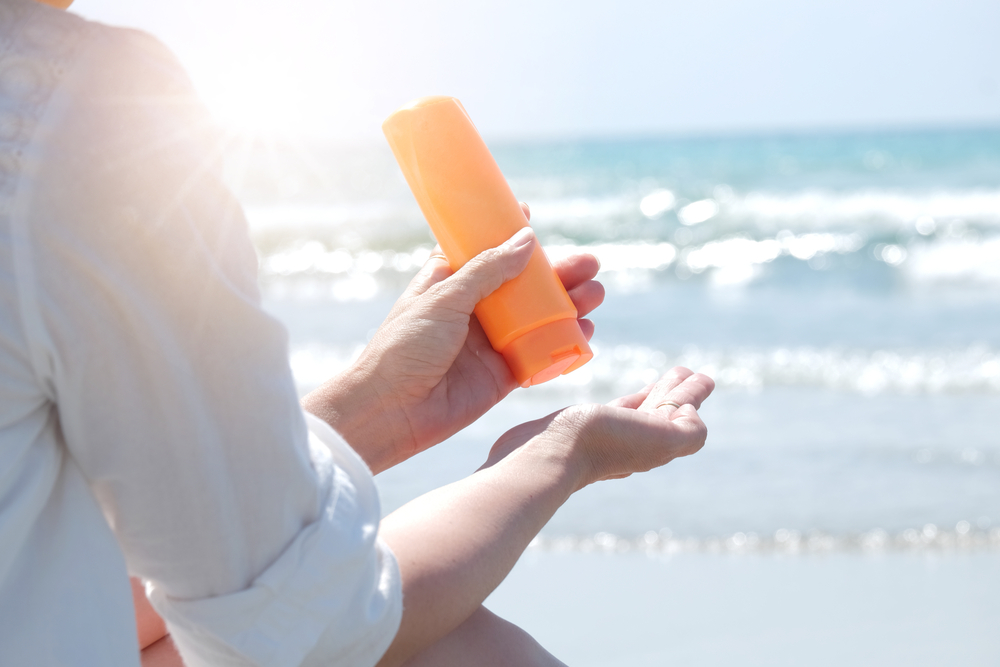
Use sunscreen with at least SPF 30, apply it 15 minutes before going out, and remember areas like your scalp, hands, feet, and lips.
Take shade breaks and drink water.
Good alternatives exist

If lying flat in the sun isn’t your thing, you can still get the benefits by going for a walk, eating outside, opening windows, or taking a vitamin D supplement.
Also read: Lower Your Cholesterol With Foods You Already Love
So how long can you really stay out without sunscreen?
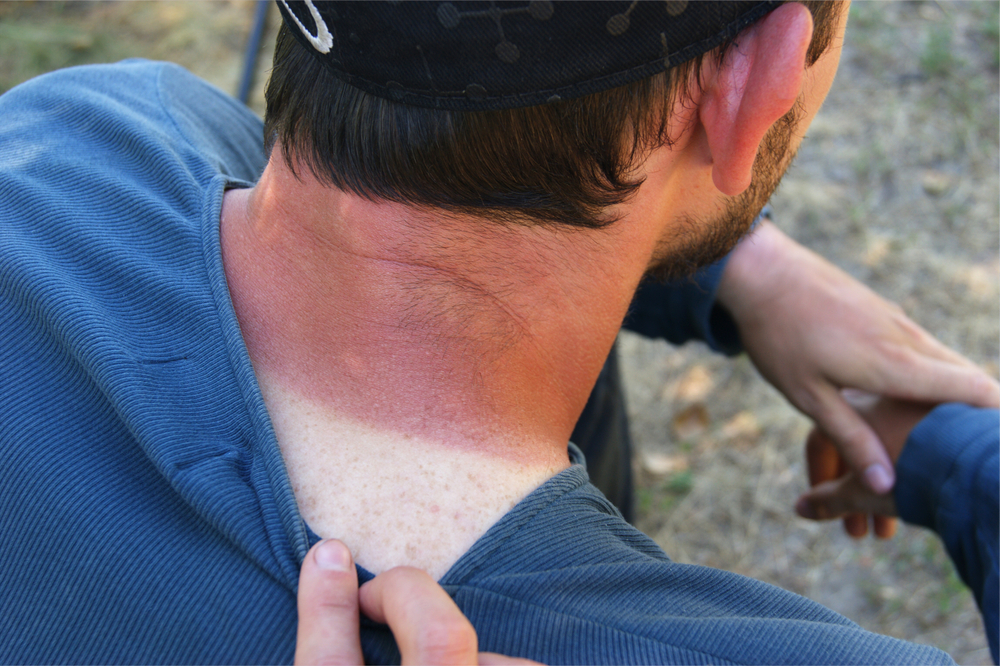
Most dermatologists recommend you don’t spend more than 5–20 minutes in the sun daily without protection — depending on your skin type, where you live, and air quality.
This article is based on information from Healthline.com.
Also read: These Two Common Foods Could Be Behind Your Nightmares
This article is made and published by Ida-Marie Palm Varbæk, who may have used AI in the preparation.