
Passing gas is completely normal – in fact, most people do it between 5 and 15 times a day. The amount and smell depend largely on what you eat.
Here are the most common foods that can cause gas in your digestive system and, in some cases, a less-than-pleasant odor.
High-fat foods

Fat slows down digestion, which can cause food to ferment in the intestines and produce foul-smelling gases.
Fatty meats also contain sulfur-rich amino acids that can lead to a rotten egg smell.
Also read: This Is How Many Calories You Burn with Your Daily Chores
Legumes
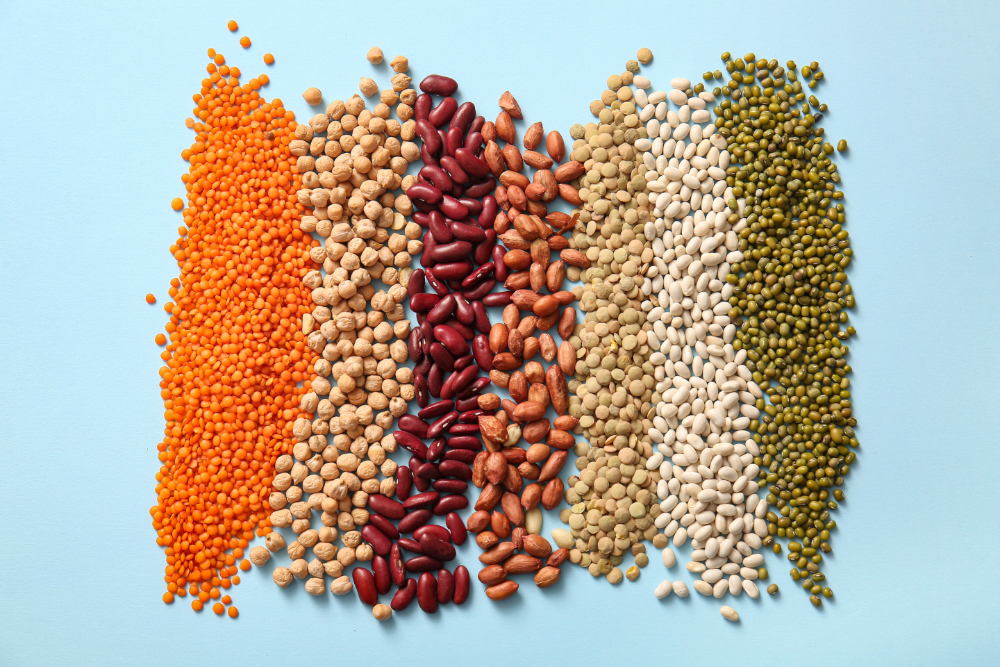
Beans, lentils, and other legumes are packed with fiber and the sugar raffinose, which the body struggles to break down.
In the gut, bacteria transform these into gases like hydrogen, methane, and sulfur compounds.
Eggs

Although eggs don’t cause problems for everyone, they contain sulfur compounds that can intensify odor – especially when eaten with other gas-producing foods like beans or fatty meats.
Onions

Onions, garlic, spring onions, and artichokes contain fructans, a type of carbohydrate that can create gas and bloating.
Also read: New Research: The Body Sends Signals 12 Years Before a Heart Attack
Dairy products
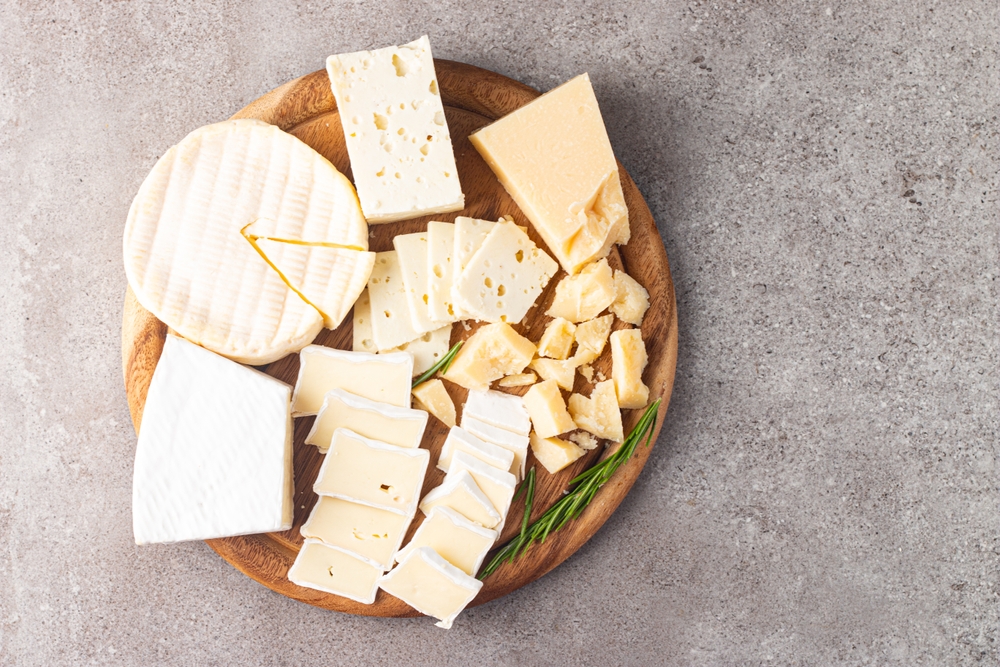
Milk, cheese, and other dairy products contain lactose.
Around two-thirds of the world’s adult population has some degree of lactose intolerance, which can lead to bloating and gas.
Wheat and whole grains
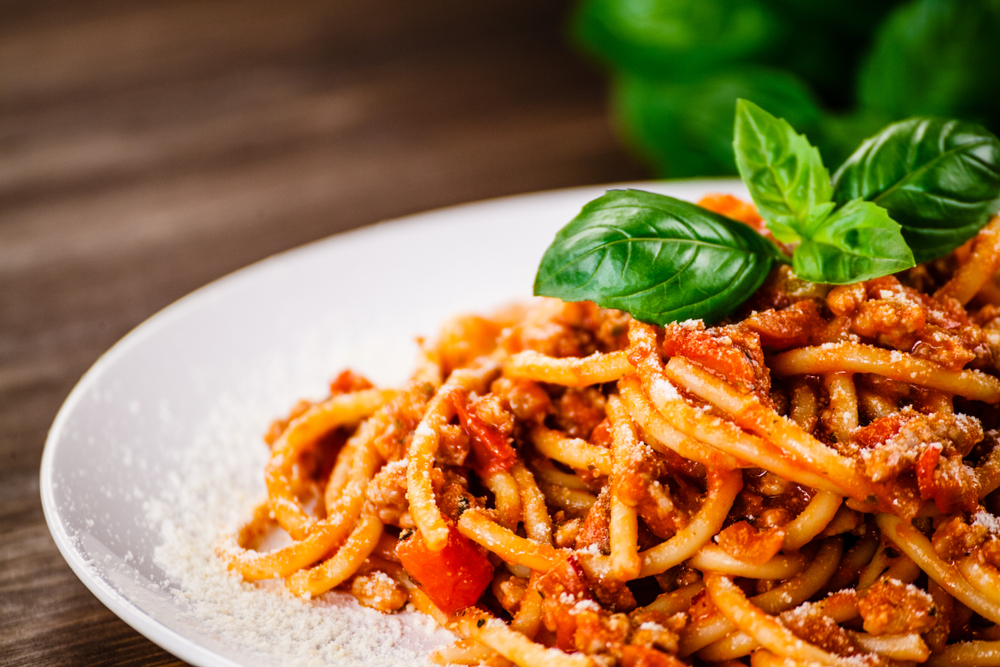
Bread, pasta, and oats can be rich in fructans and fiber, both of which promote gas formation.
Some grains also contain gluten, which may cause discomfort in people with gluten intolerance.
Also read: This Type of Bottle Can Contain Far More Microplastics than Plastic Bottles
Broccoli, cauliflower, and cabbage
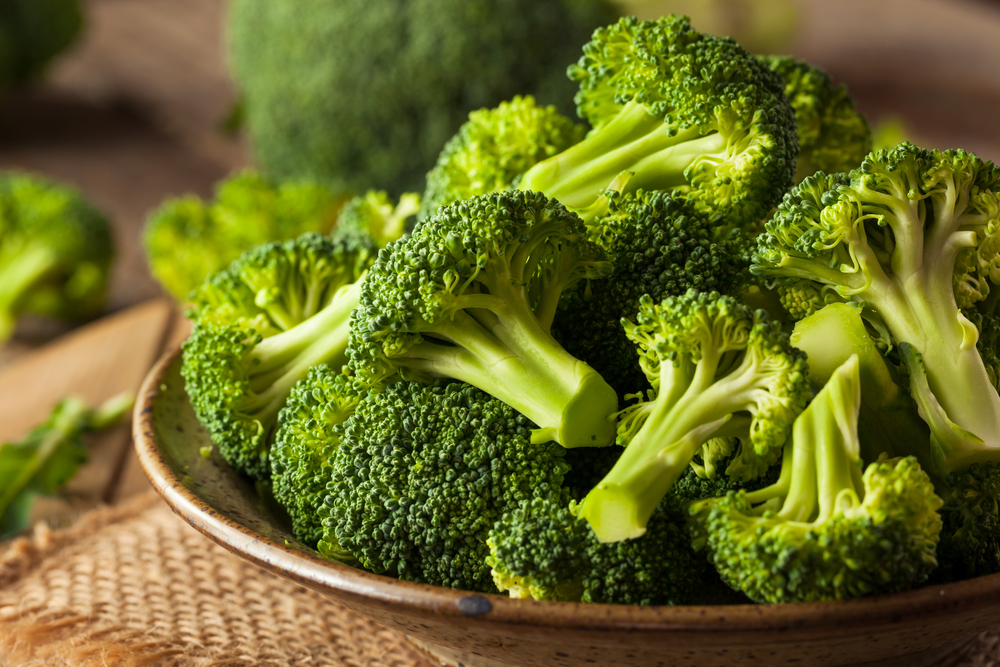
These fiber-rich vegetables provide excellent fuel for gut bacteria, which in turn produce gas. Their sulfur content can also contribute to a stronger odor.
Fruits high in fructose
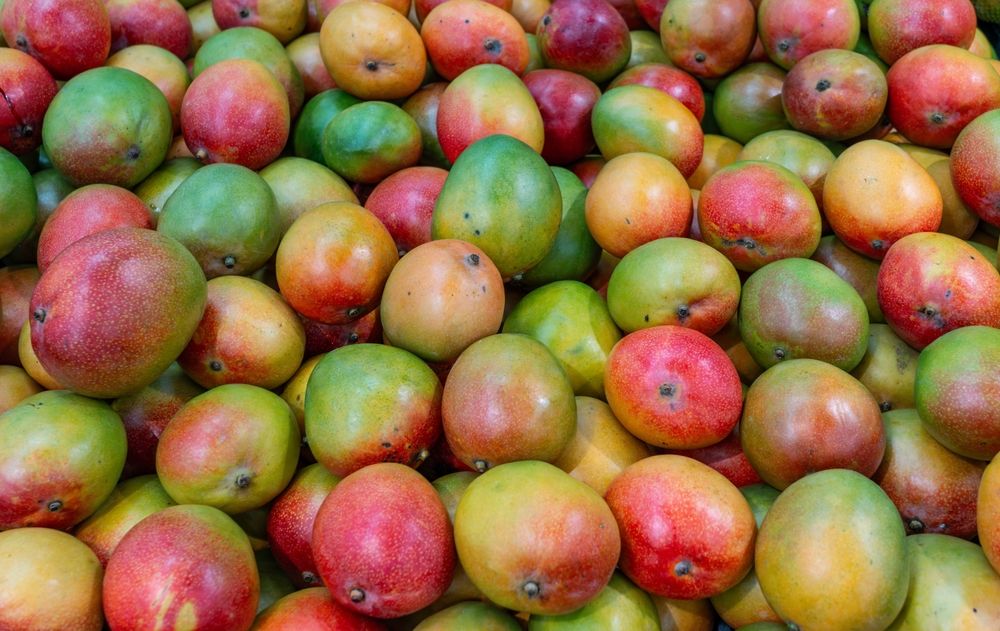
Apples, mangoes, and pears are naturally high in fruit sugars and fiber. For some people, fructose can be hard to digest, leading to gas build-up.
Carbonated drinks

Soda and other fizzy drinks introduce extra air into your stomach, which must leave the body either through burping or farting.
Rapid increase in fiber intake
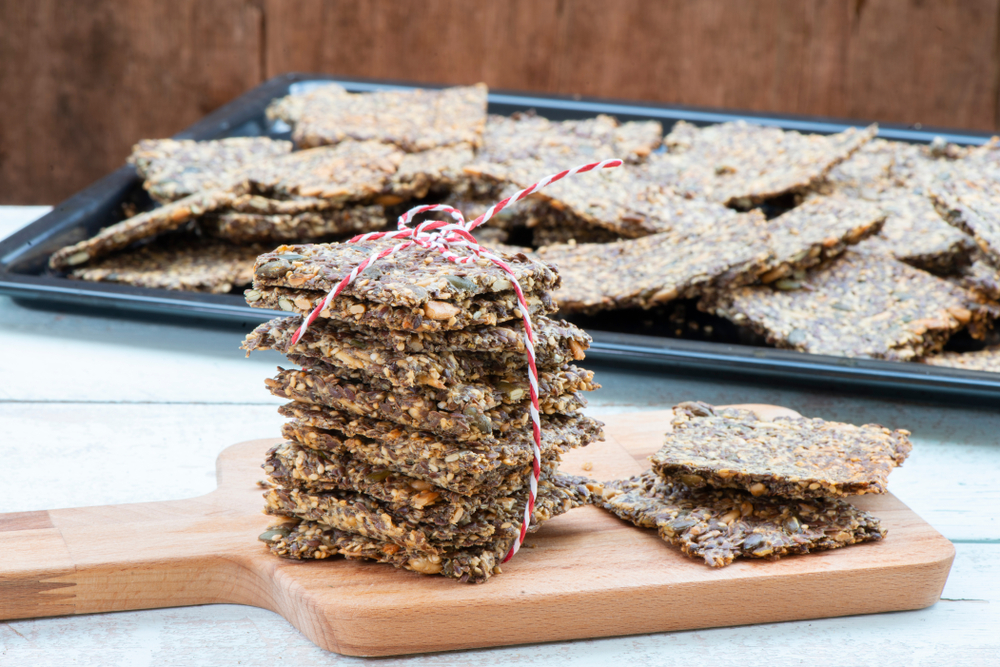
If you suddenly boost your fiber intake, you may experience bloating.
Also read: This Feature on Your Phone Could Improve Your Sleep
The best approach is to increase fiber gradually and drink plenty of water to minimize discomfort.
This article is based on information from BBC.com/thai.
Also read: How to Handle Menopause Hot Flashes During Summer
This article is made and published by Ida-Marie Palm Varbæk, who may have used AI in the preparation.