
You may believe your toilet is clean, but most people overlook how often, and how thoroughl, it really needs attention.
Here’s a clear guide to why a quick scrub is never enough.
Why the toilet needs cleaning even if you don’t touch the bowl

Even though no body parts touch the inside of the toilet, bacteria, limescale, and residue build up and can spread into the air with every flush.
Biofilm
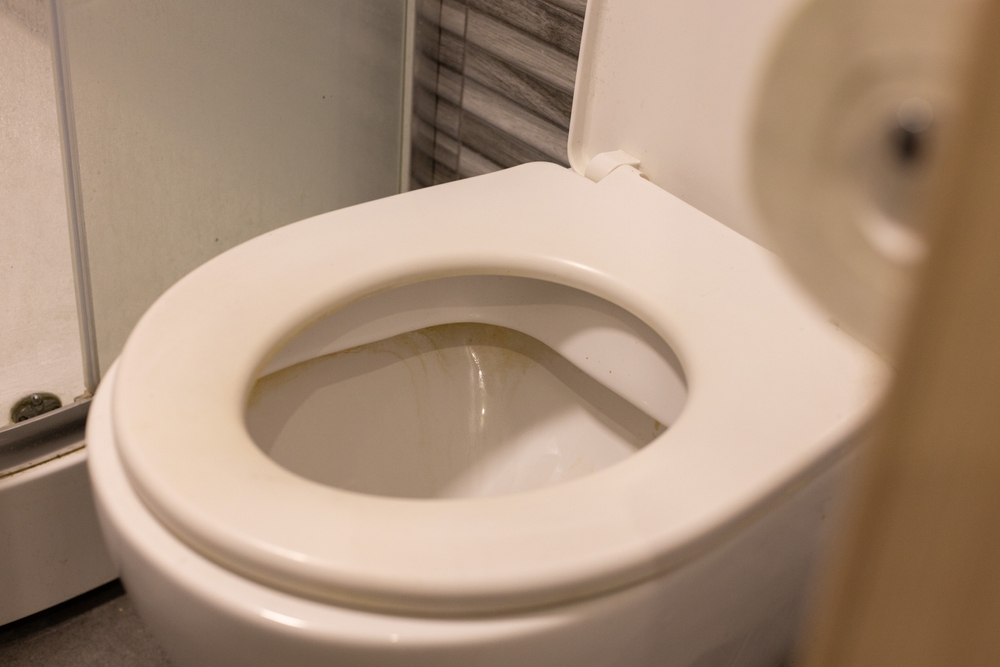
Inside the bowl, biofilm can form. This sticky layer of bacteria and microorganisms clings to surfaces, making it hard to remove without proper scrubbing and disinfecting.
Also read: Ozempic and Wegovy Users Report Hair Loss - How to Deal with It
Cleaning isn’t the same as disinfecting
Wiping with soap and water removes visible dirt, but it doesn’t kill germs.
True disinfection with bleach, alcohol, or specialized products is necessary to stop bacteria and viruses.
How often should you really clean?

The toilet bowl should be cleaned a few times per week, while the seat, crevices, and handle need more frequent attention.
The handle, in fact, should be wiped down daily.
Also read: Quick snacks without sugar – dietitian approved
Descaling is essential

Monthly descaling prevents mineral buildup that creates a breeding ground for germs. Vinegar, lemon juice, or commercial descalers can get the job done.
Be careful with bleach and toilet blocks
While bleach disinfects, leaving it in the bowl too long can damage seals and valves. Constant-release toilet tablets may also harm your plumbing over time.
Tools that make a difference

An angled brush for under the rim, a pumice stone for stubborn stains, and a narrow brush for tight crevices ensure a deeper and more effective clean.
Natural solutions really work
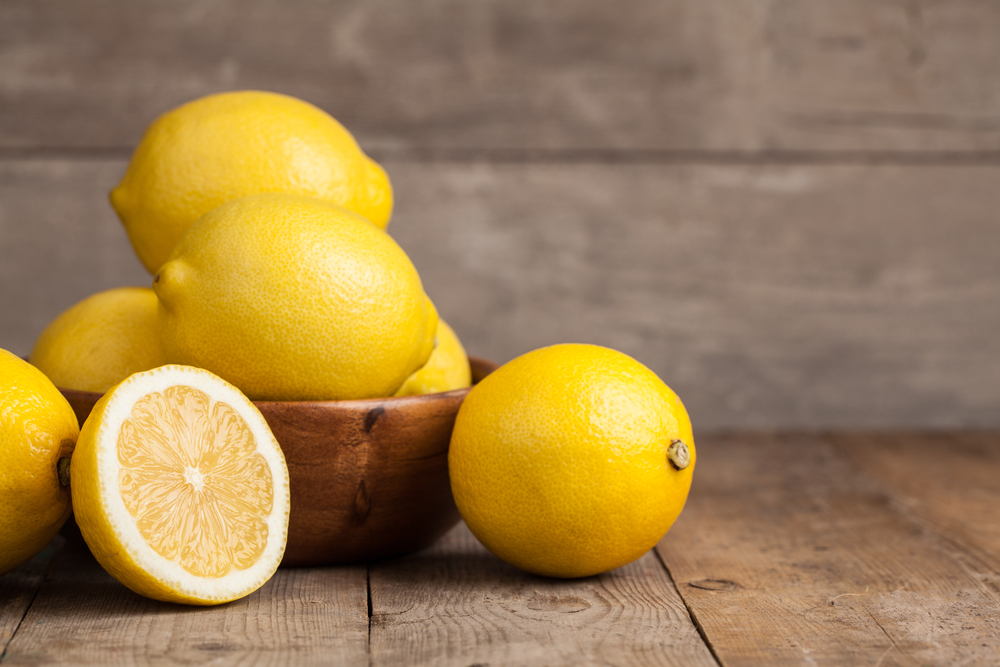
Vinegar, baking soda, and lemon juice are safe, effective, and eco-friendly cleaning options.
Also read: From Aspartame to Stevia: Which Sweetener Should You Choose?
Add a few drops of antibacterial essential oils, and you’ll get both hygiene and a fresh scent.
Popular cleaning myths don’t hold up
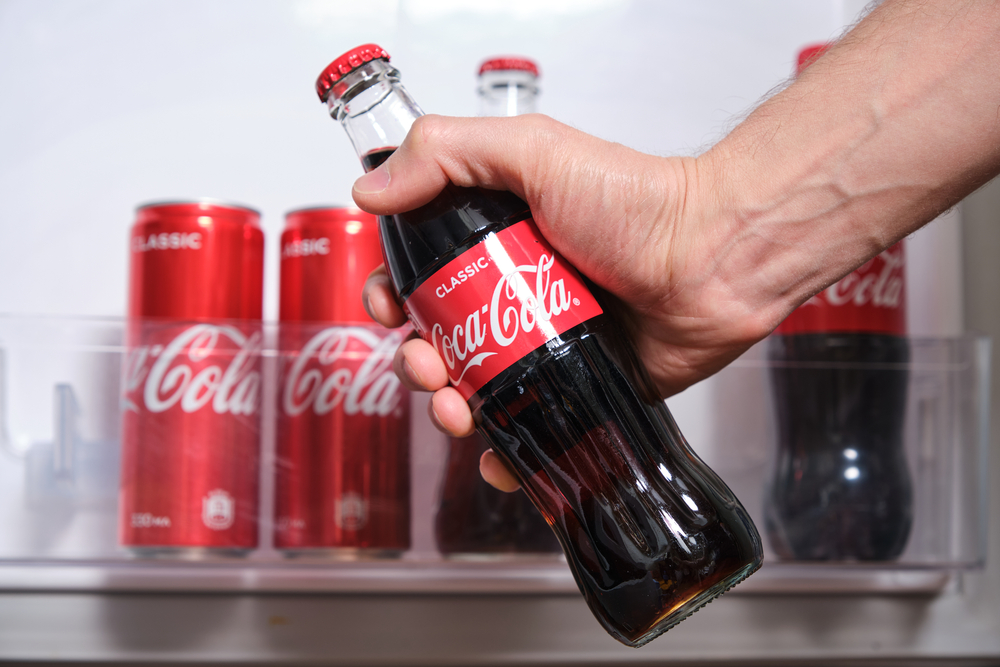
Coca-Cola might remove some stains, but it’s nowhere near as effective as proper cleaners. It’s not cheaper or safer in the long run.
Avoid dangerous chemical mixes

Never combine bleach and ammonia, this creates toxic gas. Also, keep all cleaning agents out of reach of children and pets.
Always dry after cleaning
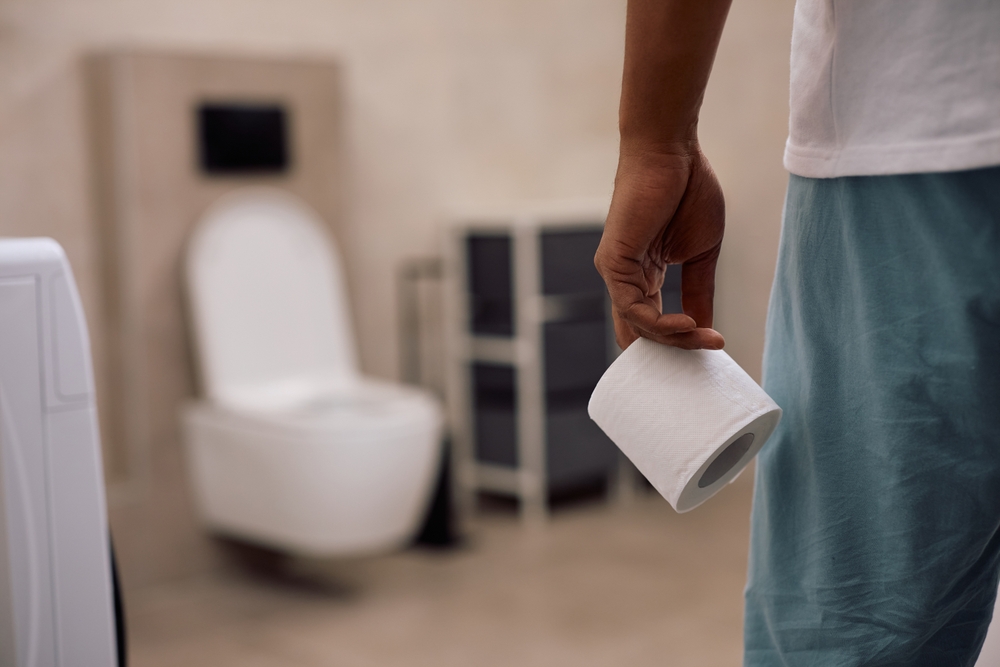
Moist surfaces are perfect for bacteria growth. Be sure to dry the seat, handle, and rim after cleaning, or let them air-dry completely.
Also read: 3 Herbal Teas That Could Be Risky If You Have Diabetes
This article is based on information from Healthline.com.
Also read: New Study Shows Which Hormone Therapy Is Most Effective for Memory
This article is made and published by Ida-Marie Palm Varbæk, who may have used AI in the preparation.