
Migraines can be debilitating, but small lifestyle changes can make a big difference.
Here’s a practical guide on what to do, and what to avoid, if you want to keep migraine attacks under control.
Sleep smart

Both too much and too little sleep can trigger migraines. Find a routine that works for you and stick to it.
Don’t skip meals

When your blood sugar drops, your brain reacts first. Eat regularly to avoid hunger-induced migraines.
Also read: This Might Be Why You Wake Up Hungry in the Middle of the Night
Watch your caffeine intake

Caffeine can help or harm. Small amounts may ease pain, but too much can cause rebound headaches.
Don’t overdo exercise

Excessive workouts can trigger migraines, but moderate and regular exercise can actually help prevent them. Start slow and build up gradually.
Watch the weather

Sudden changes in atmospheric pressure during storms can trigger migraines. Keep an eye on the forecast so you’re prepared.
Stay hydrated

Even mild dehydration can spark a migraine. Aim for eight glasses of water daily and limit coffee and alcohol, which dehydrate your body.
Also read: New blood pressure guidelines: Why doctors want to treat it earlier
Plan around hormonal changes

Many women experience migraines during their period, ovulation, or menopause. Have a pain management plan ready when hormones fluctuate.
Limit screen time

Long hours in front of a screen can strain your eyes and trigger headaches. Take breaks, stretch, and let your eyes rest.
Track your attacks

A migraine diary can help identify personal triggers. Record your diet, sleep, medications, and symptoms to support better treatment planning with your doctor.
Don’t clench your teeth
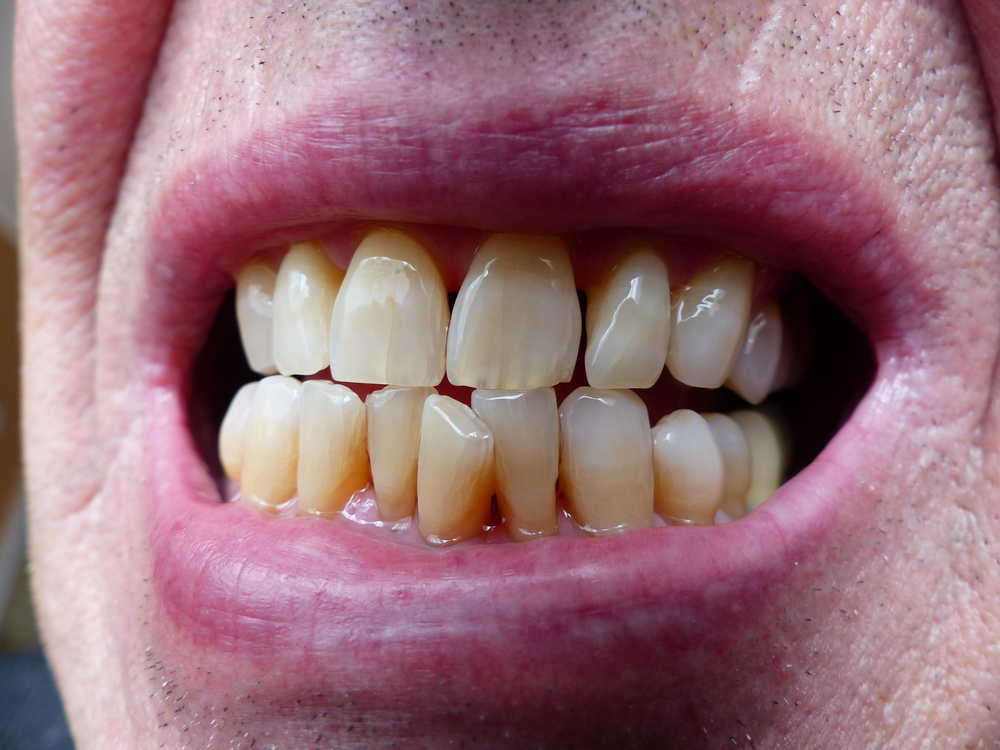
Teeth grinding and jaw tension can cause migraines. Ask your dentist about a night guard or work on reducing stress if you grind during the day.
Also read: Chef’s warning: never cook this in a nonstick pan
De-stress

Stress is a major trigger. Exercise, meditation, therapy, or relaxation techniques can reduce your risk of attacks.
Be mindful of your environment

Bright lights, loud sounds, or strong smells can trigger migraines. Learn what sets off your attacks and try to avoid those triggers.
Be cautious with wine

Alcohol, especially red wine, can worsen migraines. Pay attention to your body’s reaction and consider cutting back or eliminating alcohol.
Don’t smoke

Nicotine and tobacco smoke are strong migraine triggers. Quitting smoking or avoiding secondhand smoke can reduce attacks.
Also read: New Study Reveals the Risk of Scrolling While You Poop
Treat your body well

A healthy lifestyle is the best prevention. Eat nutritious meals, stay hydrated, exercise, and keep a steady sleep routine.
Remember caffeine’s double role
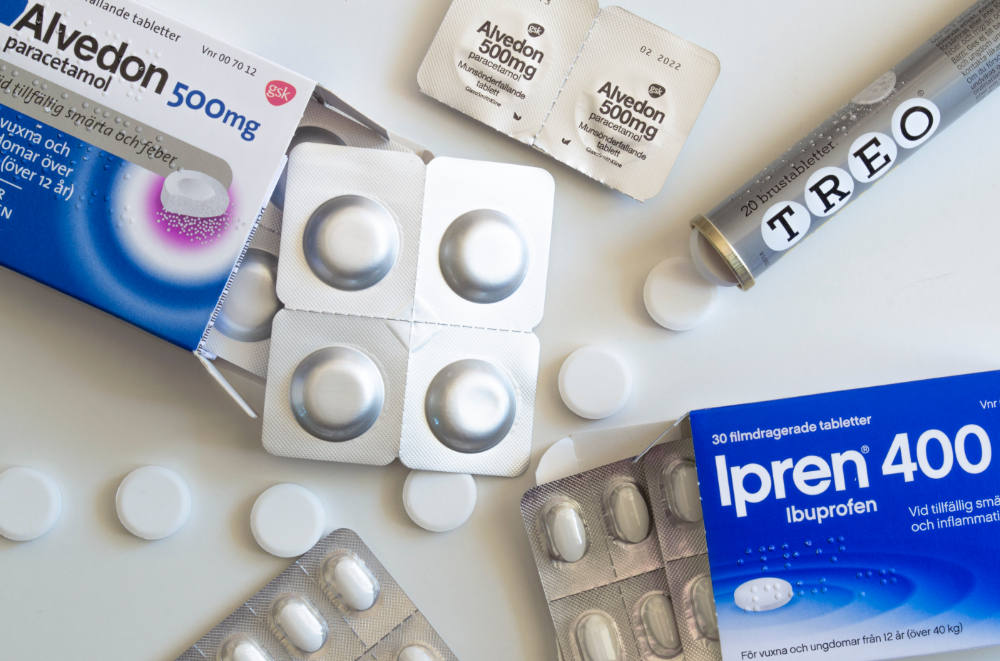
Some pain relievers include caffeine because it boosts effectiveness, but overuse can trap you in a cycle of headaches.
Stay active throughout the day

Sitting still too long can make migraines worse. Move regularly to keep blood circulating.
Watch out during menopause

Hormonal shifts during menopause can change your migraine pattern. Pay attention and discuss options with your doctor.
Also read: Scientists: Your Toothbrush Could Be the Weapon Against Alzheimer’s
Keep balance in your routine

Too much work, too little rest, or an overloaded social schedule can all trigger attacks. Prioritize downtime.
Talk to your doctor about treatment

If lifestyle changes aren’t enough, consult your doctor about medication or therapies that can give you better control.
This article is based on information from WebMD.
This article is made and published by Ida-Marie Palm Varbæk, who may have used AI in the preparation.