
As temperatures drop, our craving for warm, nourishing meals increases, and soup is a perfect choice.
According to nutritionists, soup can do wonders for your digestion and immune system, especially when made with the right ingredients.
Soup is packed with fiber
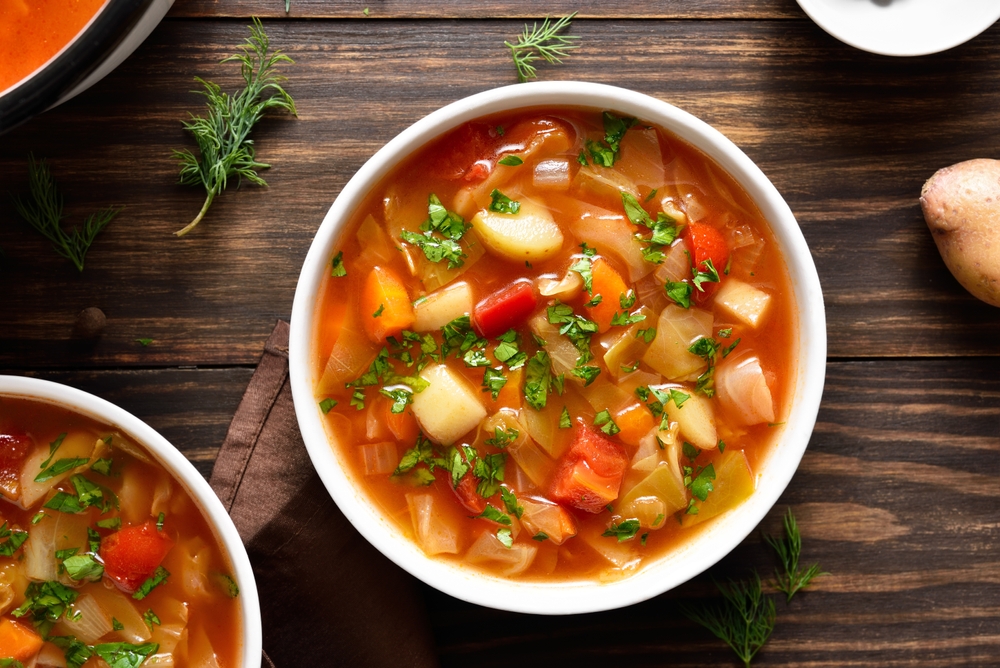
Soups loaded with vegetables like carrots, beans, and onions deliver gut-loving fiber that supports a healthy microbiome.
It helps keep you hydrated
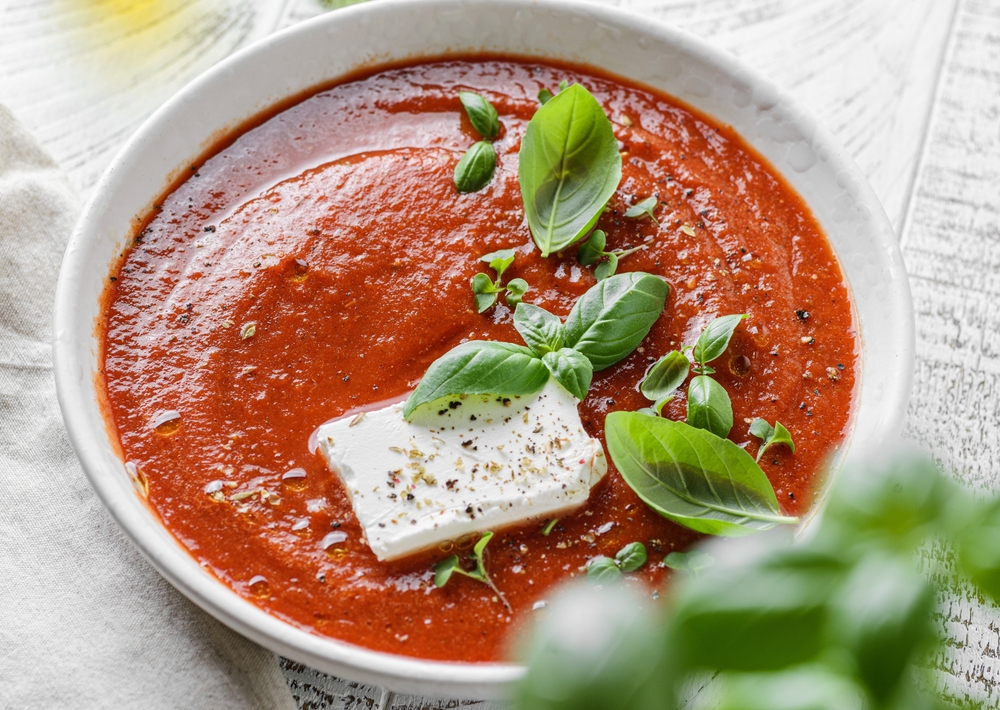
Thanks to its high liquid content, soup helps maintain hydration, which is essential for smooth digestion.
Also read: How to Choose the Best Option Between Kombucha and Kefir
It’s rich in prebiotics

Ingredients like garlic, onions, and shallots are excellent sources of prebiotics, feeding the good bacteria in your gut.
It’s easy to digest
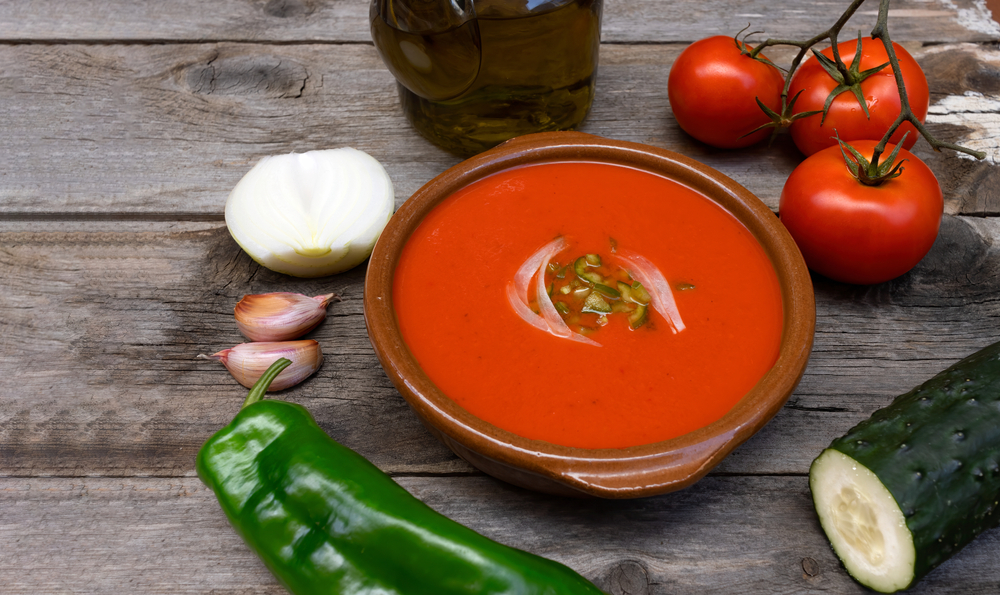
Soup is a gentle, easily digestible meal, ideal for anyone with a sensitive stomach or digestive issues.
You can get probiotics, too

Soups that include fermented ingredients like kimchi or miso bring live probiotics into your meal.
Bone broth supports your gut lining
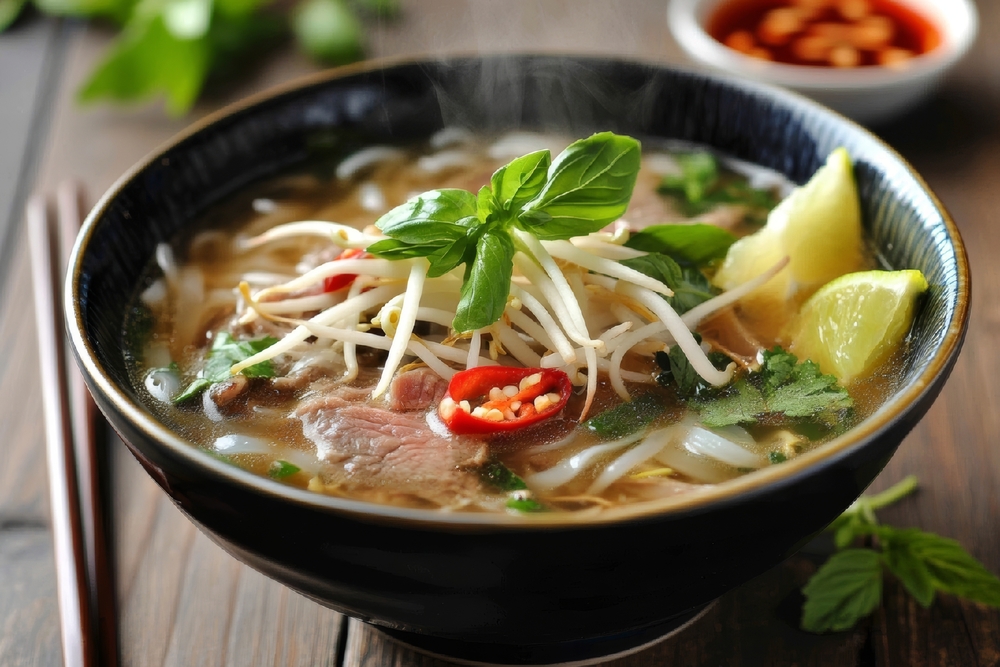
Bone broth is rich in glycine, an amino acid that helps strengthen and protect the gut lining.
Also read: New effect revealed: Wegovy and Ozempic change how food is experienced
Miso adds flavor and benefits
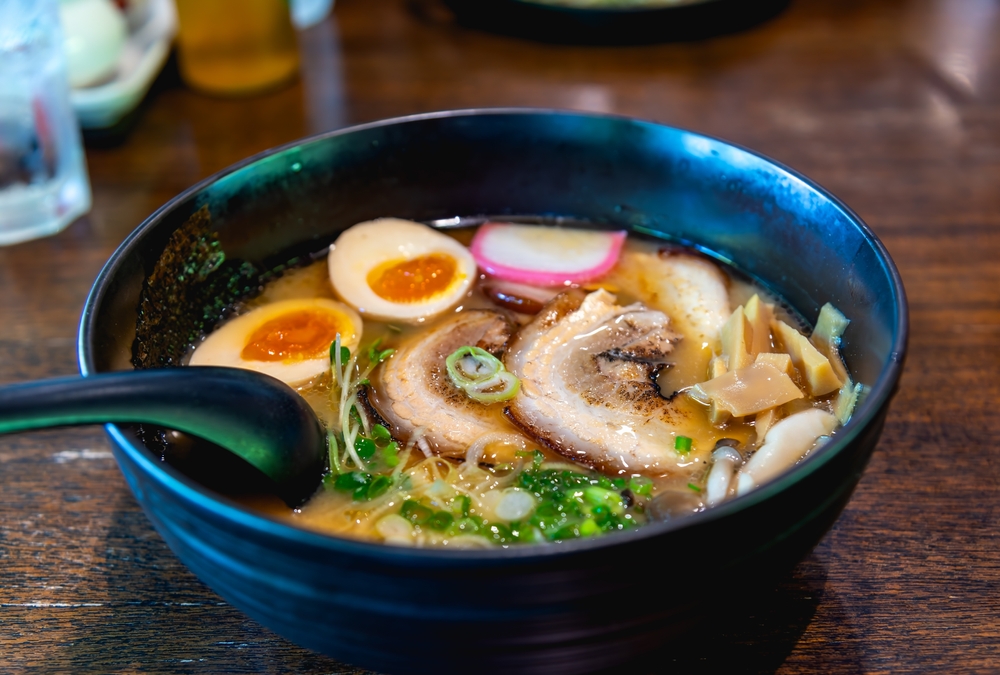
Miso is a heat-stable probiotic ingredient that enhances flavor and gut health, even in soups beyond traditional miso soup.
It’s perfect for fall

Warm meals are more satisfying in cooler weather, and soup meets that craving while delivering nutrition.
Soup boosts immunity

With immune-boosting ingredients like garlic, ginger, and vegetables, soup supports your body during cold and flu season.
Fermented toppings add a healthy twist

Kimchi, sauerkraut, and even cottage cheese make excellent toppings with probiotic and immune benefits.
Also read: Books Might Help You Live Longer, According to Science
It’s nutrient-dense

Even with just a few simple ingredients, soups can provide a wide range of essential vitamins and minerals.
It fills you up without weighing you down

Soup is light yet satisfying, helping you feel full without discomfort.
Whole grains add texture and nutrition

Stir in barley, brown rice, or quinoa to add fiber, texture, and long-lasting energy.
You can season it smart

Lemon, vinegar, herbs, and spices lift the flavor profile, no need for heavy cream or salt overload.
Also read: New Research: Nicotine Products May Put You at Risk for Diabetes
There’s endless variety

From miso to minestrone, lentil to chicken and bean, soups offer variety and endless room for nutritious creativity.
It’s gentle for troubled tummies
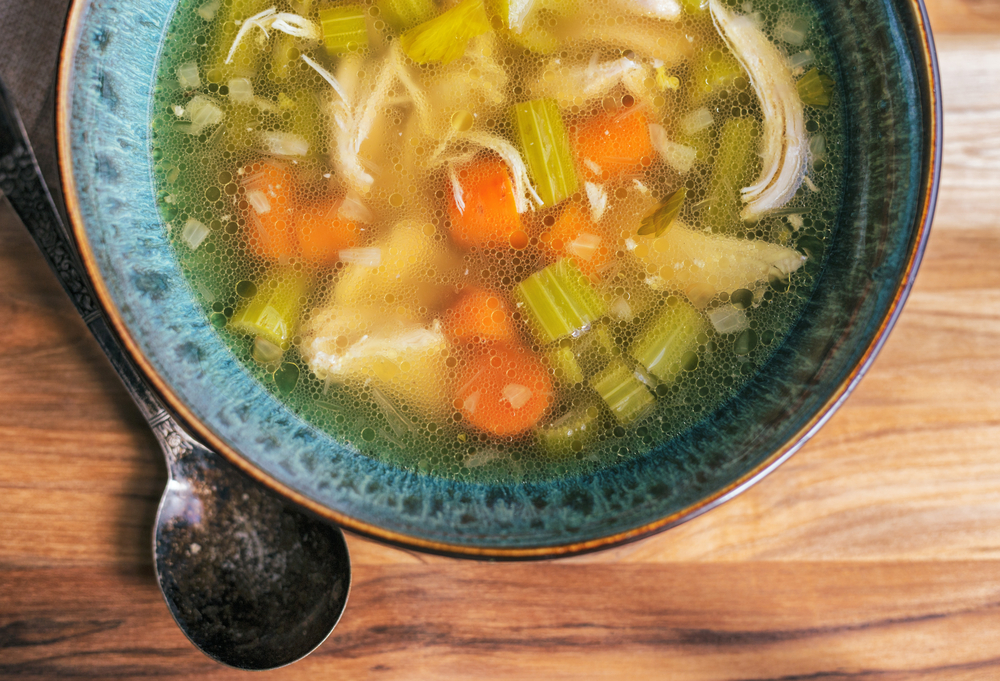
Soups are ideal when you’re under the weather or dealing with digestive discomfort.
It helps reduce food waste
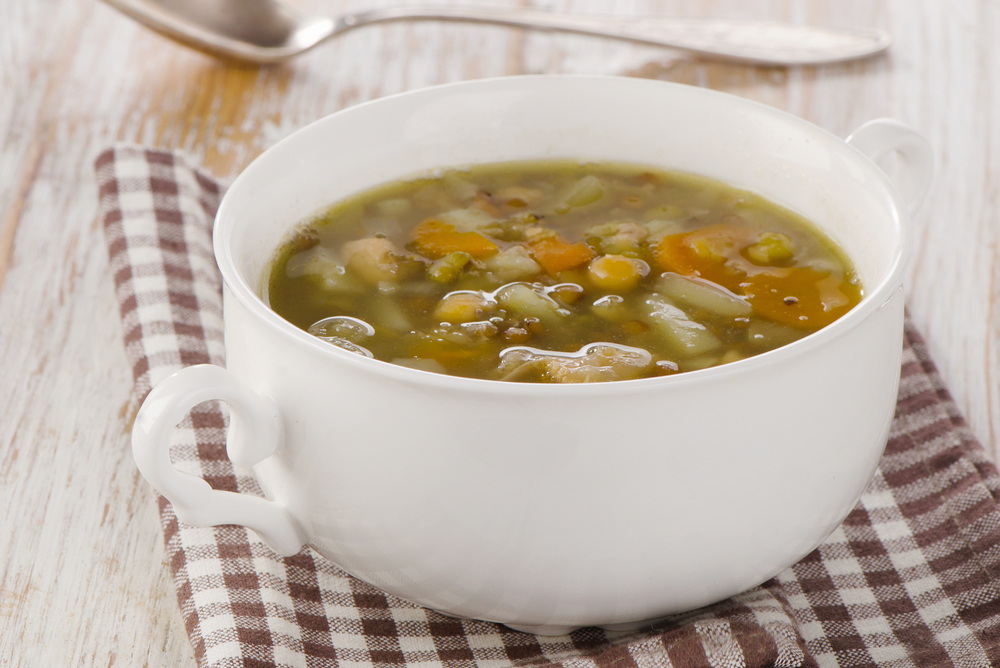
Use up leftover veggies or freezer finds to create a nutrient-rich, delicious meal.
It’s easy to add protein

Beans, lentils, shredded chicken, or bone broth all provide a protein boost in every bowl.
Also read: Wegovy under threat: Scientists test new drug that reprograms fat for lasting weight loss
It’s a perfect veggie vehicle
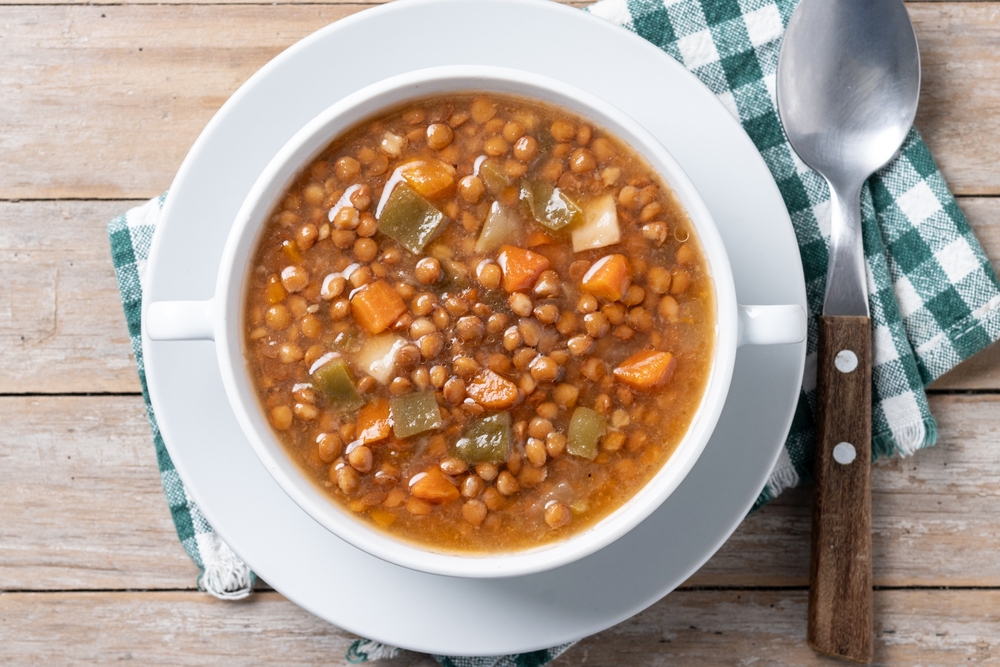
Soups help you sneak in a wide variety of vegetables, even ones you wouldn’t normally eat.
It’s great for meal prep

Make a big batch and store it in the fridge or freezer, always ready for a quick, healthy option.
This article is based on information from Real Simple.
This article is made and published by Ida-Marie Palm Varbæk, who may have used AI in the preparation.