
An active body keeps the brain sharp. According to neurologist Pascal Chaine, you can slow your brain’s aging process by engaging in certain types of physical activity that stimulate both body and mind.
Here are the best sports, and what they do for your brain.
Dance

Dance tops the list as the most effective activity for keeping your brain young.
The combination of music, rhythm, coordination, and connection with a partner enhances creativity, empathy, and memory.
Also read: Common signs that may suggest you have ADHD
Swimming
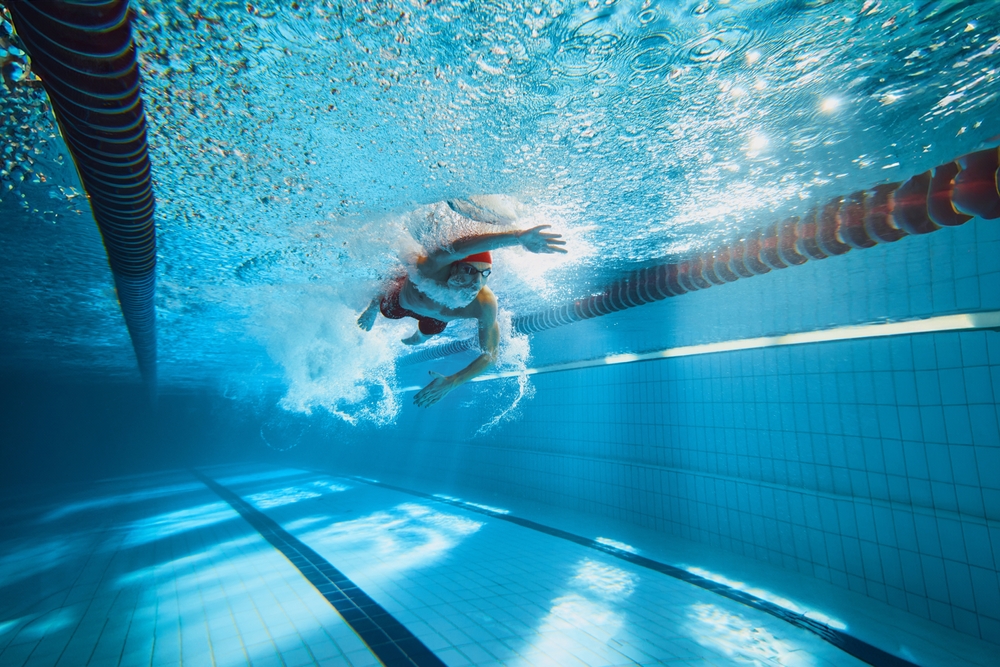
Swimming trains focus and rhythmic coordination between breathing and movement. The calming effect of water also promotes mental relaxation and helps reduce stress.
Badminton
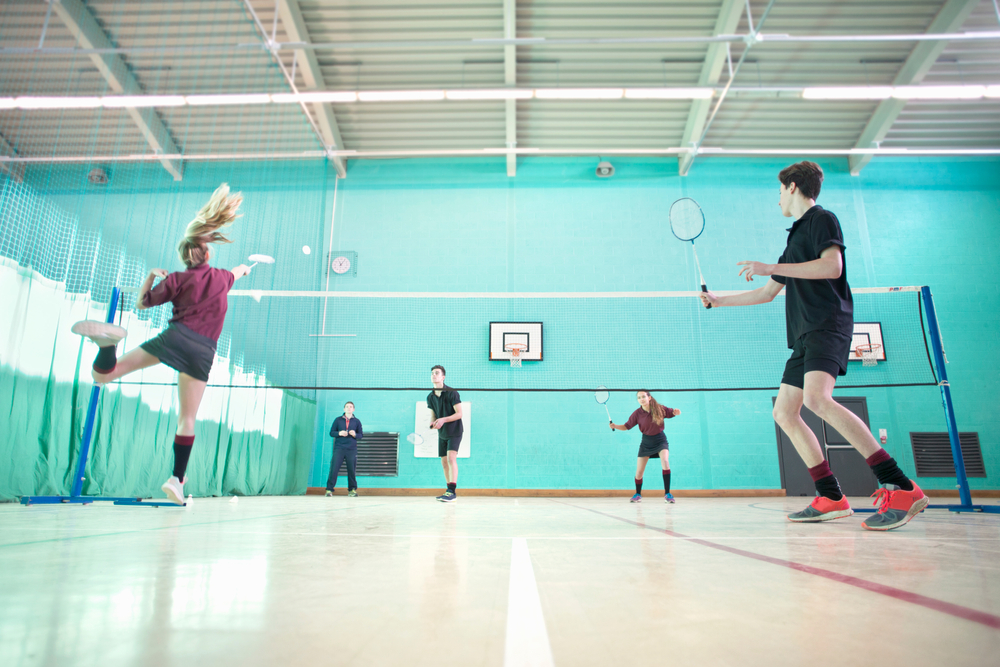
Badminton boosts mental flexibility. You have to predict your opponent’s moves and react quickly, sharpening your analytical and decision-making abilities.
Tennis
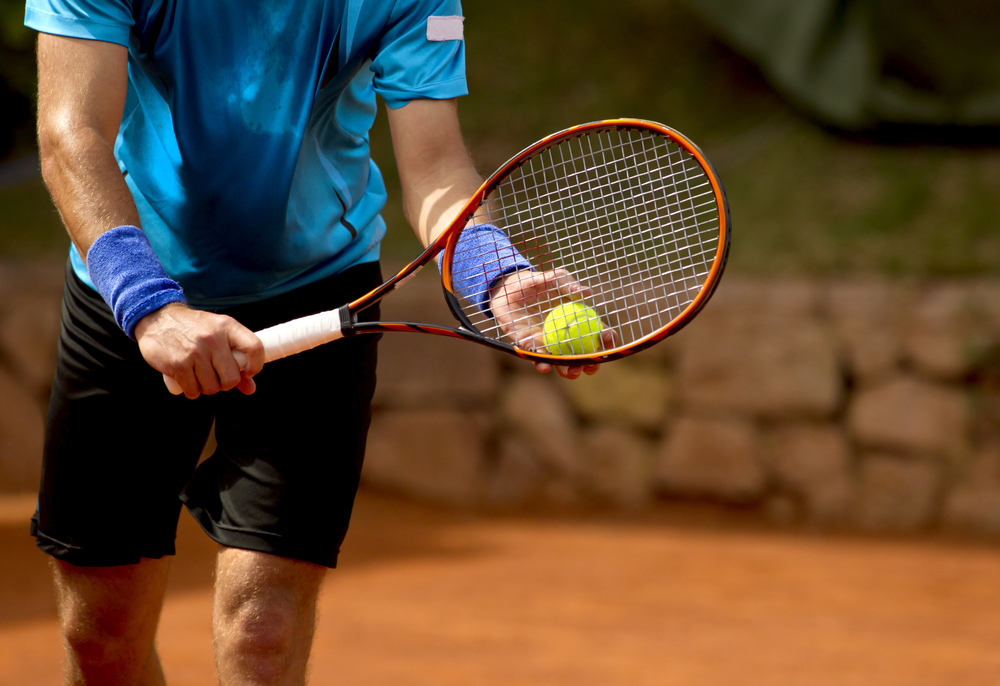
Like badminton, tennis challenges your capacity to plan and respond under pressure. Constantly tracking the ball’s movement keeps your brain alert and engaged.
Table tennis
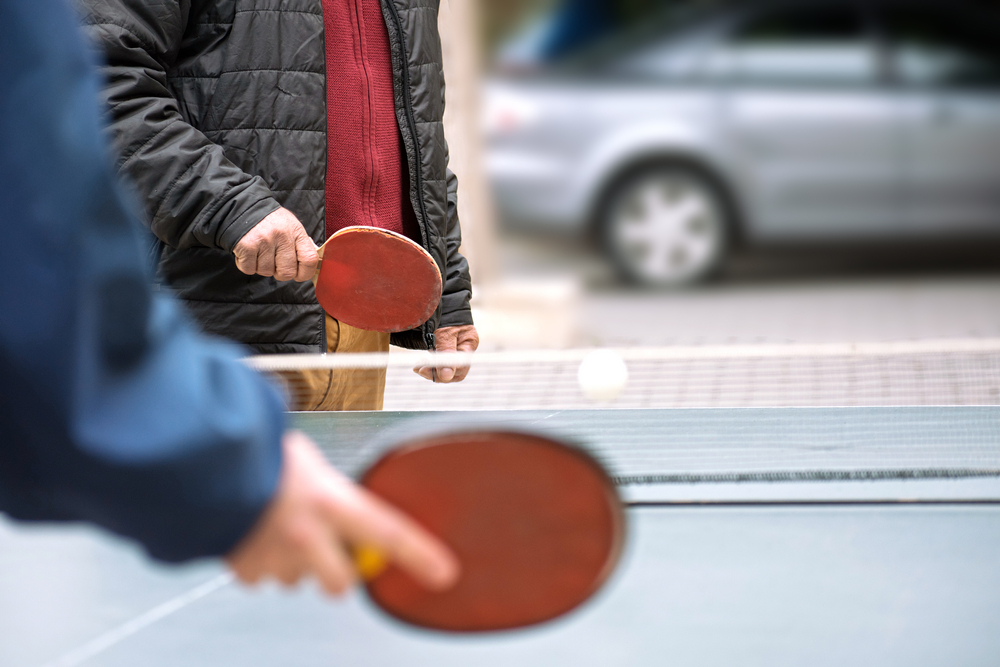
Table tennis requires lightning-fast reactions and concentration. The quick pace strengthens the brain’s processing of visual and motor information.
Also read: How to tell if your stress is really early-stage Alzheimer’s
Soccer
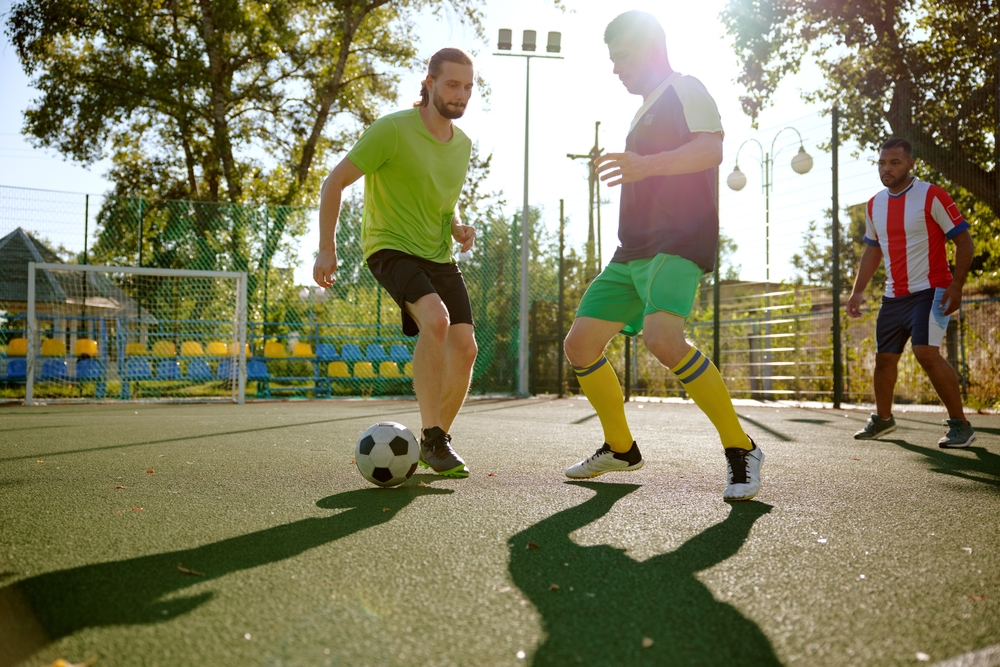
Soccer develops both decision-making and social skills. It demands teamwork, communication, and the ability to read teammates and opponents in real time.
Volleyball
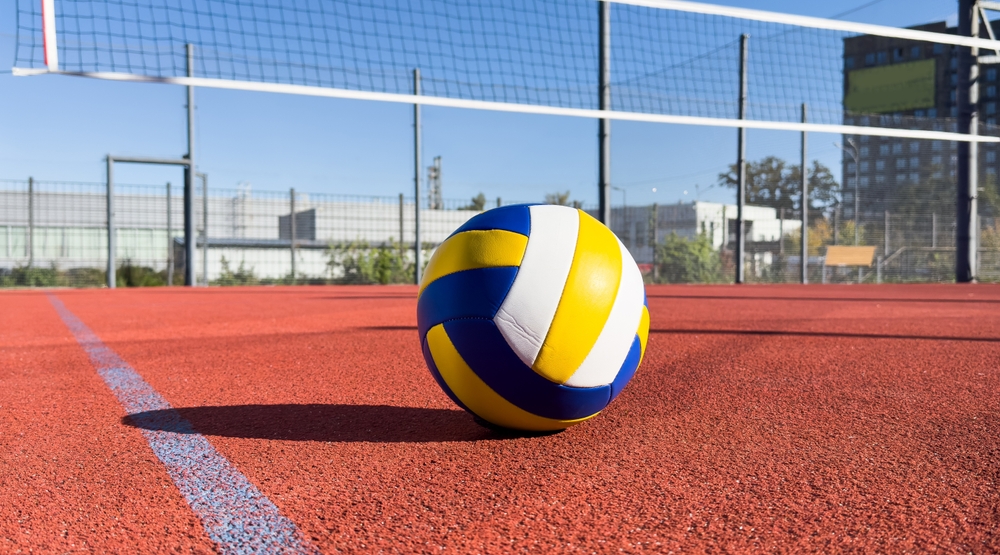
Volleyball enhances social interaction through teamwork and coordination. It also improves reaction time and spatial awareness.
Basketball
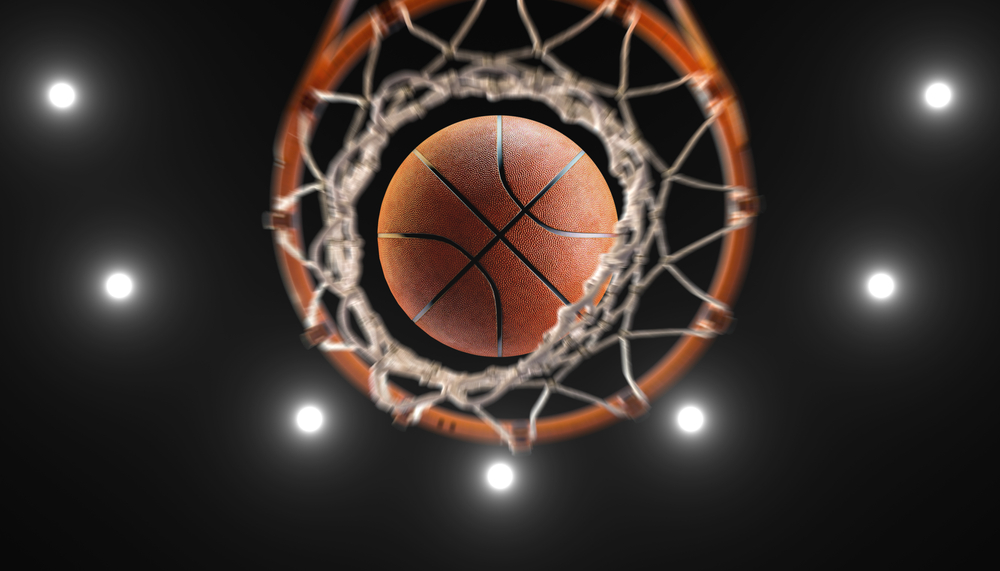
Basketball trains quick thinking, strategic planning, and cooperation.
The constant movement and communication on the court keep your brain working on multiple levels.
Also read: Wellness expert shares her simple rituals for a happier life
The social side of sport
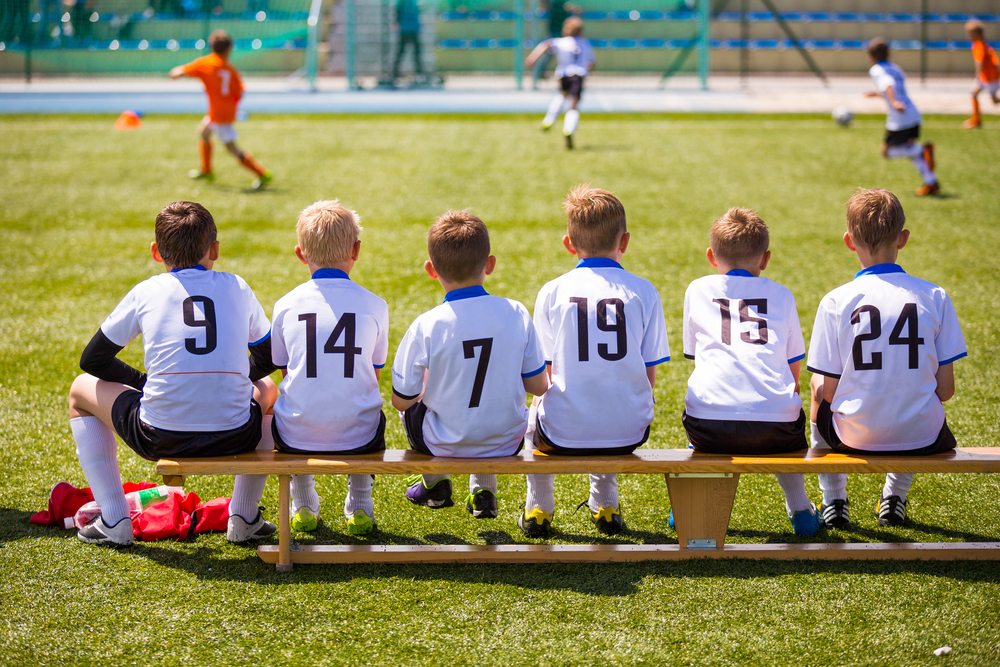
Team sports play an essential role in brain health because they reinforce empathy, communication, and social bonds, all of which support mental well-being.
Hormones and happiness

Physical activity releases dopamine, adrenaline, and endorphins, which boost mood and help protect the brain from fatigue and stress.
What to avoid

Sports with a high risk of head injury, such as boxing, are not recommended if you want to take care of your brain.
This article is based on information from B.T.
Also read: Psychologist reveals the daily habits of the happiest couples
Also read: He has studied love for 50 years – now he reveals the secret to a lifelong relationship
This article is made and published by Ida-Marie Palm Varbæk, who may have used AI in the preparation.