
A healthy lifestyle isn’t just about diet and exercise, what you drink also plays a key role.
Several types of tea can promote better heart health and lower blood pressure thanks to their natural antioxidants and plant compounds.
Tea and fat metabolism

Certain teas contain natural substances that slow fat absorption and inhibit enzymes responsible for cholesterol production, contributing to improved lipid balance in the body.
Antioxidants against brain diseases

The antioxidants in tea may lower the risk of neurodegenerative diseases such as Alzheimer’s and Parkinson’s by protecting brain cells from oxidative damage.
Also read: Lemon vs. lime: Which citrus fruit is healthier?
L-theanine and mental clarity
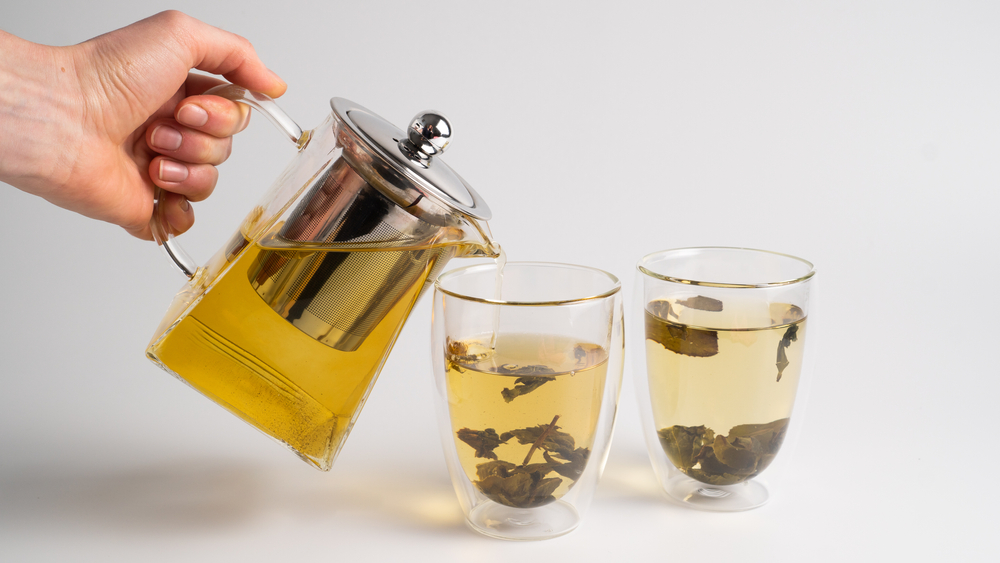
L-theanine, a natural amino acid found in tea, can enhance alertness, focus, and relaxation, making tea a healthy alternative to other caffeinated beverages.
Tea and cancer prevention
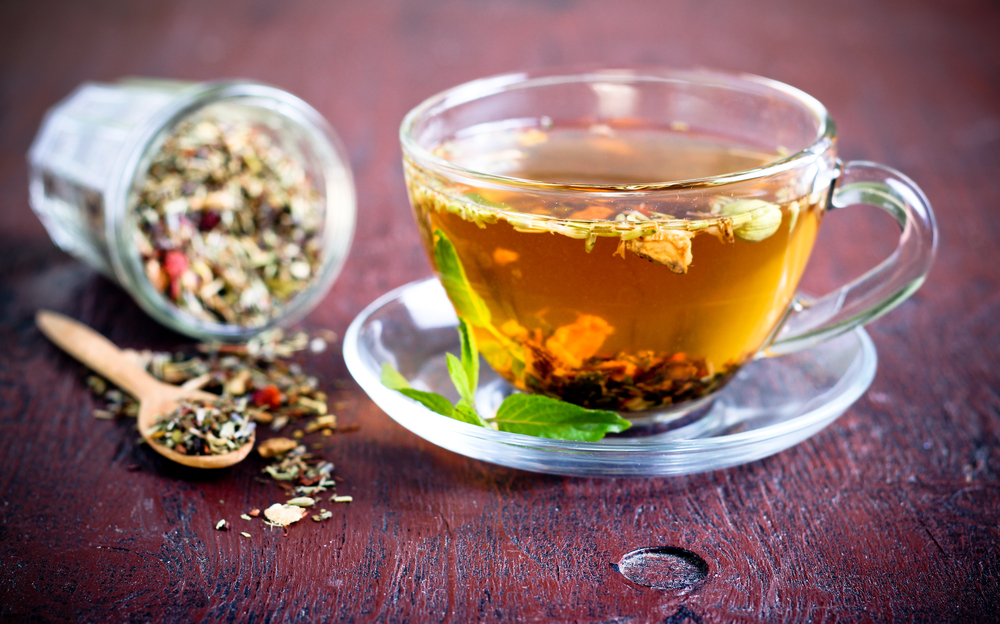
Tea polyphenols may neutralize carcinogenic compounds and slow the growth of malignant cells, potentially reducing the risk of certain cancers.
Hibiscus tea
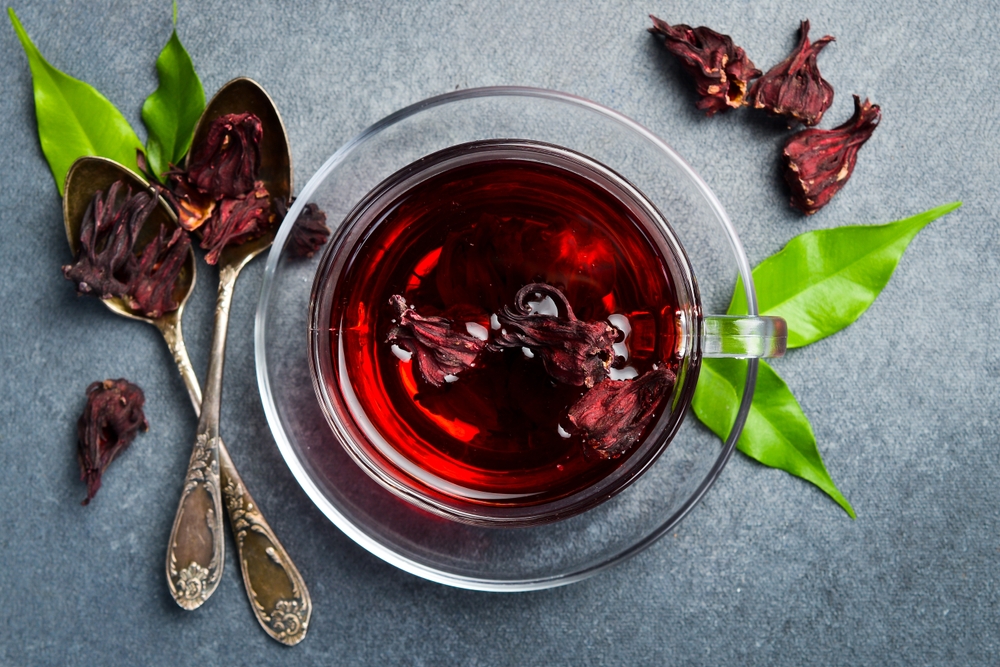
Hibiscus flowers are rich in anthocyanins, which give them their deep red color and act as powerful antioxidants.
These compounds can help neutralize free radicals that damage blood vessels and increase nitric oxide production, improving blood flow and potentially lowering blood pressure.
Also read: How to keep your heart healthy from dawn to dusk
Chamomile tea

Chamomile tea contains more than 120 natural compounds, including flavonoids with antioxidant and anti-inflammatory properties.
It may help reduce the risk of heart disease by promoting relaxation and better sleep, which can indirectly support lower blood pressure.
Green tea
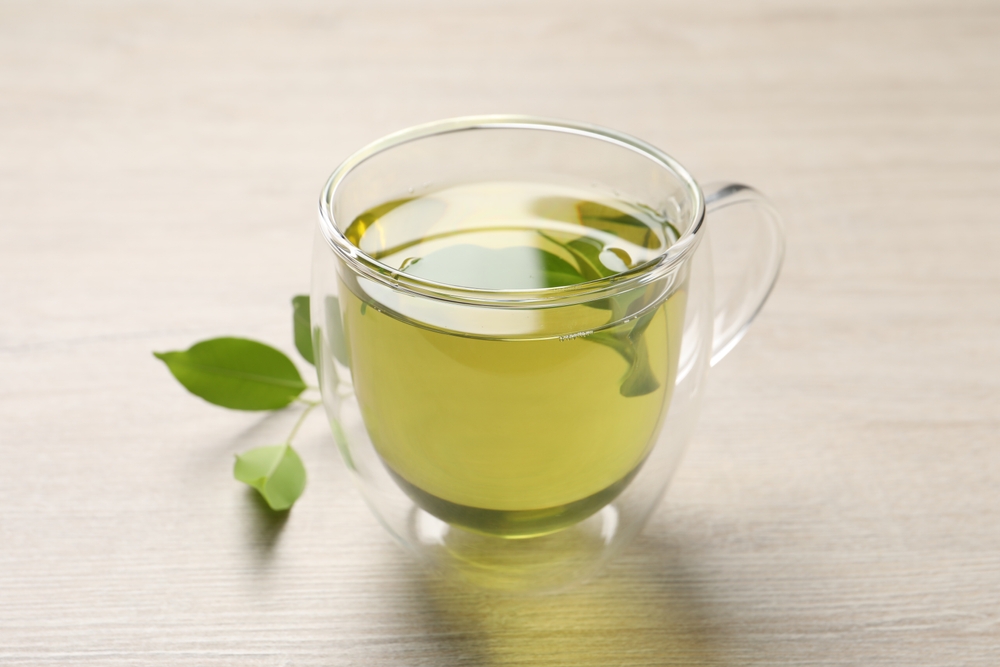
Green tea is packed with polyphenols, particularly EGCG, which reduce oxidative stress and protect blood vessels.
Studies show that regular green tea consumption can lower both systolic and diastolic blood pressure, especially in people with elevated levels.
Also read: The real reasons your hair is falling out – and how to fix it
Matcha tea
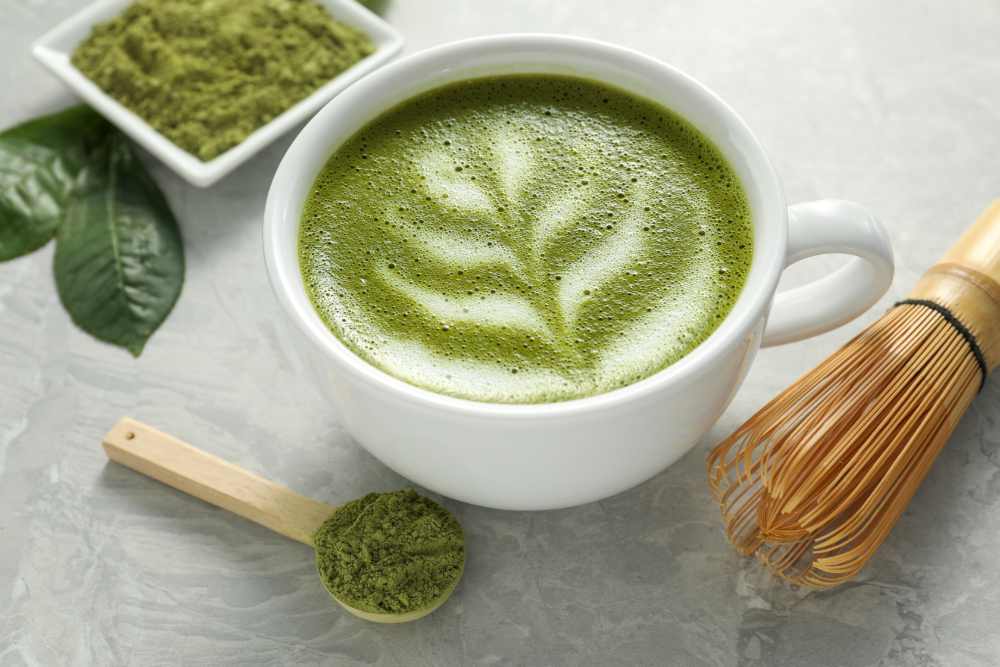
Matcha, a concentrated form of green tea, is high in polyphenols that help block cholesterol absorption.
It can be especially effective in reducing cholesterol levels in the bloodstream.
Oolong tea

Oolong tea may protect heart cells from oxidative stress while helping to reduce cholesterol levels in people with mildly high cholesterol or a higher risk of heart disease.
Black tea

Black tea contains compounds that can improve the function of blood vessels, supporting a healthier circulatory system.
Also read: Research reveals: These supplements show no effect
It may also help lower cholesterol and promote better overall heart function.
Pu-erh tea

Fermented pu-erh tea contains both polyphenols and probiotics, which can support a healthy gut microbiome while aiding digestion and overall well-being.
This article is based on information from Health Digest.
Also read: Top foods to support healthy blood sugar levels
This article is made and published by Ida-Marie Palm Varbæk, who may have used AI in the preparation.