
Brain tumors are abnormal cell growths in or around the brain and can vary widely in both type and severity.
Some are benign and slow-growing, while others are aggressive and require prompt treatment. Below is an overview of the different types.
What are brain tumors?

Brain tumors develop when cells in the brain or nearby structures begin to grow abnormally.
They can be primary, originating in the brain, or secondary, when cancer from other parts of the body spreads to the brain.
Also read: Doctors review the risks of daily aspirin use in healthy adults
The difference between benign and malignant tumors

Benign tumors typically grow slowly and do not spread to other tissues, but they can still cause serious symptoms by putting pressure on the brain.
Malignant tumors grow more rapidly, invade surrounding tissue, and can spread within the central nervous system.
Meningiomas

Meningiomas develop from the meninges and are the most common primary brain tumors in adults.
Many are discovered incidentally, but symptoms may include headaches, visual disturbances, or seizures, depending on their location.
Also read: Starting to smoke young increases the risk of cardiovascular disease
Pituitary adenomas

These tumors are located in the pituitary gland at the base of the brain and can affect hormone balance.
Some produce excess hormones and cause clear hormonal symptoms, while others lead to vision problems by pressing on the optic nerves.
Vestibular schwannomas
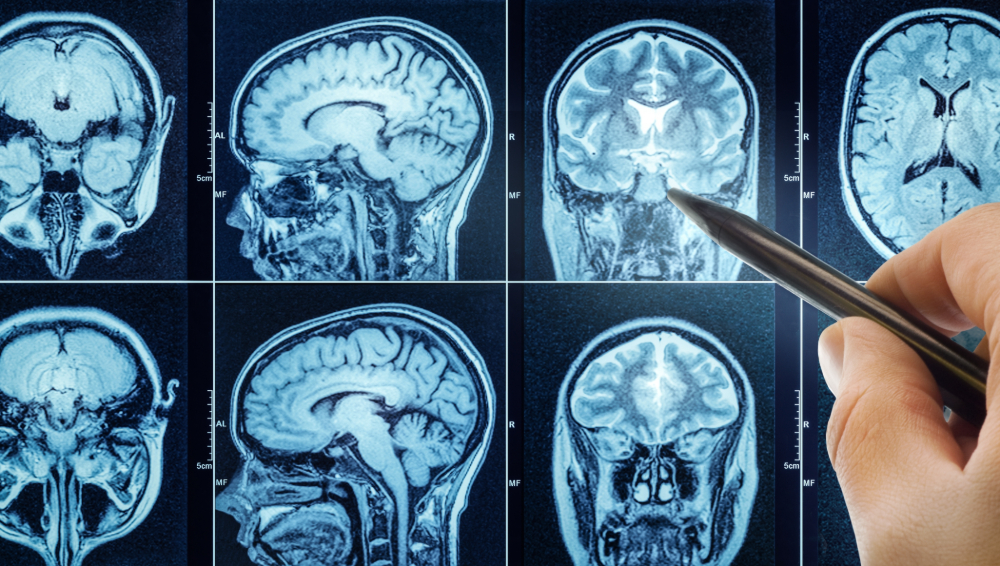
This type develops on the balance and hearing nerve and often causes unilateral hearing loss, ringing in the ears, and balance problems.
Treatment may involve observation, radiation therapy, or surgery, depending on the size and severity of symptoms.
Also read: Researchers examine potential risks of Omega-3 supplementation in healthy adults
Craniopharyngiomas

Craniopharyngiomas are often cyst-forming tumors near the pituitary gland and hypothalamus.
They can cause hormone deficiencies, vision problems, and disturbances in thirst and appetite, and they tend to recur after treatment.
Hemangioblastomas

These tumors consist of many blood vessels and are often found in the cerebellum or spinal cord.
They can cause headaches and coordination problems and are most often treated with surgery or highly targeted radiation therapy.
Also read: Research: Kimchi may contribute to a more balanced immune system
Low-grade gliomas
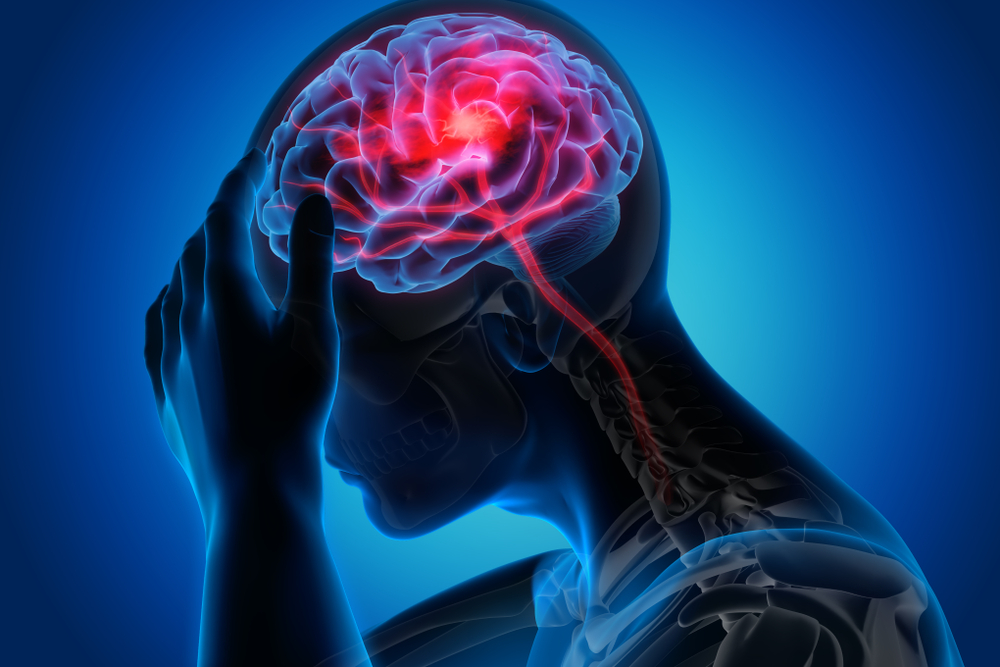
Low-grade gliomas are slow-growing malignant tumors that often present with epileptic seizures in younger adults.
Although they grow slowly, they can develop into more aggressive forms over time.
High-grade gliomas

High-grade gliomas, including glioblastoma, are fast-growing and among the most serious brain tumors.
Symptoms develop rapidly, and treatment typically combines surgery, radiation therapy, and chemotherapy.
Also read: Pets in the bed may affect the quality of your sleep
Brain metastases
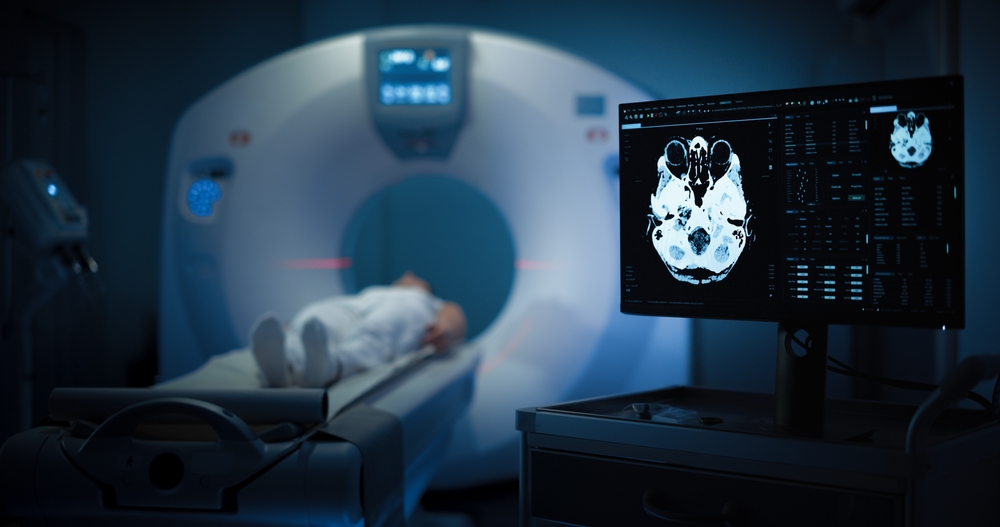
These tumors originate from cancers elsewhere in the body, such as the lungs, breast, or skin, and are the most common malignant tumors in the brain.
They may be solitary or multiple and often require a combination of treatments.
Common symptoms of brain tumors

Symptoms depend on the tumor’s location and may include headaches, seizures, paralysis, visual disturbances, speech problems, or changes in personality and memory.
How the diagnosis is made

Evaluation often begins with a neurological examination and is supplemented by MRI scanning.
In many cases, a tissue sample is required to determine the type of tumor and plan the appropriate treatment.
Treatment options

Treatment depends on the type of tumor and may include observation, surgery, radiation therapy, chemotherapy, or targeted medication.
Treatment is often tailored individually by a multidisciplinary team.
Sources: Powers Health.
This article is made and published by Ida-Marie Palm Varbæk, who may have used AI in the preparation.