
Winter means spending more time indoors, which can increase the risk of illness.
With simple cleaning habits and a focus on air quality, you can reduce the spread of infection and create a healthier home.
Create a regular disinfection routine
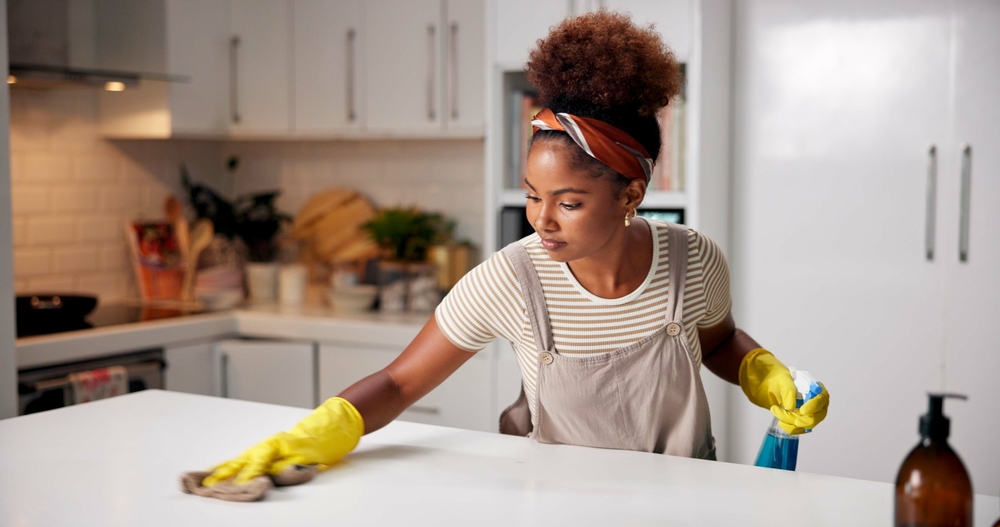
Start by tidying up before you begin disinfecting. A fixed plan makes it easier to keep track of daily and weekly tasks.
Know the difference between cleaning and disinfecting
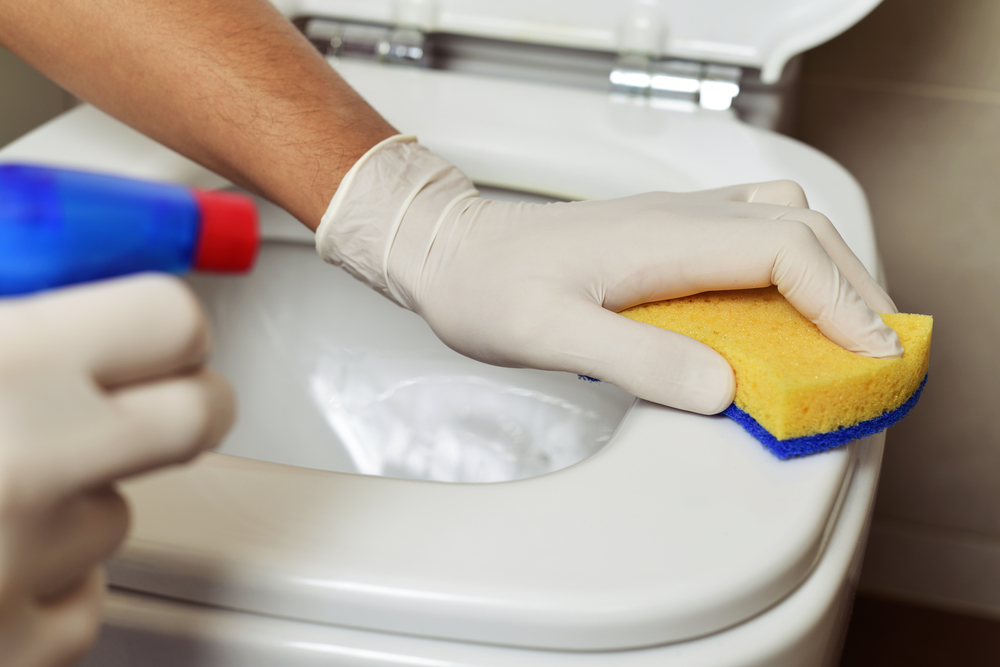
Cleaning removes dirt with water and soap, while disinfecting uses stronger agents to remove as many bacteria and viruses as possible from surfaces.
Also read: Research highlights potential target for osteoarthritis treatment
High-touch surfaces
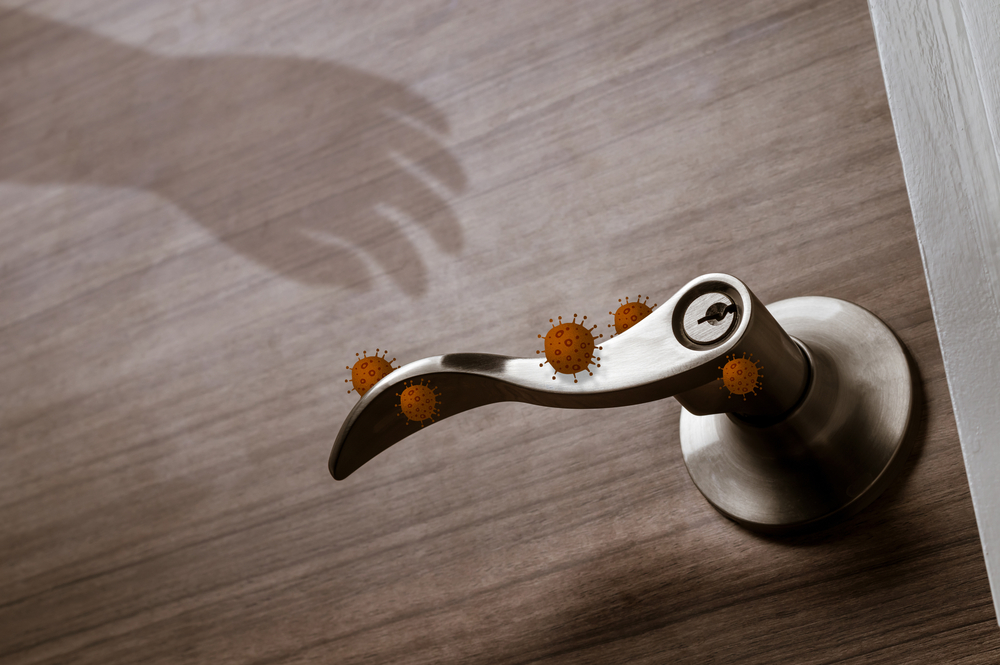
Focus especially on areas such as door handles, light switches, countertops, and kitchen appliance handles, as they quickly collect bacteria.
Be extra thorough if someone in the household is ill
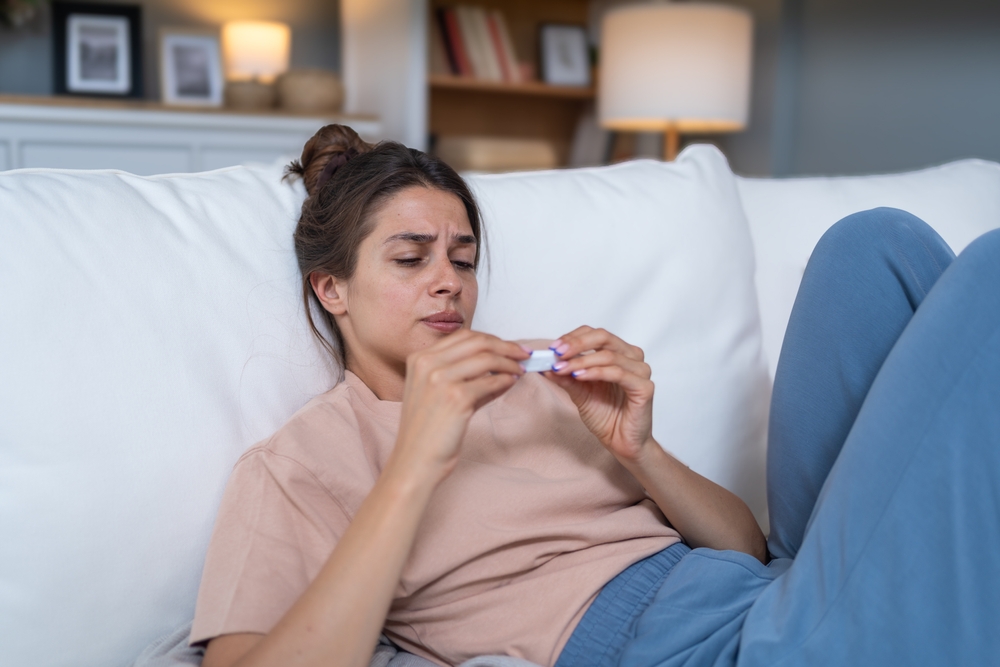
If someone is sick or has been in close contact with an ill person, you should pay extra attention to disinfecting to limit the spread of infection.
Use checklists to make cleaning manageable
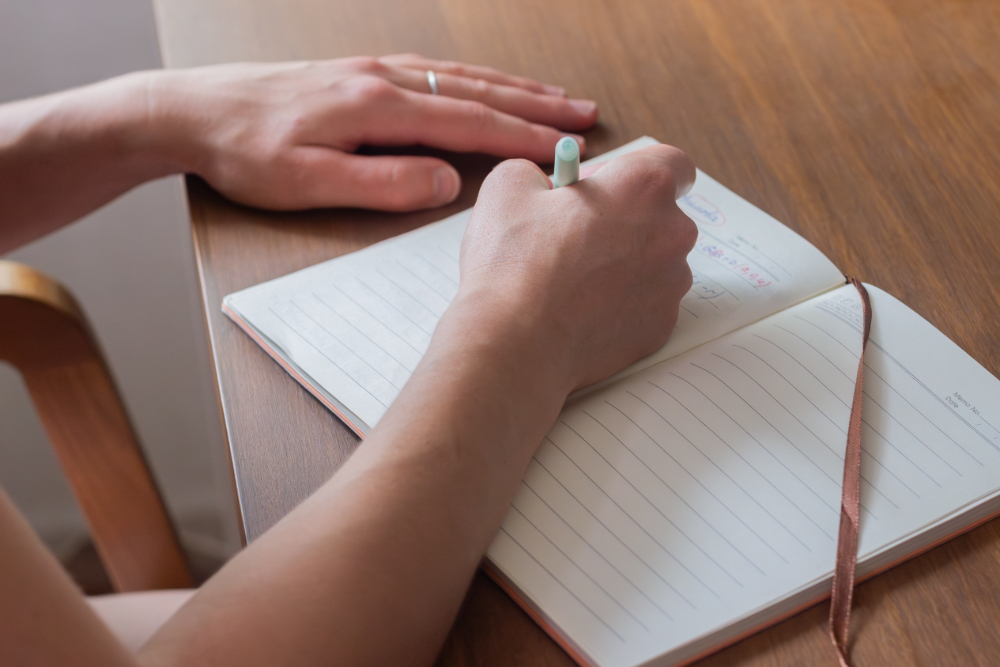
A paper or digital task list can help ensure that cleaning does not feel overwhelming in everyday life.
Keep humidity at a healthy level
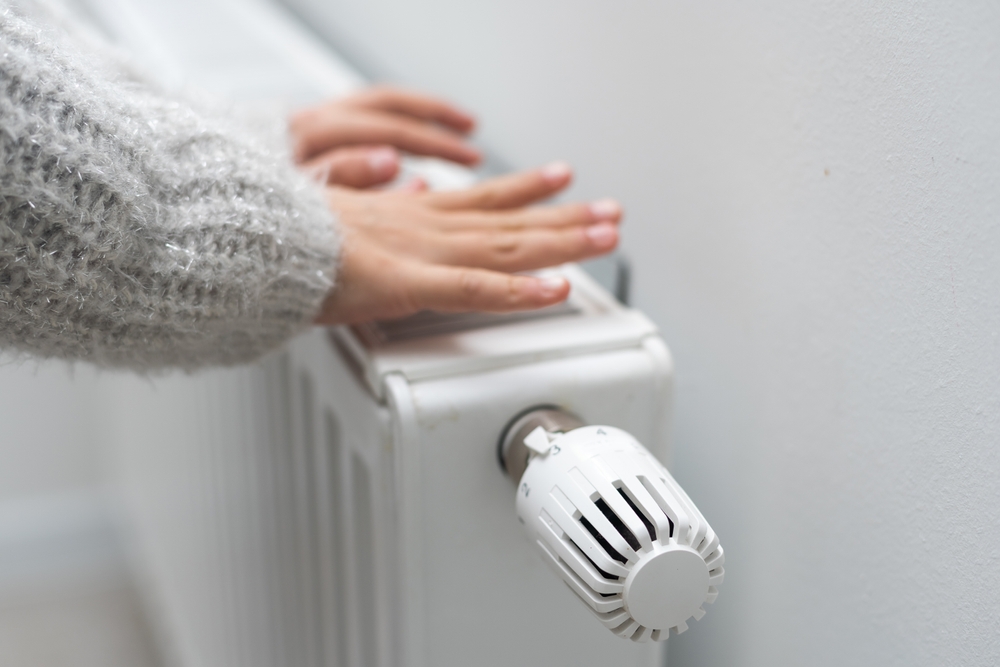
Indoor humidity should ideally be between 30% and 50%, according to a study published in Indoor Air, as this can reduce the risk of viral transmission through the air.
Also read: How early-life factors may shape colon cancer risk decades later
Consider a humidifier if the air becomes too dry
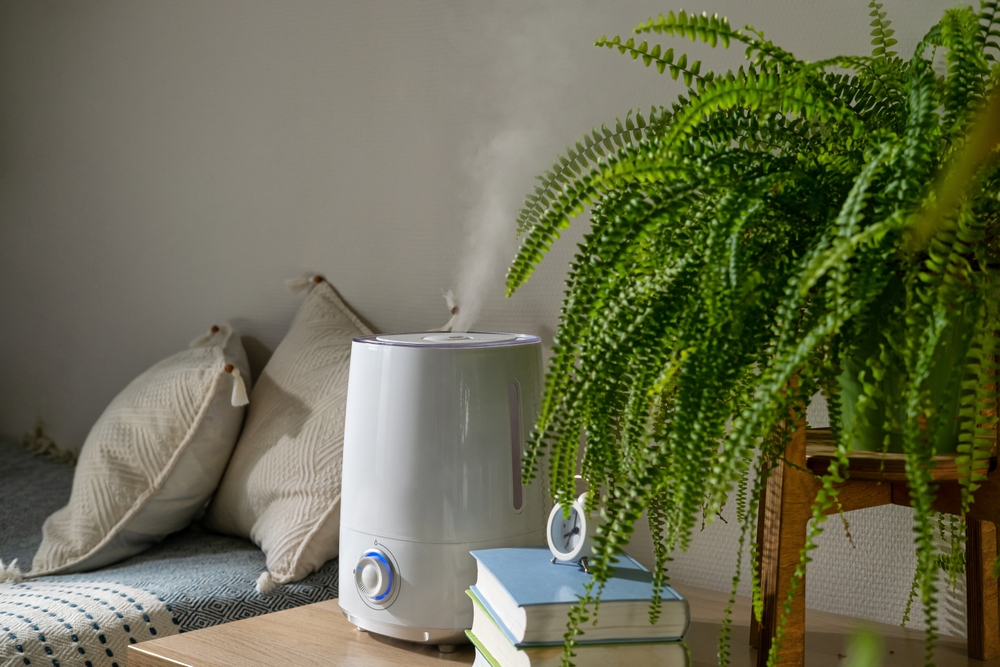
If humidity drops below 30%, a humidifier, along with more frequent handwashing and disinfecting, may be a good idea.
Wash bedding and textiles regularly
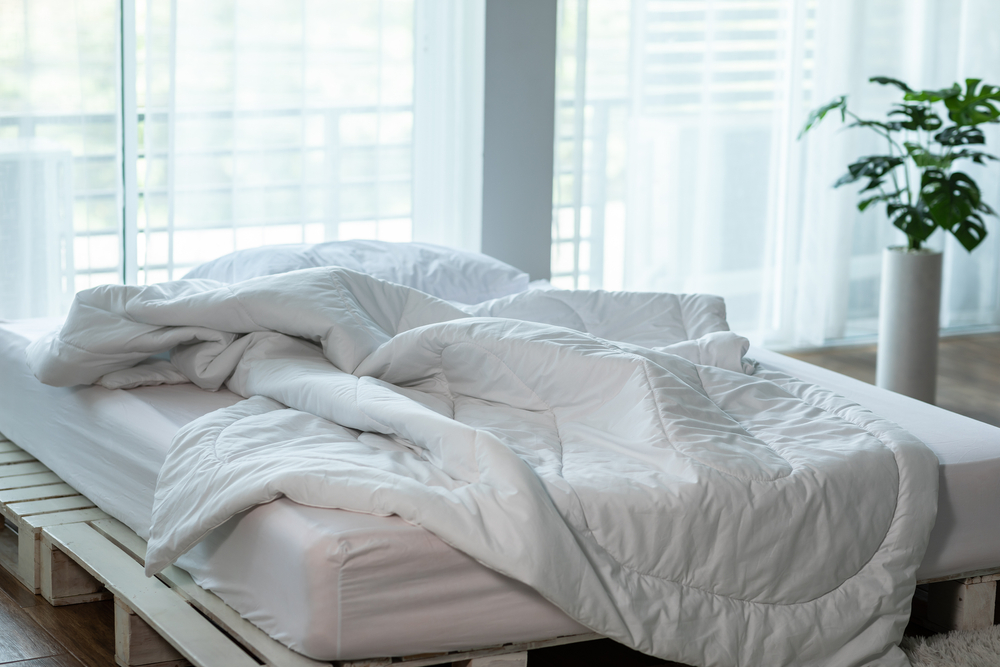
Bedding should be washed weekly in hot water to prevent the buildup of bacteria and dirt from sweat and skin cells.
Change more often if you have skin conditions
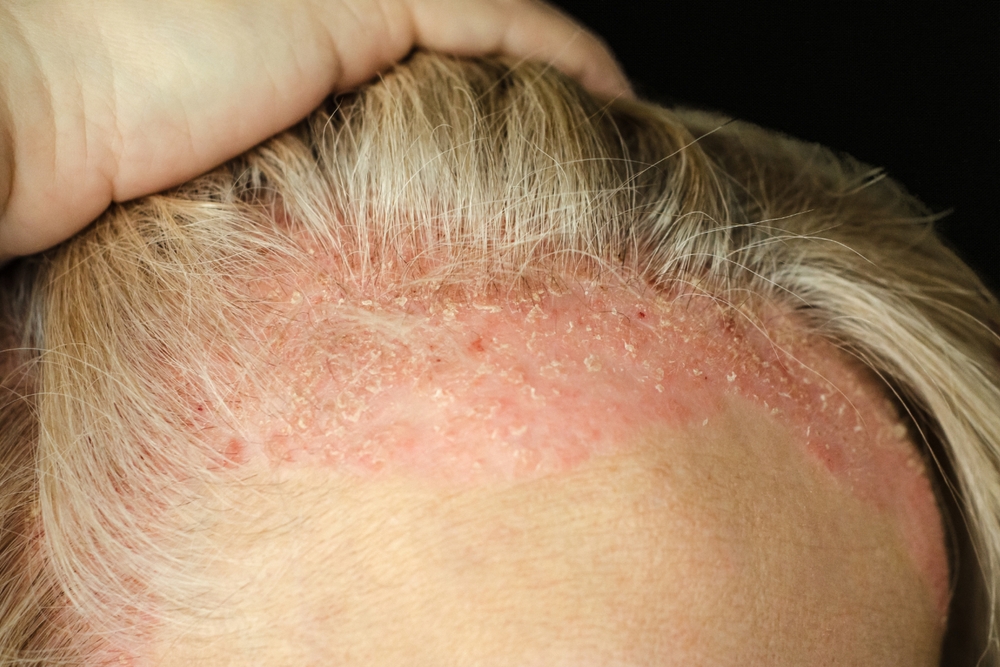
In cases of skin conditions such as eczema, it may be beneficial to change sheets up to twice a week.
Reduce allergens with proper washing
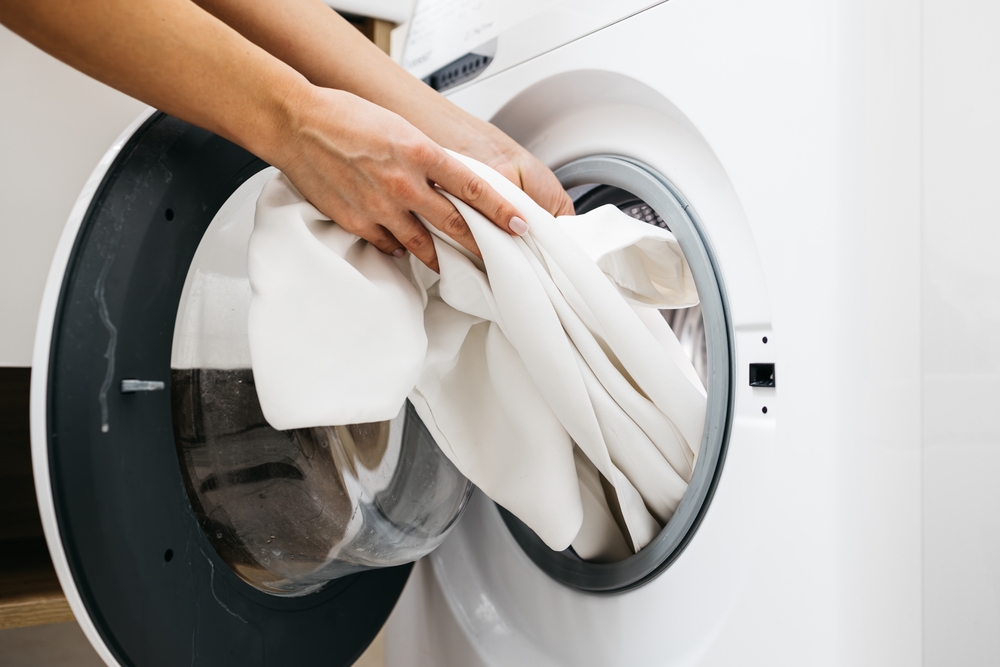
Frequent washing of bedding can also reduce allergy symptoms by removing dust mites and allergens from textiles.
Also read: Lumps and swellings: when to seek medical advice
Turn the entryway into a barrier against bacteria
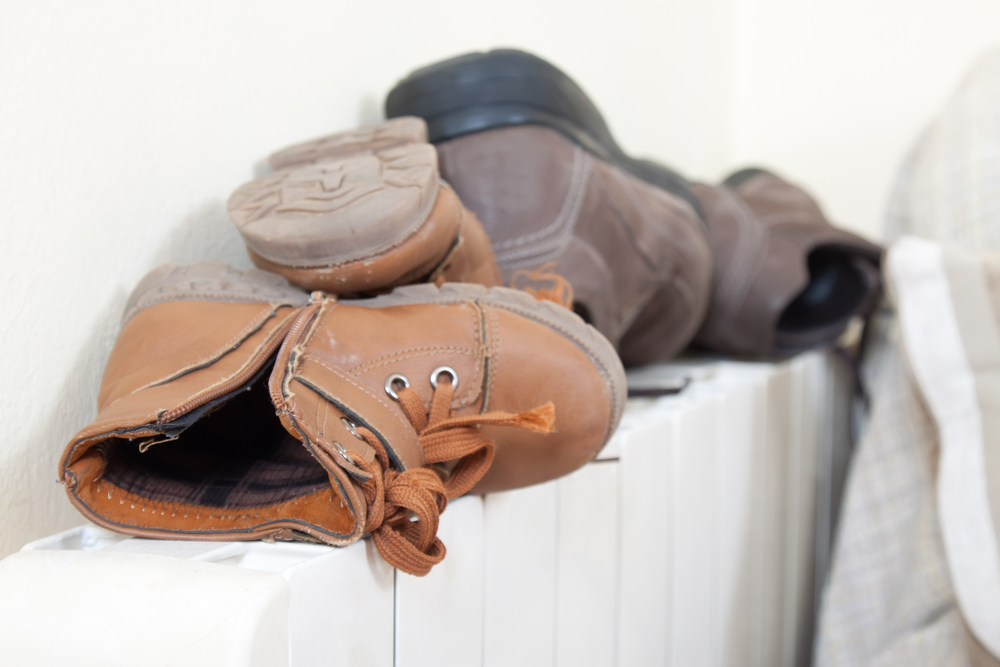
A tidy entryway with fewer items can reduce the amount of bacteria brought in from outside.
Introduce a rule of removing shoes indoors
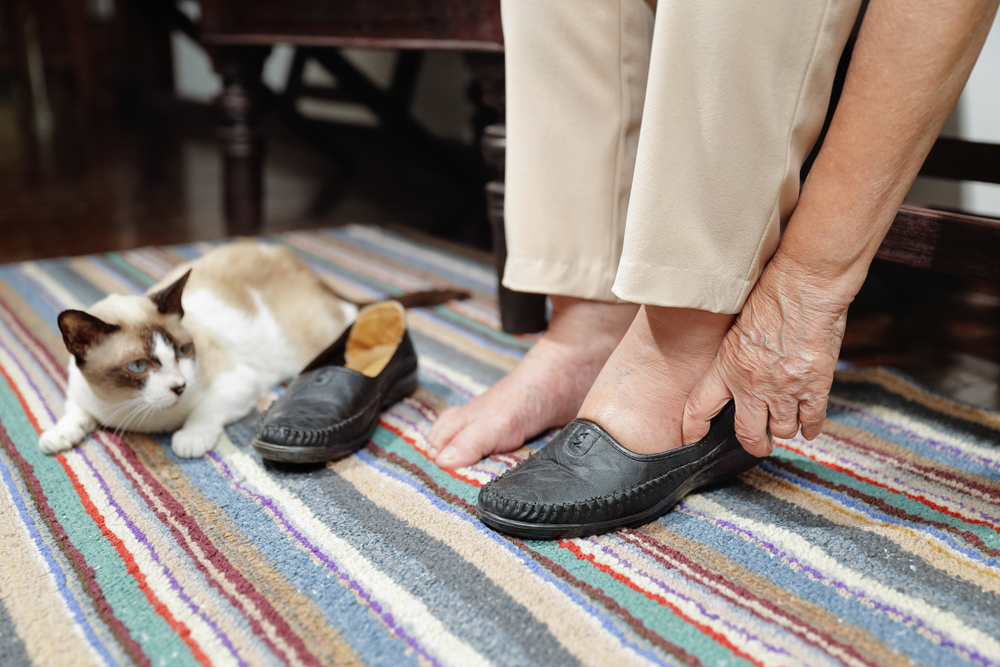
By placing shoes in a designated spot, such as a shoe rack or tray, you can limit dirt and bacteria in the home.
Change filters for cleaner indoor air
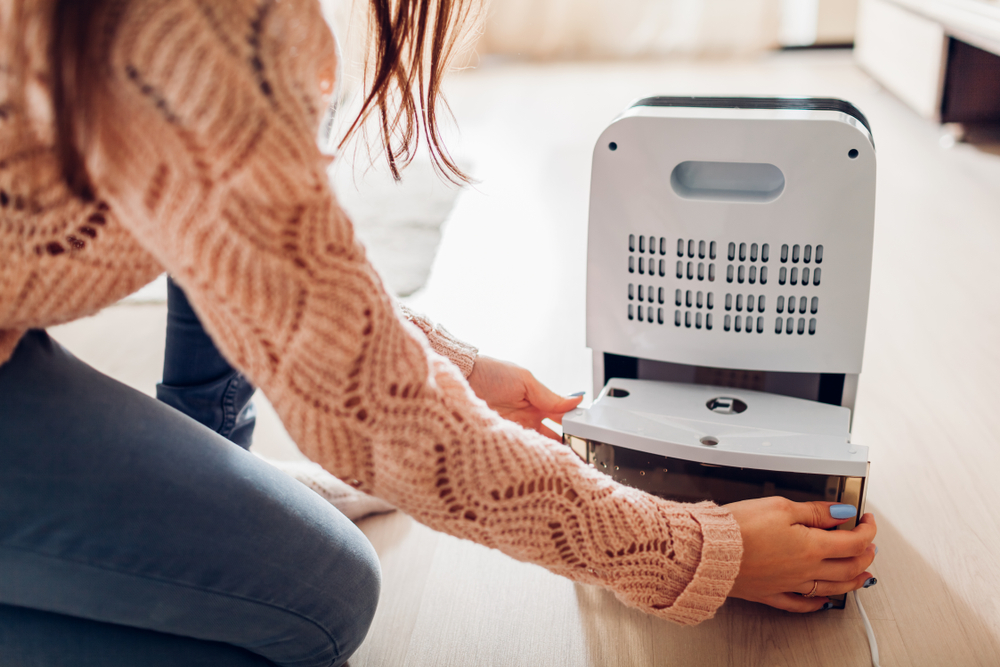
If you have a ventilation or heating system, it is important to change the filters regularly to keep the air clean and reduce allergens.
Tidy up every evening before bedtime
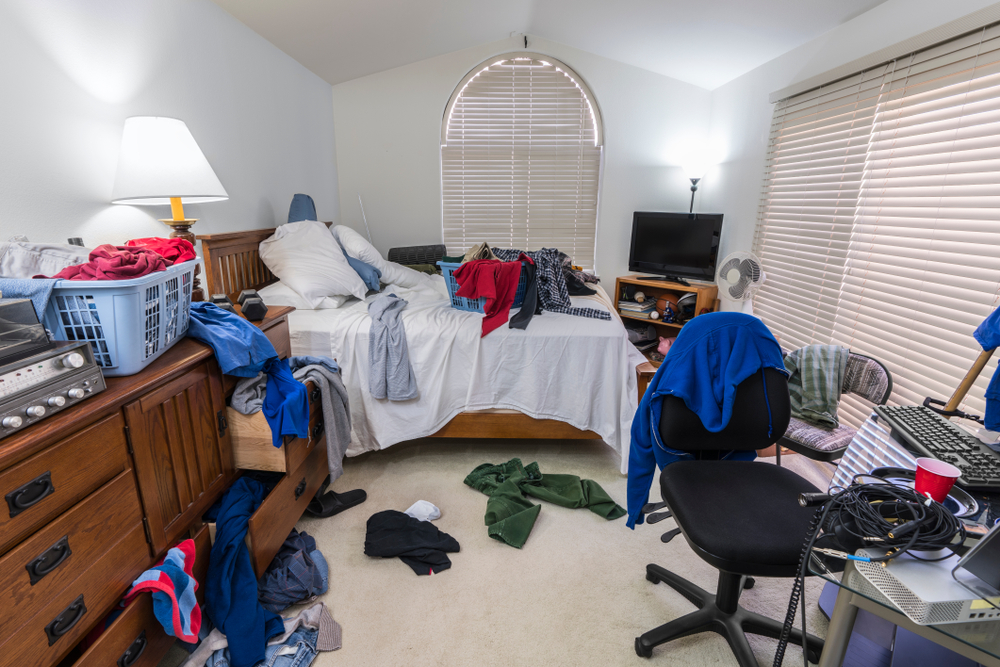
A quick tidy-up before bed can provide peace of mind and make it easier to clean and disinfect surfaces the next day.
Also read: Genetic predisposition to blood sugar spikes may increase Alzheimer’s risk by 69 percent
Collect clutter in a basket
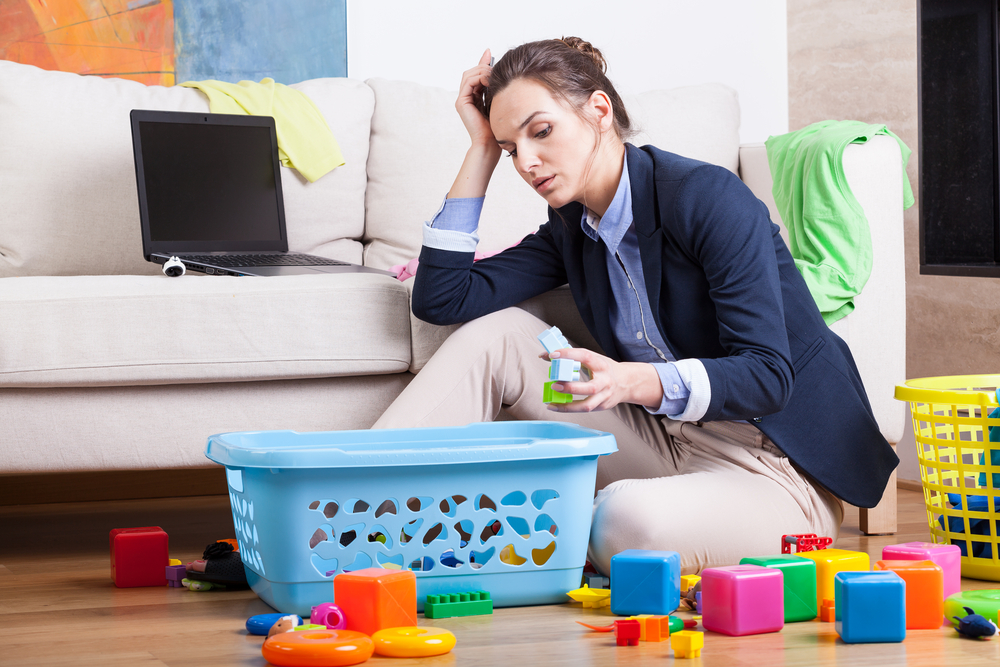
If tidying feels overwhelming, start by gathering items in a basket and putting a few things away at a time.
Sources: Healthline.com, and Indoor Air.
Also read: Lifelong alcohol consumption increases the risk of colorectal cancer
This article is made and published by Ida-Marie Palm Varbæk, who may have used AI in the preparation.