
Cashews are known for their creamy texture and rich flavor, but they offer far more than just a sense of indulgence.
These small, kidney-shaped nuts are packed with nutrients that can contribute positively to both physical health and overall well-being.
Rich in protein
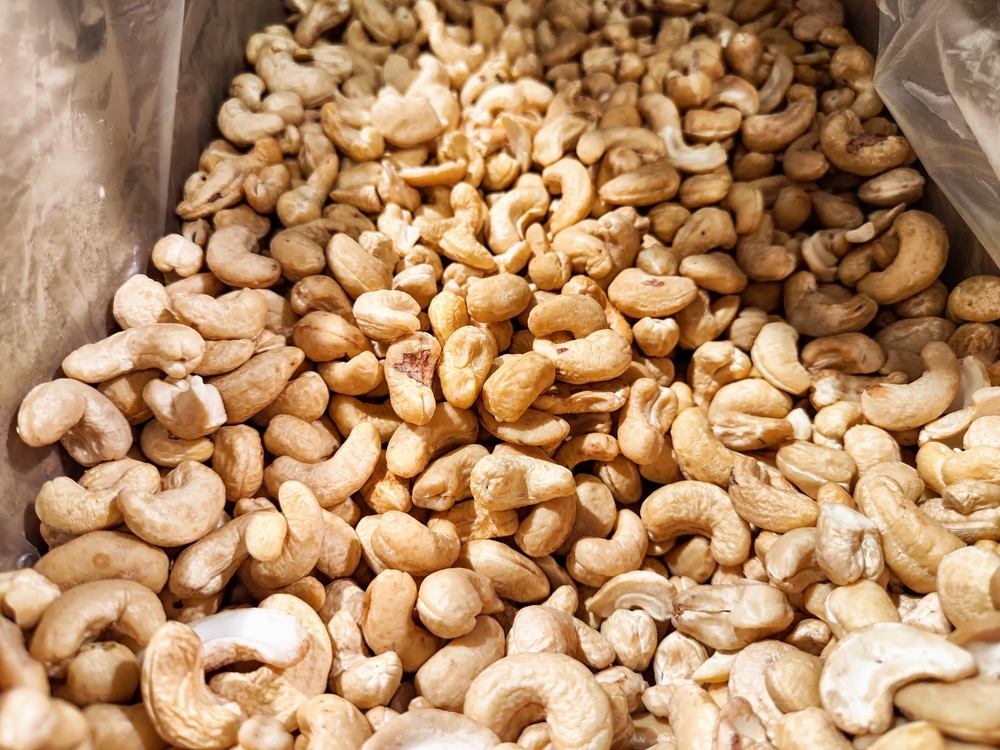
Protein is an essential macronutrient that the body needs for muscle building and cell repair, among other functions.
A serving of approximately 18 cashews contains 5 grams of protein, making a meaningful contribution to the daily requirements of both women and men.
Also read: Woman who was clinically dead for 32 seconds describes near-death experience
Healthy unsaturated fats
Cashews are particularly recognized for their content of monounsaturated and polyunsaturated fatty acids.
These types of fats are associated with lower cholesterol levels and support cellular health.
Omega-3 and omega-6
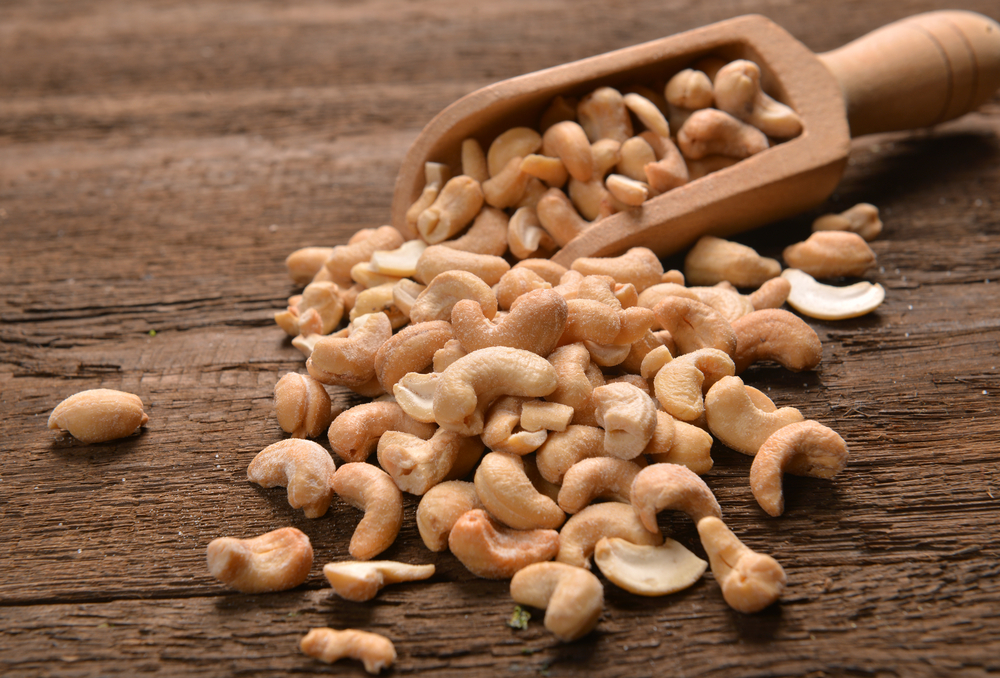
Polyunsaturated fatty acids include omega-3 and omega-6.
Cashews contain both, making them a plant-based source of these important fatty acids.
Also read: New study finds weight loss may lower the risk of certain disease combinations
Contributes to brain function

Omega-3 fatty acids are linked to healthy blood circulation in the brain, as well as supporting brain structure and function.
Cashews contain omega-3 and can therefore be included as part of a diet that benefits brain health.
Supports healthy cholesterol levels

A study published in The American Journal of Clinical Nutrition shows that when foods high in sugar and low in fiber are replaced with cashews, this is associated with lower levels of harmful LDL cholesterol, which is linked to an increased risk of heart disease.
Supports mood

Cashews are a plant-based source of the amino acid tryptophan, which is necessary for the production of the neurotransmitter serotonin.
Also read: New speculation about Donald Trump’s health
Serotonin plays a role in regulating mood, sleep, and digestion.
Promote a healthy gut microbiota
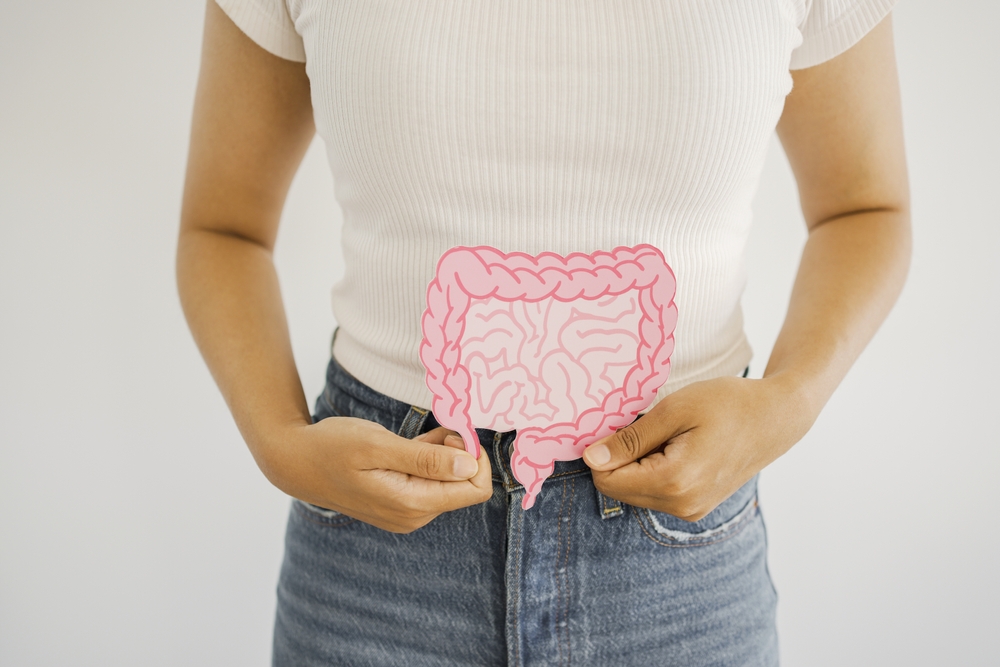
A healthy gut system is associated with better nutrient absorption, as well as support for the immune system and mood.
Cashews provide fiber and plant compounds called polyphenols, which can help support a diverse gut microbiota.
Contain prebiotic fiber

Cashews contain galacto-oligosaccharides, which function as prebiotics.
Also read: How to get more protein in your oatmeal
These carbohydrates nourish beneficial gut bacteria and may contribute to improved immune function and reduced inflammation.
Keep you full for longer

The combination of protein, fiber, and healthy fats makes cashews a snack that helps maintain a feeling of fullness for longer.
Protein-rich foods are generally considered more satiating than foods rich in fat or carbohydrates alone.
Stable blood sugar and weight management
Their content of protein, fiber, and fat means the body digests them more gradually. This may help stabilize blood sugar levels and support healthy weight management.
Also read: WHO Confirms Fatal Nipah Case Outside India
Rich in magnesium
A serving of cashews contains around 83 milligrams of magnesium, equivalent to approximately one quarter of the recommended daily intake.
Magnesium plays an important role in regulating the neurotransmitter GABA, which helps the body relax and supports sleep.
Support bone health

Cashews contain protein, calcium, magnesium, and phosphorus, all of which are key nutrients for strong and healthy bones.
Sources: Real Simple, and The American Journal of Clinical Nutrition.
This article is made and published by Ida-Marie Palm Varbæk, who may have used AI in the preparation.