
B vitamins are essential for a wide range of bodily functions and are continuously excreted, meaning they must be supplied daily through the diet.
Here are some foods that, according to research sources and nutritional data, provide significant amounts of various B vitamins.
Beef liver
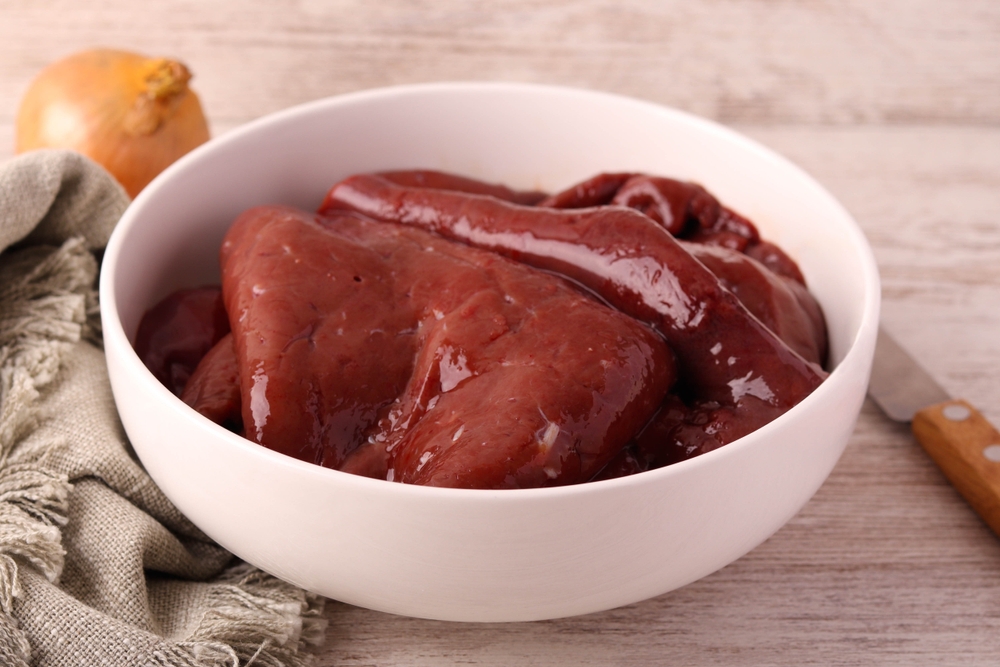
85 grams of beef liver contain large amounts of all eight B vitamins, including 2,944 percent of the daily requirement for B12, as well as more than 100 percent of B2, B5 and B7, among others.
Fatty fish and tuna
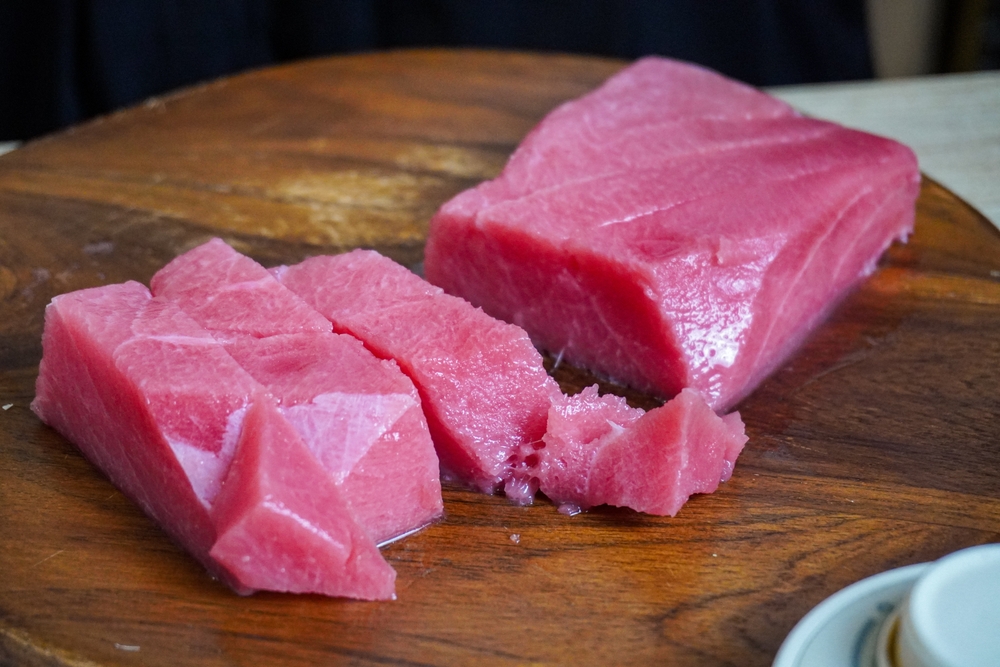
Salmon and tuna provide several B vitamins such as B1, B2, B3, B5 and B6, along with more than 100 percent of the daily requirement for B12 per serving of approximately 85 grams.
Also read: Doctor shares method to fall back asleep after waking at 3am
Nutritional yeast
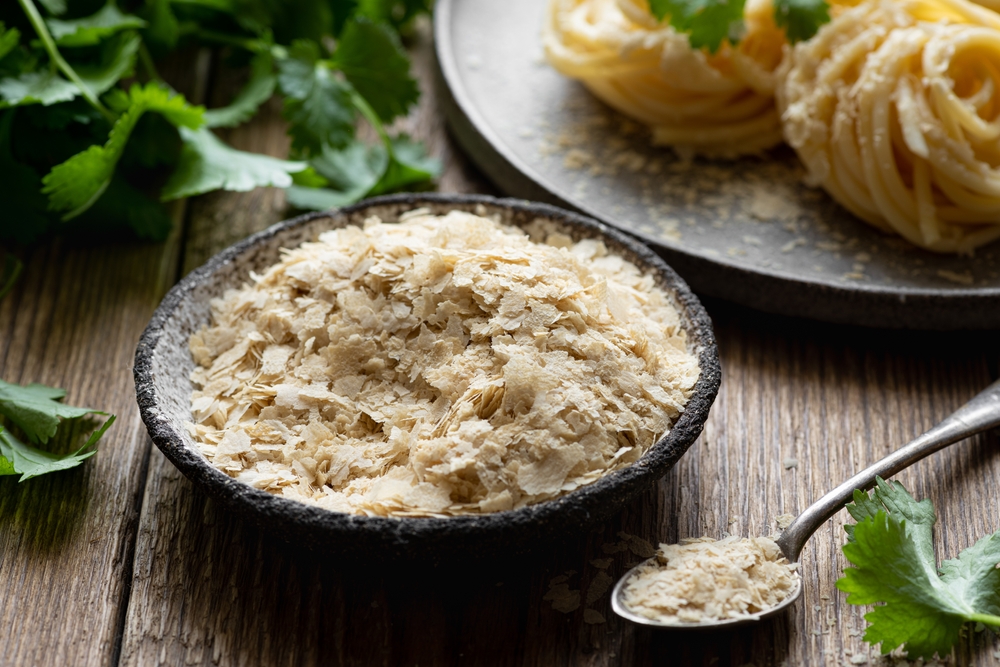
A quarter cup of nutritional yeast can contain 790 percent of B1, 570 percent of B2, 230 percent of B3, 300 percent of B6, 270 percent of folate B9 and up to 1,000 percent of B12, depending on the product.
B12 deficiency may occur with a strict plant-based diet, according to a study published in the American Journal of Lifestyle Medicine.
Spinach
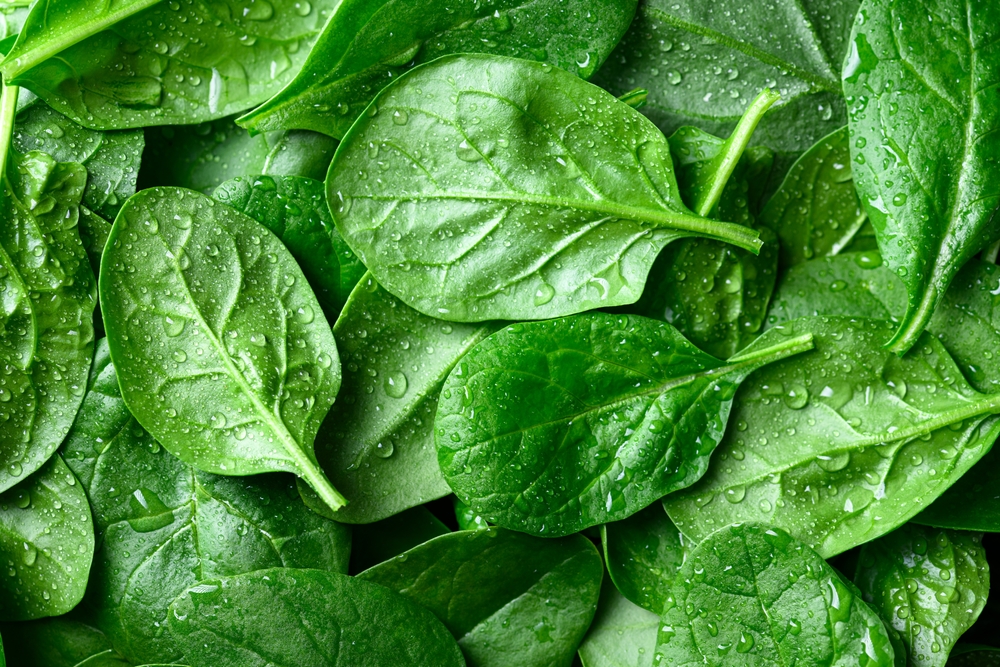
Half a cup of cooked spinach provides 33 percent of the daily requirement for folate B9, making it a significant source of this B vitamin.
Green leafy vegetables
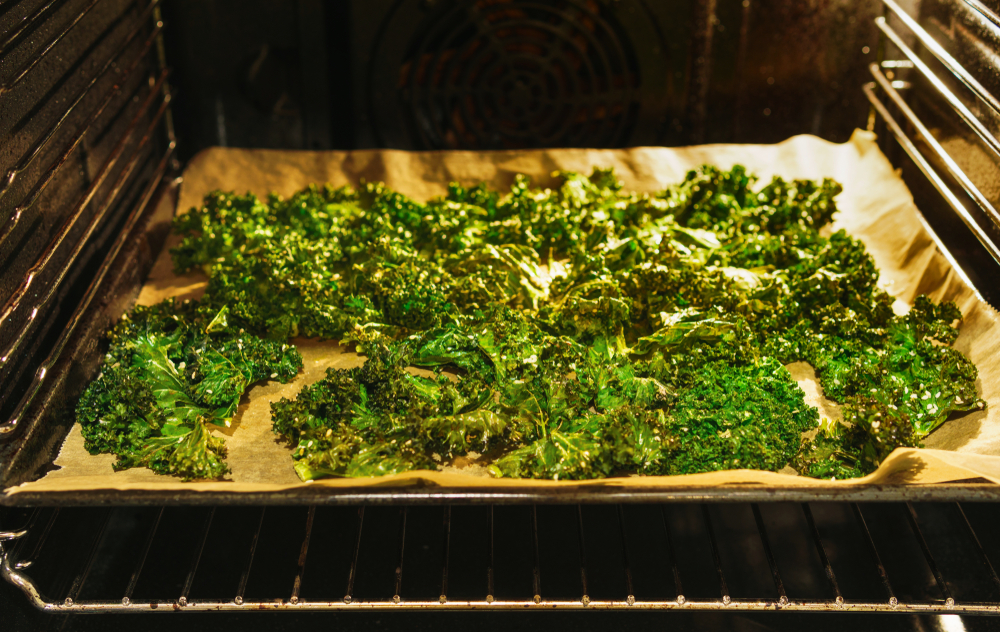
Kale, broccoli, Brussels sprouts, asparagus and Swiss chard are highlighted as good sources of folate B9.
Also read: These foods may protect the heart, new study shows
Green leafy vegetables are nutritionally supportive of metabolism, according to a study published in Metabolites.
Eggs
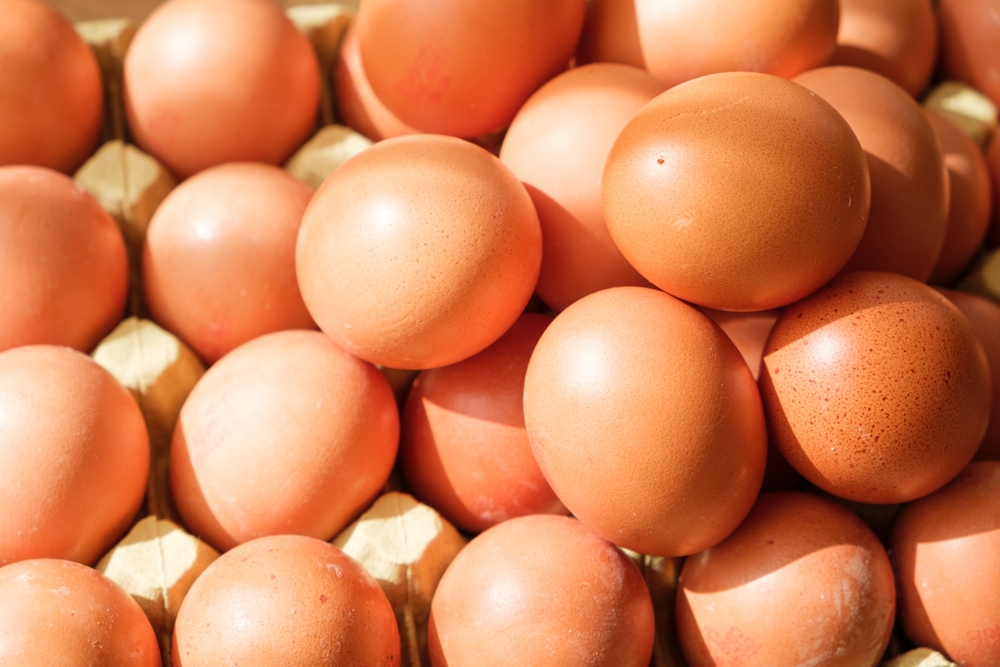
One egg covers 33 percent of the daily requirement for biotin B7 and also contains smaller amounts of B2, B5 and B12.
Fortified breakfast
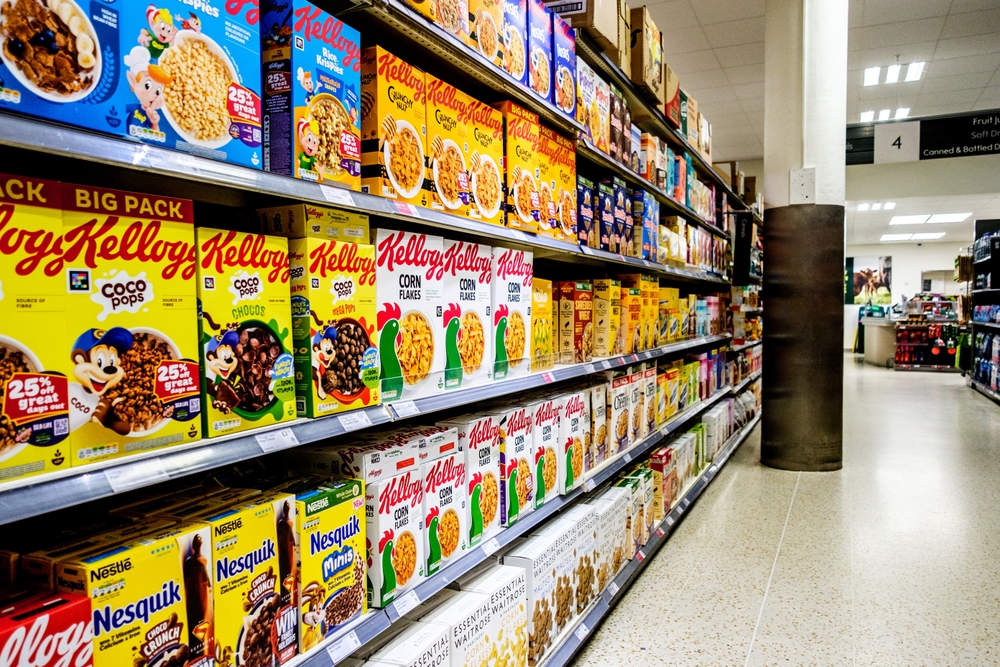
Grain products lose part of their natural B vitamins during processing.
Many breakfast cereals are therefore fortified and can provide more than 20 percent of several B vitamins per serving.
Also read: Billions carry this parasite - here’s why most never get sick
Fortified Cheerios
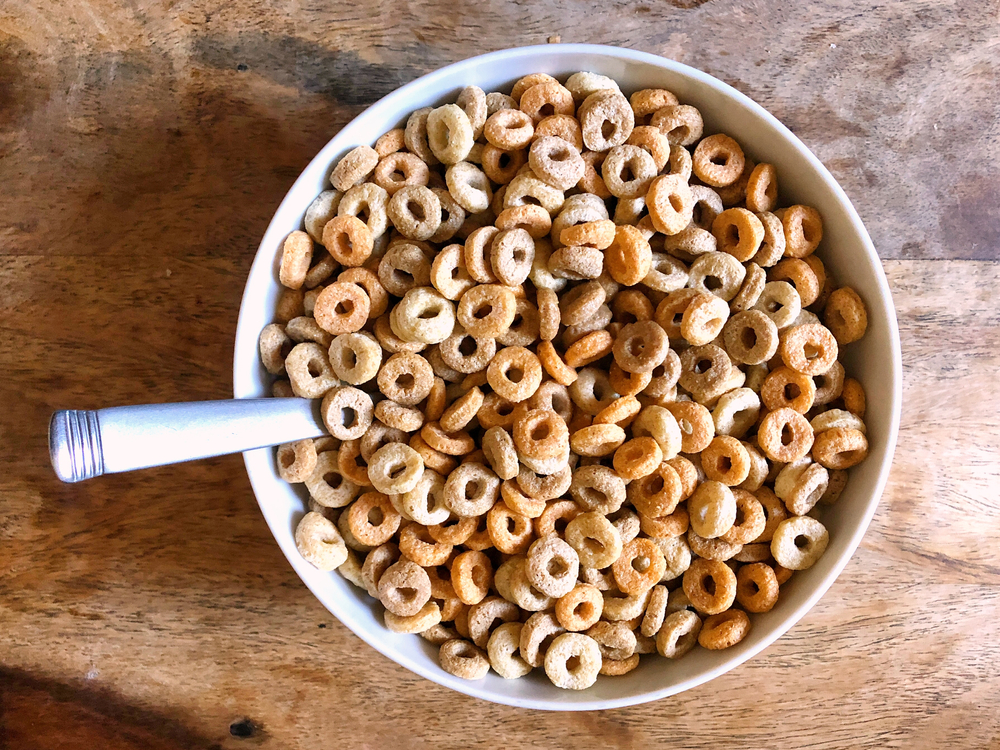
One serving can contain 22 percent of B1, 23 percent of B2, 22 percent of B3, 20 percent of B6, 35 percent of folate B9 and 43 percent of B12.
Chicken and beef
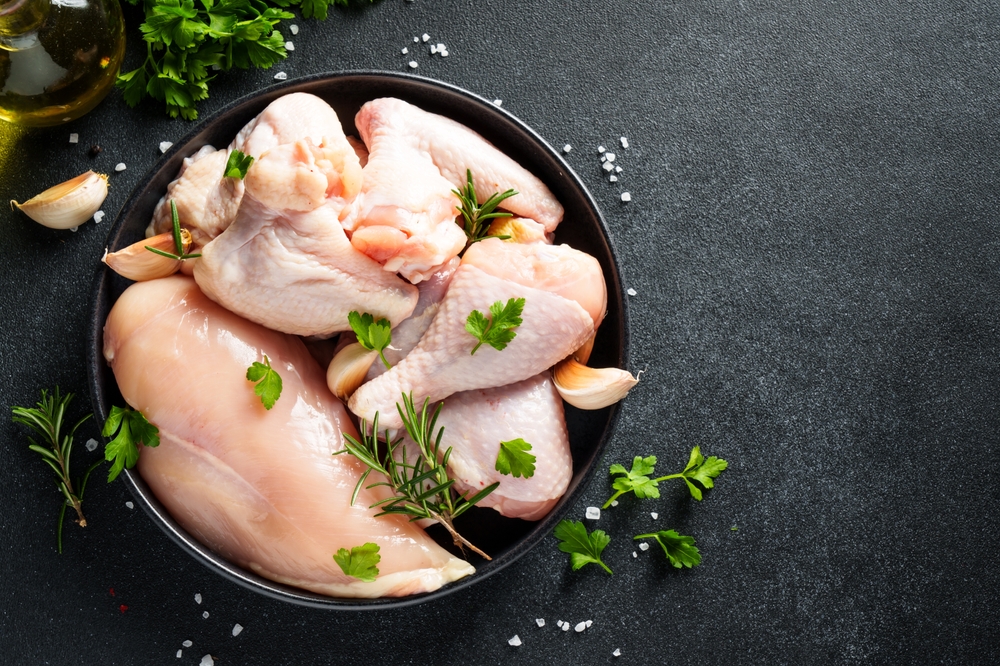
A serving of chicken or beef can provide significant amounts of B2, B3, B5, B6 and up to 100 percent of the daily requirement for B12, depending on the type and preparation.
Milk
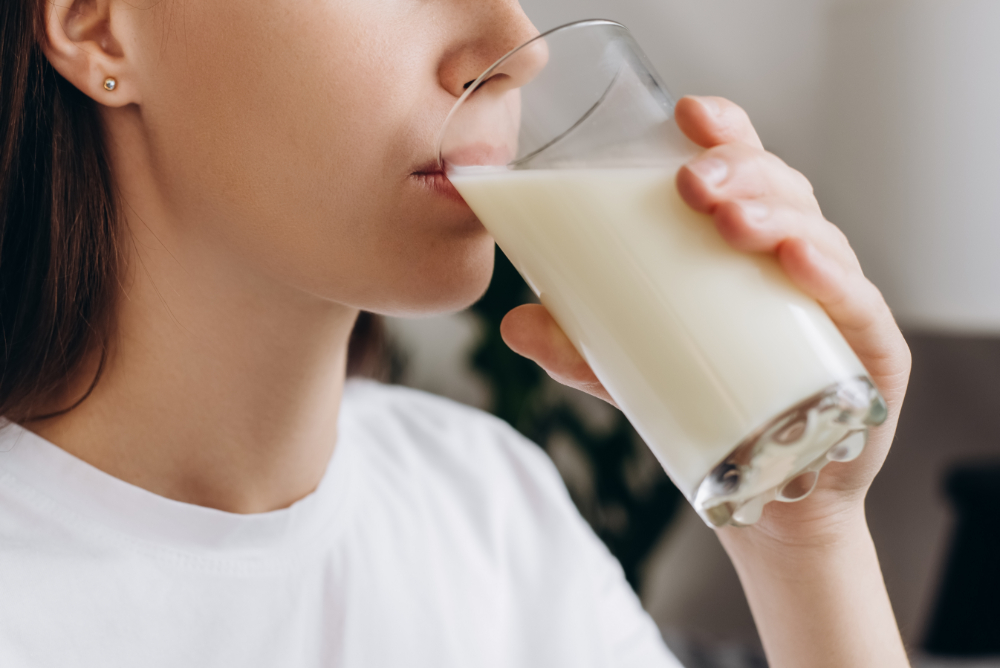
One cup of 2 percent milk contains 38 percent of the daily requirement for B2 and 54 percent for B12. Cheese and yogurt are also good sources of these B vitamins.
Chickpeas
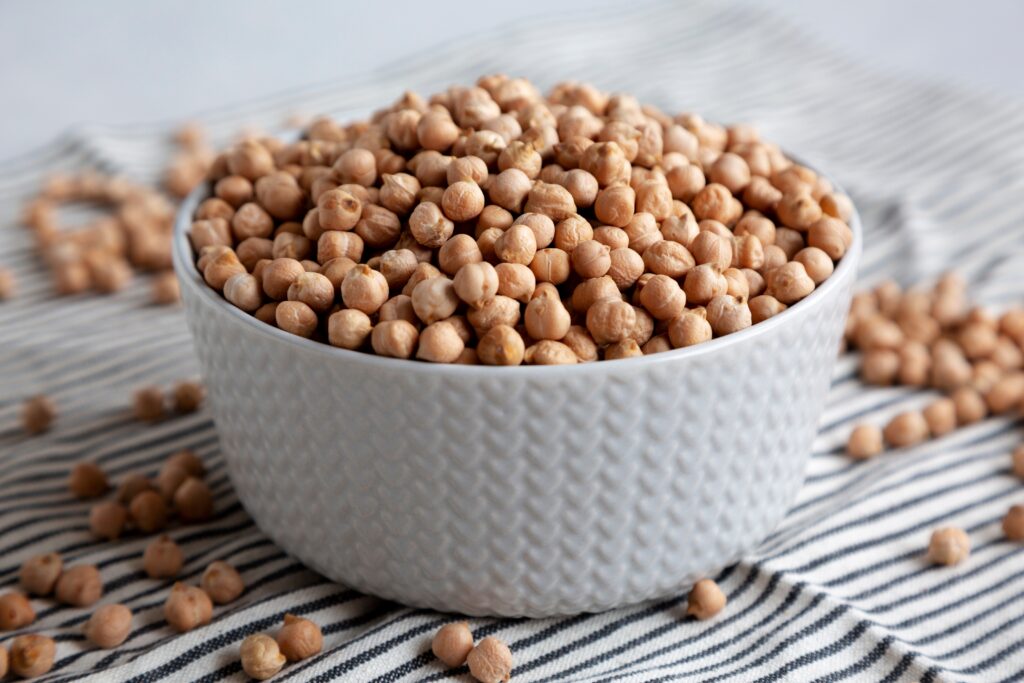
Half a cup of cooked chickpeas contains around 35 percent of the daily requirement for folate B9.
Also read: Doctors outline signs of magnesium deficiency in the face and eyes
Other beans
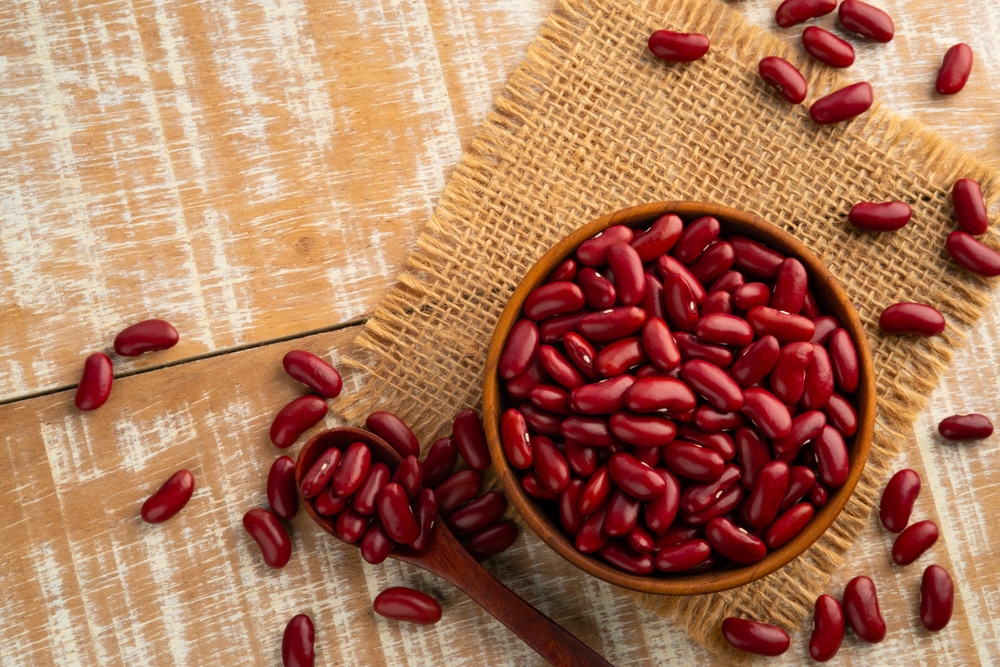
Black beans can provide 32 percent of the daily requirement for folate B9, black-eyed peas 26 percent and kidney beans 12 percent.
Sunflower seeds
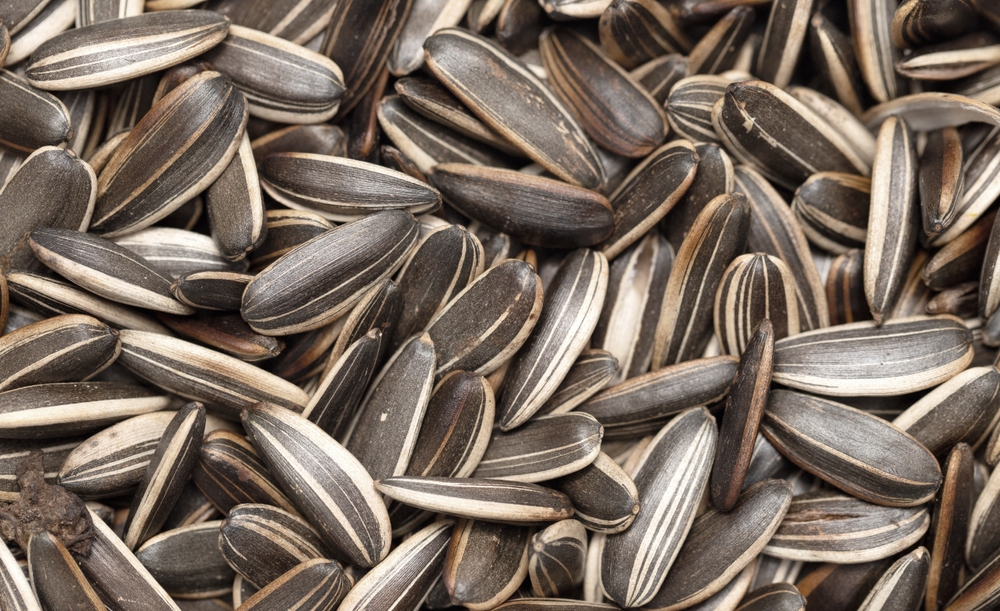
A quarter cup of sunflower seeds contains 48 percent of the daily requirement for B5 and 16 percent for B1.
Other seeds and nuts
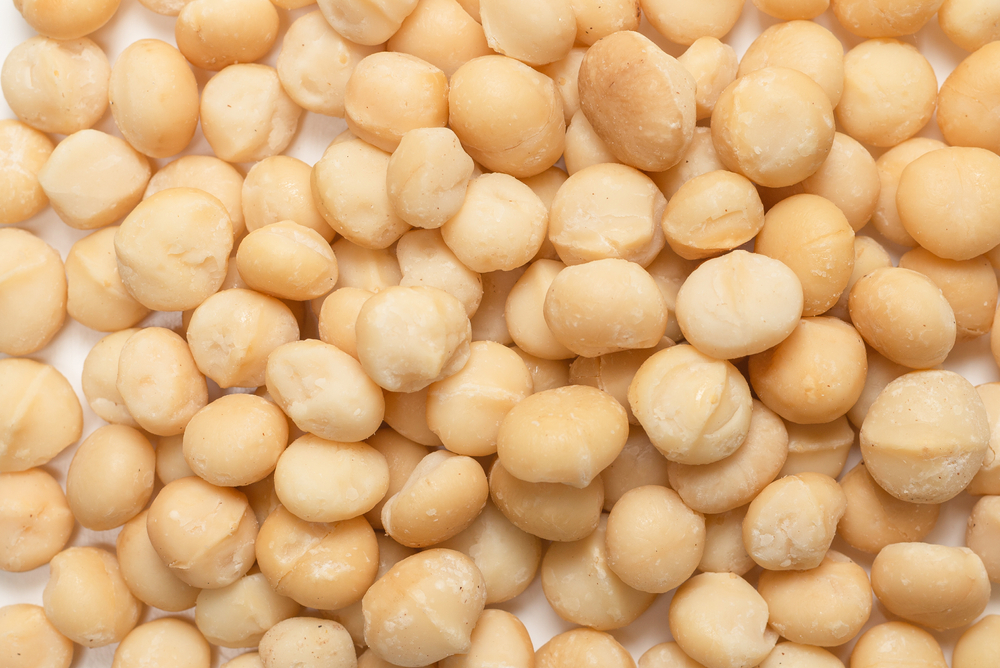
Macadamia nuts and flaxseeds are sources of B1, while pumpkin seeds are rich in B5.
Sources: Verywell Health, American Journal of Lifestyle Medicine, and Metabolites.
Also read: GLP-1 medication may help reduce the risk of uterine cancer
This article is made and published by Ida-Marie Palm Varbæk, who may have used AI in the preparation.