
You do not need to climb mountains or go on long hikes to experience the beneficial effects of nature.
Even small moments in natural surroundings can enhance calm, focus, and overall well-being.
Here are a number of simple steps that can be integrated into everyday life.
Create a small garden
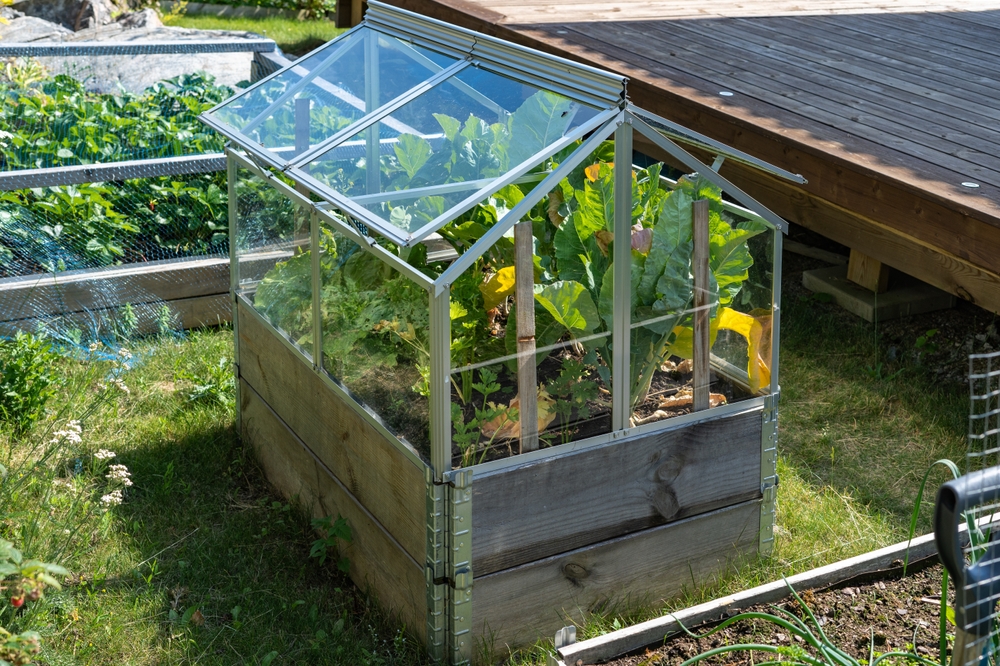
If you have a small patch of soil or simply space for a few pots, a garden can become a steady source of contact with nature.
Also read: Simple neck test could help spot meningitis symptoms at home
According to a 2022 study published in Preventive Medicine Reports, gardening can strengthen psychological well-being and may even help prevent mental health problems.
Even a small collection of herbs or flowers can make a noticeable difference in daily life.
Make an indoor mini garden
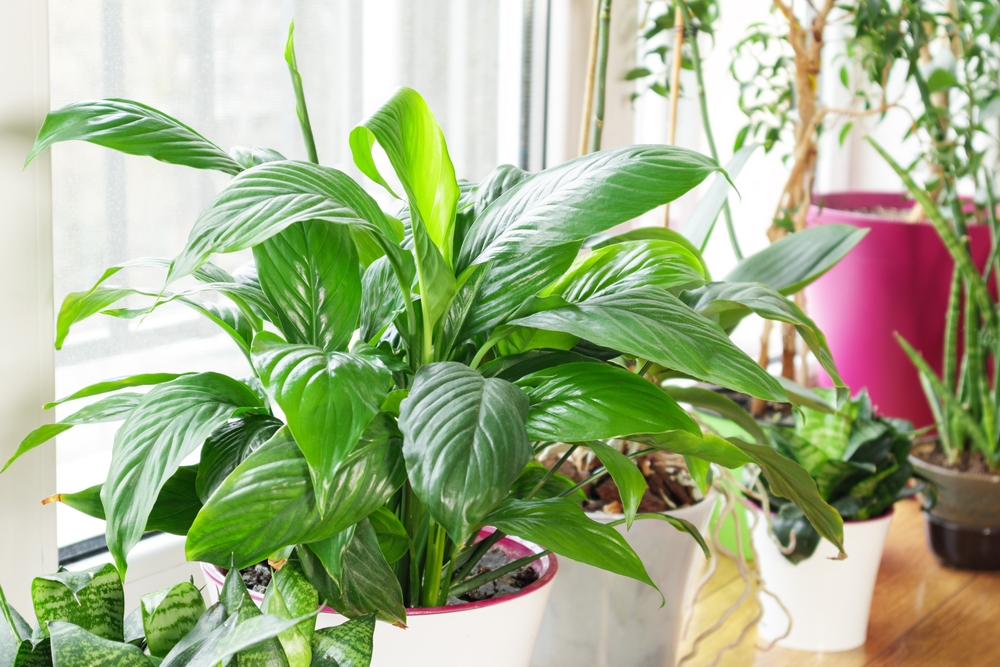
When the weather turns cold, you can move the garden indoors. A small herb garden on the kitchen counter or a few flowers by the window offer an easy alternative.
This allows you to care for plants and stay close to nature without leaving your home.
Also read: These foods may influence your body odor
Play nature sounds
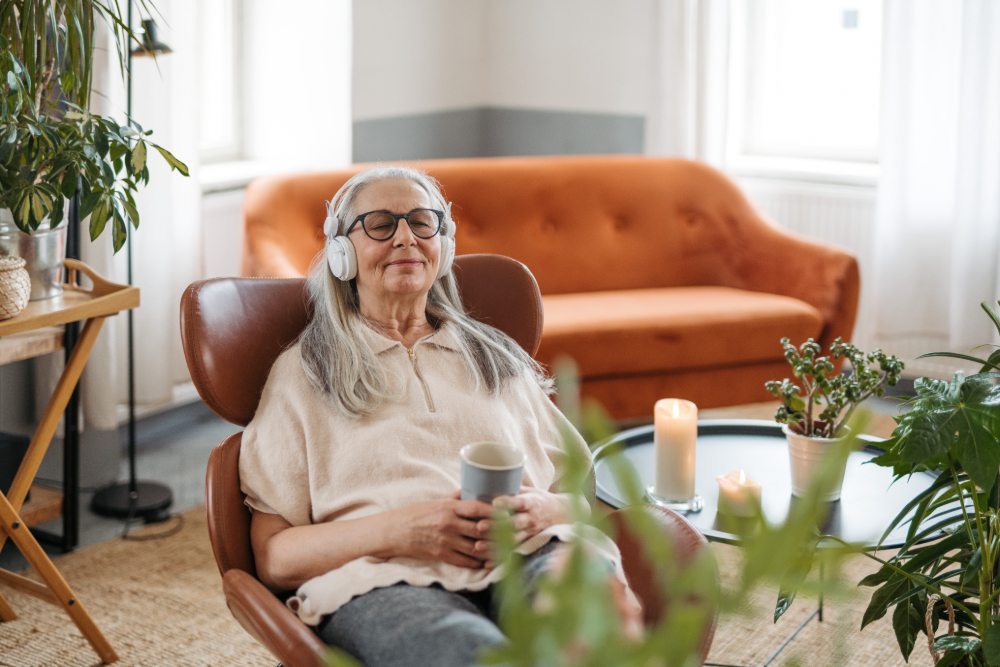
Recordings of birdsong, running water, or wind in the trees can create a sense of nature in the midst of everyday tasks.
The sounds can play in the background while you do laundry, wash dishes, or work at your desk without requiring your full attention.
Look at nature
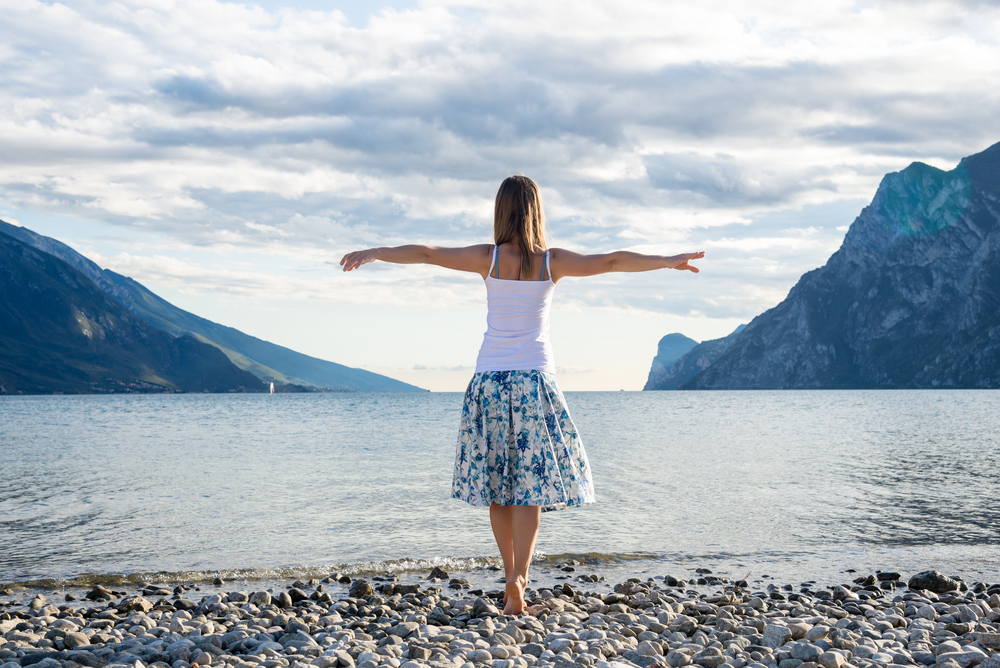
Sit quietly in a park, in your garden, or by a lake, and actively engage your senses.
Observing trees, animals, flowers, or stones can improve cognitive function, reduce stress, and lift your mood.
Also read: How oatmeal can affect your body if you eat it every day
Research published in the Journal of Environmental Psychology shows that just 40 seconds of focused attention on nature can increase concentration and boost productivity.
Sit by an open window

If you prefer to stay indoors, an open window can provide a simple connection to your surroundings. Notice sounds, scents, and physical sensations.
You may wish to create a cozy corner with a comfortable chair, a blanket, and a cup of tea to enhance the experience.
Take your yoga outdoors
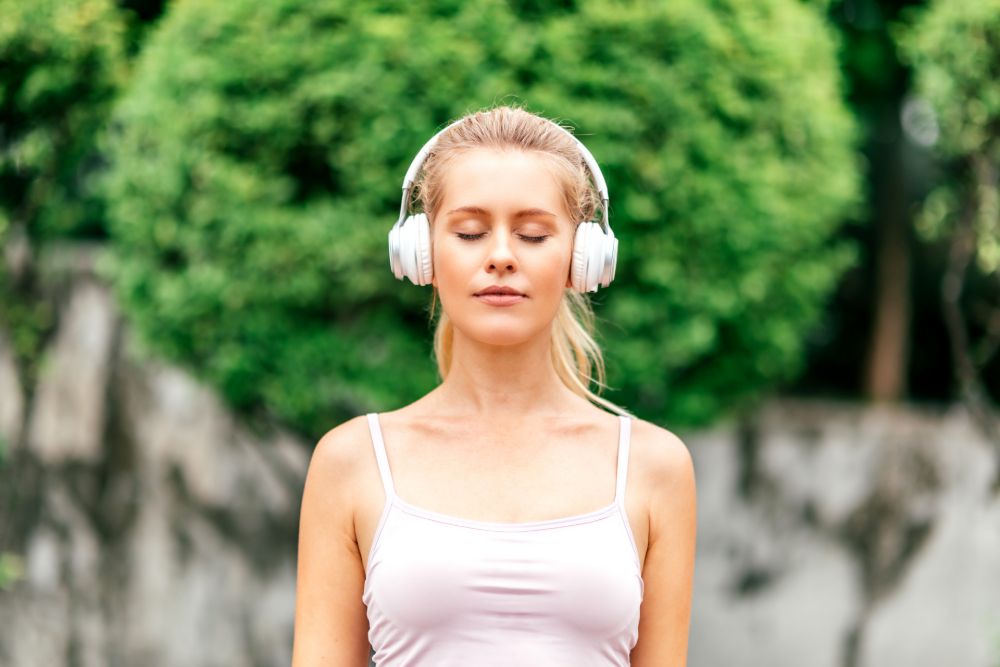
A short yoga session on the balcony, terrace, or in a park can feel especially restorative.
Also read: Study links PFAS exposure to adolescent bone development
Roll out your mat and move calmly through the exercises at your own pace, or find an outdoor class with views of the sunrise or green surroundings.
Visit an indoor green space
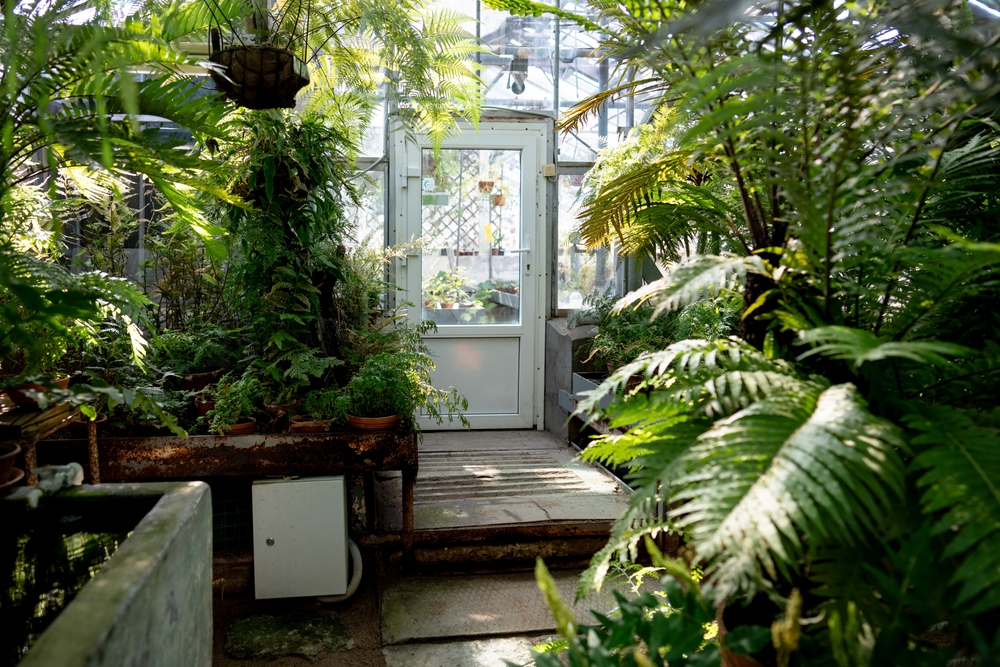
Winter gardens, butterfly houses, and plant-filled atriums provide access to greenery without depending on the weather.
Take a slow walk around, sit down for a moment, and put your phone away to be fully present in the environment.
Turn off digital devices during your visit

Consider taking a photo at the beginning of your visit to a green space so you can remember the place later.
Also read: One in three children suffers brain damage after meningitis
Then put your phone away and spend the rest of the time without digital distractions, allowing yourself to immerse yourself fully in the experience.
Create a natural table decoration
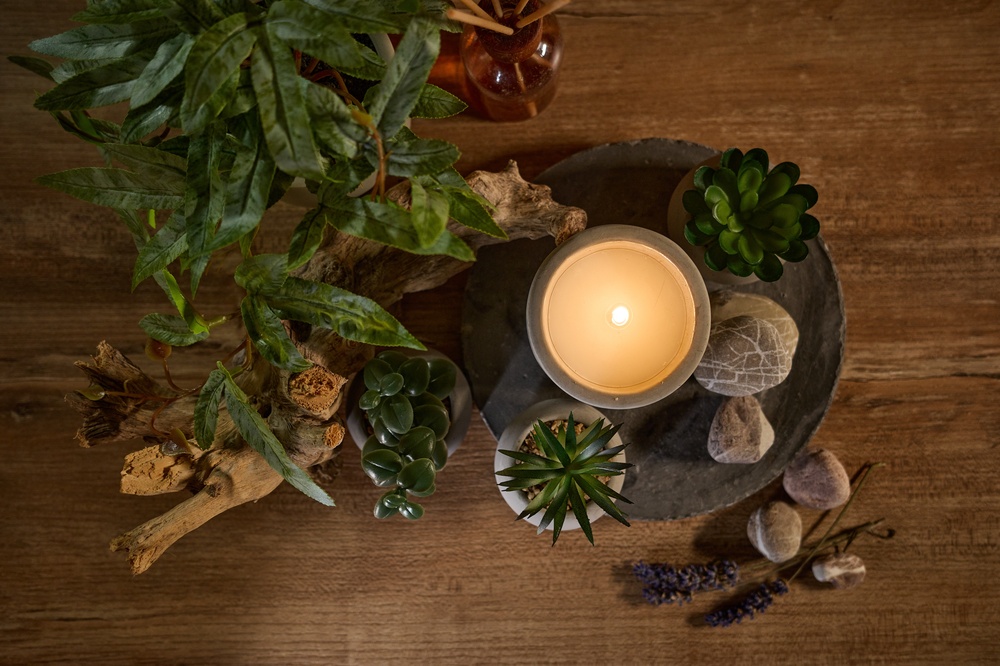
Explore your local area and collect small finds such as branches, wildflowers, stones, or seashells.
When you return home, arrange them on a tray or in a vase and place them somewhere visible in your home.
Integrate natural elements into your self-care
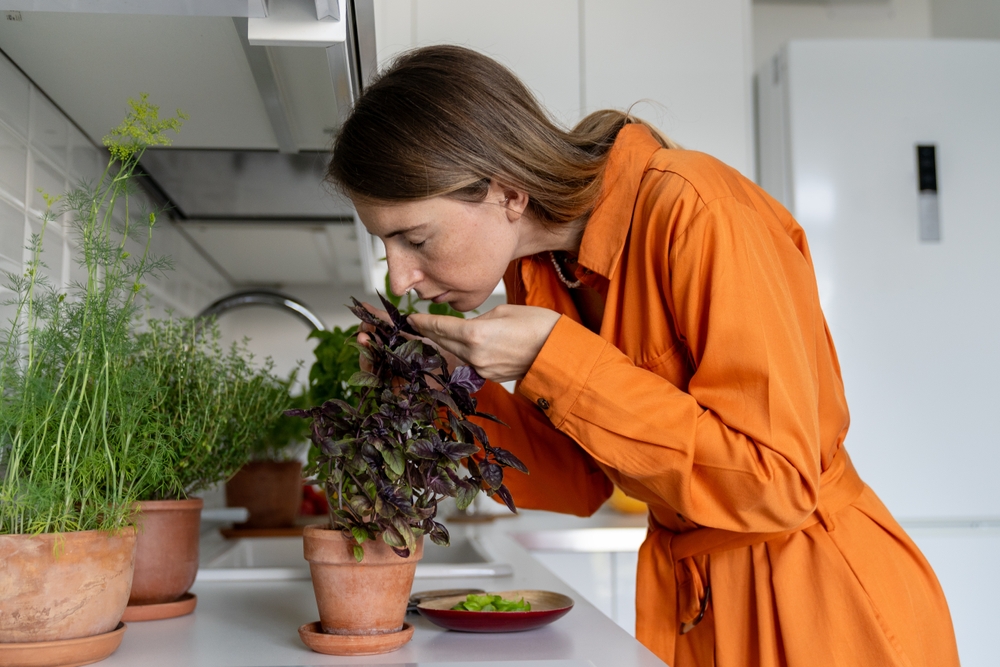
Spending time arranging and observing natural materials can strengthen the connection between body and mind.
When nature becomes part of your daily routines, it can support a sense of calm and grounding.
Visit a local park or lake
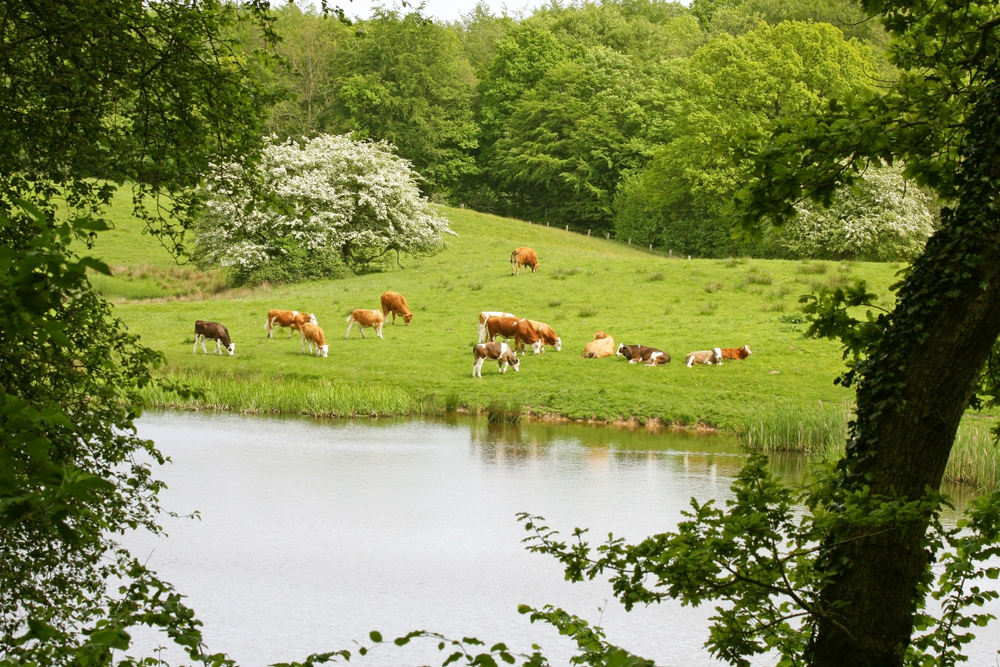
A short trip to a nearby green space may be enough to feel the effects of nature. Sit down, remain still, and take note of what you see and hear around you.
Try a visualization

Sit comfortably, close your eyes, and imagine a natural landscape such as snow-covered mountains or a forest.
Use all five senses in your visualization and notice what you see, hear, smell, or feel. Give yourself a moment to observe the inner responses that arise.
Sources: Real Simple, Preventive Medicine Reports, and Journal of Environmental Psychology.
This article is made and published by Ida-Marie Palm Varbæk, who may have used AI in the preparation.