
Your age is listed on your birth certificate, but it does not tell the whole story about your body’s true condition.
According to experts, simple at-home challenges can provide an indication of how well your body and brain are holding up over time.
Why the body weakens over time
As we grow older, our strength, coordination, balance, and flexibility gradually decline.
This is not only due to weaker muscles. Nerve signals become less efficient, joints lose flexibility, and the senses gradually deteriorate, which can slow reaction time and increase the risk of stumbling.
Also read: Putin back in public after speculation about his health
We challenge ourselves less

As children, we constantly push our motor skills by running, climbing, and trying out new movements.
In adulthood, many people stop engaging in these types of challenges, and as a result, motor skills naturally begin to decline.
You can influence your biological age
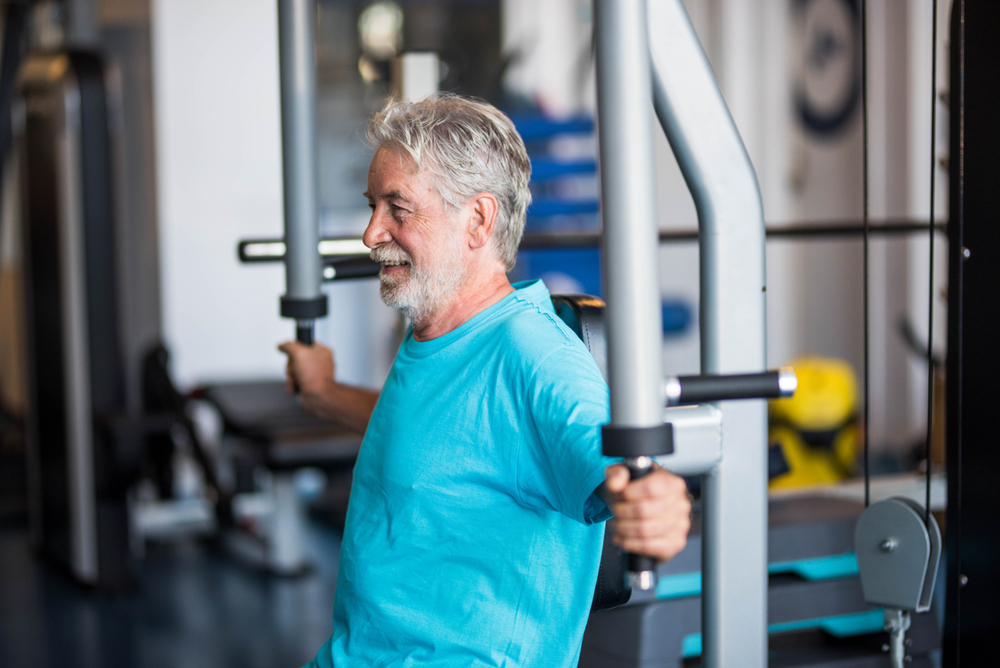
Although genetics and lifestyle vary, research suggests that we have more influence over our biological aging than many people realize.
By staying physically active, it is possible to slow some of the physical and cognitive decline.
Also read: Robotic pets linked to shorter hospital stays for dementia patients
Keep your balance sharp
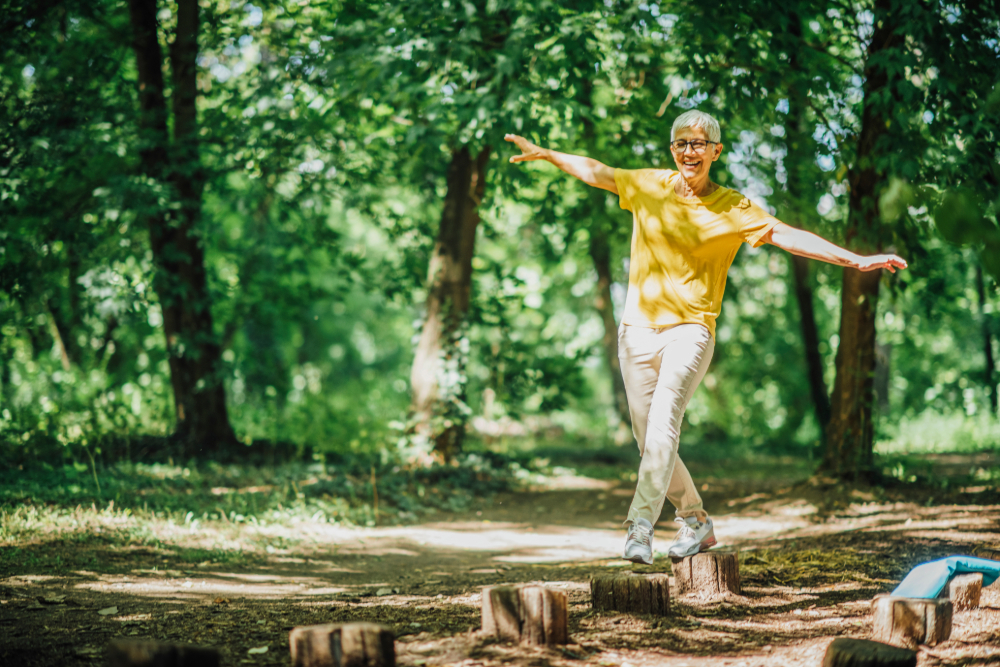
According to experts, individuals who continuously challenge their bodies will maintain better balance and mobility as they age compared to those who do not.
Grip strength reveals vitality
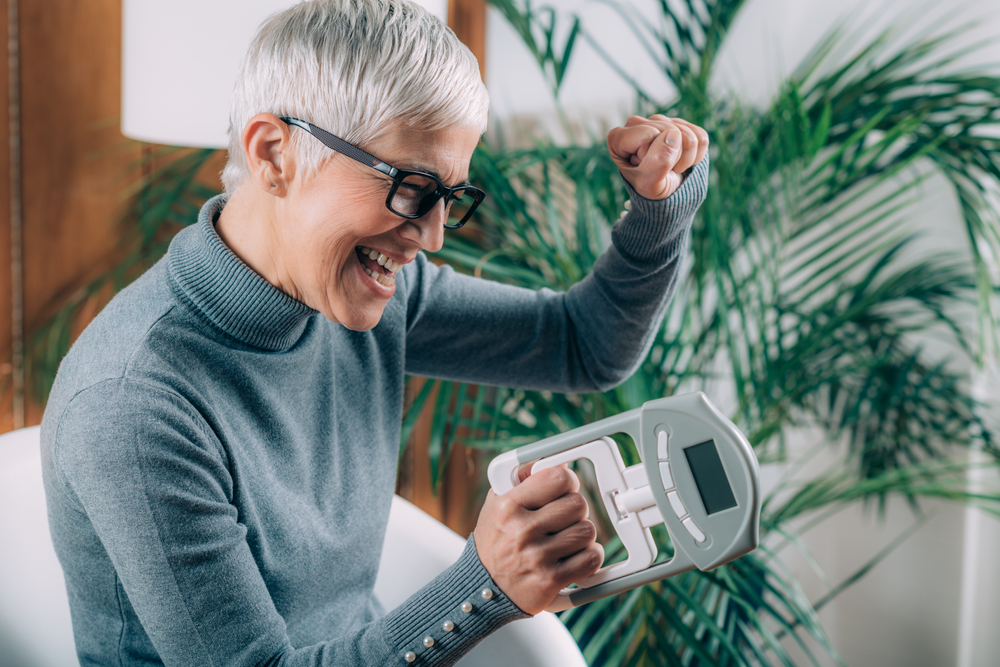
Research shows, according to longevity expert Bill Hanks, that grip strength is closely linked to overall vitality, independence, and even lifespan.
A strong grip can therefore be a sign of a resilient body.
How to test your grip at home

You can try unscrewing the lid of a jar and noticing how easily it opens. Alternatively, carry your own grocery bags and assess whether it feels effortless or heavy.
Also read: How to protect your skin during winter, according to an expert
Balance on one leg
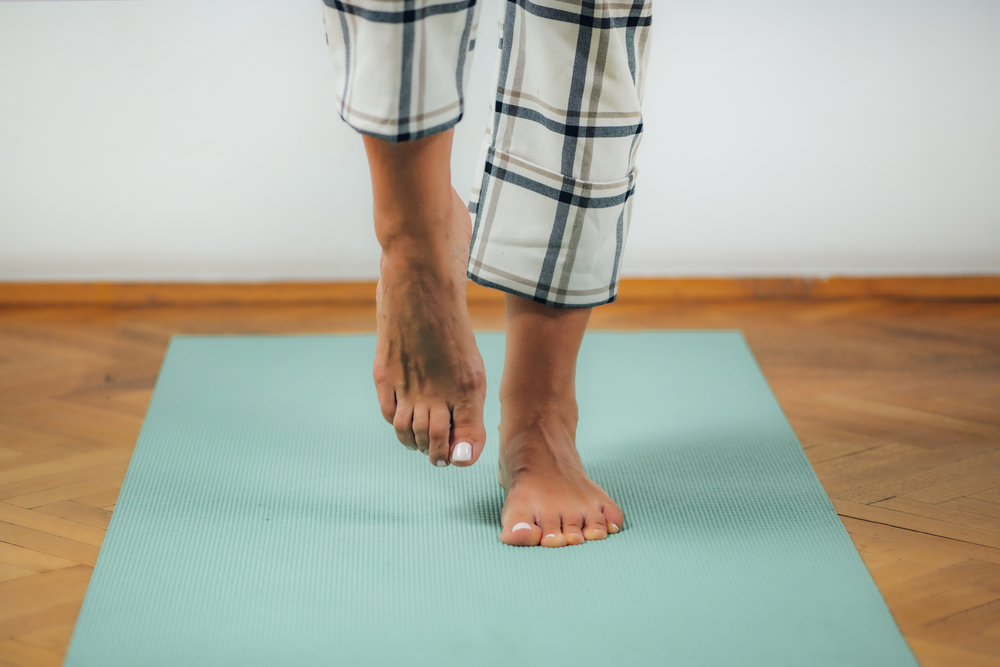
Balance is one of the strongest indicators of fall risk with age. Being able to stand steadily on one leg provides insight into the body’s control and stability.
Make the balance test harder
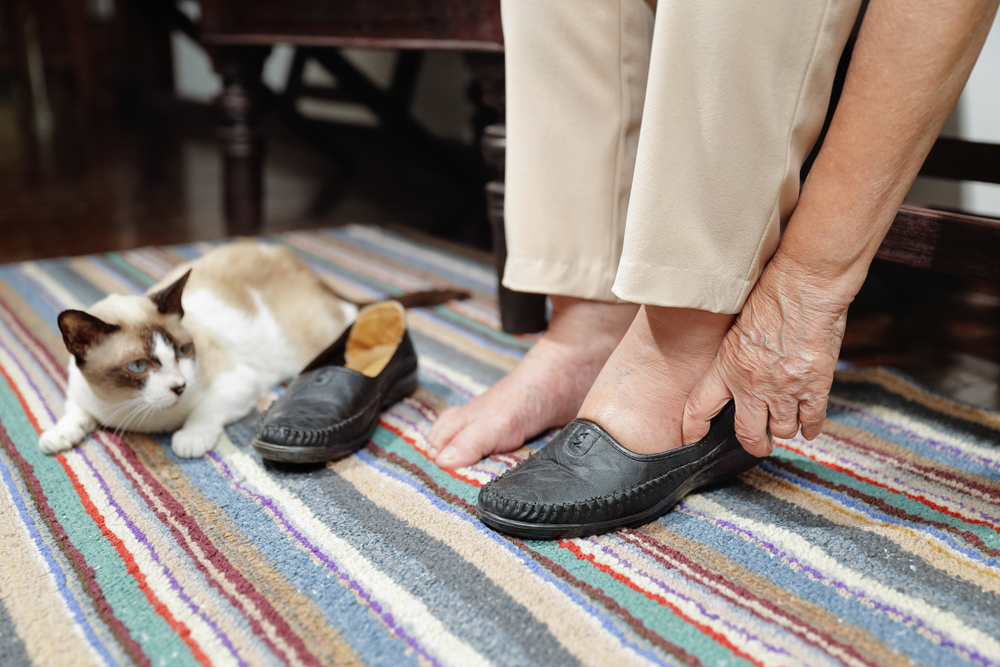
You can challenge yourself by standing on one leg while, for example, putting on a shoe.
If you can maintain your balance for at least one minute, and even manage it while doing something else at the same time, you are in a good position.
Muscle mass naturally declines
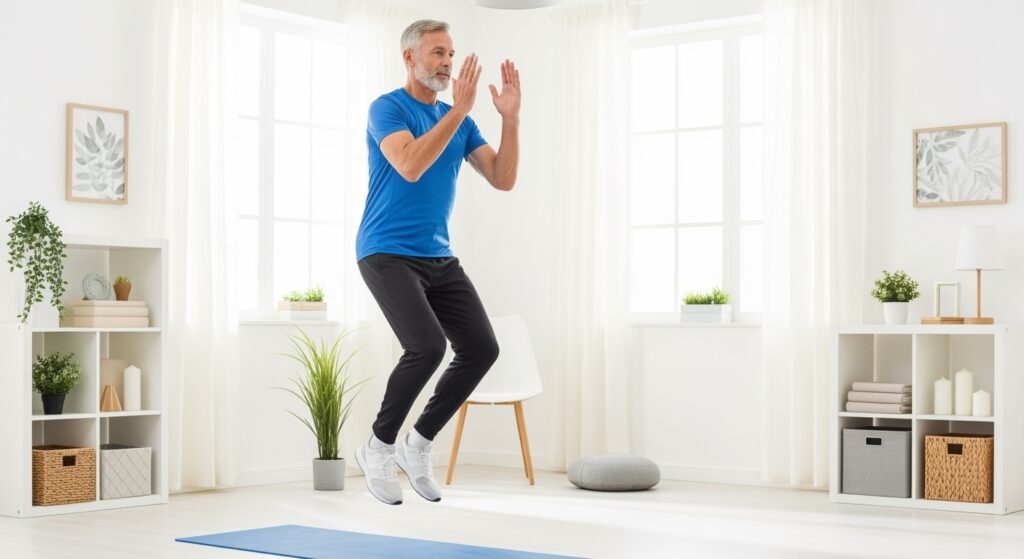
With age, we typically lose muscle mass, while body fat percentage may increase. This can affect strength, metabolism, and long-term health.
Also read: Understanding ALS: Symptoms, causes and disease progression
Test your strength with weights
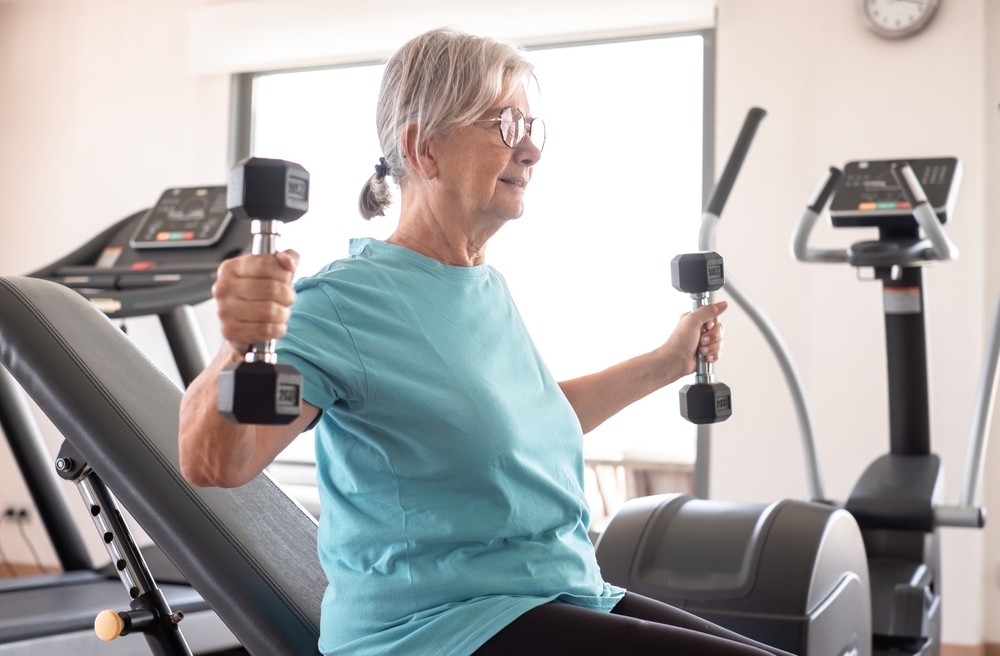
You can assess your strength by lifting light dumbbells, for example, starting at half a kilogram. Gradually increase the weight and observe how your body responds.
The interaction between brain and body is crucial
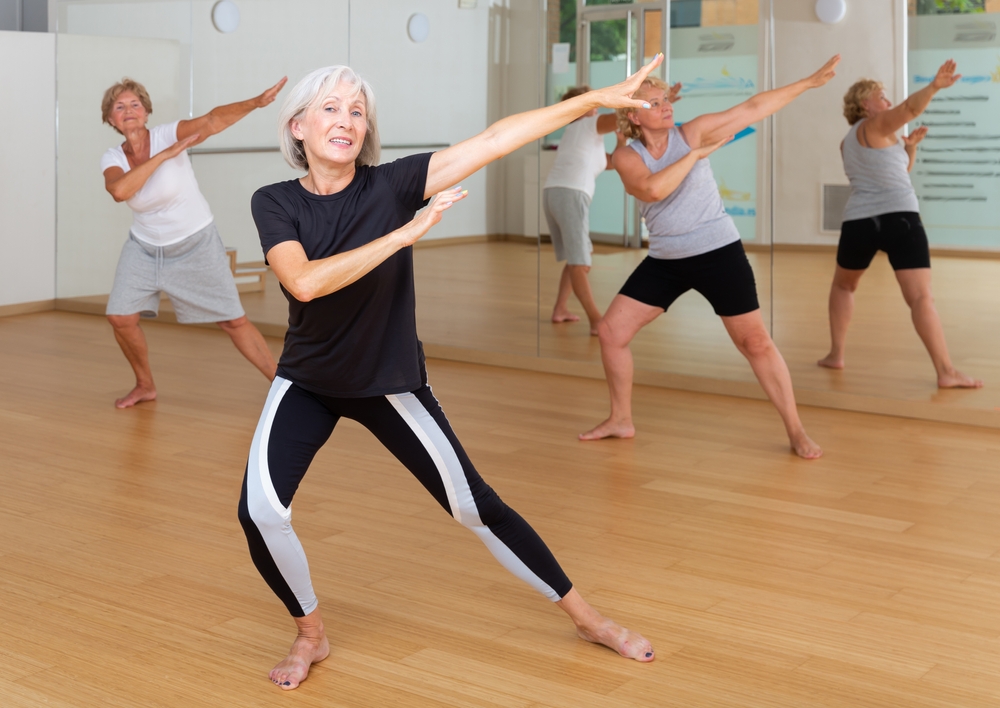
How the brain and body work together is an important marker of healthy aging.
If movements become noticeably slower when the brain is simultaneously solving a task, it may be an early sign of decline.
Walk and think at the same time

During a walk, try reciting the alphabet, talking with a friend, or counting backward.
Also read: Trump’s new health plan would triple former U.S. contributions to WHO
If you notice that your pace drops significantly while multitasking, it may provide insight into your cognitive and motor fitness.
Sources: Real Simple.
This article is made and published by Ida-Marie Palm Varbæk, who may have used AI in the preparation.