
Milk and dairy products are a regular part of many people’s diets, but an increasing number of individuals choose to avoid them for a period or eliminate them entirely due to health reasons.
Here, we take a closer look at how the body may respond when taking a two-week break from dairy products, according to NDTV Food.
Less bloating and discomfort

People with lactose intolerance or sensitivity may experience less bloating, gas, and discomfort when they avoid dairy products.
The digestive system gets a break

When the body no longer has to break down lactose, which can be difficult to digest, the gut gets some relief.
Also read: Scientists see new connection between autism and ADHD
Lactose intolerance plays a role

The inability to break down lactose is a significant cause of digestive issues for some individuals.
Calcium intake may decrease

Dairy products are an important source of easily absorbed calcium, and without them, intake can quickly drop.
Calcium is important for the body
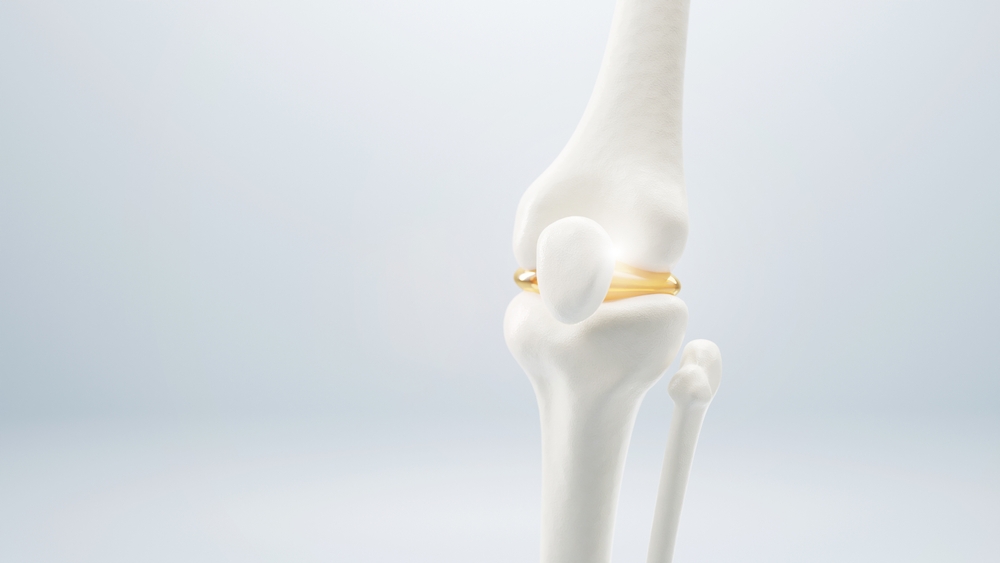
Calcium plays a central role in bone strength, muscle function, and the nervous system.
Need for alternative calcium sources
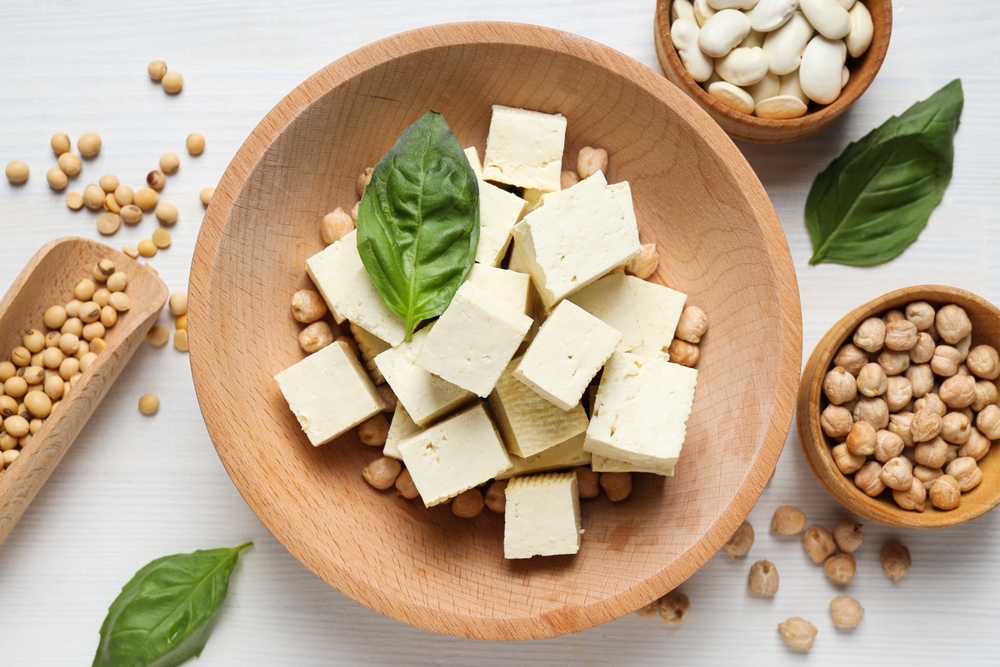
When avoiding dairy products, it is recommended to include foods such as sesame seeds, almonds, tofu, and leafy green vegetables.
Also read: Speculation grew during Trump’s five-day absence from public view
Changes in gut bacteria

Fermented dairy products, such as yogurt, support beneficial gut bacteria, and their absence may affect the balance.
Reduced intake of probiotics
Without yogurt and similar products, the amount of beneficial bacteria may decrease if not replaced by other sources.
Possibility of maintaining balance

Fermented plant-based foods or plant-based probiotics can help maintain a healthy gut microbiome.
Focus on vitamin D
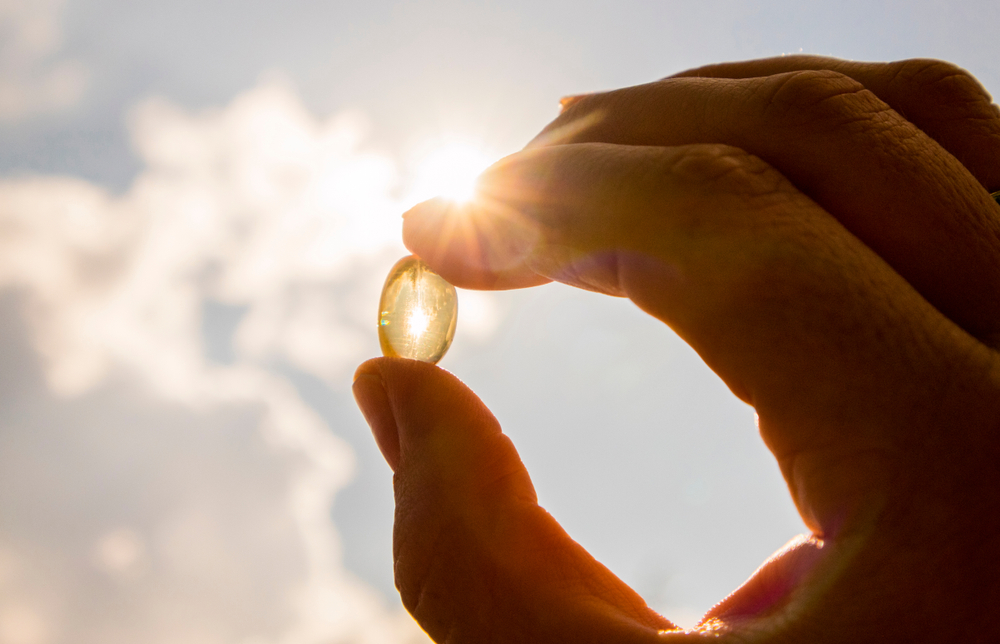
Many dairy products are fortified with vitamin D, which helps the body absorb calcium.
Also read: Sleep expert explains waking up at 3am
No immediate deficiency in the short term
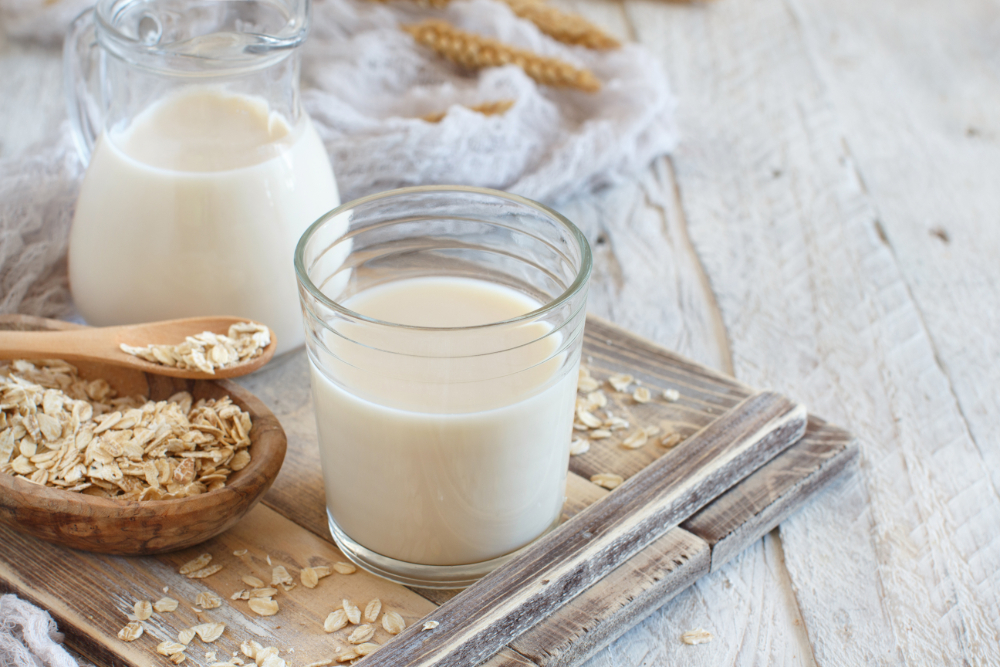
Two weeks without dairy products will not normally lead to vitamin D deficiency, but longer periods may have an impact.
Alternative vitamin D sources are important

Sunlight, fortified plant-based drinks, and dietary supplements become more important without dairy products.
Possible changes in the skin
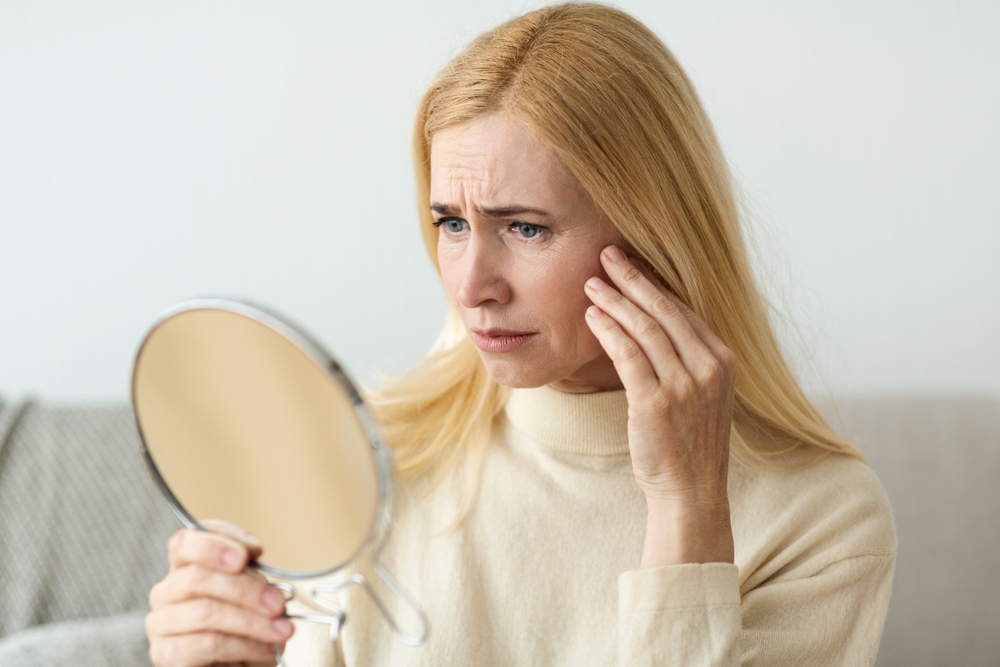
Some individuals may experience fewer breakouts or reduced skin inflammation without dairy products.
Results vary from person to person
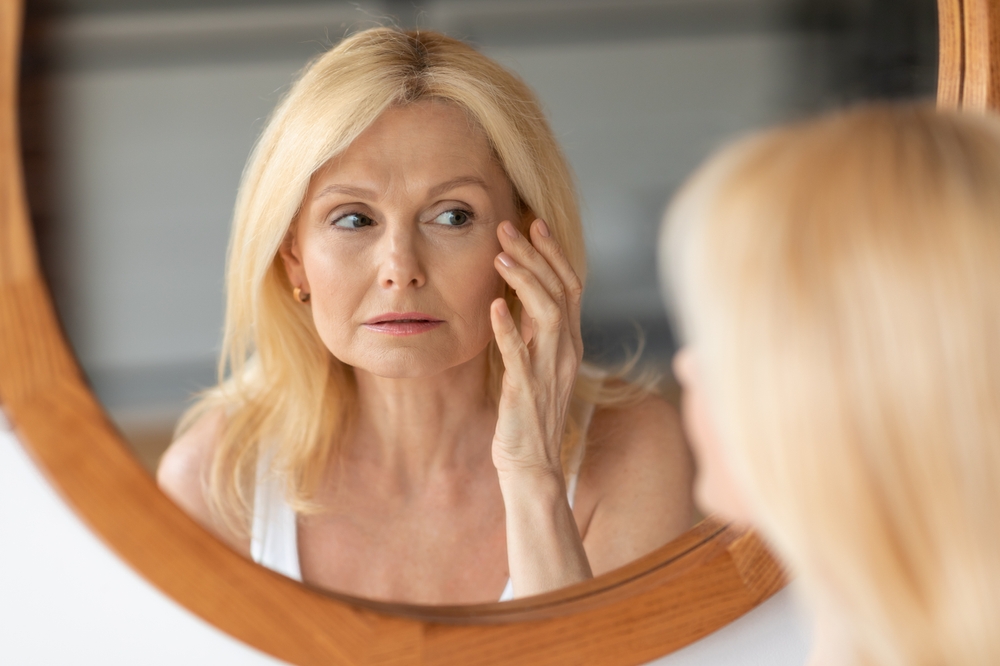
The skin’s response depends on several factors, such as hormones, diet, and hydration - not just dairy consumption.
Also read: How long you should be able to hold a plank based on your age
Individual differences in experience

Some people notice improvements, while others do not experience any changes in the body after two weeks without dairy products.
Sources: NDTV Food.
Also read: New study: Patients may be able to stop heart medication after one year
This article is made and published by Ida-Marie Palm Varbæk, who may have used AI in the preparation.