
Repeating the same meal every day can simplify your routine and help you stick to your health goals.
At the same time, this habit can have both positive and negative consequences depending on how the meal is composed, according to Health.com.
Easier to reach weight goals

Repeating the same meals can make it easier to track calories and portions, which can support both weight loss, according to a study published in Health Psychology, and weight gain, depending on the composition of the food.
Fewer decisions

When you do not have to constantly decide what to eat, it can reduce stress and make it easier to maintain a consistent and healthy routine, according to a study published in Nutrients.
Also read: Spending time in nature could reduce feelings of loneliness
Risk of nutrient deficiencies

A monotonous diet may mean that the body does not receive all the necessary vitamins and minerals, especially if the meal does not cover multiple food groups.
Better nutrition

Switching between different foods during the week makes it more likely that you meet the body’s need for micronutrients.
Balanced meals can work
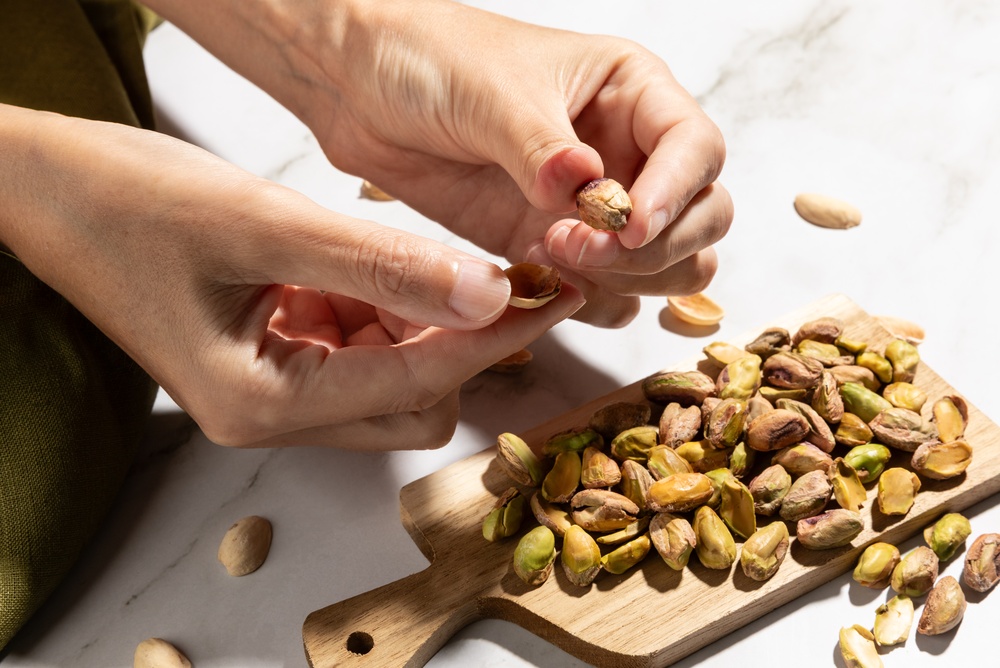
A meal with vegetables, whole grains, legumes, nuts, and lean protein can provide a wide range of nutrients and is more suitable for repetition.
A monotonous diet can be insufficient

If the diet consists of simple dishes with few nutrients, such as refined carbohydrates, it can lead to deficiencies over time.
Also read: Trump pushes for faster psychedelic treatments
Less variation in gut flora
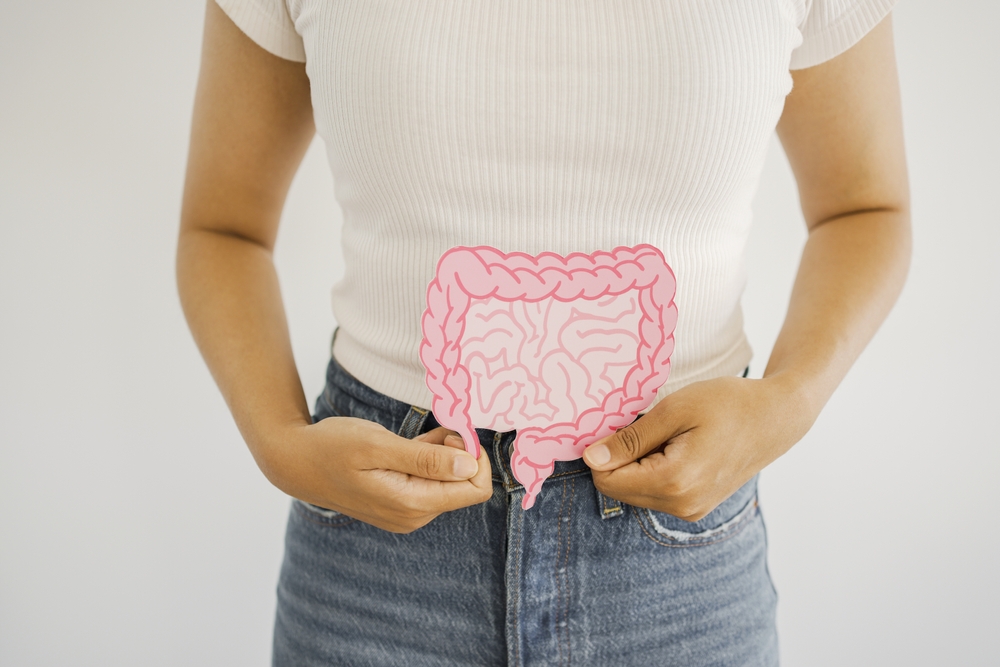
Eating the same food daily can limit the diversity of gut bacteria, which may affect both digestion and the immune system, according to a study published in Foods.
Diets rich in plant fiber strengthen the body

Different plant-based foods contribute fiber and antioxidants that support a healthy gut and overall health, according to a study published in Nature Microbiology.
Stable or unstable blood sugar
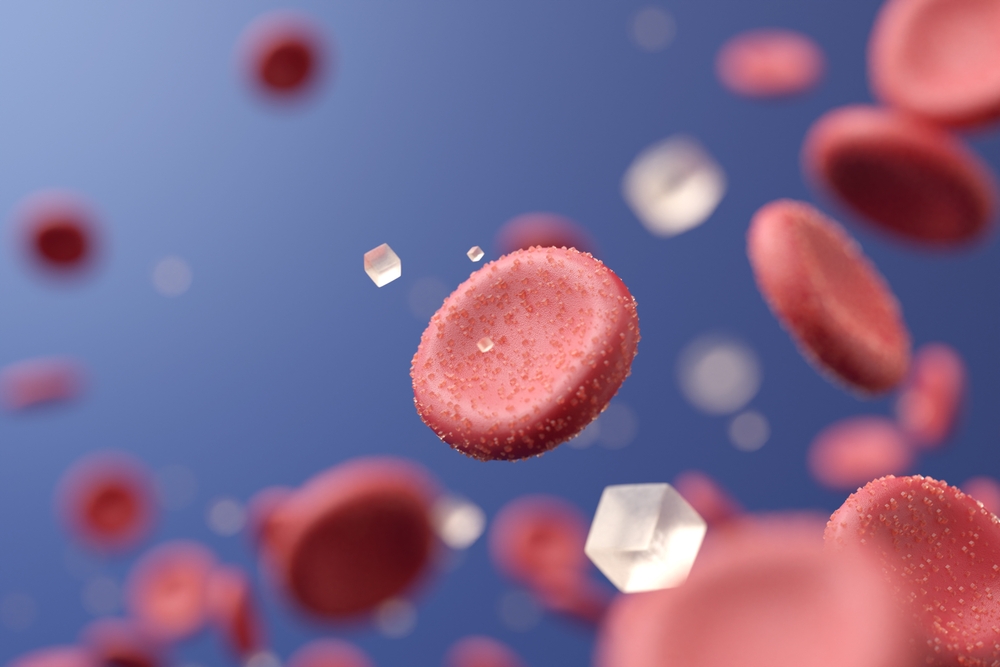
A repeated meal with protein, fiber, and healthy fats can lead to more stable blood sugar levels, while one-sided, carbohydrate-rich meals can cause fluctuations.
Risk of boredom with meals

Although the routine can be practical, it can also make meals less exciting and reduce the enjoyment of eating.
Also read: A sore throat that keeps returning may have another cause
More or fewer cravings
Boredom in the diet can lead to increased cravings for other foods, which may affect your eating habits.
Lower intake of protective plant compounds

Different foods contain unique antioxidants and plant compounds that protect the body against disease, and these may be missed with a monotonous diet.
A colorful diet provides health benefits
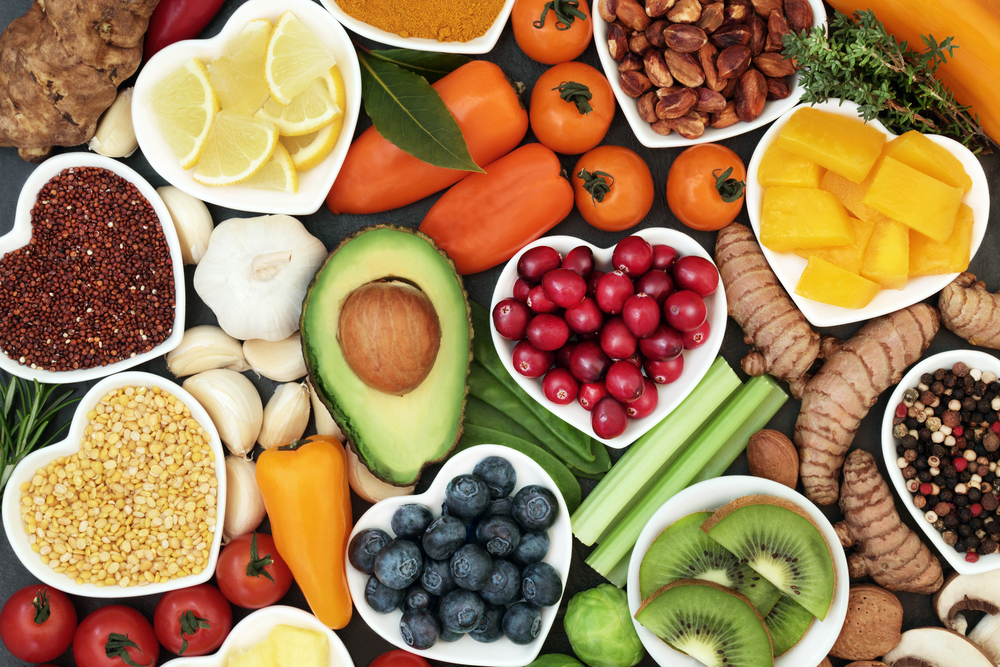
Variety in fruits and vegetables contributes different nutrients that are associated with a lower risk of disease, according to a study published in Molecules.
Sources: Health.com, Health Psychology, Nutrients, Foods, Nature Microbiology, and Molecules.
Also read: Shock on release day: Zayn Malik hospitalized
Also read: Certain mouthwashes could influence blood pressure levels
This article is made and published by Ida-Marie Palm Varbæk, who may have used AI in the preparation.