
Too much refined sugar can harm your health and increase the risk of diseases such as diabetes and heart disease, writes Verywell Health.
Therefore, many people choose natural alternatives that may be less taxing on blood sugar levels.
The need to limit sugar
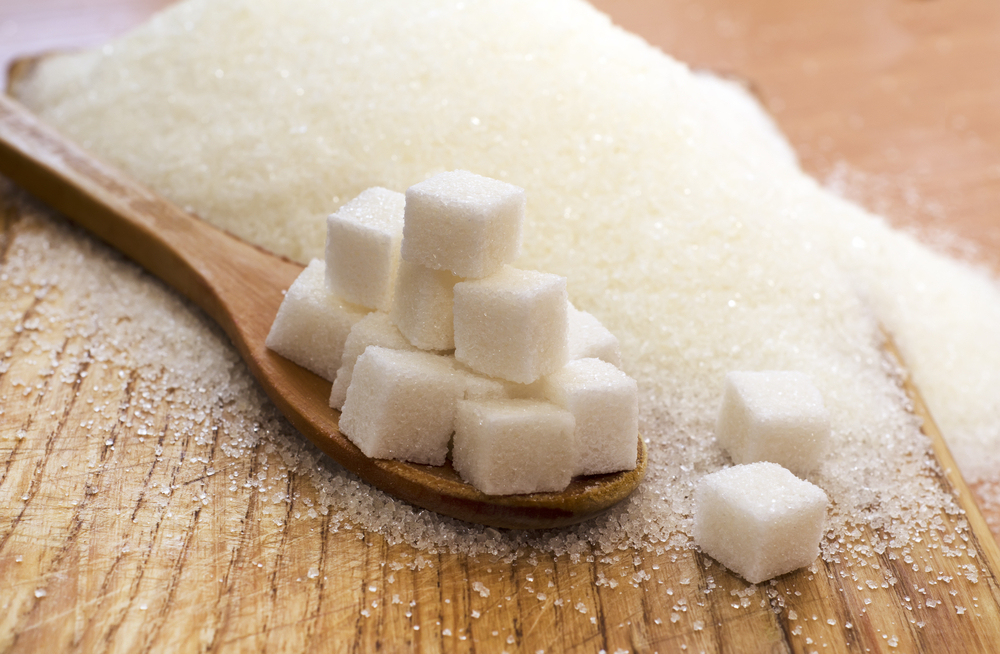
Even natural alternatives contribute to overall sugar intake. It is therefore still important to monitor consumption to avoid health problems.
Why refined sugar is problematic?
Refined sugar is found in many foods such as ketchup, yogurt, and beverages.
Also read: New discovery: Licorice may help treat inflammatory bowel disease
A high intake can lead to conditions such as diabetes, heart disease, obesity, and tooth decay.
Recommendations for sugar intake
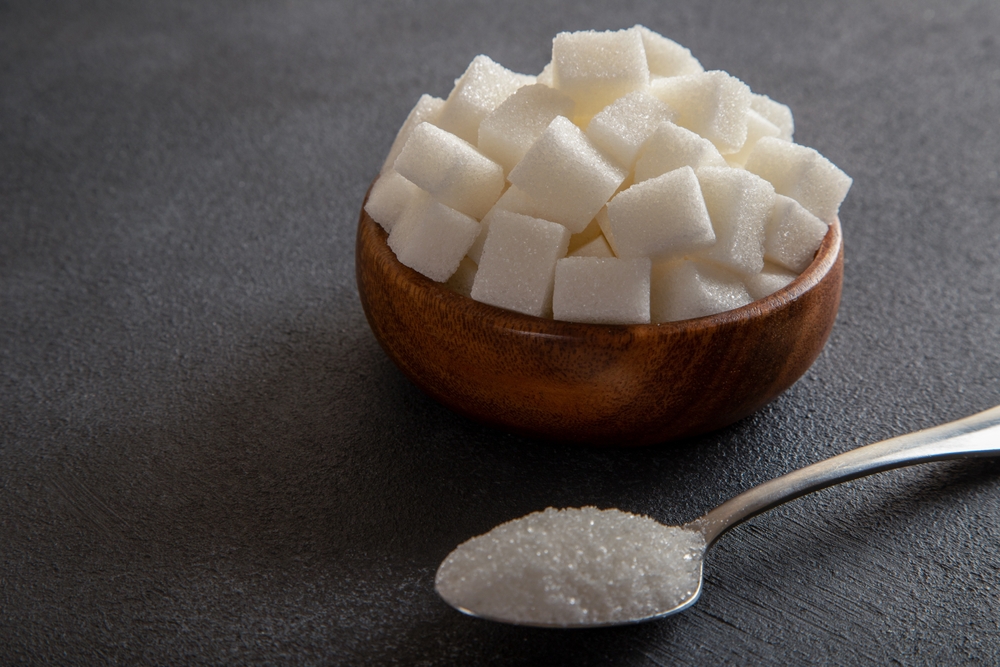
The American Heart Association recommends that men consume no more than 36 grams of added sugar per day and women no more than 25 grams.
These figures apply only to added sugar and not naturally occurring sugars.
Artificial sweeteners as an alternative
Artificial sweeteners can be much sweeter than sugar and may help with weight and blood sugar control.
Also read: How much bacon is safe to eat? Experts weigh in
They are approved as safe, but some studies point to possible risks with long-term use.
Monk fruit
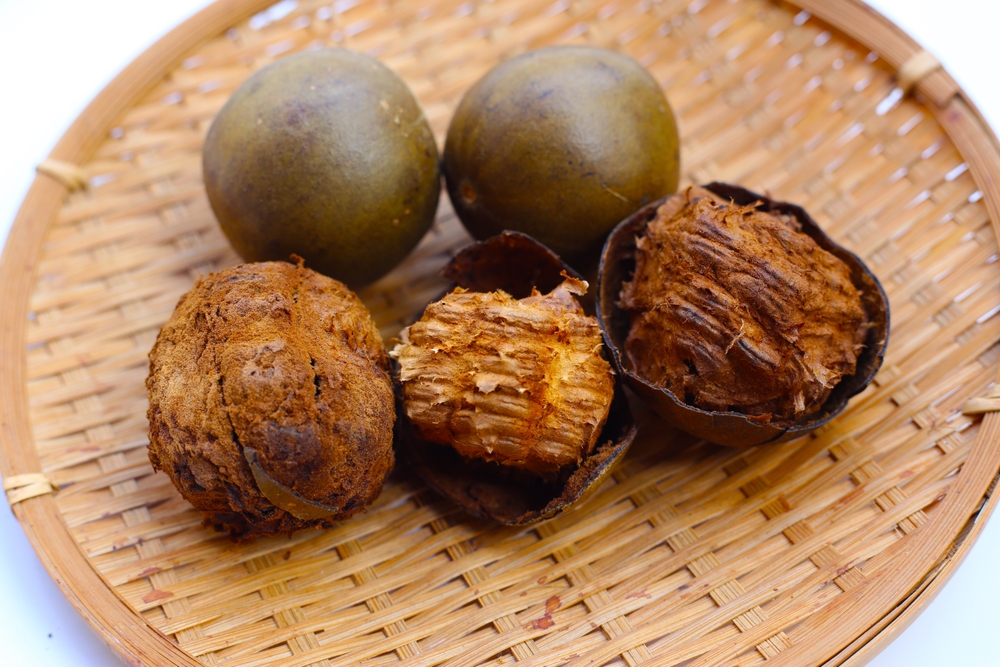
Monk fruit is a sweetener derived from a fruit originally from China and contains neither calories nor sugar.
It is much sweeter than sugar and does not affect blood sugar in the same way, according to a study published in Frontiers in Nutrition.
Fruit purée
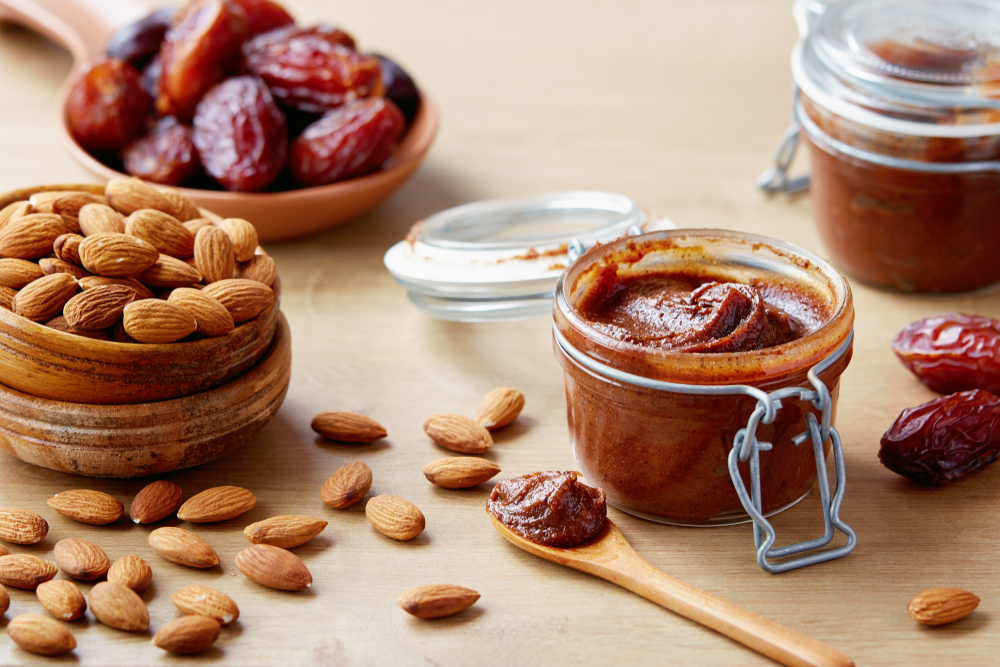
Fruit purée made from, for example, bananas or dates can replace sugar in baking.
Also read: Simple ways to boost your well-being on a budget
It also provides vitamins and minerals, and typically only half as much purée as sugar is needed.
Maple syrup
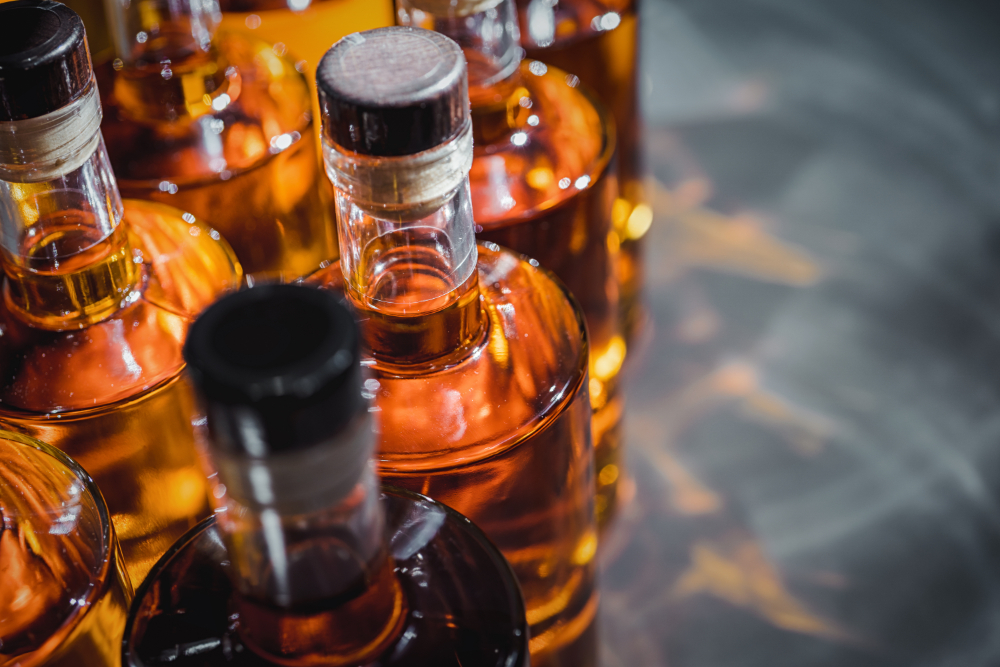
Maple syrup comes from the sap of maple trees and contains nutrients such as calcium and potassium.
It does not affect blood sugar as quickly as refined sugar, according to a study published in The Journal of Nutrition.
Agave
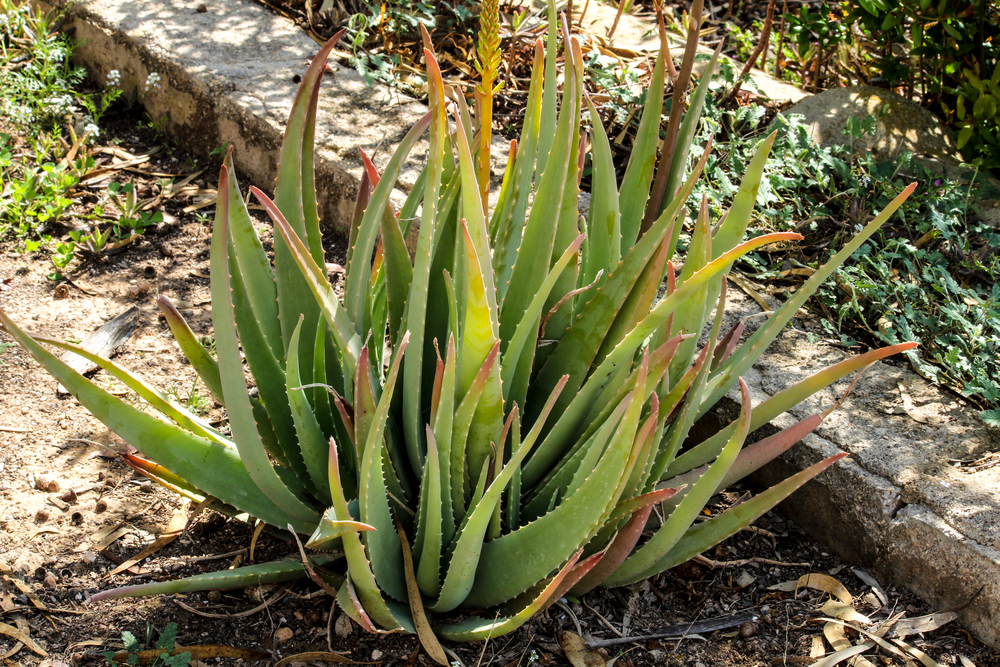
Agave is a liquid sweetener from the agave plant that does not affect blood sugar as much as refined sugar, according to a study published in the International Journal of Environmental Research and Public Health.
Also read: Food texture can influence how much you eat
It is sweeter than regular sugar, so less is often used, but it contains a high amount of fructose, which can be a drawback with high intake, according to a study published in Nutrients.
Stevia

Stevia comes from a South American plant and contains no calories. It is extremely sweet and can be used in small amounts without affecting blood sugar.
Fruit juice
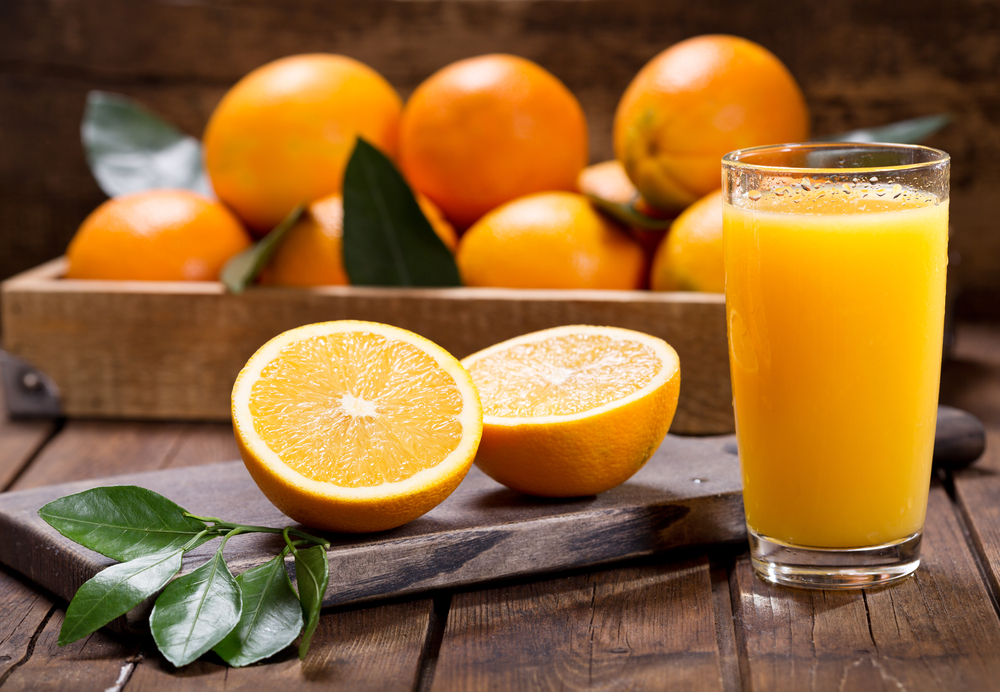
Fruit juice contains more concentrated sugar than whole fruits but can be used in small amounts as a substitute.
Calorie and sugar content vary depending on the type, and it is recommended to choose 100 percent juice without additives.
Also read: Two servings of nuts a week may support cancer recovery, study finds
Molasses
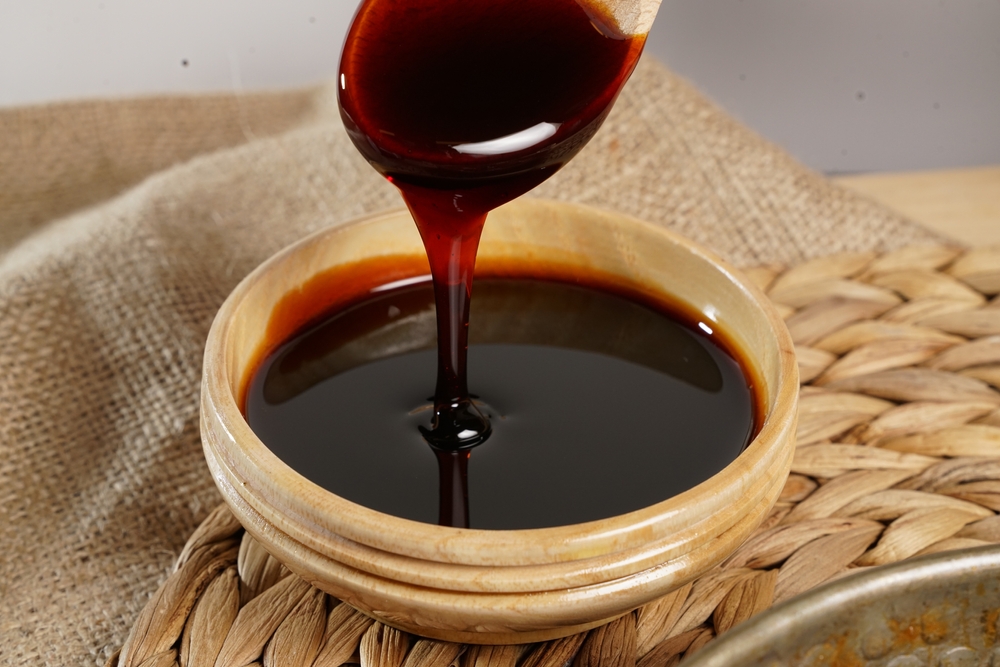
Molasses is a byproduct of sugar production and has a syrup-like consistency.
It contains nutrients such as iron and calcium, and the most nutrient-rich type is blackstrap, although it has a bitter taste.
Honey
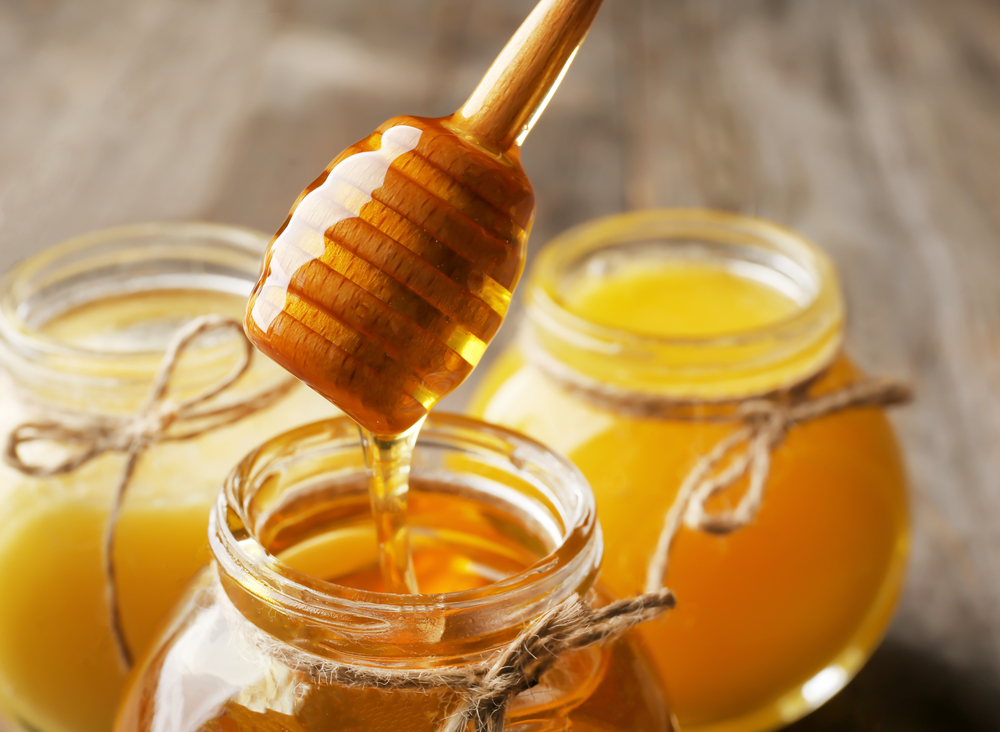
Honey contains vitamins such as B and C as well as minerals like magnesium.
It is still high in sugar, so intake should be limited, even though it can be used as an alternative in recipes.
More ways to reduce sugar

You can reduce sugar intake by eating fiber-rich foods, cutting down gradually, choosing smaller portions, preparing recipes with less sugar, and reading food labels to keep track of consumption.
Sources: Verywell Health, American Heart Association, Frontiers in Nutrition, The Journal of Nutrition, International Journal of Environmental Research and Public Health, and Nutrients.
This article is made and published by Ida-Marie Palm Varbæk, who may have used AI in the preparation.