
A doctor tested the effects of eating bacon daily for a week on his own body for the media outlet The Healthy.
The experiment provided both physical and mental insights and raised questions about health and habits.
Bacon is a processed food with health risks
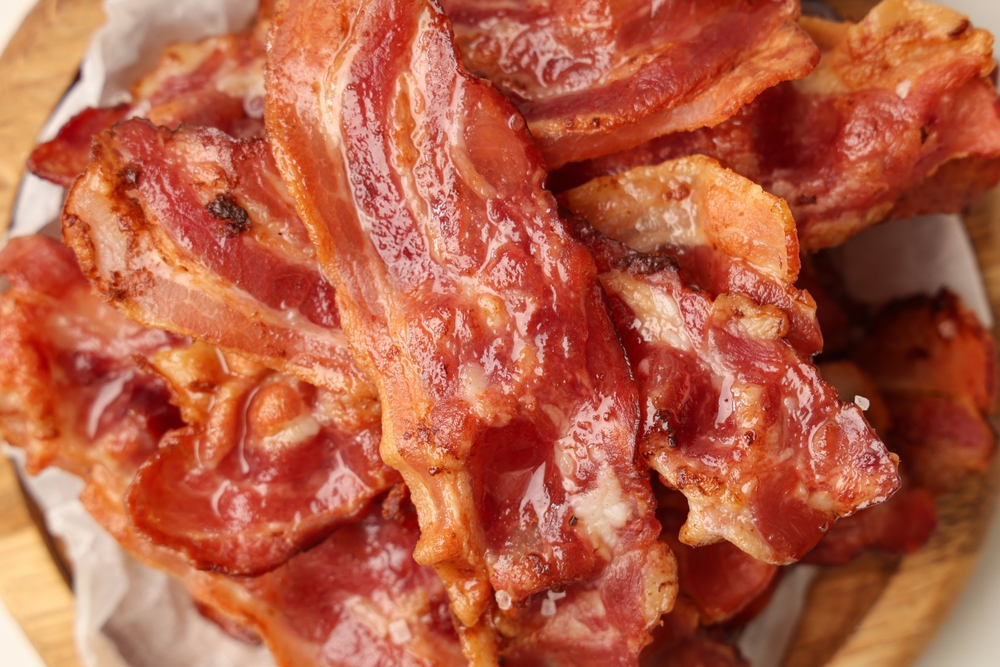
Bacon is smoked and salted pork from the pig’s belly and is classified as processed meat.
The World Health Organization considers this type of meat carcinogenic when consumed frequently and in large amounts.
Also read: He stayed awake for days — the effects lasted years
Turkey bacon
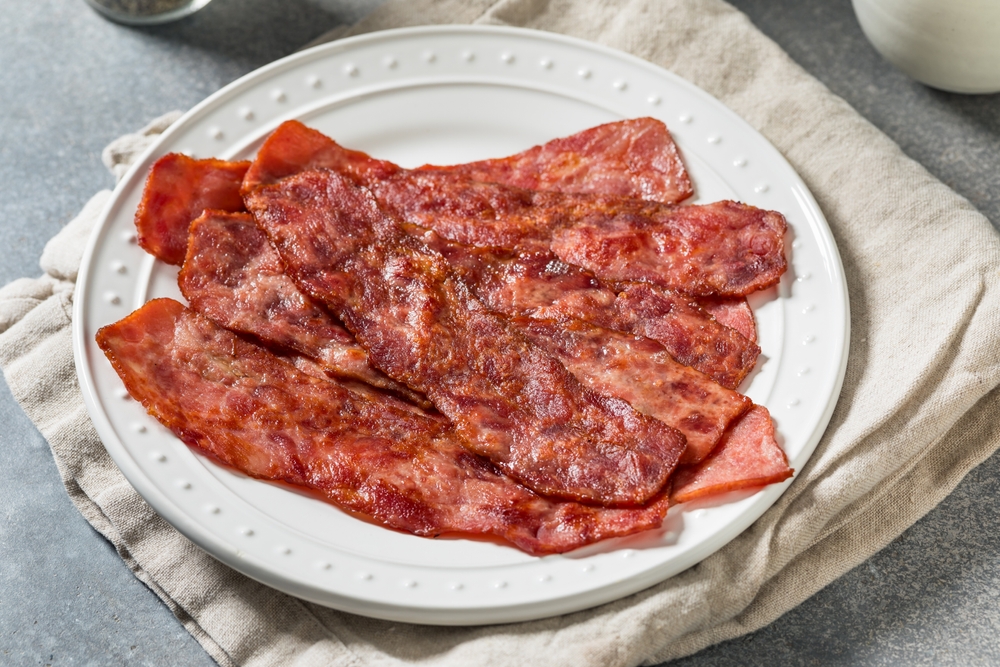
In the experiment, organic turkey bacon was primarily chosen as an alternative.
This was done to select a slightly leaner option, even though it is still processed meat with, among other things, a high salt content.
The nutritional content of turkey bacon
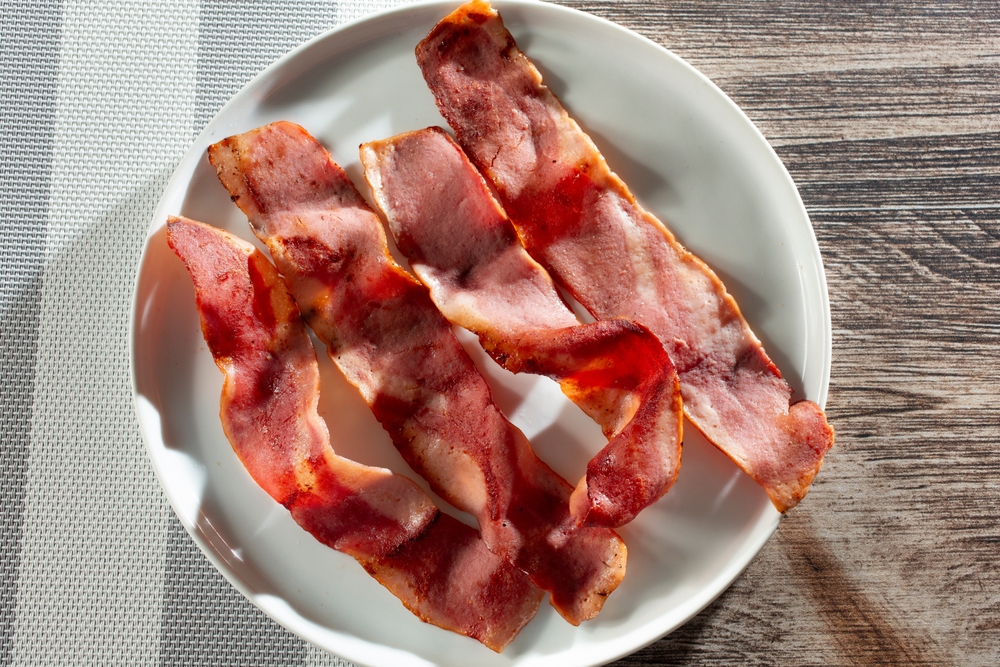
A single slice of turkey bacon contains fat, cholesterol, sodium, sugar, and protein. This shows that even small amounts contribute several nutrients.
Both pork and turkey bacon contain protein
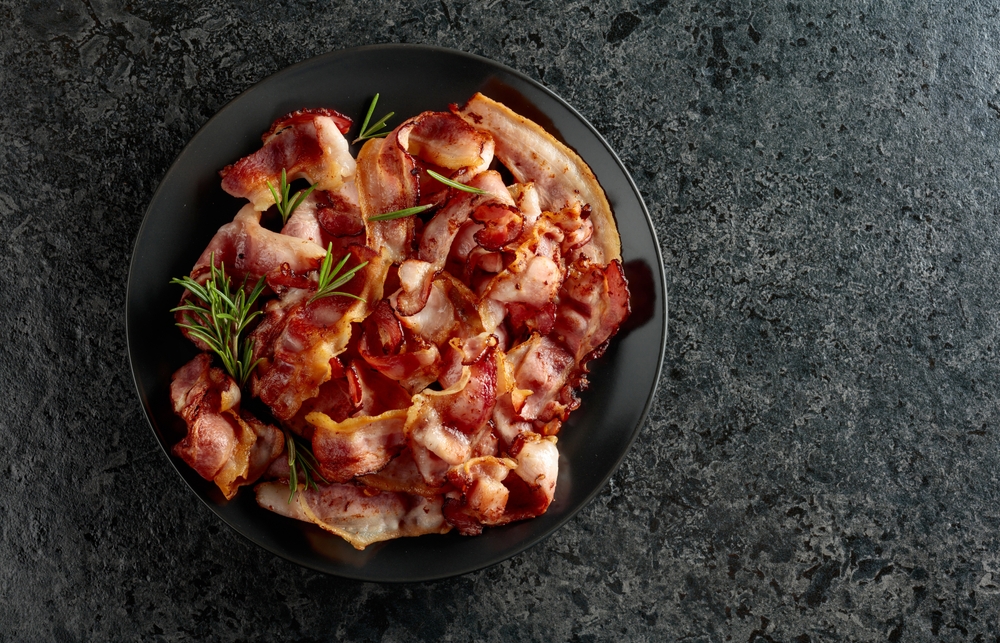
Both types of bacon provide a significant amount of protein. Pork bacon contains slightly more than turkey bacon, but the difference is not large.
Also read: New research: Fructose may increase the risk of lifestyle diseases
Turkey bacon has fewer calories and less fat

Turkey bacon contains fewer calories and less fat than traditional pork bacon. However, both types contain saturated fat, which is associated with heart disease.
High salt content can be problematic
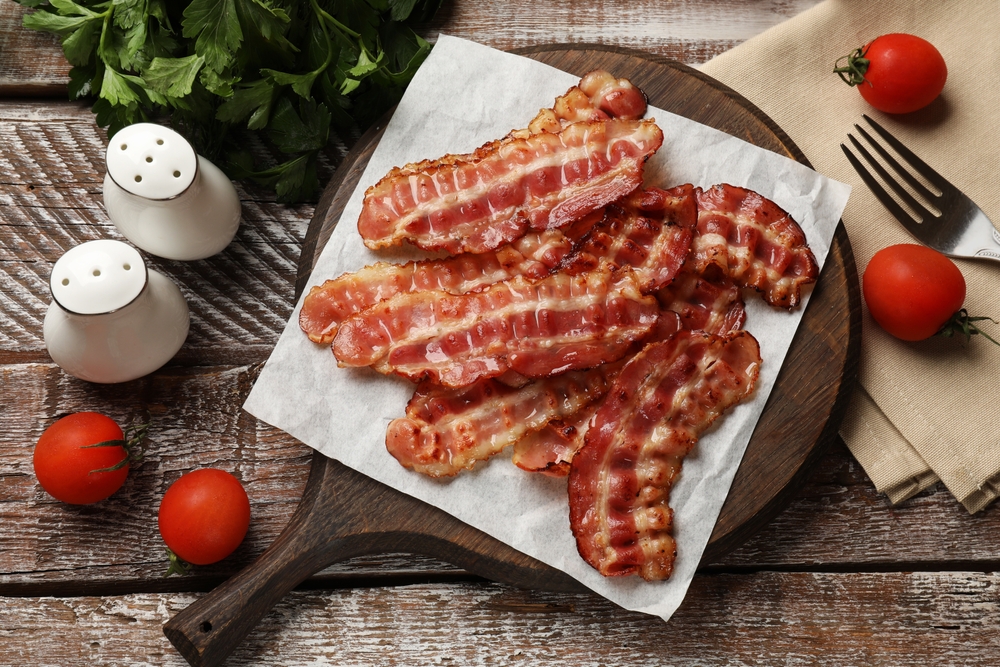
Both types of bacon contain large amounts of salt.
Even small portions can exceed the recommended daily limit and increase the risk of, among other things, heart disease and kidney stones.
Pork bacon contains more vitamins and minerals
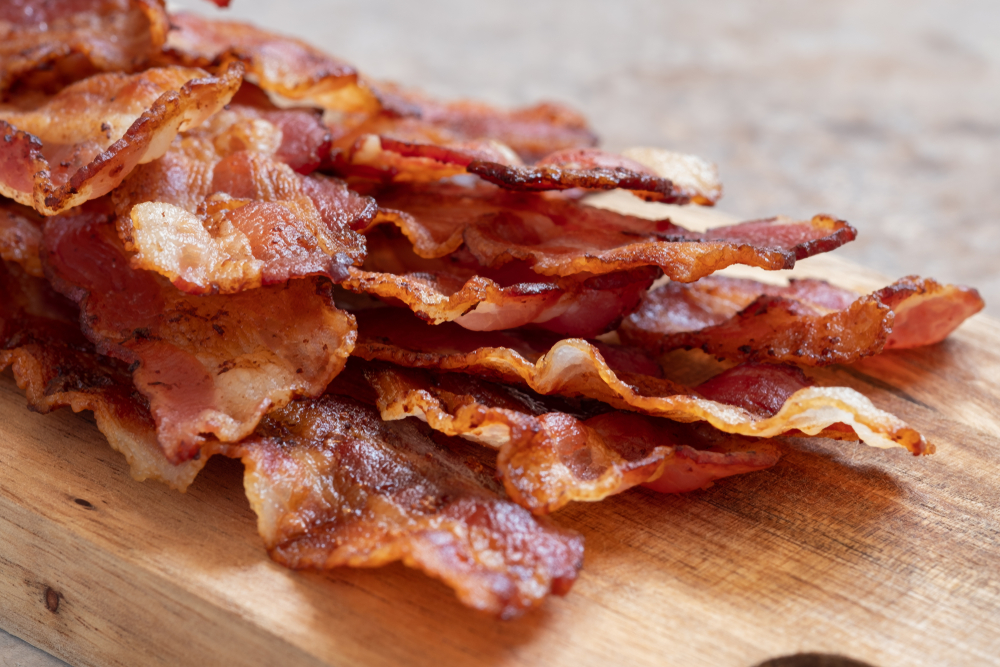
Pork bacon has a higher content of certain vitamins and minerals, such as selenium. Both types also contain zinc, which plays a role in the body’s functions.
Also read: New study links pesticide exposure to higher cancer rates
Bacon was used in multiple meals
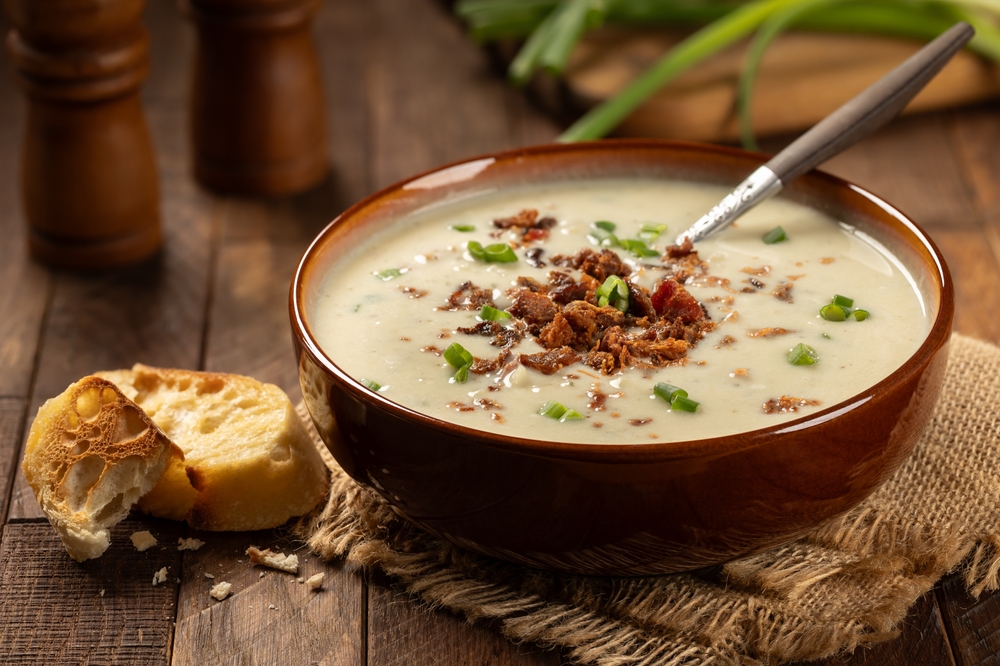
During the week, bacon was eaten for breakfast, in salads, sandwiches, and hot dishes. Variation was required to keep the experiment going.
The feeling of fullness increased

One clear result was an increased feeling of fullness. The combination of protein and fat reduced the need for snacks.
Increased thirst during the experiment

Another noticeable result was increased thirst. The high salt content led to greater water intake after meals.
Tired of the taste

Towards the end of the week, a sense of fatigue with the taste emerged. What initially felt enjoyable quickly became less appetizing.
Also read: These natural sugar alternatives are better for your blood sugar
Connection between processed meat and fatigue

A study published in Nutrients showed a connection between the intake of processed meat and changes in energy levels.
The results pointed to increased fatigue and lower energy, but without establishing a direct cause.
Experts warn against frequent consumption
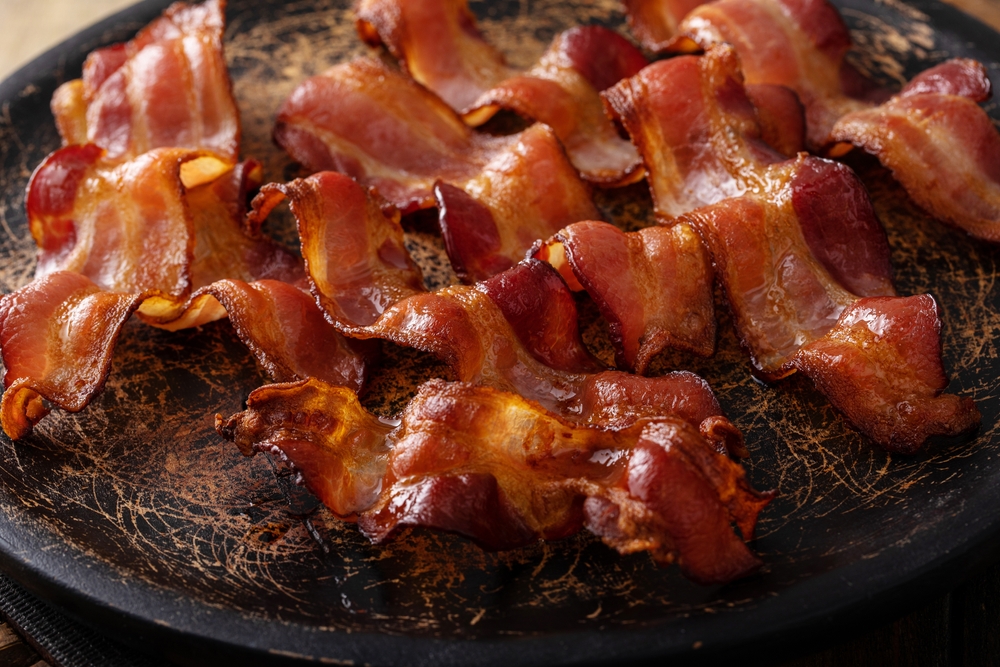
Experts emphasize that bacon often contains high levels of fat, salt, and cholesterol. Frequent consumption may increase the risk of heart problems.
Turkey bacon is not necessarily a healthy choice
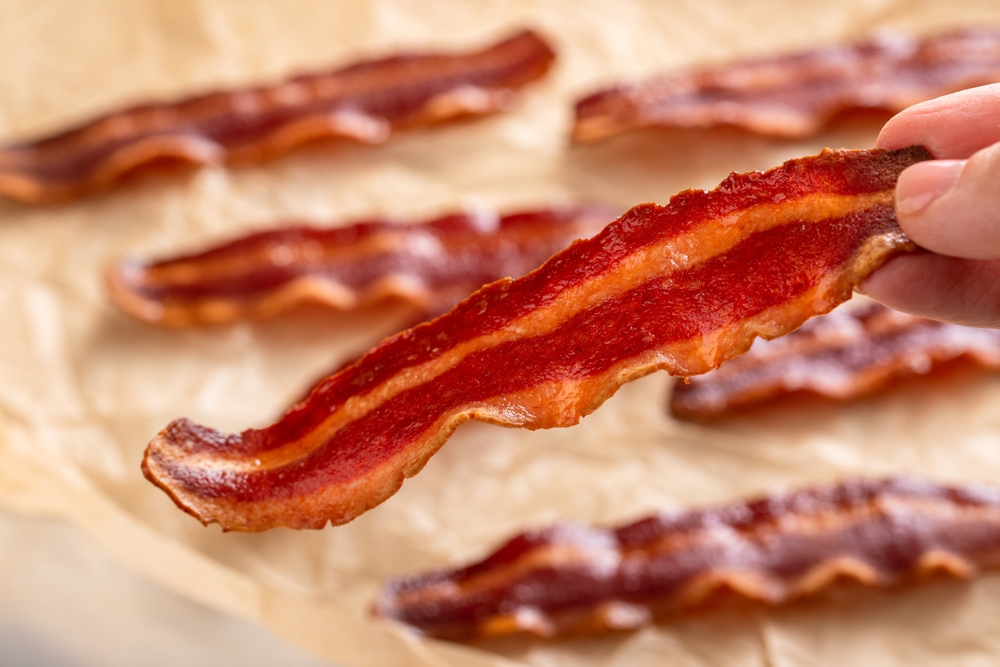
Although turkey bacon contains less cholesterol than pork bacon, it still contains significant amounts of salt and cholesterol.
Also read: New discovery: Licorice may help treat inflammatory bowel disease
Recommendation to limit intake

Experts recommend limiting bacon to less than one serving per week, regardless of type. This applies to both pork and turkey bacon.
Conclusion of the experiment

The week with bacon showed that it is a flavorful food, but with clear health risks. It should be enjoyed occasionally rather than as a regular part of the diet.
Sources: The Healthy and Nutrients.
This article is made and published by Ida-Marie Palm Varbæk, who may have used AI in the preparation.