
Pineapple is sweet, juicy, and packed with nutrients that can benefit the body in several ways.
However, experts also told Parade that it is important not to overdo your intake, as the fruit may cause side effects for some people.
Pineapple is rich in vitamins

Pineapple contains vitamin C as well as smaller amounts of vitamin B6, magnesium, iron, manganese, thiamine, and calcium.
The fruit is therefore considered a nutrient-rich choice for everyday eating.
Also read: New study: Rapid weight loss may be more effective than slow diets
Bromelain helps digestion

The fruit contains the enzyme bromelain, which helps the body break down proteins.
At the same time, the enzyme has also been linked to reduced inflammation in the body.
Antioxidants protect the body

According to experts, pineapple is full of antioxidants that help the body fight free radicals.
This may help reduce the risk of chronic diseases.
Also read: These small changes can reduce your caffeine intake
Pineapple may help with hydration

The fruit has a high water content, making it a good source of hydration for the body.
May support collagen production

Pineapple may help support the body’s collagen production. This can play a role in skin elasticity and appearance.
Bromelain may help sore muscles

Experts point out that bromelain may help relieve sore muscles after exercise while also supporting the body’s healing processes.
Manganese strengthens the bones

Pineapple contains manganese, which is important for keeping bones strong and healthy.
Also read: Doctors reconsider heart drug taken by millions
Fiber benefits digestion
The fruit contains dietary fiber, which supports digestion and may help keep blood sugar levels stable.
Too much pineapple can damage teeth

Pineapple is acidic, and consuming large amounts may lead to wear on tooth enamel.
This can increase the risk of sensitive teeth and cavities.
The acid may irritate the mouth and stomach

If you eat more pineapple than your body can tolerate, it may cause irritation in the mouth, tongue, esophagus, and stomach.
Also read: Why sleep specialists are warning against fans running all night
Blood-thinning medication requires caution

Bromelain may affect the body’s ability to clot blood. Therefore, people taking blood-thinning medication are advised to eat pineapple in moderation.
Pineapple naturally contains sugar

Although the sugar is natural, large amounts of pineapple may increase calorie intake and affect blood sugar levels, especially in people with diabetes.
Variety in the diet is important

Dietitians emphasize that pineapple can certainly be part of a daily diet, but it should be consumed as part of a varied diet that includes many different fruits and vegetables.
Smoothies are a popular way to eat pineapple

Experts recommend using pineapple in smoothies together with spinach, banana, and yogurt.
Also read: These foods may help relieve your diarrhea
Grilled pineapple enhances the sweetness

Grilling can make pineapple even sweeter. The fruit can also be used in salads or served alongside grilled meat.
Chia pudding with pineapple
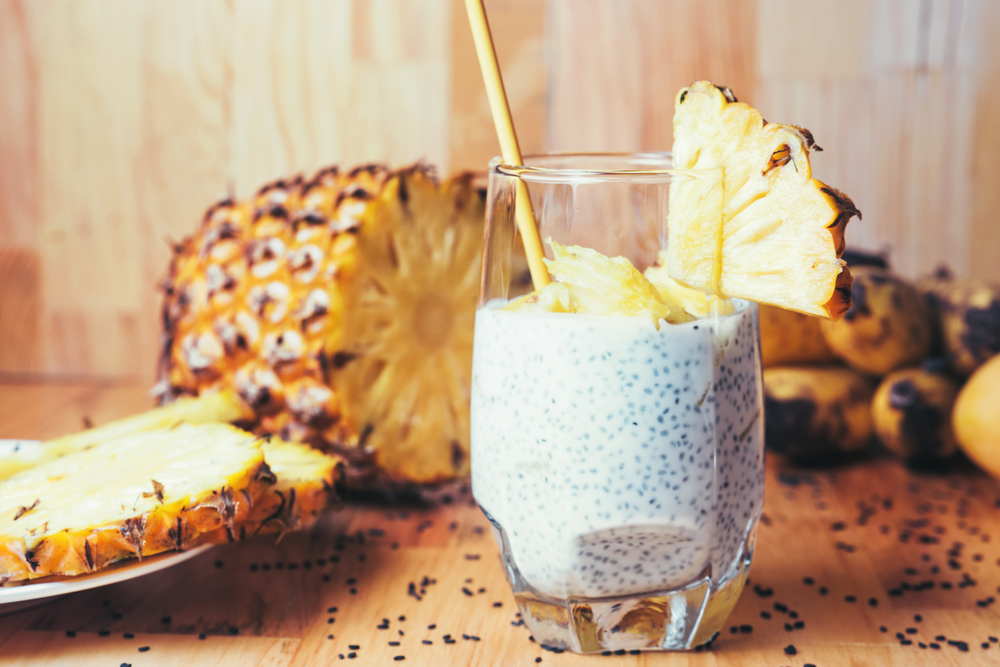
Another suggestion is to mix pineapple with chia seeds and coconut milk and leave it in the refrigerator overnight until it develops a pudding-like consistency.
Sources: Parade.
This article is made and published by Ida-Marie Palm Varbæk, who may have used AI in the preparation.