
Melanoma is the most serious form of skin cancer and can also develop in areas of the body that are rarely exposed to sunlight.
The feet are one of the areas many people overlook, which can delay the detection of the disease, according to the American Academy of Dermatology.
Anyone can be affected

Melanoma on the foot can occur in people of all skin tones and ethnic backgrounds.
Feet are an important area
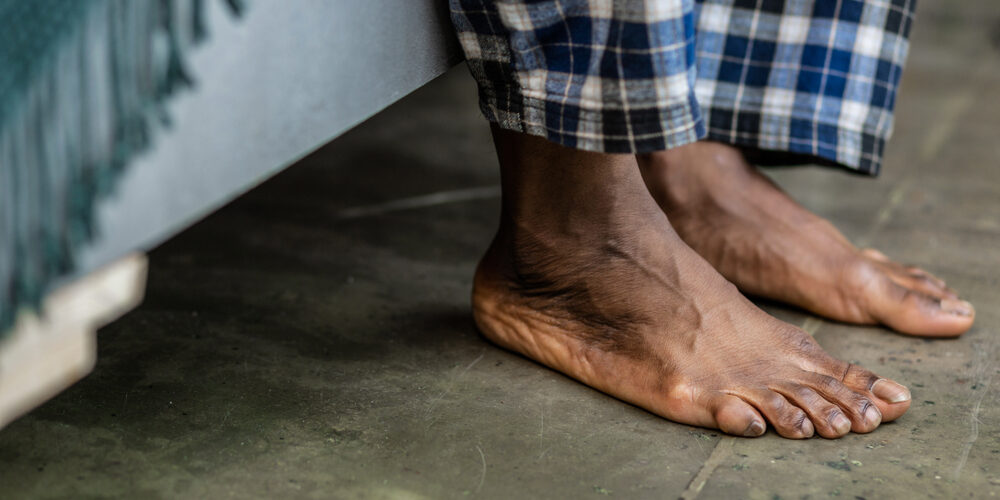
Among people of African or Asian descent, the feet and hands are among the most common locations where the disease can develop.
Also read: Your mouth could reveal whether your body is missing essential vitamins
Early checks can make a difference
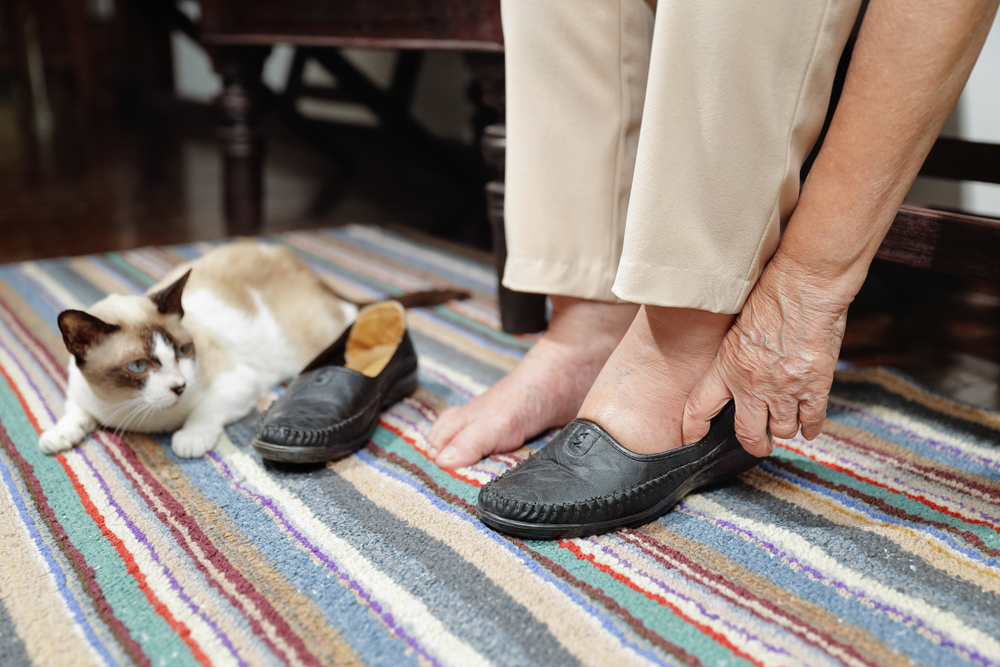
Regular foot examinations can help detect changes before the disease has a chance to progress further.
The entire foot should be examined

It is important to look for changes on the toes, soles, heels, nails, and between the toes.
Old injuries require attention
Areas where the foot has previously been injured should be checked especially carefully.
Previous injuries may matter
An injury to the foot may be associated with an increased risk of melanoma.
Also read: Researchers warn against eliminating sugar entirely from your diet
Dark lines under the nail
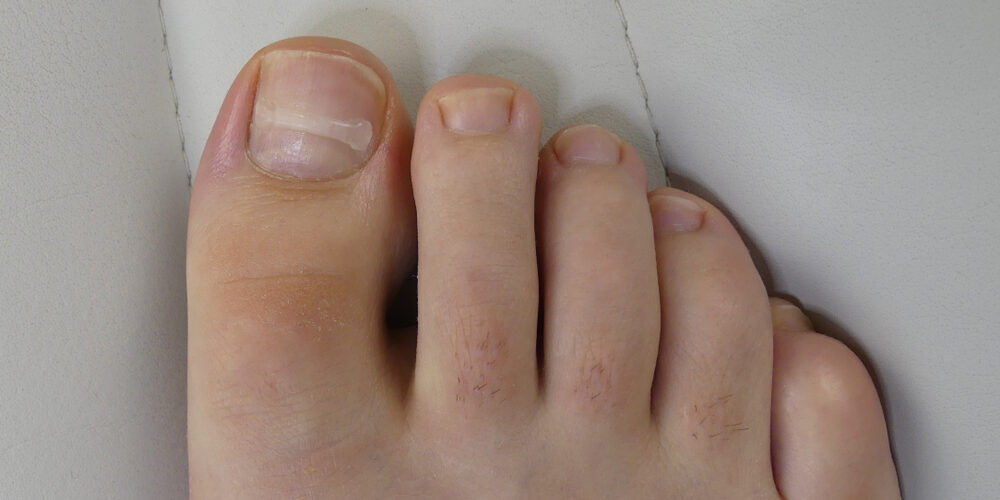
A brown or black vertical streak beneath a toenail may be a possible sign of the disease.
New marks on the foot

A new spot or growth on the foot should not be ignored.
Rapid growth can be a warning sign
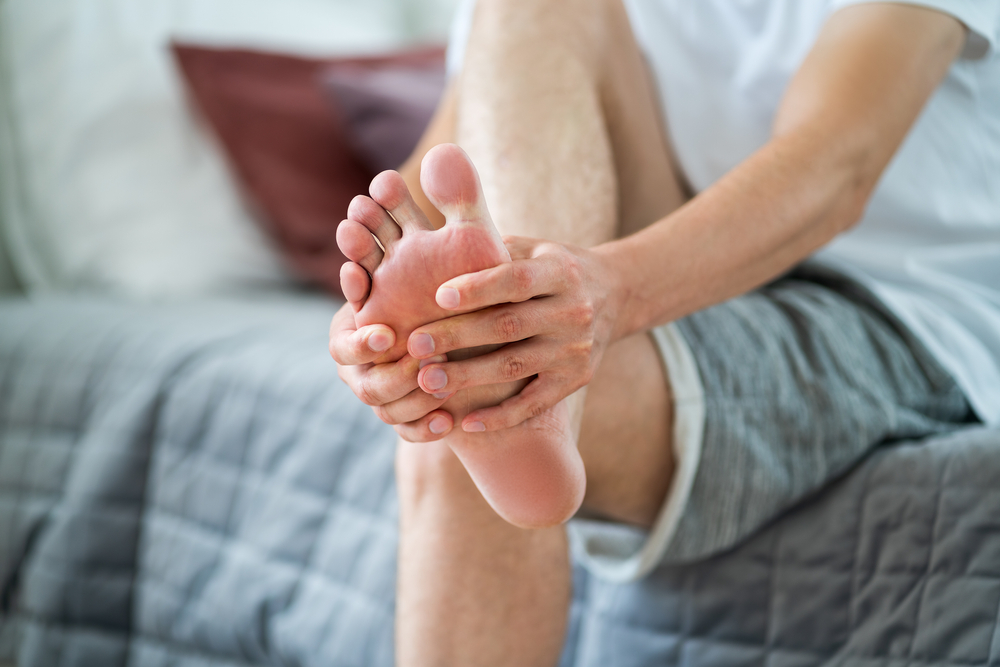
A lump or change that grows quickly may be an indication that something is wrong.
Sores that do not go away
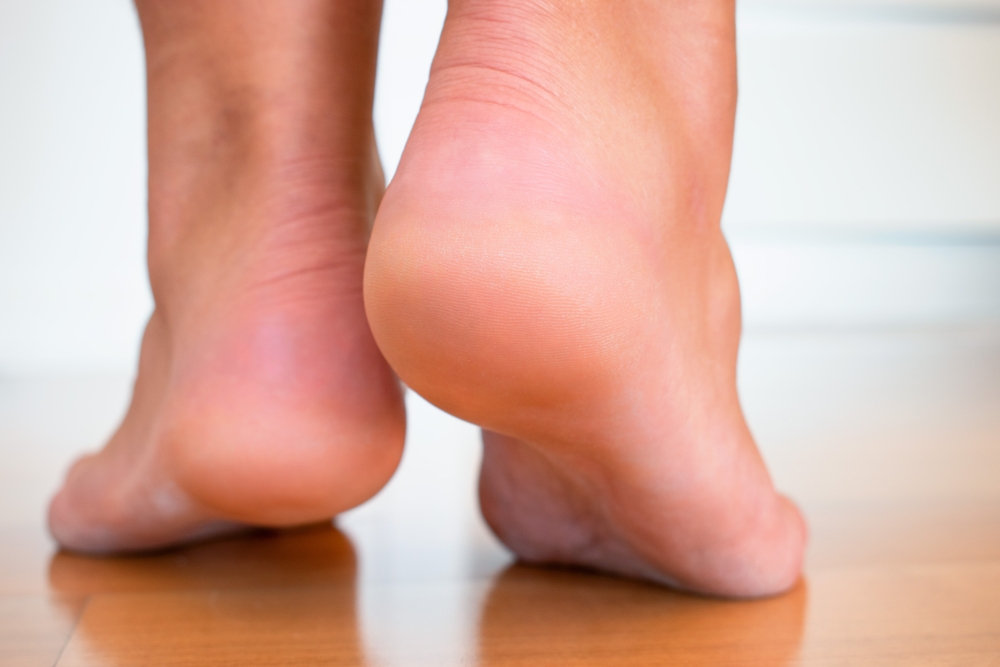
A sore that does not heal, or that returns after healing, should be examined by a healthcare professional.
Also read: Extreme temperatures trigger health warnings in several countries
It can resemble diabetic ulcers
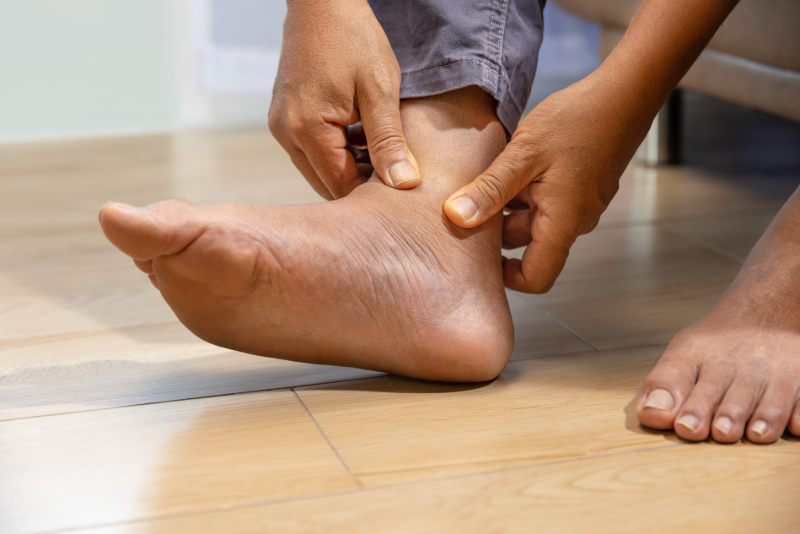
In some cases, melanoma on the foot can resemble an ulcer commonly seen in people with diabetes.
The colors can vary
The changes may appear black, brown, reddish, pink, or even the same color as the surrounding skin.
Itching, pain, or bleeding
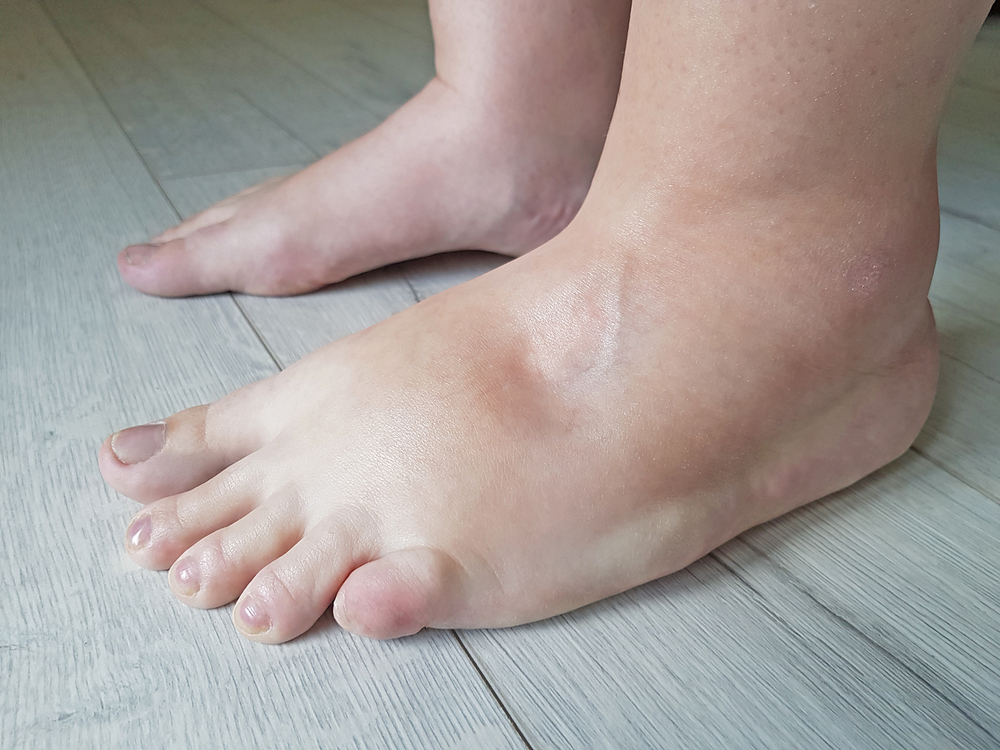
Some people experience itching, pain, or bleeding in the affected area, although symptoms are not always present.
Also read: Doctor infected with ebola discharged from hospital
Also read: Jeremy Clarkson’s cancer diagnosis puts spotlight on symptom many men ignore
This article is made and published by Ida-Marie Palm Varbæk, who may have used AI in the preparation.