
Dancing challenges both the body and the brain at the same time.
According to neuroscientists, a dance class sets a range of processes in motion that can strengthen everything from memory to emotional well-being, Real Simple reports.
Dancing activates the entire brain
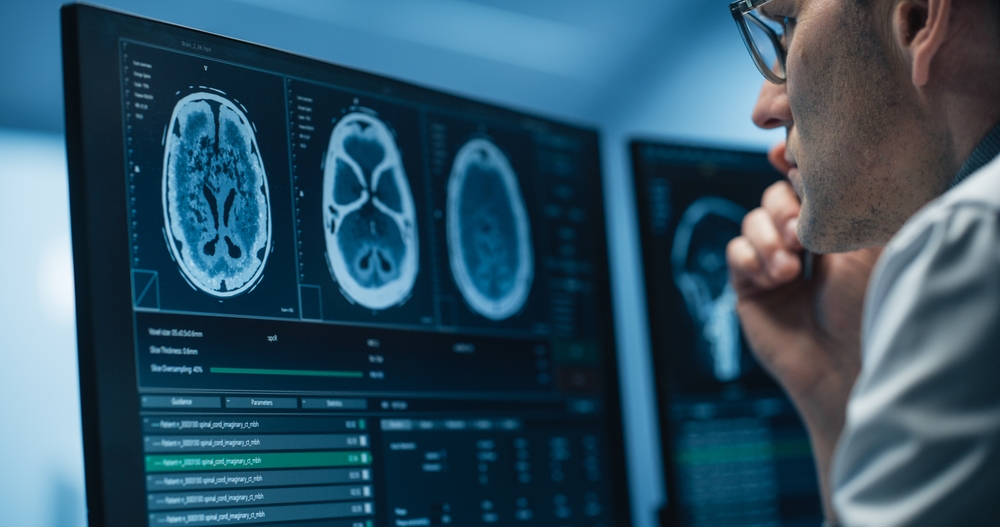
Experts describe dancing as an activity in which many different areas of the brain work together simultaneously.
The brain gets to work upon arrival
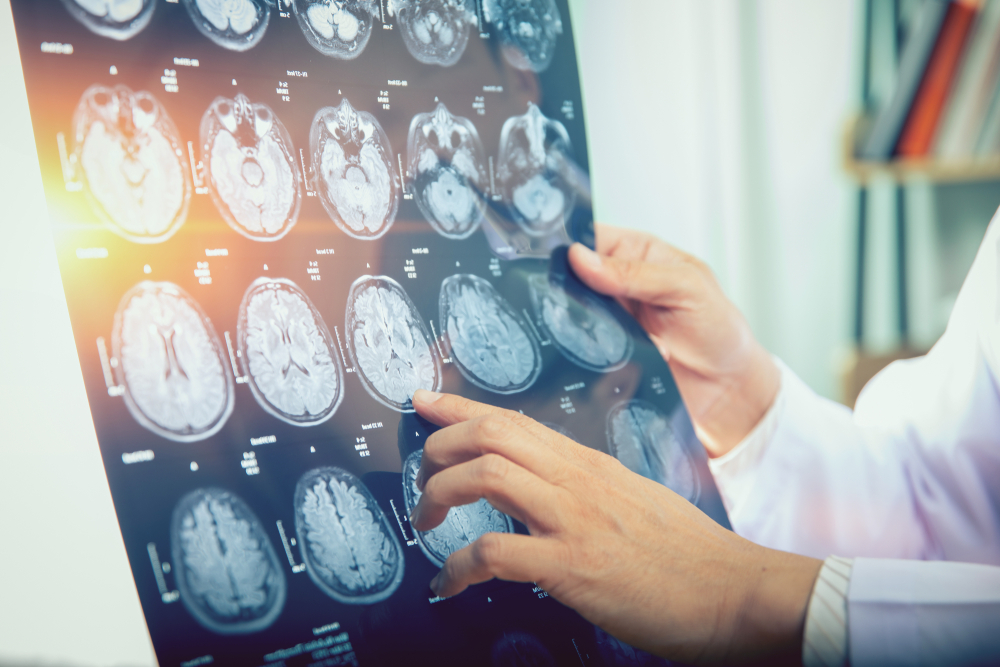
As soon as you step into the dance studio, the brain begins a series of processes that prepare the body for the activity ahead.
Also read: These habits can reduce long-term effects after childhood cancer
The hippocampus maps the environment
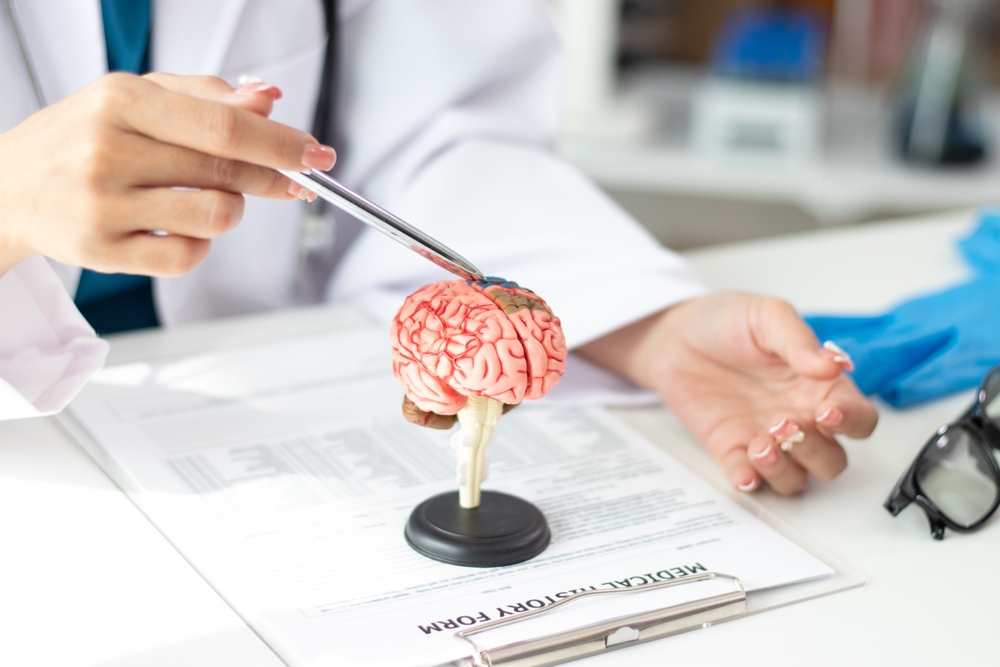
One part of the brain immediately starts registering the surroundings and creating a mental overview of the room.
Dopamine is released before class begins

The anticipation of dancing causes the brain to release dopamine even before the lesson starts.
Mirror neurons strengthen social connection

When you watch other participants move and warm up, mirror neurons become activated, helping create a sense of social connection.
The amygdala assesses safety
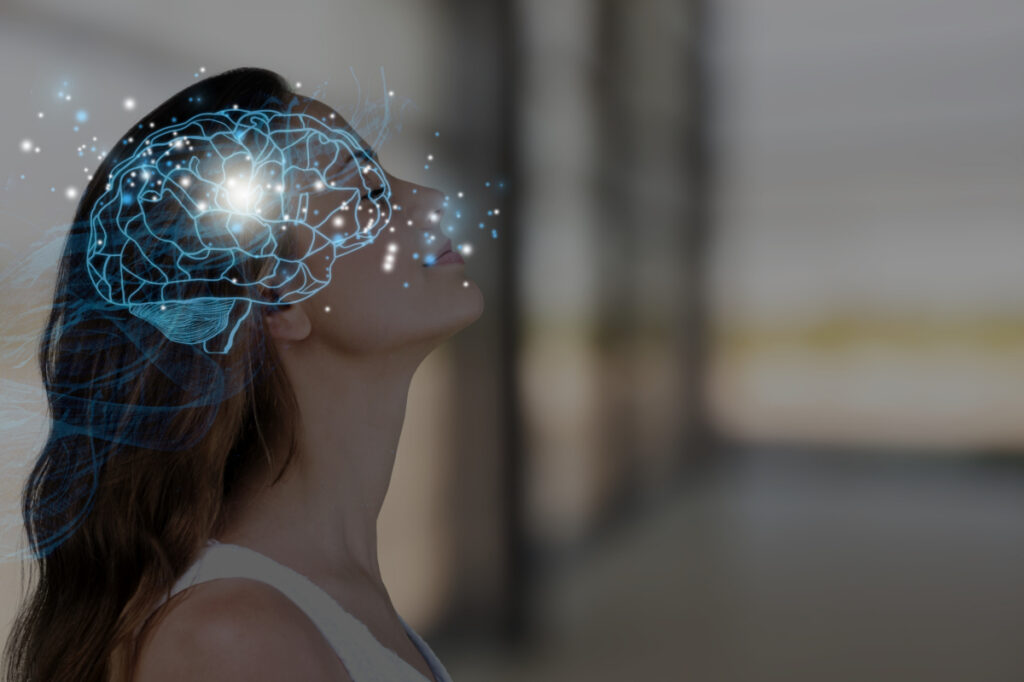
The amygdala evaluates whether the environment feels safe and whether you are comfortable being seen by others.
Also read: Most people eat tomatoes the wrong way – here’s how to get more nutrients from them
Warm-up gets the body working

Heart rate increases, blood circulation improves, and the brain’s motor regions become more active during the warm-up.
Multiple neurotransmitters are released
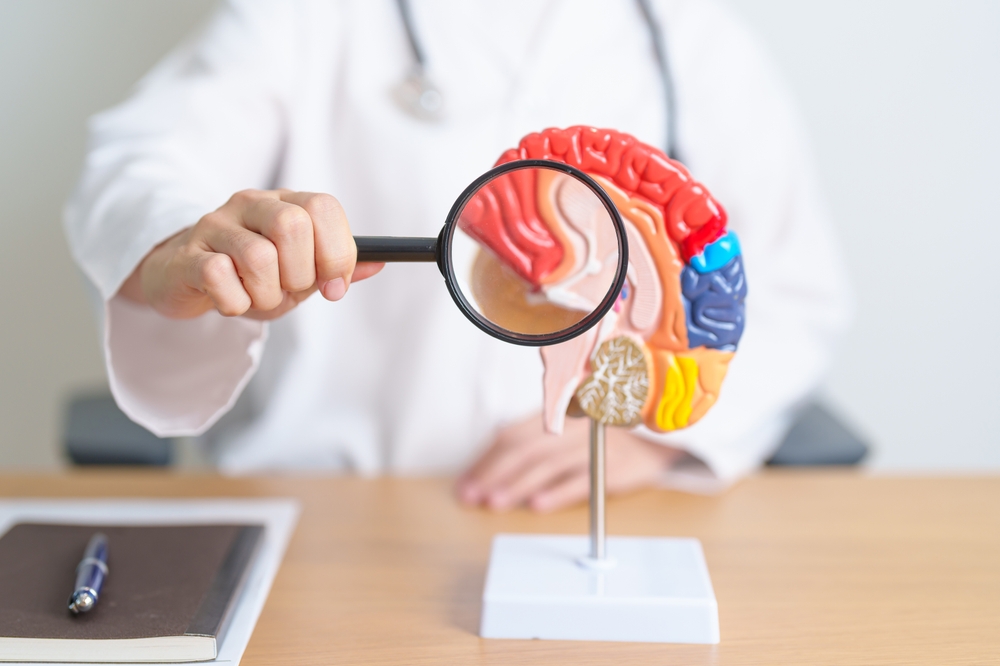
Movement, music, and social interaction trigger the release of several neurotransmitters, including dopamine, serotonin, endorphins, and oxytocin.
Choreography challenges the brain

Different parts of the brain work together to learn, remember, and perform the movements involved in dancing.
Repetition makes movements easier

As steps are practiced repeatedly, they gradually become more automatic, freeing up attention for artistic expression.
Also read: Feeling sleepy after lunch? Apple cider vinegar could make a difference
The brain continues working after class

Even after the lesson has ended, the brain continues processing the experiences and skills that were learned.
Mood can improve

Experts point out that levels of the stress hormone cortisol may decrease after dancing, while mood often improves.
Dancing strengthens both brain and body over time

Regular dancing can improve memory, balance, coordination, rhythm, body awareness, mobility, flexibility, and cardiovascular health over time.
Also read: The subtle symptoms that could be early signs of cancer
Also read: Experts explain how to begin strength training after 40
This article is made and published by Ida-Marie Palm Varbæk, who may have used AI in the preparation.