
Skin cancer is often associated with moles, but the disease can also present itself in many other ways.
Dermatologists warn that recognizing these signs early can be crucial, as several types of skin cancer resemble common skin conditions, according to Streamline.
Scaly red patches
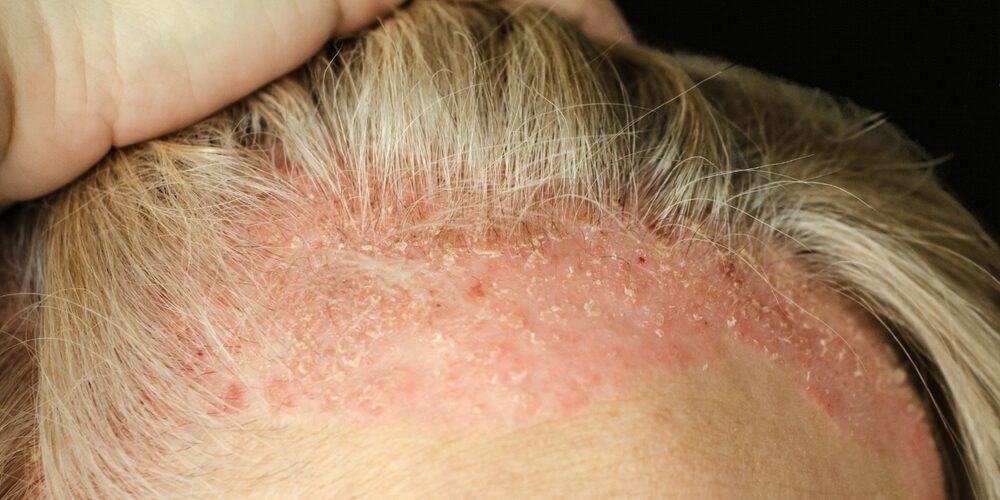
Persistent red patches with scaling or crusting may be an early sign of squamous cell carcinoma.
They do not disappear with regular moisturizer and may bleed if scratched.
Also read: Why you can get sunburned on a cloudy day
Sores that won't heal

A sore that continues to bleed, ooze, form a crust, and does not heal within a month can be a classic sign of basal cell carcinoma.
Pearly bumps
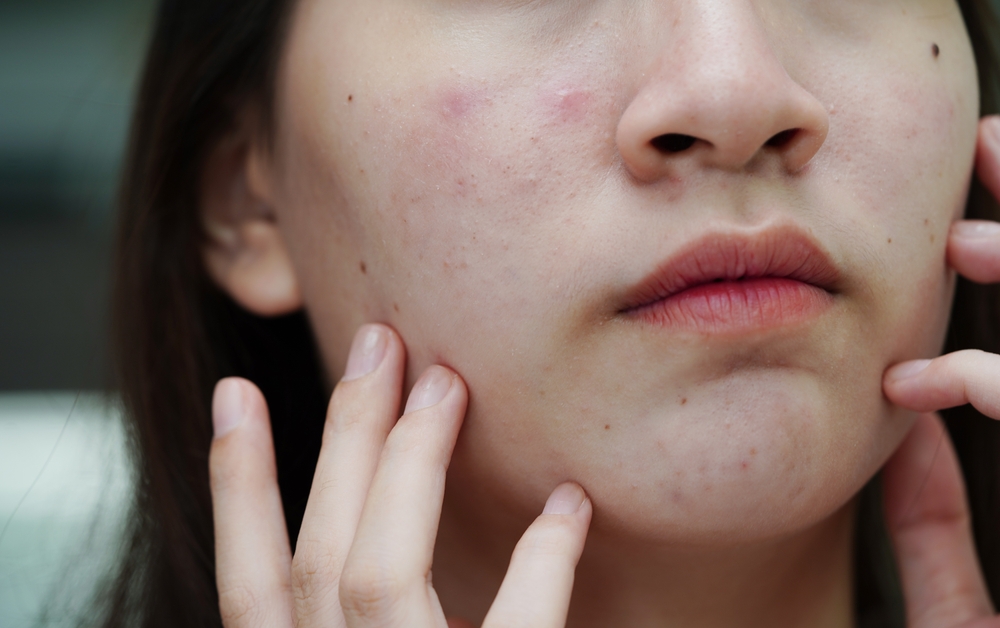
Small, smooth, shiny bumps can develop on areas of the skin that are frequently exposed to the sun.
They are often mistaken for pimples or insect bites.
Scar-like areas
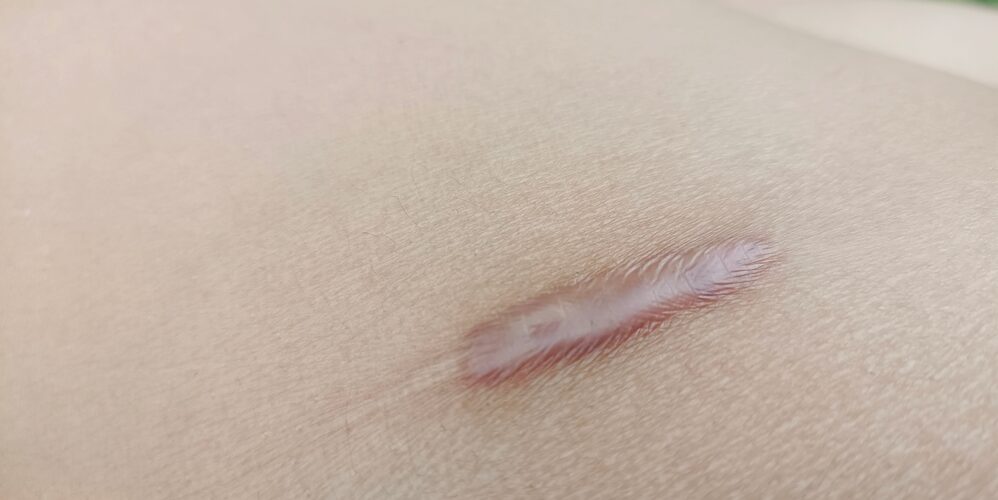
White, yellowish, or waxy skin changes that resemble a scar without any previous injury may indicate an aggressive form of basal cell carcinoma.
Also read: New research reveals how often you should take a break
Persistent itching or pain

An area of skin that continues to itch, burn, or feel tender without a visible rash should be examined by a doctor.
Dark spots on the palms or soles

A rare but aggressive type of melanoma can develop on the palms of the hands, the soles of the feet, or beneath the nails.
It is more commonly seen in people with darker skin.
Pink or red shiny bumps
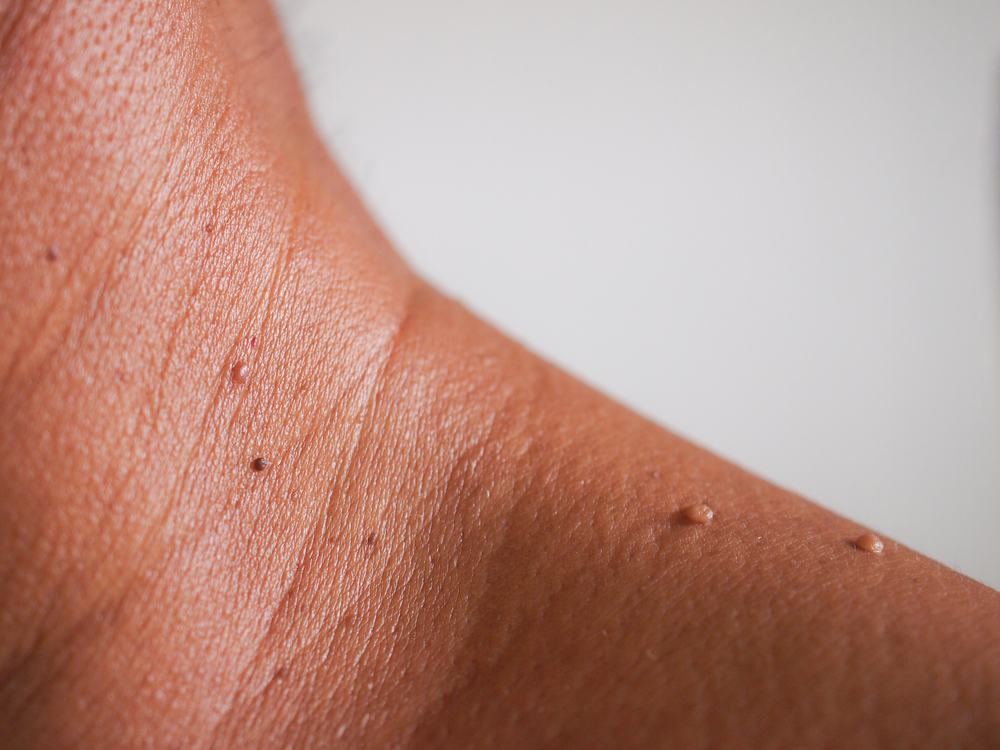
Some forms of melanoma lack the dark pigment typically associated with the disease and instead appear as small pink or red bumps that can easily be mistaken for harmless skin changes.
Also read: High sugar intake may affect mental health
Firm red nodules
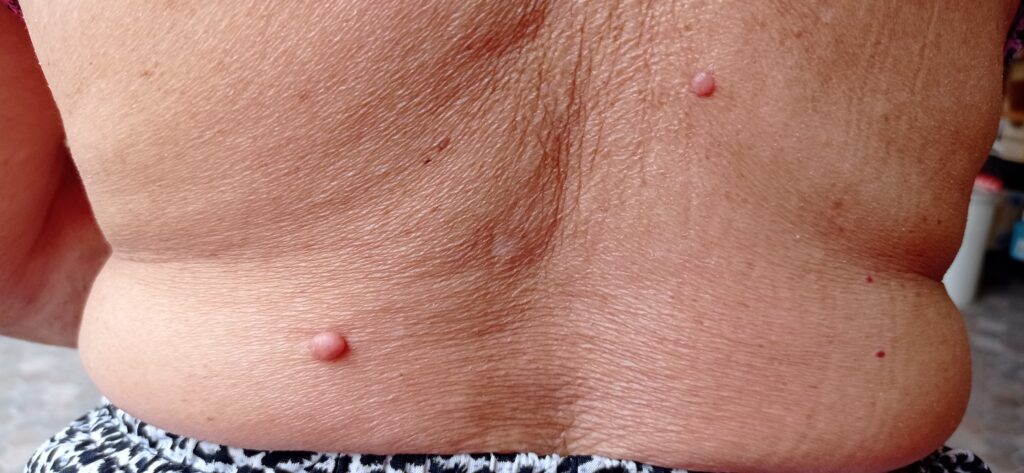
A raised, firm, rough red nodule that grows rapidly over a period of weeks or months may be a sign of squamous cell carcinoma.
These are often found on the lips, ears, and hands.
Horn-like growths

Hard, cone-shaped growths made of keratin can be benign, but a significant number have squamous cell carcinoma at their base.
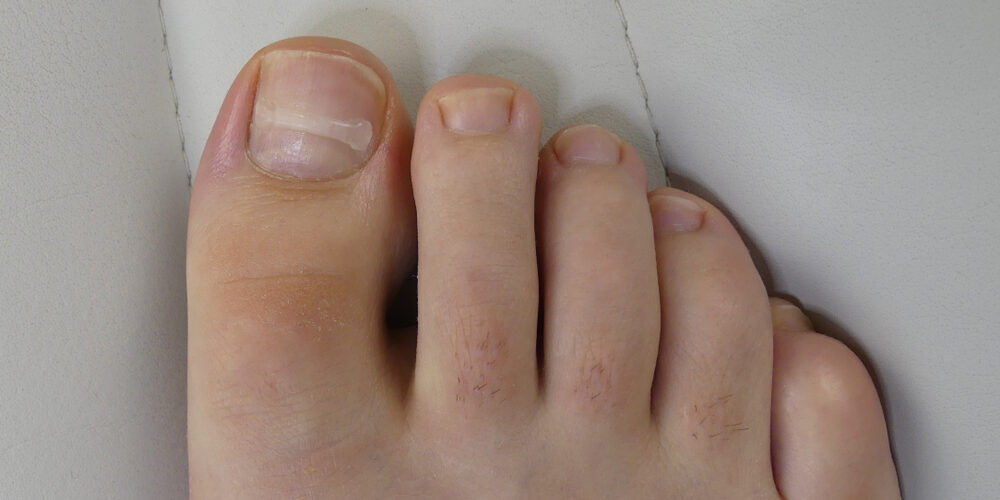
Changes in the nails
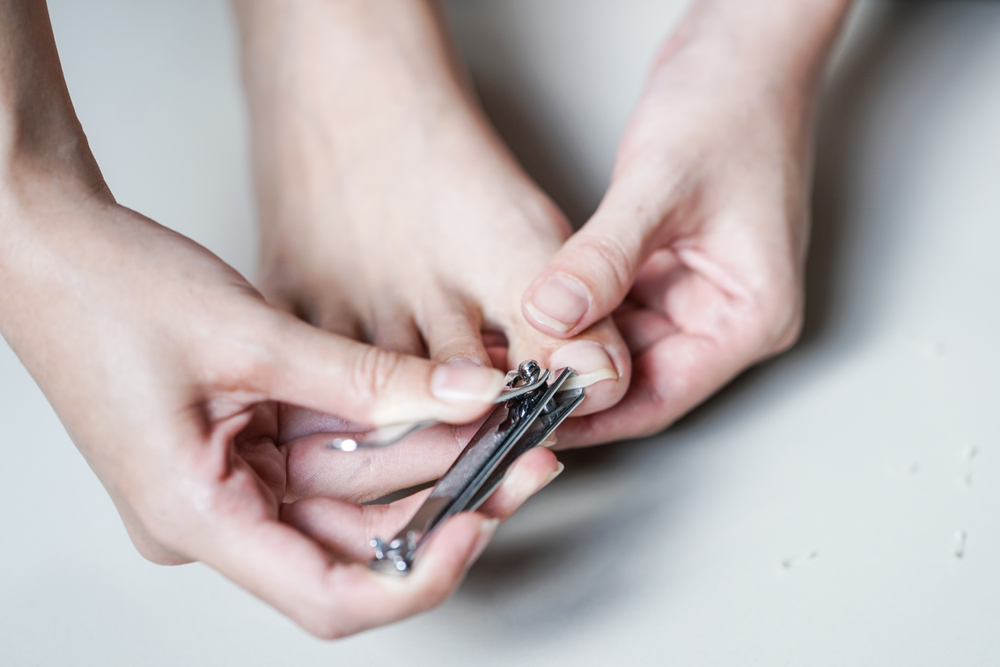
A dark vertical streak in a fingernail or toenail that is not caused by an injury may be a sign of melanoma beneath the nail.
Also read: Sleep expert: How to survive the late-night World Cup matches
If the streak becomes wider or spreads to the cuticle, it should be evaluated promptly.
Watch for persistent changes
According to dermatologists, all of these symptoms should be examined if they persist for more than four weeks.
Early detection is important

Skin cancer is much more treatable when it is detected early.
If a skin change looks unusual, behaves differently, or refuses to heal, it is recommended to consult a dermatologist as soon as possible.
Also read: Mila Kunis explains why her marriage to Ashton Kutcher works
This article is made and published by Ida-Marie Palm Varbæk, who may have used AI in the preparation.