
A dietitian challenged herself to eat kale every day for a week to see how her body would respond, according to Prevention.
While the experiment did not produce any dramatic changes, it offered valuable insights and highlighted the vegetable’s many nutritional benefits.
Fast food

On the very first day, the dietitian’s serving of kale came from a salad at Chick-fil-A.
The combination of kale, cabbage, vinaigrette, and toasted almonds turned out to be a pleasant surprise.
Also read: The more languages you speak, the younger your brain may be, new study suggests
Kale required more preparation

As the week went on, it became clear that raw kale required a bit more preparation in the kitchen.
The leaves were massaged with olive oil and lemon juice to make them softer and more enjoyable to eat.
Spinach remained the favorite

Although kale was on the menu every day, the dietitian still missed the softer texture and convenience that spinach usually provides.
No miraculous changes

After one week, energy levels remained steady, but there were no noticeable improvements in skin appearance or any other obvious physical changes.
Also read: Rare parasite spreads as authorities investigate source
Digestion worked well

Eating kale every day supported comfortable and regular digestion without bloating or other unwanted side effects.
Reaching the daily vegetable goal was motivating

It felt rewarding to know that the daily vegetable intake was more consistently met throughout the week.
Kale is packed with vitamins
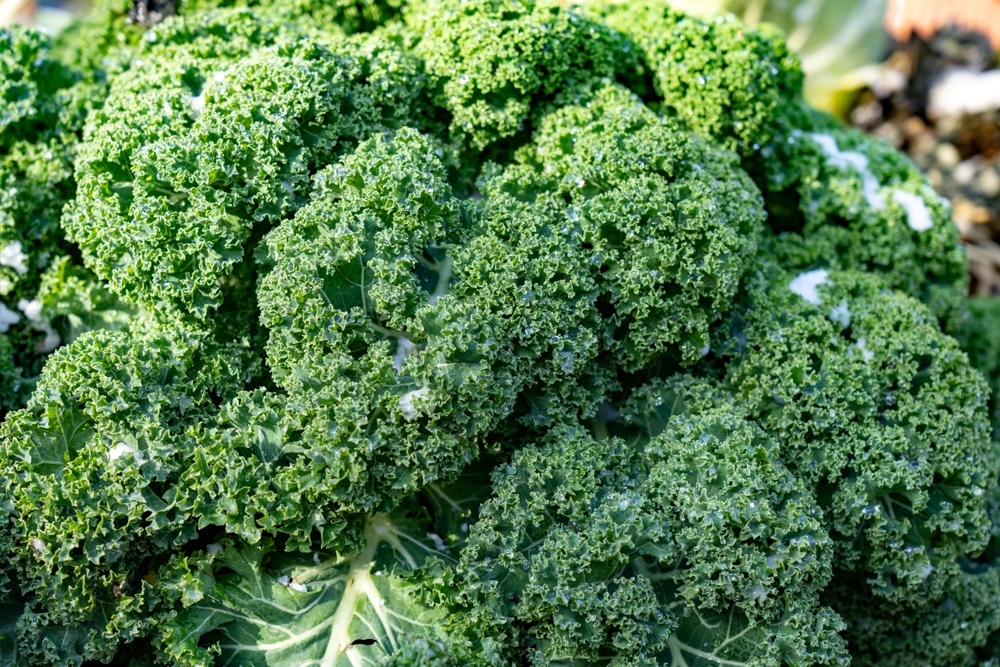
Kale is considered one of the most nutrient-dense vegetables, providing high amounts of vitamins A, K, and C while remaining low in calories.
Vitamin K plays an important role
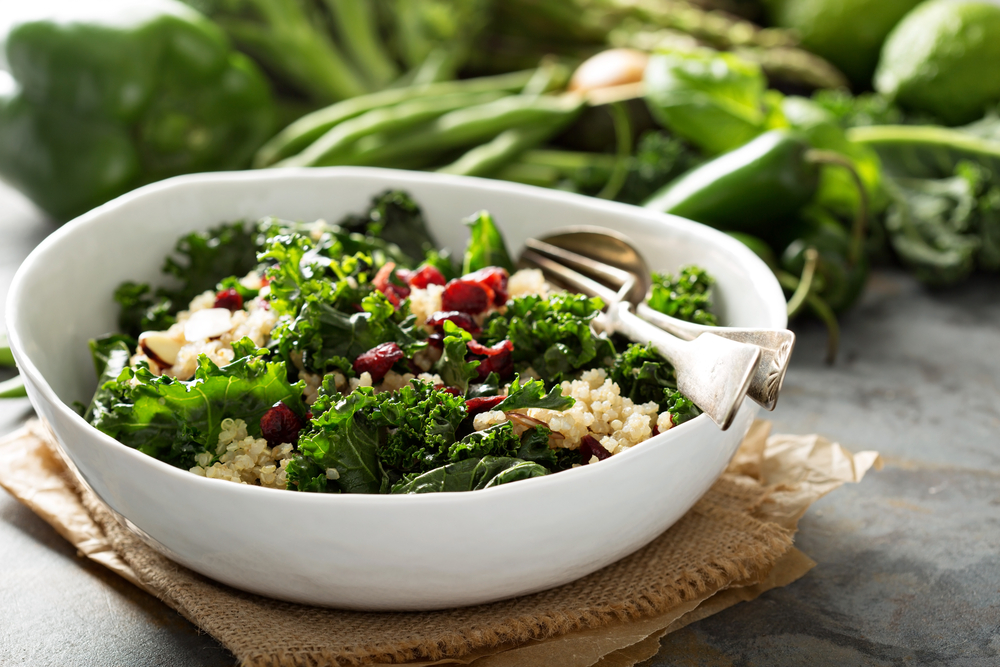
Kale is especially rich in vitamin K, which is essential for healthy blood clotting and maintaining strong bones.
Also read: Study reveals how sleep helps your body recover
Fat helps the body absorb nutrients

Several of the nutrients found in kale are absorbed more effectively when eaten with fat, making it beneficial to pair the vegetable with a source of healthy fats.
May support liver function

Kale belongs to the cruciferous vegetable family, which contains compounds known as glucosinolates.
These compounds can be converted into substances such as sulforaphane, which has been associated with the body's natural liver detoxification processes.
Rich in antioxidants

Kale contains powerful antioxidants, including quercetin and kaempferol, which help protect the body's cells from damage caused by free radicals.
Also read: Here's what drinking coffee every day could do to your liver
May benefit eye health

The vegetable is a natural source of lutein and zeaxanthin, nutrients that help protect the retina and may reduce the risk of eye conditions such as age-related macular degeneration and cataracts.
Not everyone should eat large amounts of kale

People taking blood-thinning medications such as warfarin should be cautious about making significant changes to their kale intake.
Raw kale may also be problematic for individuals with certain thyroid conditions or a tendency to develop specific types of kidney stones.
Variety is better than eating it every day

After completing the experiment, the dietitian decided not to continue eating kale every day.
Also read: New study: Lifestyle changes reduced diabetes risk by 31 percent
Instead, she recommends rotating among different leafy greens to benefit from a wider range of nutrients.
This article is made and published by Ida-Marie Palm Varbæk, who may have used AI in the preparation.