
Green bananas may look unripe, but that does not necessarily make them a poor choice.
Experts told Fox News that both green and ripe bananas offer health benefits, depending on your nutritional needs.
Green bananas are still worth eating
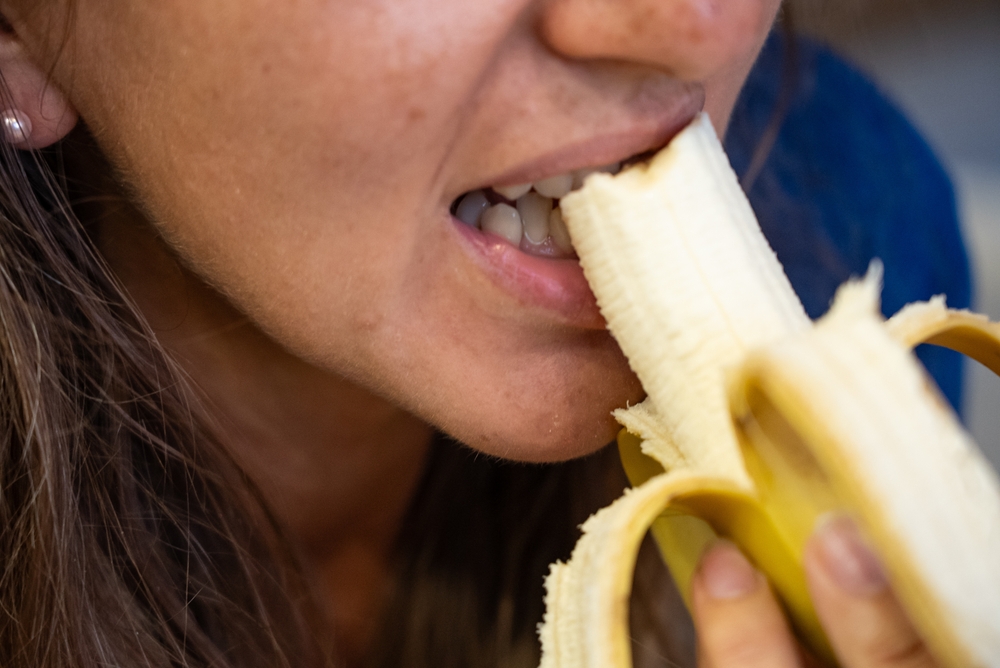
Even if a banana stays green for a long time, it can still be perfectly edible and provide valuable nutrients.
Early harvesting can affect ripening
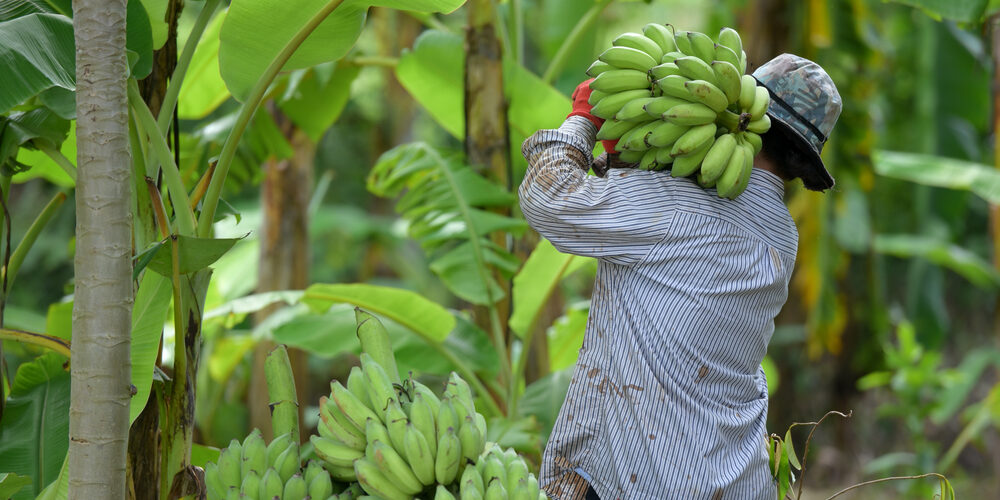
If bananas are harvested before they are mature enough, they may struggle to develop the ideal flavor and texture.
Also read: Study of 2.4 million cases finds men more likely to receive late cancer diagnosis
The shape can reveal ripeness
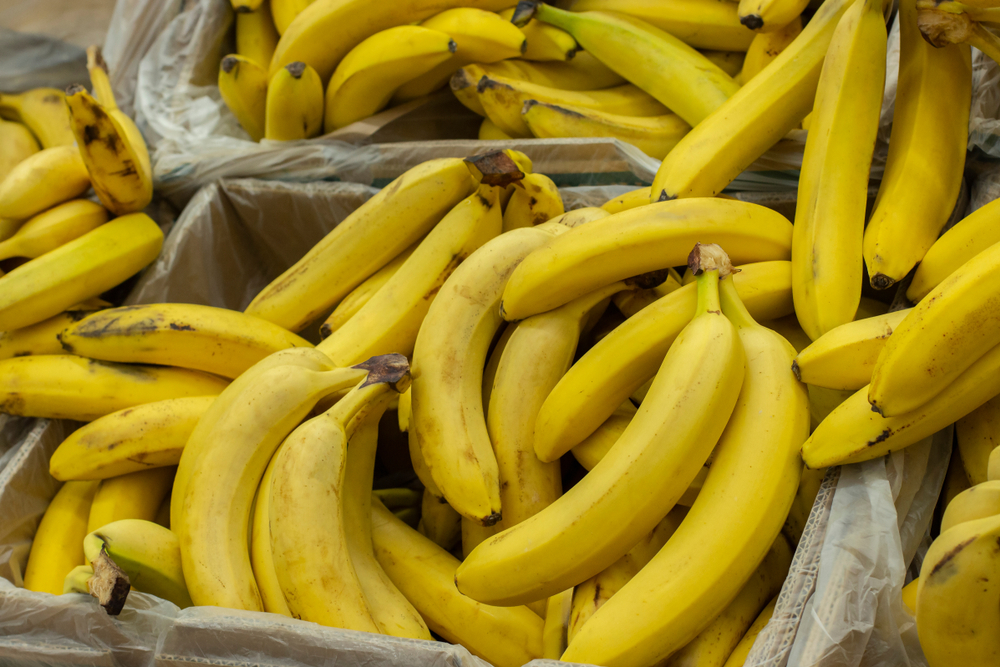
According to an expert, less ripe bananas tend to have more angular edges, while ripe bananas are typically more rounded.
Cold temperatures can stop the ripening process

Storage or transportation at temperatures that are too low can interfere with a banana's natural ripening process.
Cold damage can keep bananas green
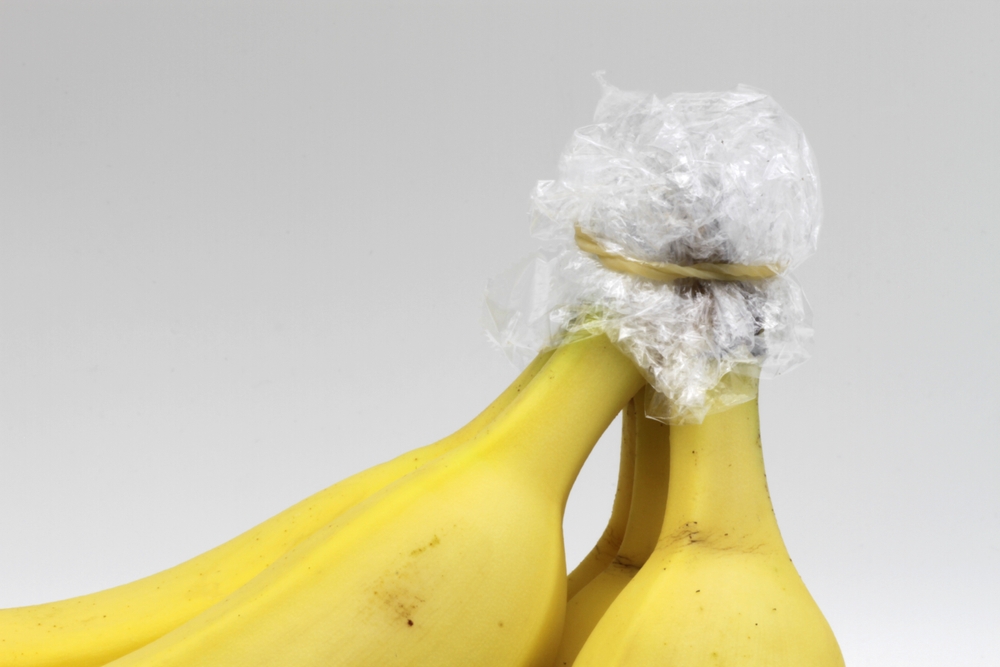
Exposure to cold can cause bananas to remain green or greenish-yellow, even after extended storage.
The right temperature is important
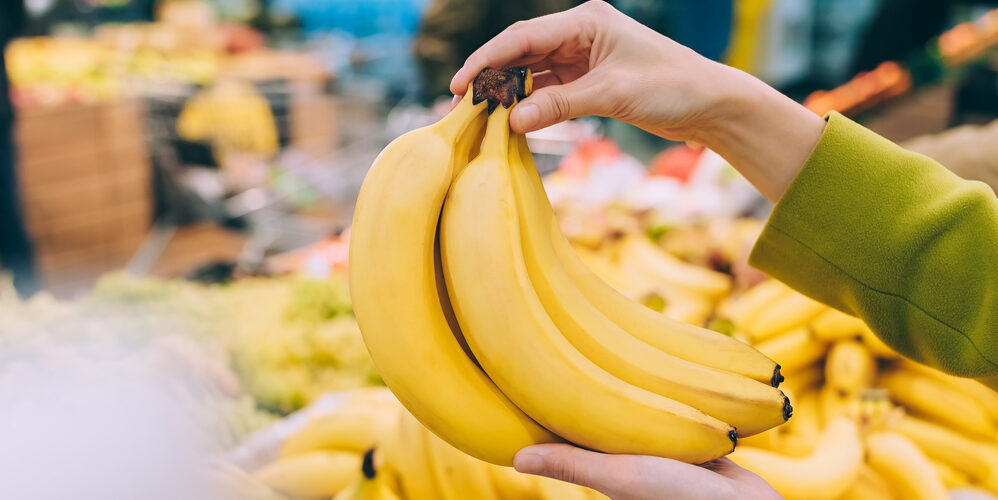
Experts told Fox News that bananas should ideally be stored at temperatures between 13°C and 15°C (55°F to 59°F) to prevent damage and allow normal ripening.
Also read: Certain contraceptives linked to increased risk of brain tumors in new study
Both types contain important nutrients
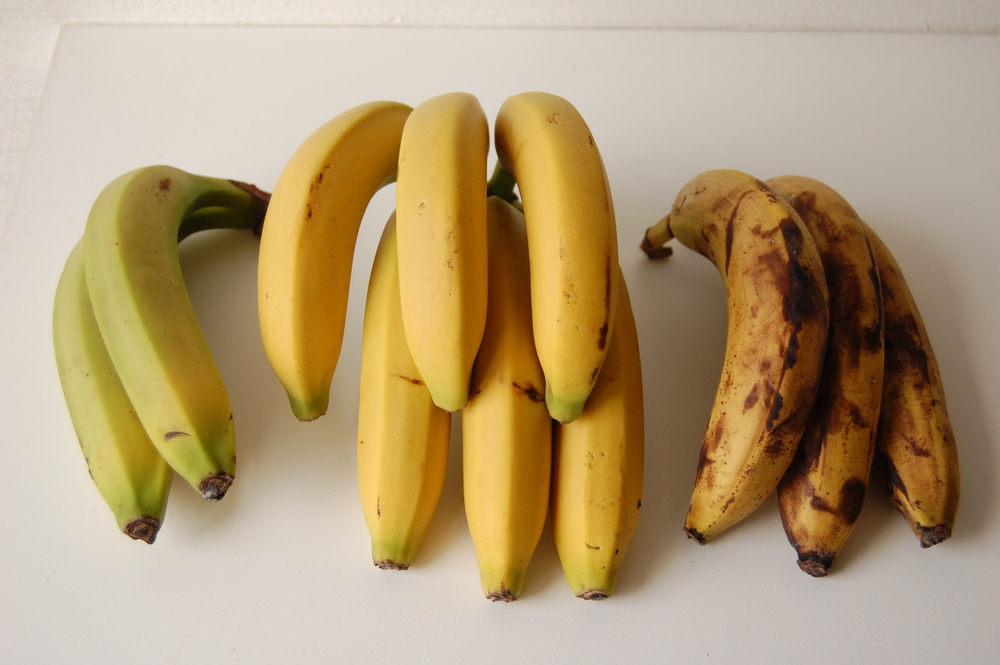
Both green and ripe bananas provide potassium, vitamin B6, vitamin C, and a range of other essential nutrients.
Green bananas contain more resistant starch
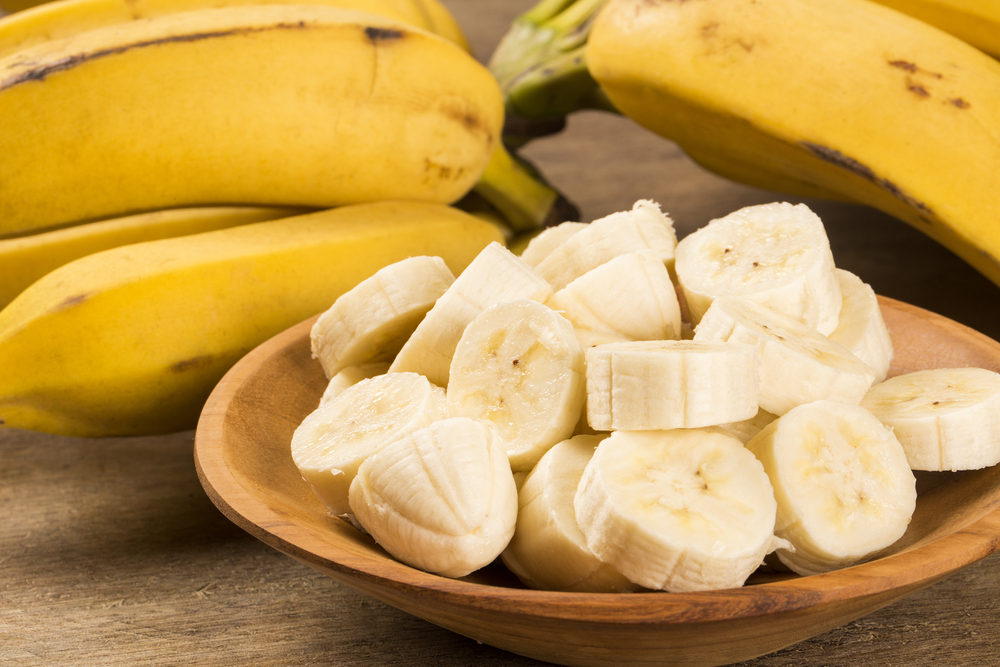
Green bananas contain higher levels of resistant starch, which is digested more slowly and functions in a way that is similar to dietary fiber.
They are less sweet

Because of their higher resistant starch content, green bananas generally have a less sweet taste than ripe bananas.
They may have a gentler effect on blood sugar
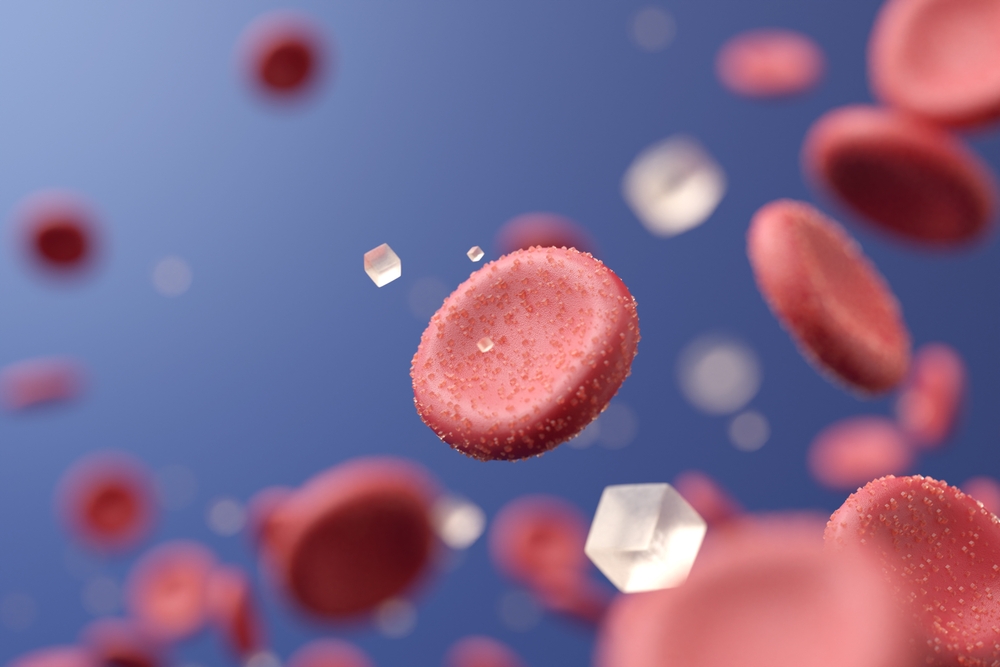
According to a dietitian speaking to Fox News, green bananas may have a more moderate impact on blood sugar levels than ripe bananas.
Also read: Dietitians warn against combining coffee and grapefruit
Ripening converts starch into sugar
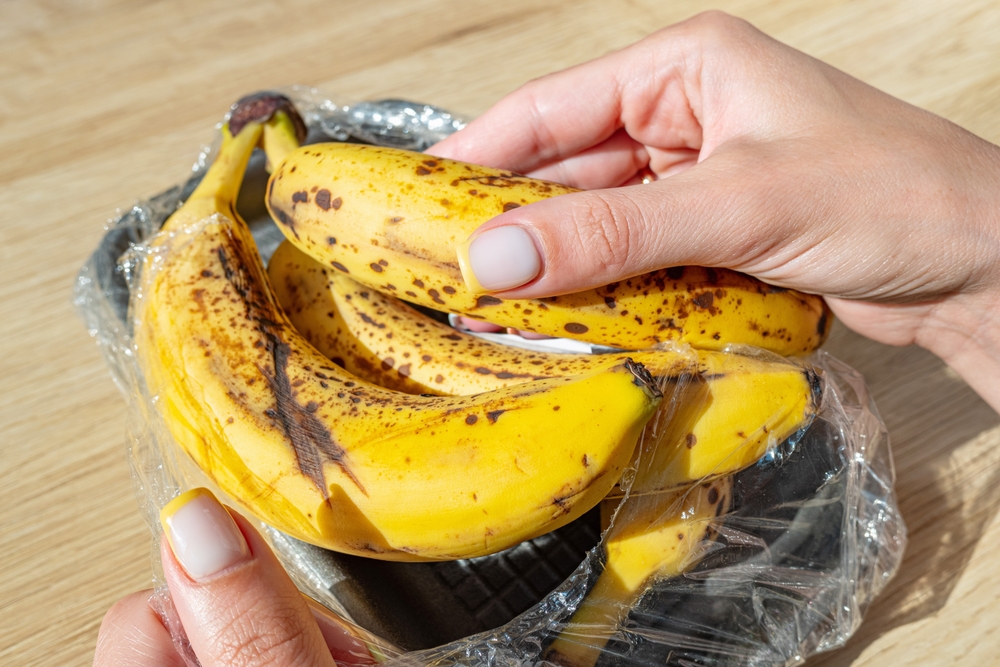
As bananas ripen, much of their resistant starch is gradually converted into natural sugars.
Ripe bananas are softer and sweeter
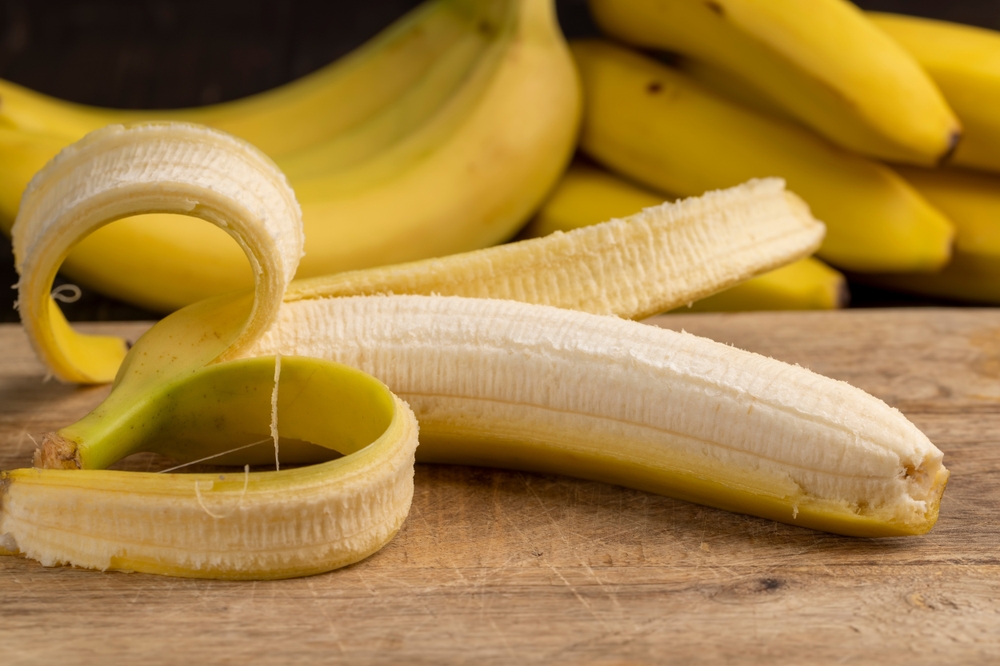
As a banana ripens, it becomes softer in texture and sweeter in flavor. Many people also find ripe bananas easier to digest.
The best choice depends on your needs
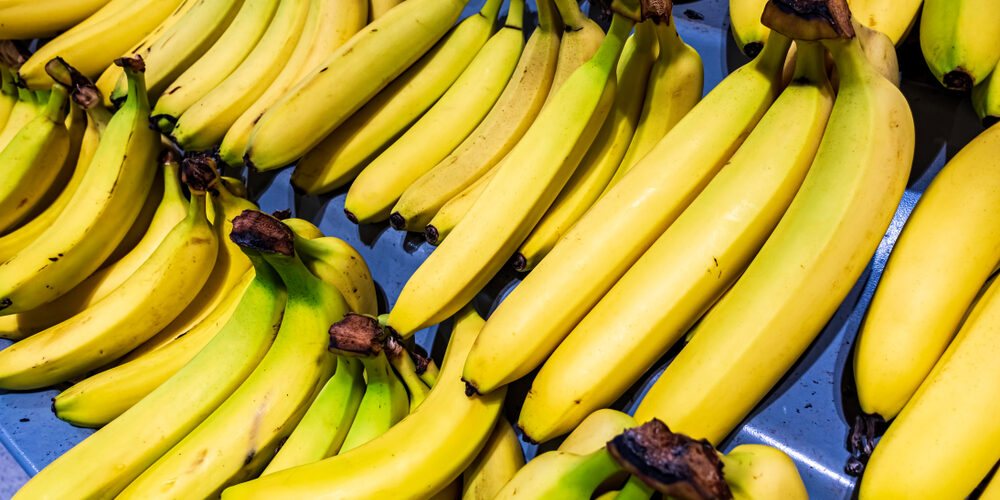
If you are looking for more resistant starch or want to better manage your blood sugar levels, a green banana may be the better option.
If you prefer a sweeter fruit that is gentler on the stomach, a ripe banana may be the better choice.
Also read: Early warning signs in your stomach that could signal cancer
Consider your overall diet, not just the banana's color
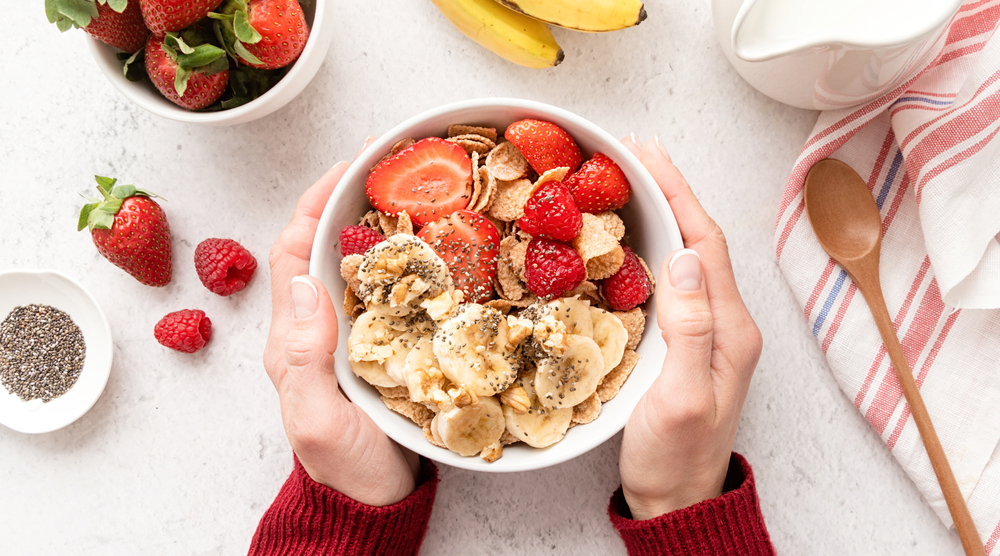
The dietitian also recommends viewing bananas as part of your overall diet rather than focusing solely on whether they are green or ripe.
Also read: New research: Peppermint oil may lower blood pressure
This article is made and published by Ida-Marie Palm Varbæk, who may have used AI in the preparation.