
Fruit is packed with vitamins, minerals and antioxidants that can support overall health in many ways.
Experts told Good Housekeeping that people should eat a variety of fruits and include different colors in their daily diet to maximize the range of nutrients they consume.
Kiwi
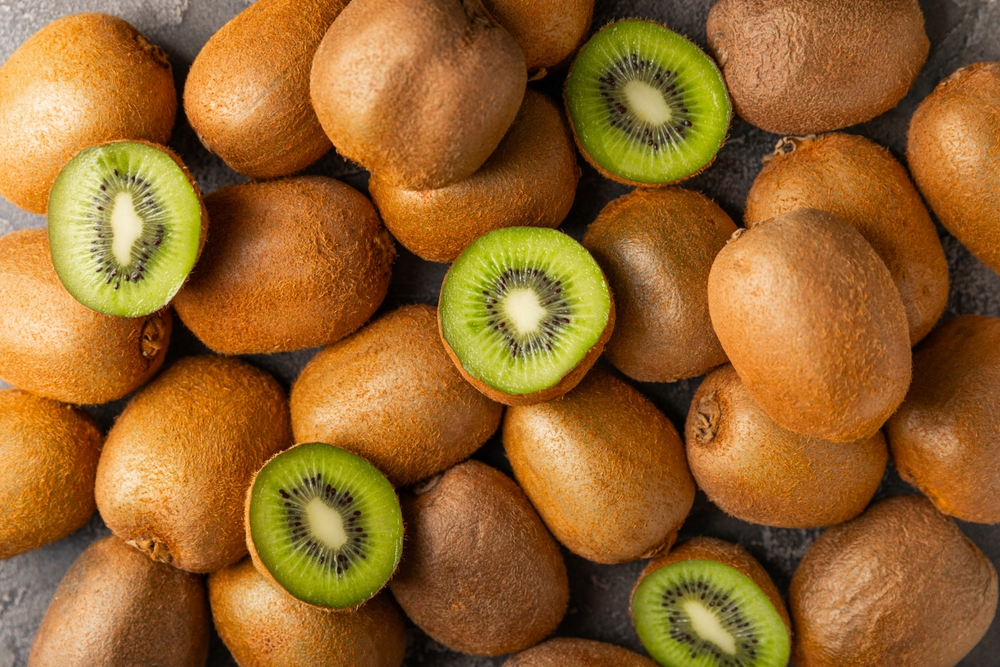
Kiwi is rich in vitamin C, potassium and antioxidants.
It also contains folate, magnesium and B vitamins. Research published in the Asia Pacific Journal of Clinical Nutrition suggests that eating kiwi as an evening snack before bedtime may help improve sleep quality.
Also read: Getting more fiber each day may lower your risk of 10 different cancers
Avocado

Avocados differ from many other fruits because they are naturally low in sugar.
They also provide healthy fats and magnesium, both of which play important roles in supporting muscle function and the nervous system.
Watermelon
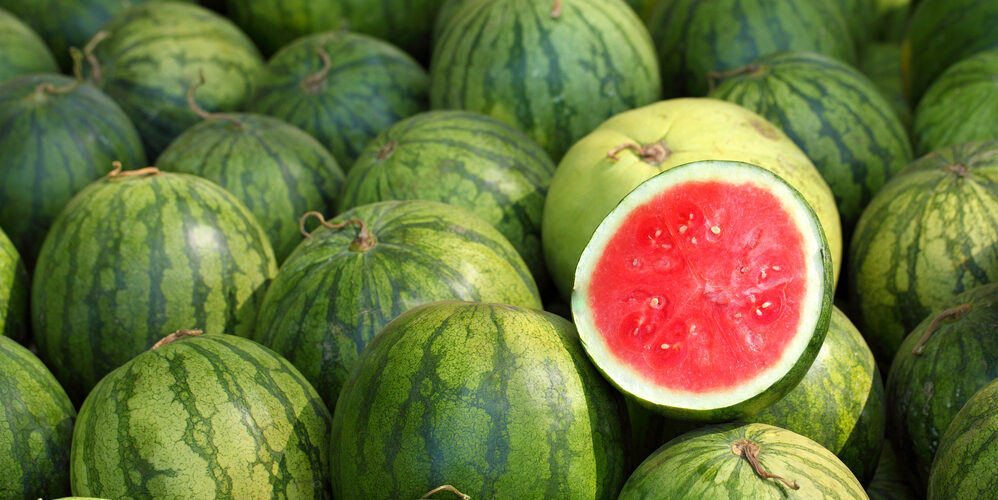
Watermelon is made up of around 92 percent water, making it an excellent choice for staying hydrated.
It also supplies potassium and magnesium, which act as electrolytes and help regulate the body's fluid balance.
Also read: Doctors agree: These habits can help protect your kidneys
Pineapple
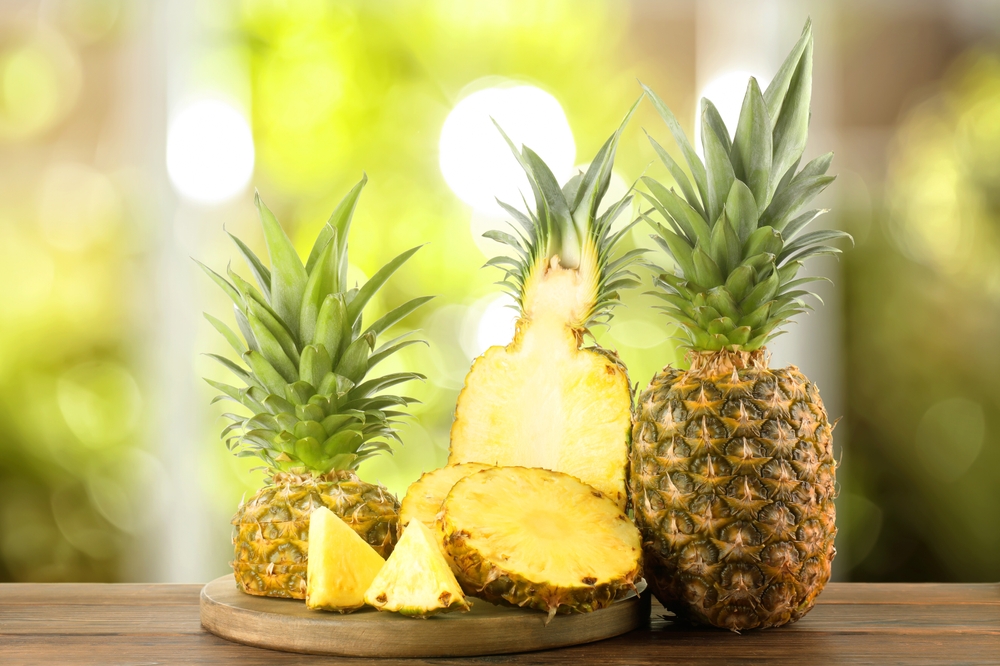
Pineapple contains bromelain, a compound that functions as both a digestive enzyme and an anti-inflammatory agent.
Research published in Clinical Immunology indicates that bromelain may help reduce inflammation, including in the joints and digestive system.
Apples
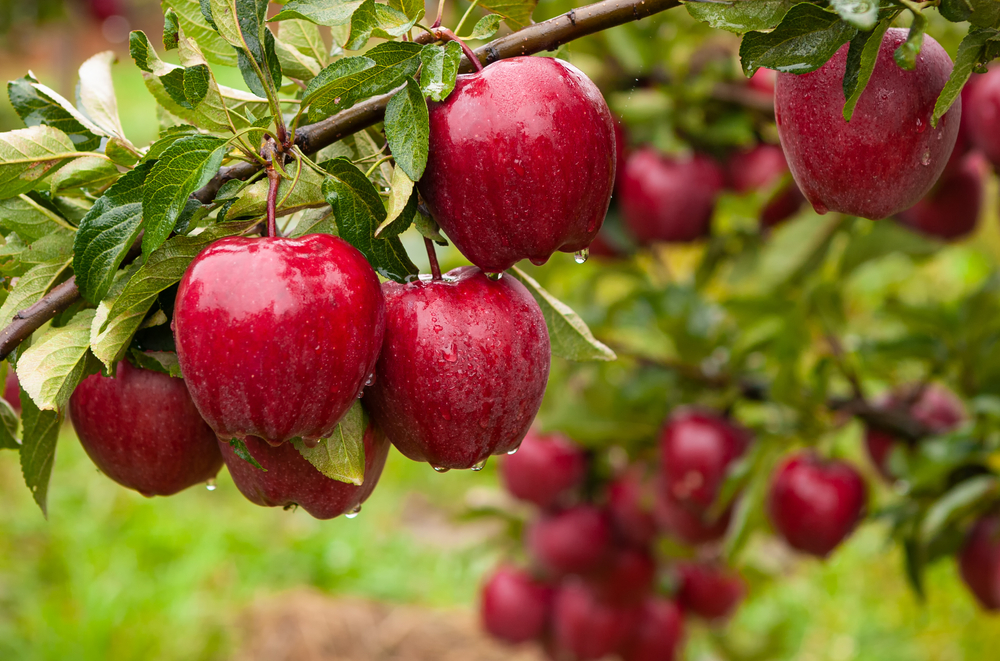
Regular consumption of apples may help lower total cholesterol levels.
The antioxidants found in the skin also support healthy cells and promote good circulation.
Also read: 8 early warning signs of multiple sclerosis - some appear years before diagnosis
Raspberries and berries
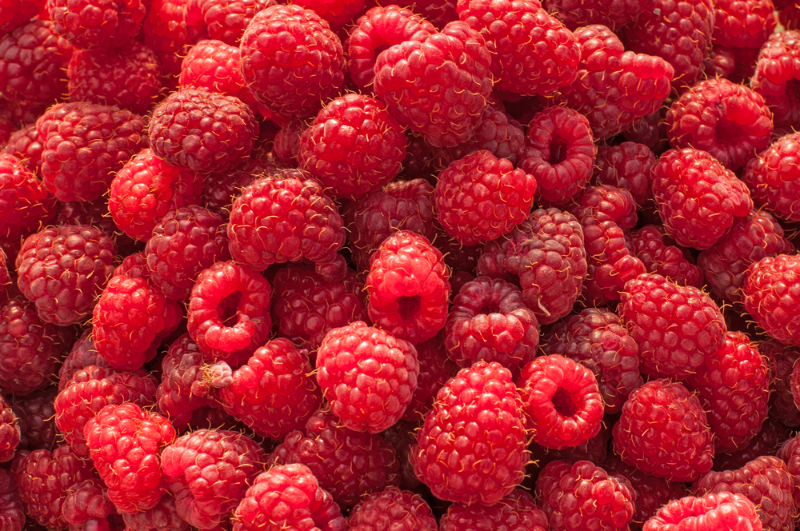
Blueberries contain anthocyanins, powerful antioxidants known for their protective properties.
Blackberries provide around half of the recommended daily intake of vitamin C per cup, while raspberries are among the highest-fiber fruits, containing approximately eight grams of dietary fiber per cup.
Papaya
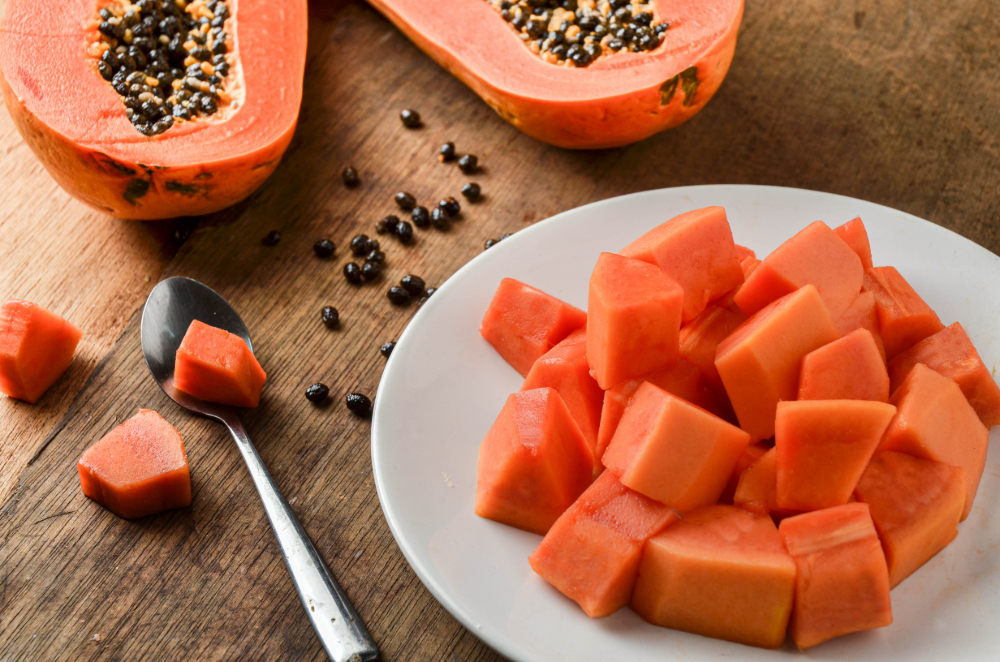
Papaya is an excellent source of vitamins A, C and E, which contribute to immune function as well as healthy skin and heart health.
The fruit is also high in dietary fiber, and although the seeds have a slightly bitter taste, they are edible.
Also read: Historic first: Pig liver and kidneys function inside human body
Cherries
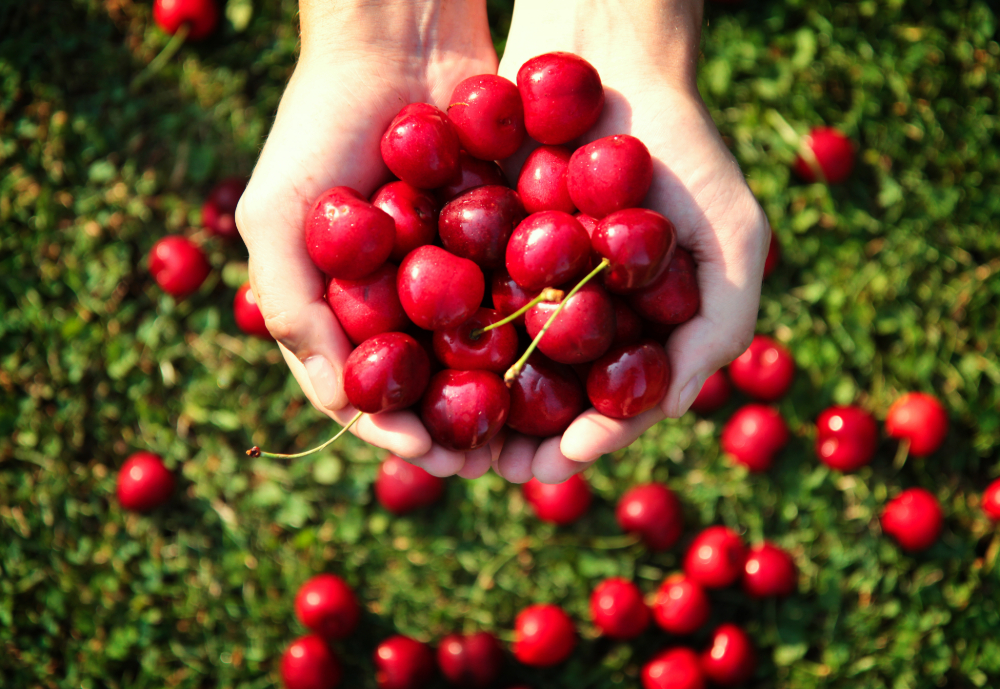
Cherries contain antioxidants, including quercetin, which has been associated with promoting a sense of calm.
Acerola cherries are also recognized as one of the richest natural sources of vitamin C and contain a wide range of beneficial plant nutrients.
Pomegranate
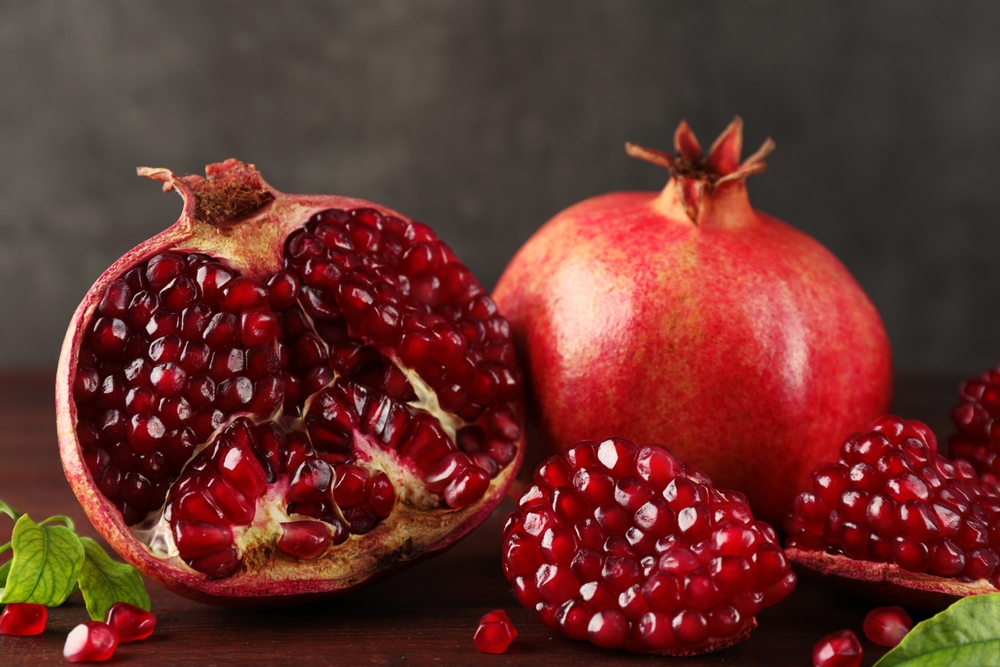
One cup of pomegranate seeds contains up to seven grams of dietary fiber and also provides potassium along with vitamins C and K.
The seeds can be added to salads, yogurt or hot dishes.
Also read: Healthy blood pressure by age: what's normal, what's high, and when to act
Mango
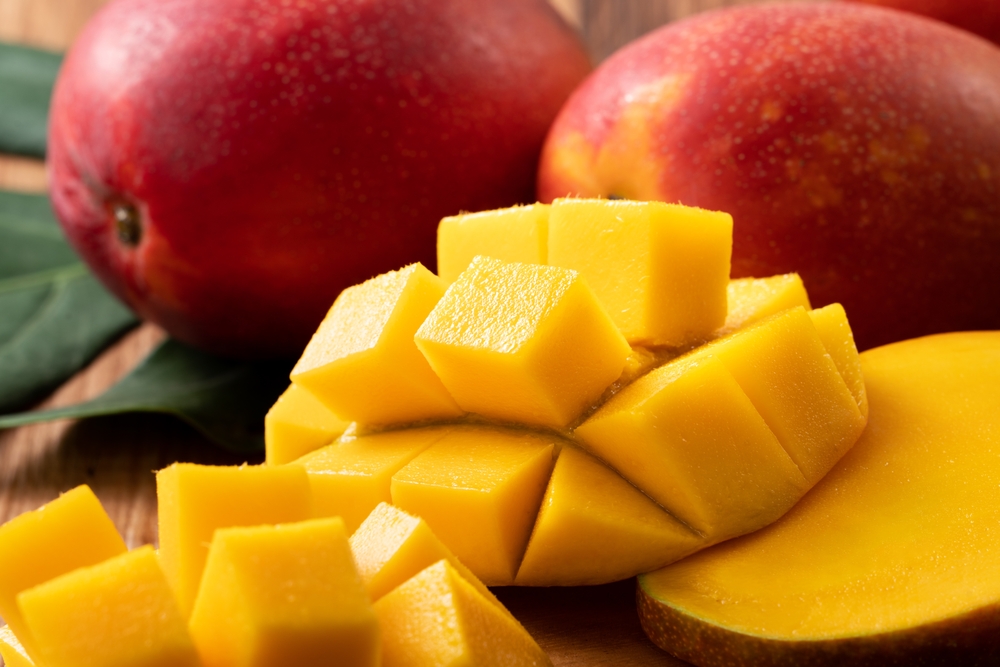
Mango contains vitamin C, potassium and beta-carotene, among other nutrients.
It works well in salsa, salads and smoothies, and it can also be frozen for later use.
Banana
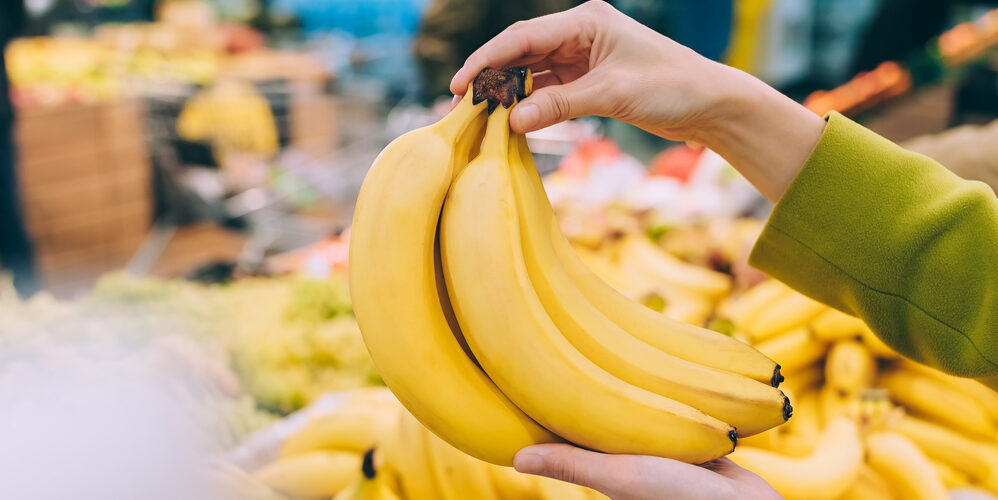
Bananas contain prebiotic dietary fiber, which plays an important role in supporting gut health.
They are also a good source of potassium, a mineral that helps maintain normal heart function.
Plums
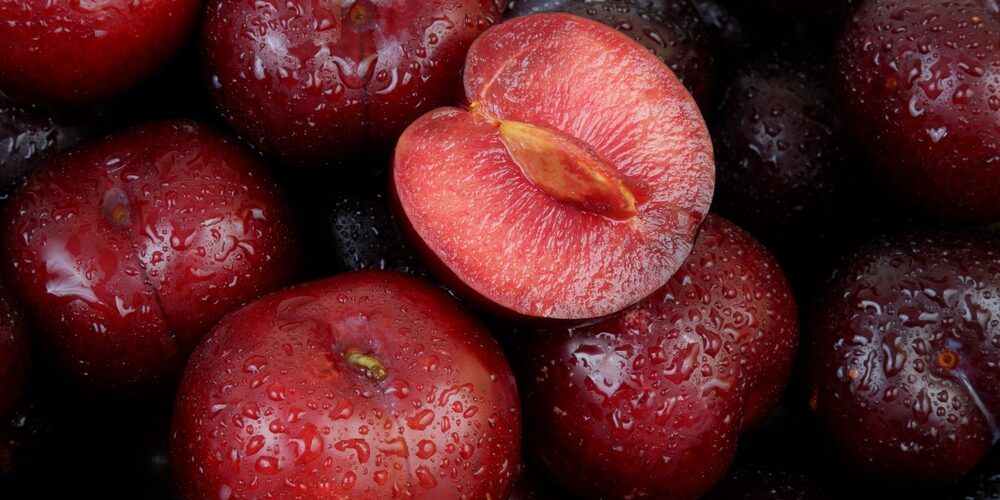
Plums have been linked to anti-inflammatory properties that may benefit brain function.
Dried plums, or prunes, also contain additional calcium and magnesium, nutrients associated with a lower risk of osteoporosis.
Grapes
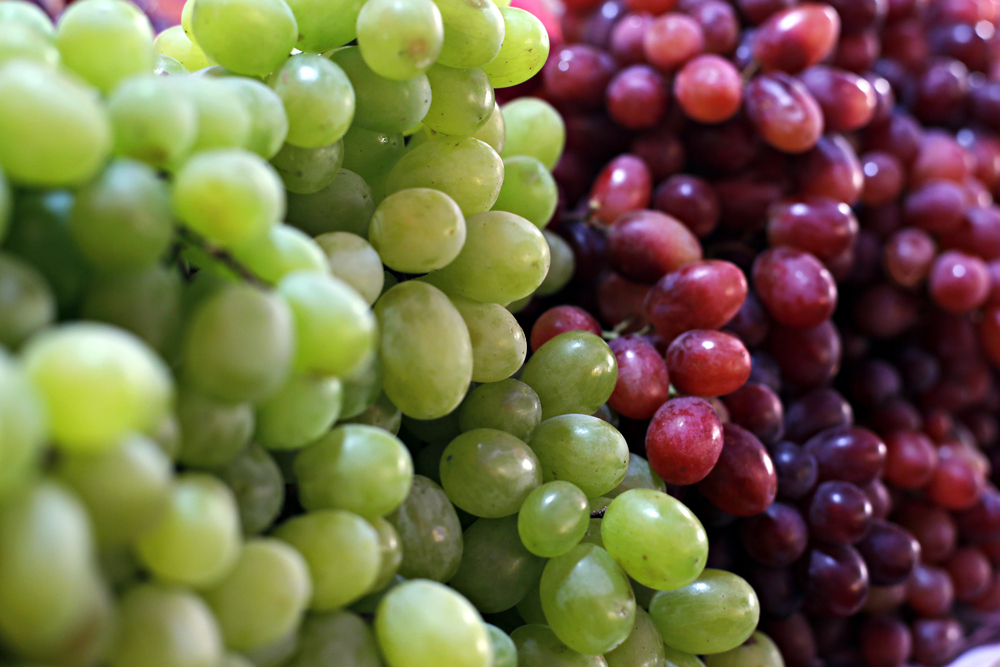
Grapes are an easy and convenient snack that contains antioxidants which may help protect the body's cells from damage.
They can be enjoyed fresh, frozen or cooked alongside vegetables.
This article is made and published by Ida-Marie Palm Varbæk, who may have used AI in the preparation.