
Over-the-counter painkillers are often considered completely harmless, but liver disease specialists are warning people, according to Parade, not to use them without caution.
Paracetamol is the biggest concern

Liver specialists say paracetamol is the over-the-counter medication they most want people to use more carefully.
The active ingredient is found in products such as Tylenol.
The liver processes the medication
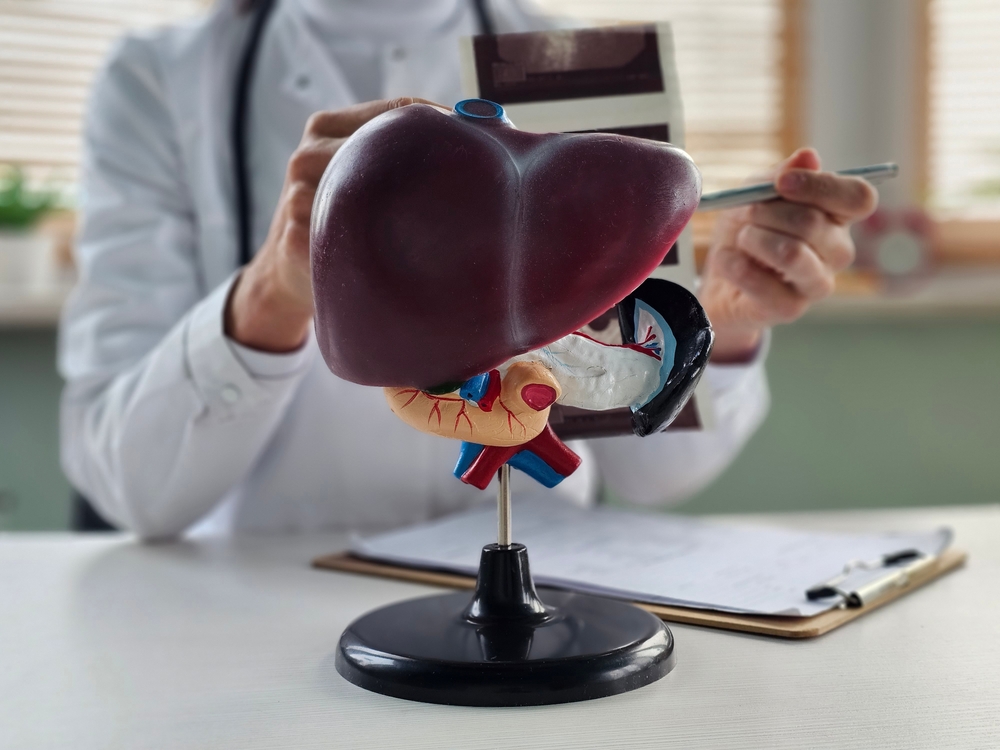
The liver is responsible for metabolizing most medications.
Also read: Alzheimer's may be detectable a decade before the first symptoms
If it is exposed to excessive amounts or medications are used improperly, liver damage can occur.
Over-the-counter does not mean risk-free

According to doctors, many people mistakenly believe that medicines sold without a prescription are automatically safe.
They stress that this is not always the case.
Accidental overdoses can happen
Many cases of liver failure are caused by unintentional overdoses, with people believing they are following the instructions correctly.
Also read: Is it unhealthy to eat the same meals every day? Dietitian explains
Multiple products may contain paracetamol
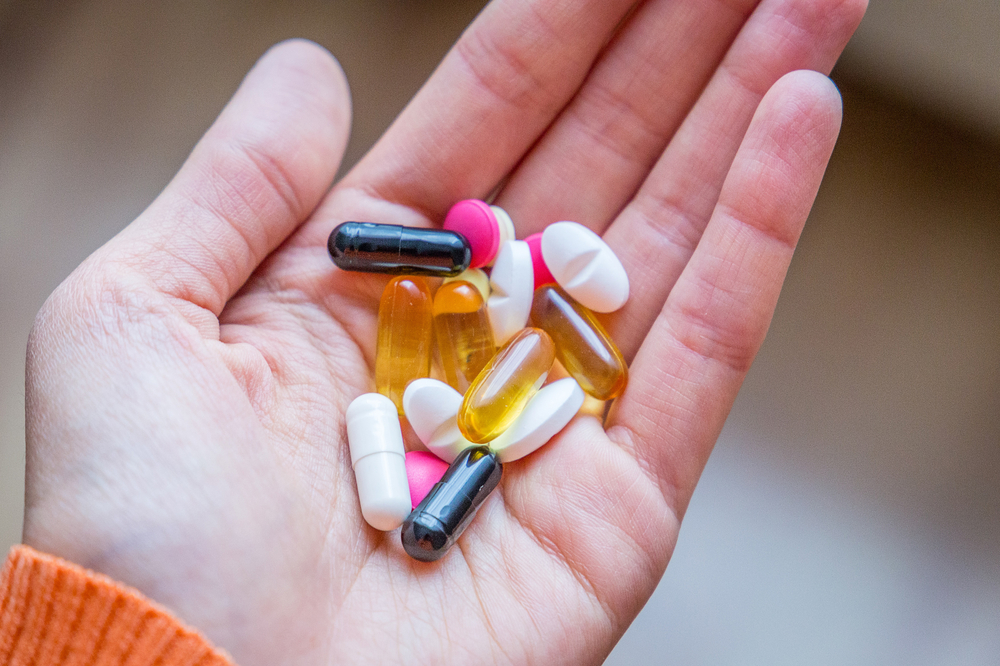
Problems often arise when people take several different products at the same time without realizing that they all contain paracetamol.
They contribute to the total daily dose

Some cold and flu medicines, sleep aids, and certain prescription painkillers also contain paracetamol and count toward the total daily intake.
The number of days also matters

Doctors emphasize that it is not enough to monitor the daily dose alone.
It is also important to follow the recommended limit on how many consecutive days the medication should be used.
Also read: A dietitian ate a cup of watermelon every day for several weeks – here’s what she noticed
Some people are at greater risk
People with liver disease, poor nutrition, or other risk factors may develop liver damage at lower doses than others.
Alcohol increases the risk

Regular alcohol consumption can make the liver more vulnerable to the effects of paracetamol.
For this reason, doctors advise against drinking alcohol while taking the medication.
There is a maximum daily dose
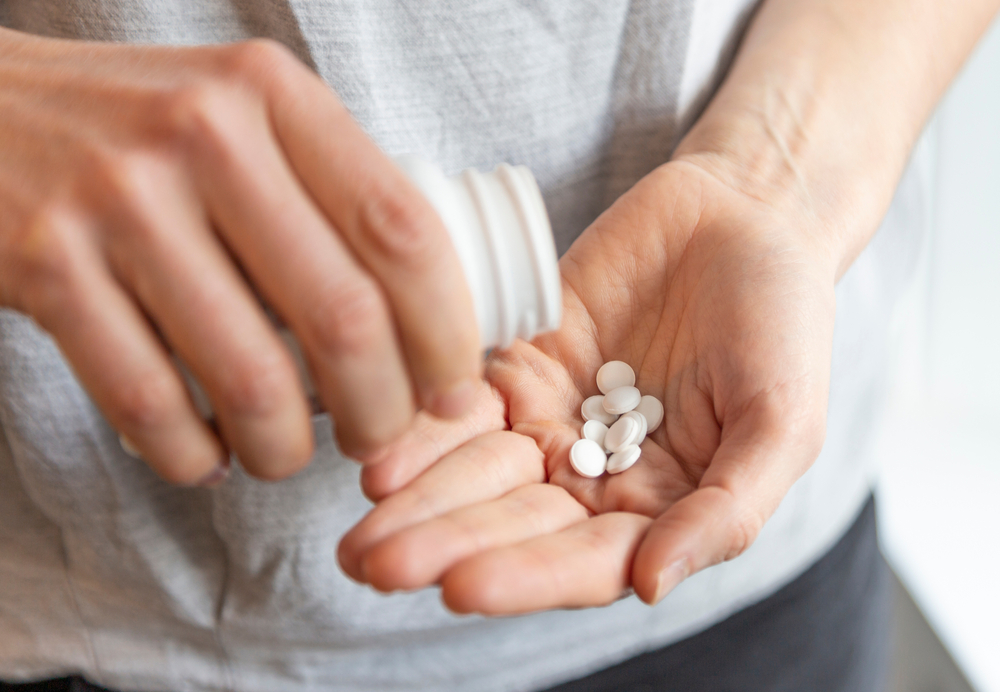
According to Parade, a healthy adult should not take more than 4,000 milligrams of paracetamol within a 24-hour period.
Also read: Why you should avoid falling asleep on the couch
People with liver problems are advised to limit their intake to no more than 2,000 milligrams per day.
Other pain relievers also carry risks
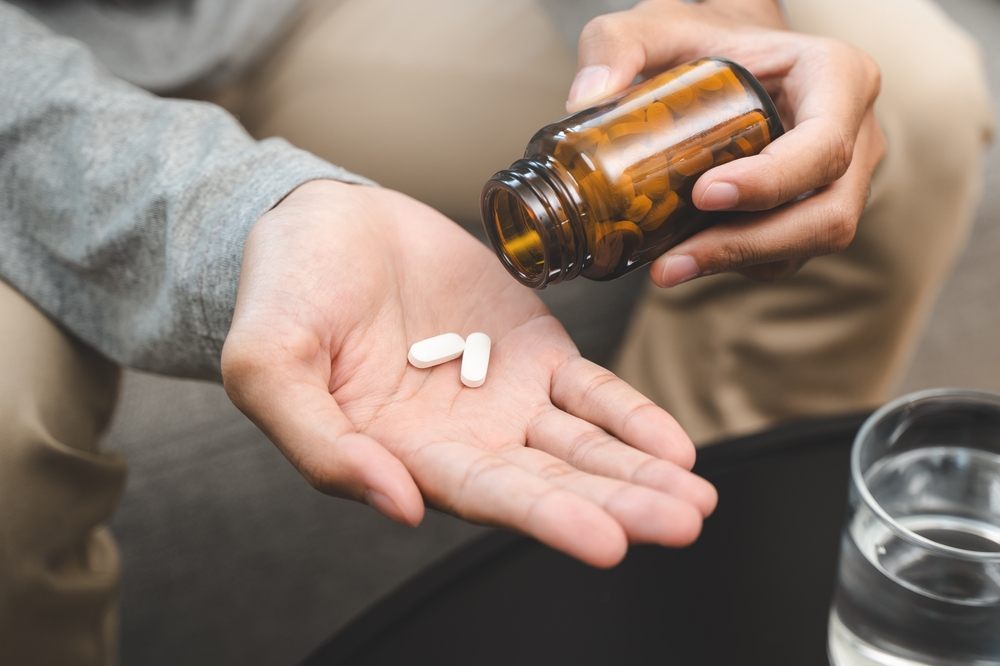
Ibuprofen and naproxen sodium are mentioned as alternatives, but they can irritate the stomach and increase the risk of stomach ulcers or gastrointestinal bleeding.
Some people with liver disease should avoid certain alternatives
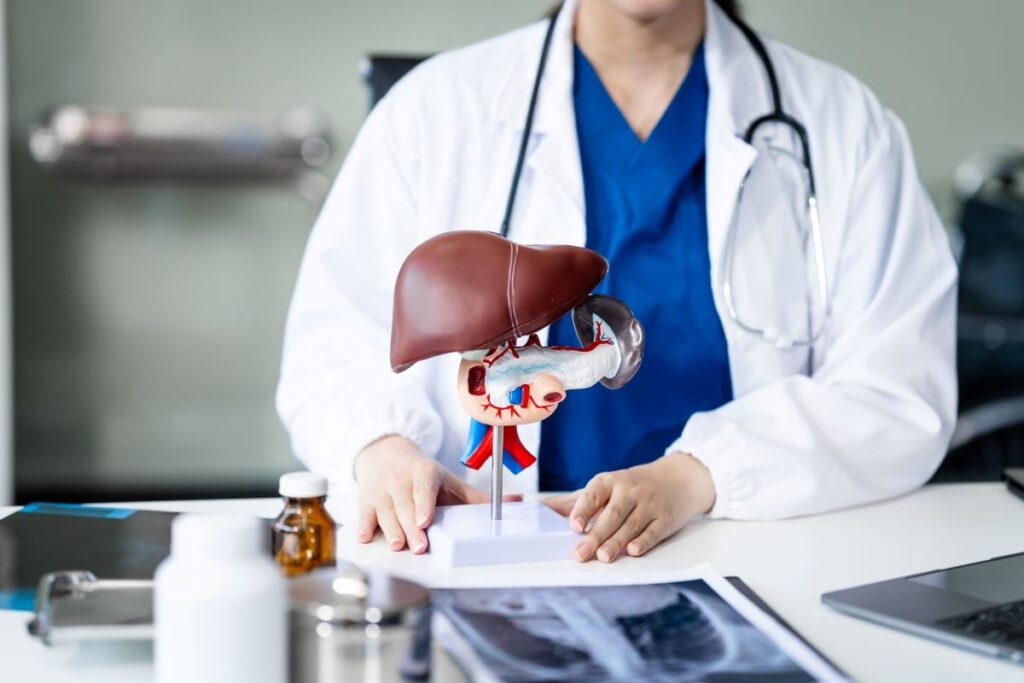
NSAIDs should be used with caution in people with chronic liver disease and should be avoided in cases of cirrhosis, particularly if it is accompanied by fluid buildup in the abdomen, kidney problems, or a low platelet count.
Not all pain requires medication

According to Parade, heat therapy, cold therapy, physical therapy, and rest may be suitable alternatives to pain medication in some cases.
Also read: Why experts recommend eating salmon at least twice a week
Always follow the instructions
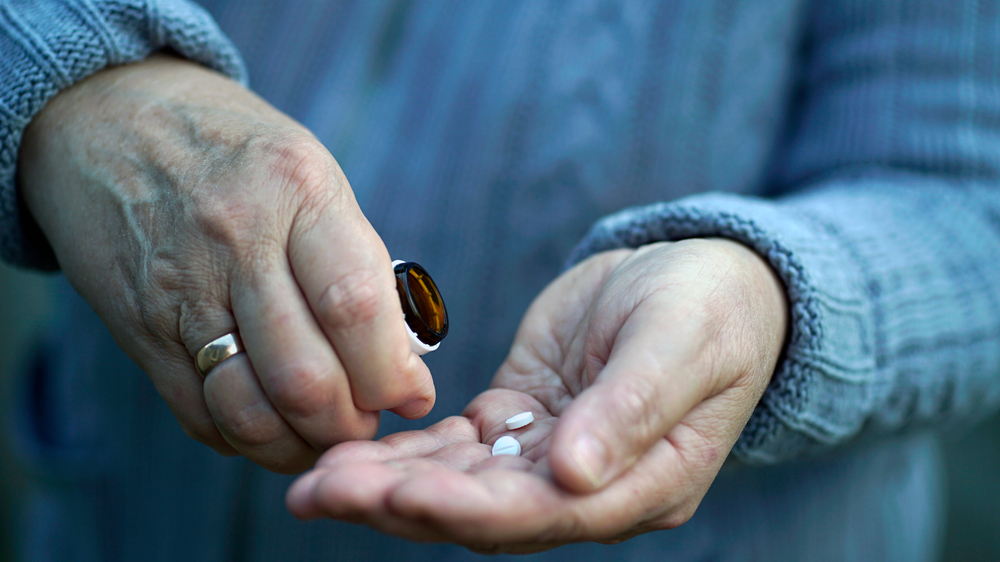
Specialists recommend reading the dosage instructions carefully, informing your doctor about all medications and dietary supplements you are taking, and contacting a healthcare professional if the recommended dose does not provide sufficient relief rather than increasing the dose on your own.
This article is made and published by Ida-Marie Palm Varbæk, who may have used AI in the preparation.