
For some people, gaining weight in a healthy way can be a challenge.
Small changes to your daily routine can gradually help you reach a healthier weight while ensuring your body gets the nutrients it needs, according to the NHS.
Be aware of being underweight

Being underweight can mean that your body is not getting enough vitamins and minerals.
This can increase the risk of problems such as a weakened immune system and bone fractures.
Also read: Women who use a sauna regularly may get the same heart benefits as men
See a doctor if you lose weight unexpectedly
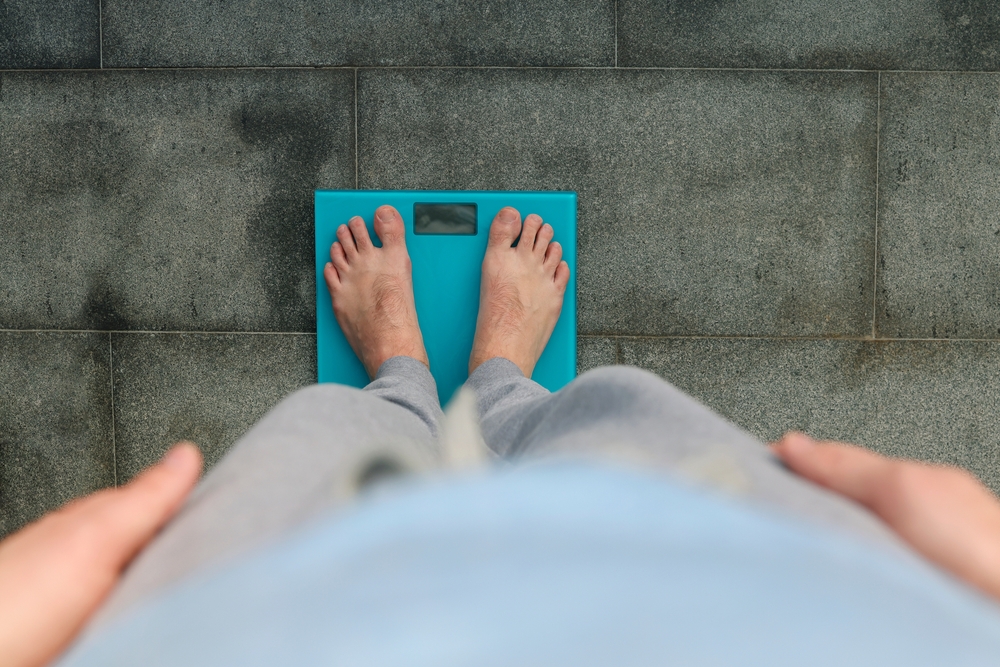
Contact your GP if you lose weight suddenly or without making any changes to your diet or exercise routine.
Unexpected weight loss may be a sign of an underlying medical condition.
Talk to your doctor about your relationship with food
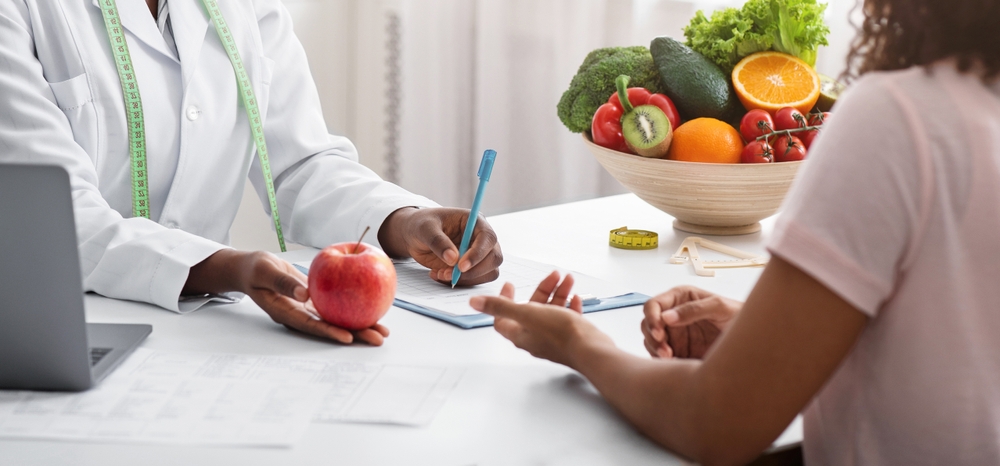
If you use controlling your food intake as a way to cope with emotions or other situations, you should speak to your doctor, as this may be a sign of an eating disorder.
Check whether you are at a healthy weight
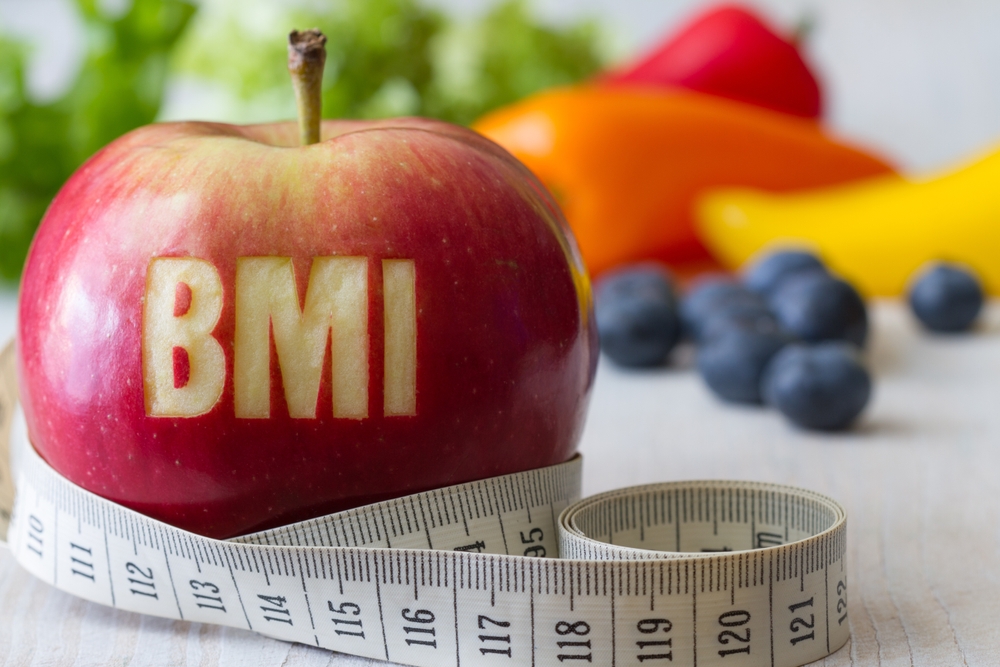
Body Mass Index (BMI) can be used to assess whether your weight falls within a healthy weight range.
Also read: Man claims jesus showed him heaven during 45 minutes of clinical death
The calculation requires your height and weight.
Increase your calorie intake gradually

A slow and steady approach to weight gain is recommended.
Adults can aim to consume around 300 to 500 extra calories per day.
Eat smaller meals more often
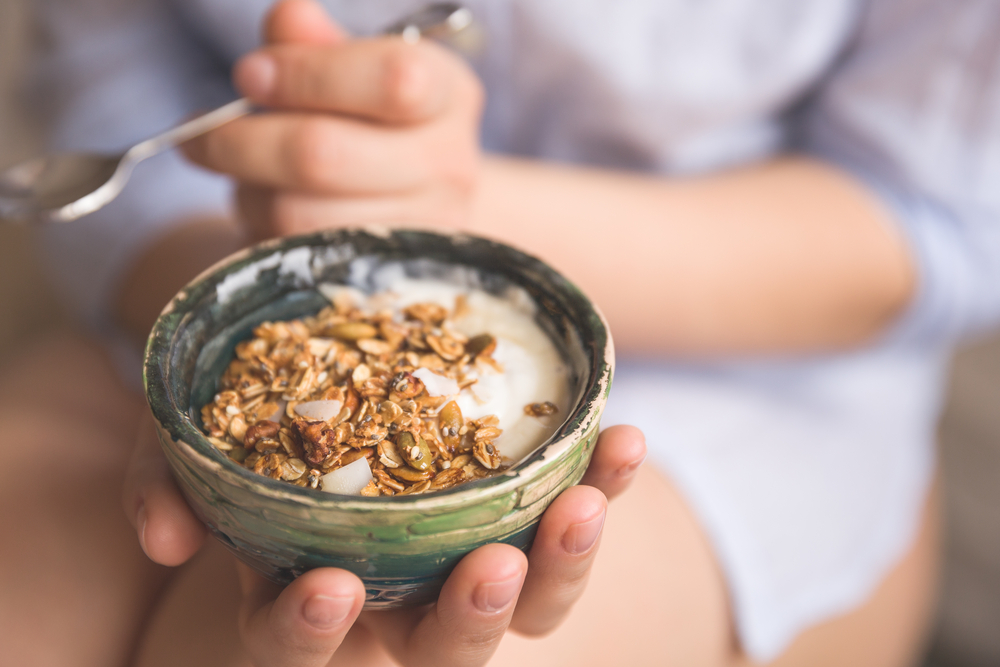
Eating several smaller meals throughout the day, along with healthy snacks, can make it easier to gain weight.
Also read: A 15-minute walk after eating may be the easiest blood sugar tool you have
Make your meals more energy-dense
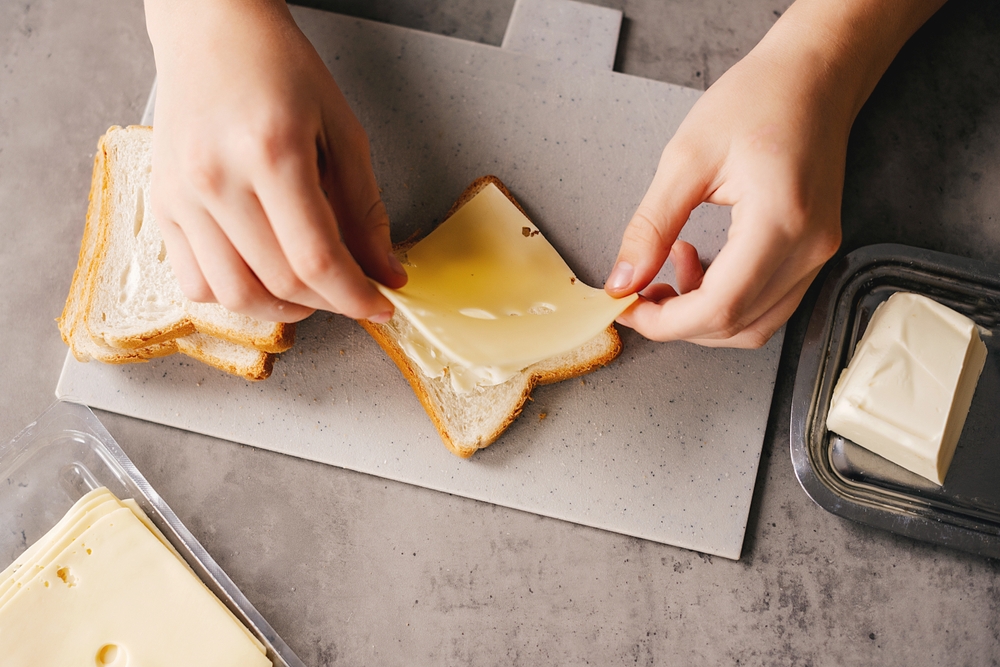
You can add extra calories to your meals by including foods such as cheese, nuts, and seeds.
Choose calorie-rich drinks between meals

Drinks such as milkshakes can help increase your calorie intake without replacing your regular meals.
Eat a varied and balanced diet
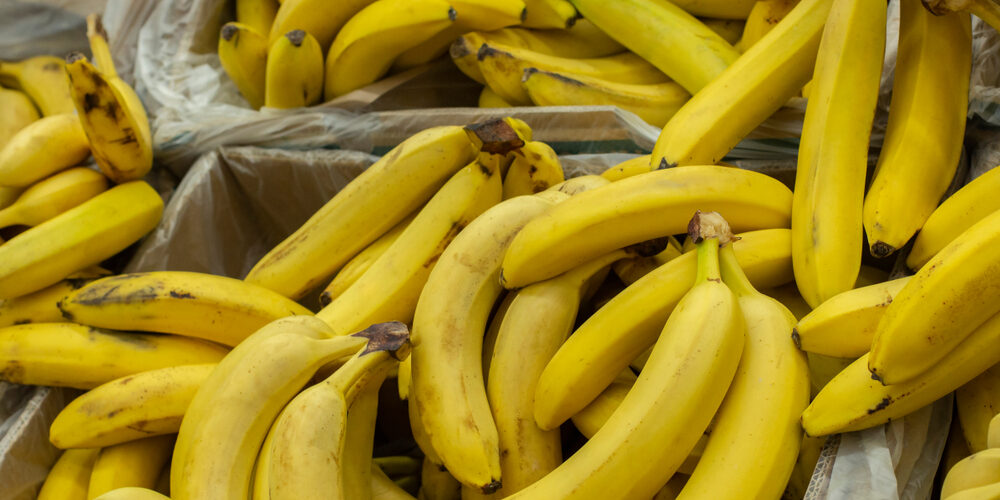
A healthy diet should include a variety of food groups, including fruit, vegetables, starchy carbohydrates, and dairy products or dairy alternatives.
Get more protein in your diet
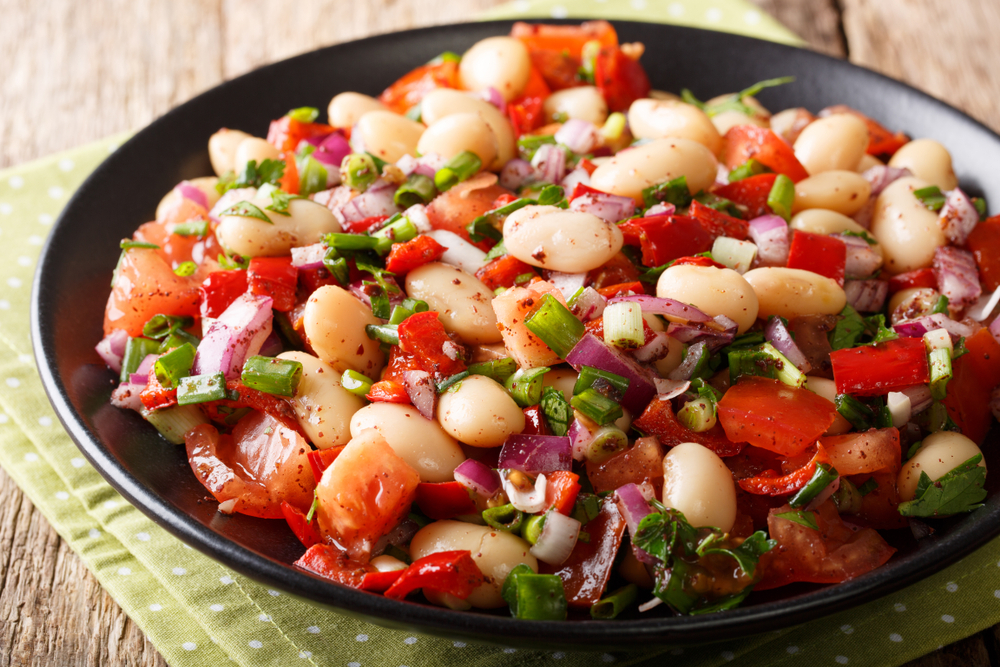
Good sources of protein include beans, legumes, fish, eggs, and lean meat.
Also read: Your bedroom may be too warm for deep sleep - here's the temperature range that matters
Keep easy snacks on hand

Yogurt or rice pudding are examples of snacks that are quick and easy to prepare.
Exercise to build muscle

Strength training or yoga can help build muscle mass while also increasing your appetite.
Avoid unhealthy solutions

Chocolate, cakes, and sugary drinks should not be your primary method of gaining weight.
It is also recommended to avoid filling up on drinks before a meal.
Also read: Viagra shows promise in fight against cancer spread
This article is made and published by Ida-Marie Palm Varbæk, who may have used AI in the preparation.