
Wildfire smoke can reduce air quality and put extra strain on the body.
Here are expert recommendations from Healthline on how to reduce your risk if the air is polluted.
Monitor the air quality

The first step is to know the air quality where you are.
The Air Quality Index (AQI) shows how polluted the air is and can help you determine whether it is safe to spend time outdoors.
Also read: How sparkling water affects your teeth according to new research
Limit your time outdoors

When the air is polluted by smoke, experts recommend staying indoors as much as possible.
This is especially important during physical activity, as your breathing becomes faster and you inhale more polluted air.
Wear a mask
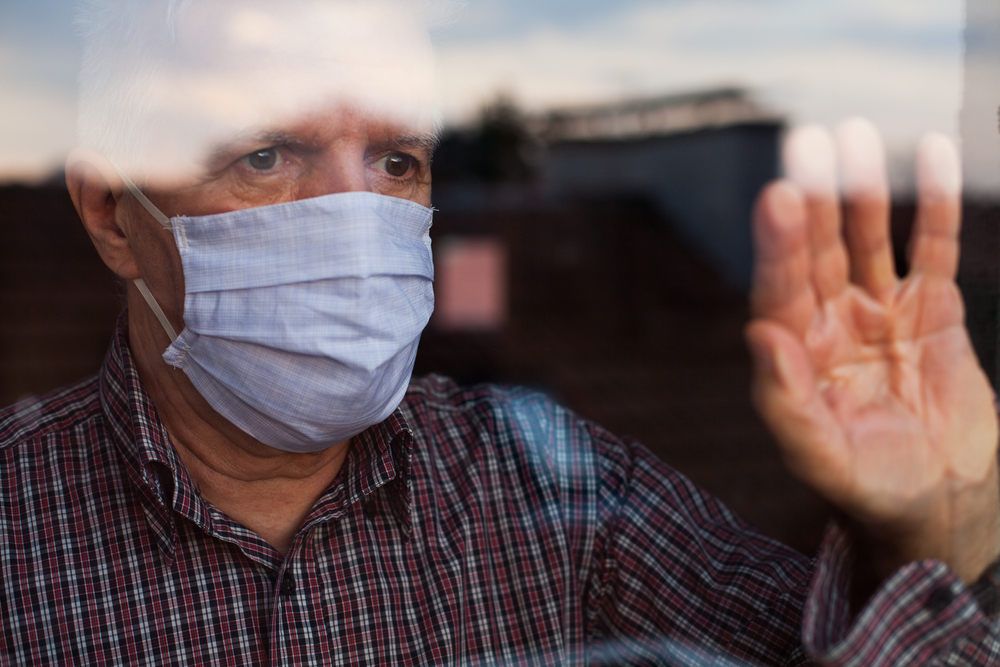
If you need to go outside, an N95 mask can filter out a large proportion of the fine particles found in wildfire smoke. Make sure the mask covers both your nose and mouth.
Keep smoke out of your home

Keep windows and doors closed to reduce the amount of smoke entering your home.
Also read: Too much salt can increase the body's risk of disease – here are the signs
This can help create a healthier indoor environment.
Check for air leaks

Smoke can also enter through cracks and other gaps around your home.
If air is coming in under a door, placing a damp towel along the bottom can help reduce smoke from entering.
Use an air purifier
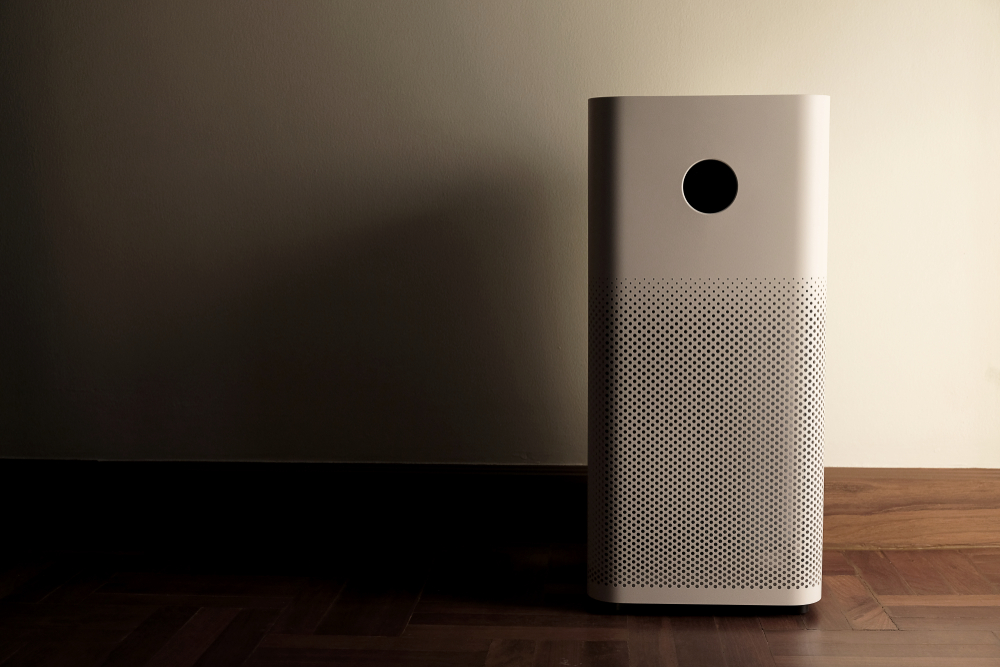
An air purifier with a HEPA filter can help remove particles from the air.
Also read: Swimming may reduce back pain by up to 50 percent, study finds
It is important to choose a model that is suitable for the size of the room.
Set your air conditioning correctly
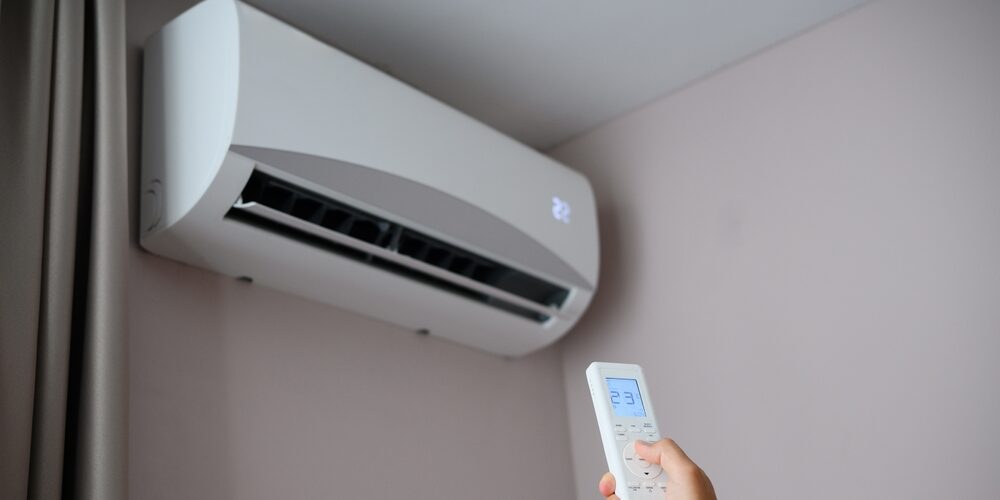
If you use air conditioning in your car or a window-mounted unit at home, experts recommend selecting the recirculation setting to prevent polluted outdoor air from being drawn inside.
Take care of yourself

Getting enough sleep, eating a healthy diet, staying well hydrated, and managing stress can help your body cope with the inflammatory response triggered by smoke particles.
Make an emergency plan

Smoke conditions can change quickly. Experts recommend having a plan that includes where you can go, which essential items you should bring, and keeping your car ready for a quick departure.
Also read: Cheap snack played a key role in Adam's 100-pound weight loss
Understand the risks of wildfire smoke
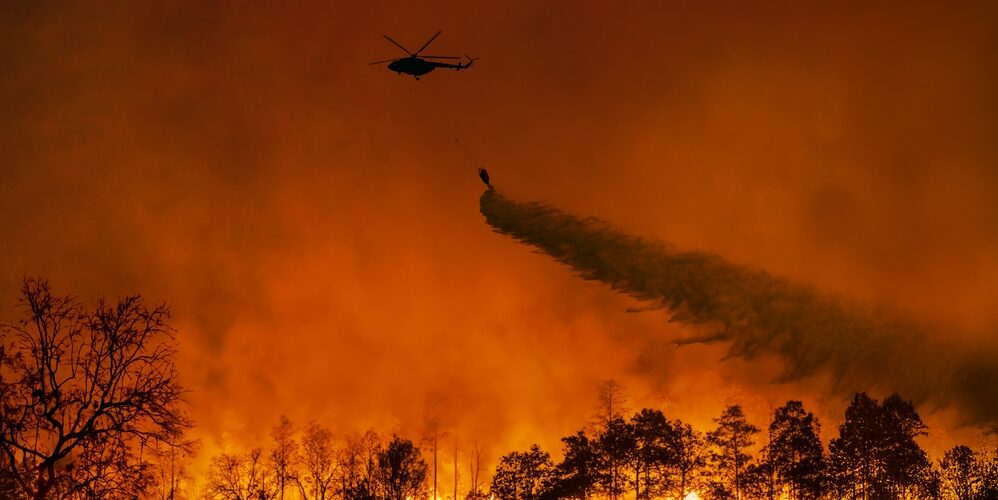
Wildfire smoke contains fine particles known as PM2.5. These particles can trigger inflammation in the airways and worsen conditions such as asthma, bronchitis, and chronic obstructive pulmonary disease (COPD).
Long-term exposure can be serious

According to experts, prolonged exposure to wildfire smoke and air pollution may increase the risk of more serious health problems, including cancer.
Think long term about your lung health

Experts emphasize the importance of prioritizing respiratory health over the long term.
Healthy breathing can support the immune system, improve oxygen uptake, boost blood circulation, and help reduce stress.
Also read: Can a hard avocado be softened in 10 minutes? Here’s the answer
This article is made and published by Ida-Marie Palm Varbæk, who may have used AI in the preparation.